Code Vein II Review
Code Vein II Review
Table of Contents
The once-niche Soulslike sub-genre is now filled with titles that have brought it to prominence. Between the tarnished and hunters out there, Bandai Namco tossed their card into the stack with Code Vein back in 2019, which eventually received a cult following due to its anime-inspired style and deep character customization. In a couple of days, the long-awaited sequel, Code Vein II, arrives on PS5, Xbox Series, and PC, aiming not just to iterate on its predecessor but to expand it into a bigger, hopefully better offering.
Developed using Unreal Engine 5, Code Vein II is defined by duality, with themes that explore the past and present, and a punishing soulslike gameplay that contrasts its flashy, colorful aesthetic across a sprawling world, set against a twist of time travel.
If this is your sort of thing, then Code Vein II might scratch that action RPG itch.
Characters and the World
Code Vein II takes place when the balance between humanity and Revenants is shattered by the Resurgence, a phenomenon that turns living beings into mindless monsters. When a sealing ritual performed a century earlier proves unsuccessful, it gives birth to the Luna Rapacis, transforming Revenants into Horrors that herald the Resurgence.
Players take on the role of the protagonist, a customizable Revenant Hunter resurrected by Lou MagMell, and travel 100 years into the past, locate the “Heroes” of the Upheaval, and correct the mistakes of the sealing ritual.
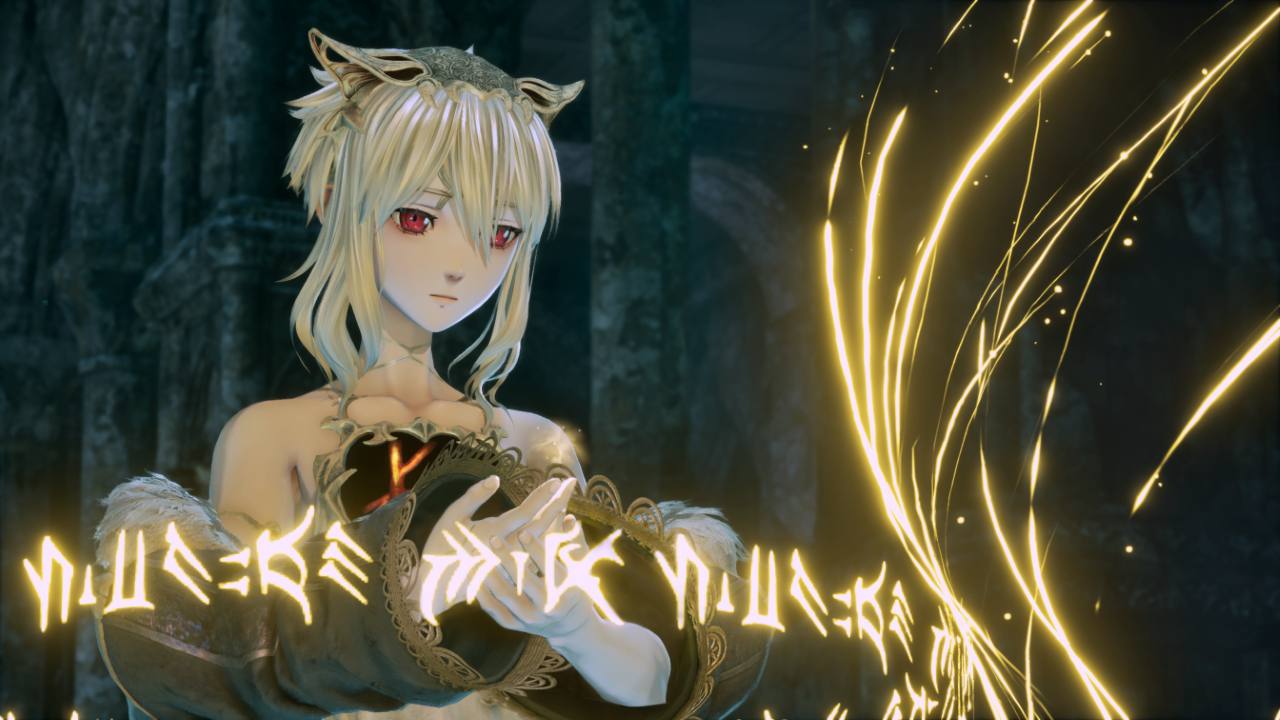
Code Vein II’s strength lies in its cast, who lend themselves directly to gameplay through the Partner System, which we’ll get to in more detail later. Players will meet characters such as Valentin Voda and his loyal bodyguard, Noah; Lavinia Voda, leader of the present-day resistance; and more. These characters have intriguing backstories that unfold through a series of quests and culminate in a showdown against the hero, and take a step closer to saving the world.
Players will even be able to interact with these characters through gifts and dialog options, opening up certain outcomes based on their choices. Pretty neat feature, and reminds me of another Bandai Namco game from a couple of years ago, Scarlet Nexus, which had a similar gifting and relationship system that would affect how parts of the story will progress.

As an example, players will meet Josée Anjou, the ruler of the Sunken City. Josée is haunted by “a failure from her past,” which is her inability to stop a massive Resurgence outbreak that decimated her people. Her story is quite emotional and explores themes of survivor’s guilt and the high cost of leadership, told through cutscenes and a more direct storytelling style, rather than a subtler one like Elden Ring.
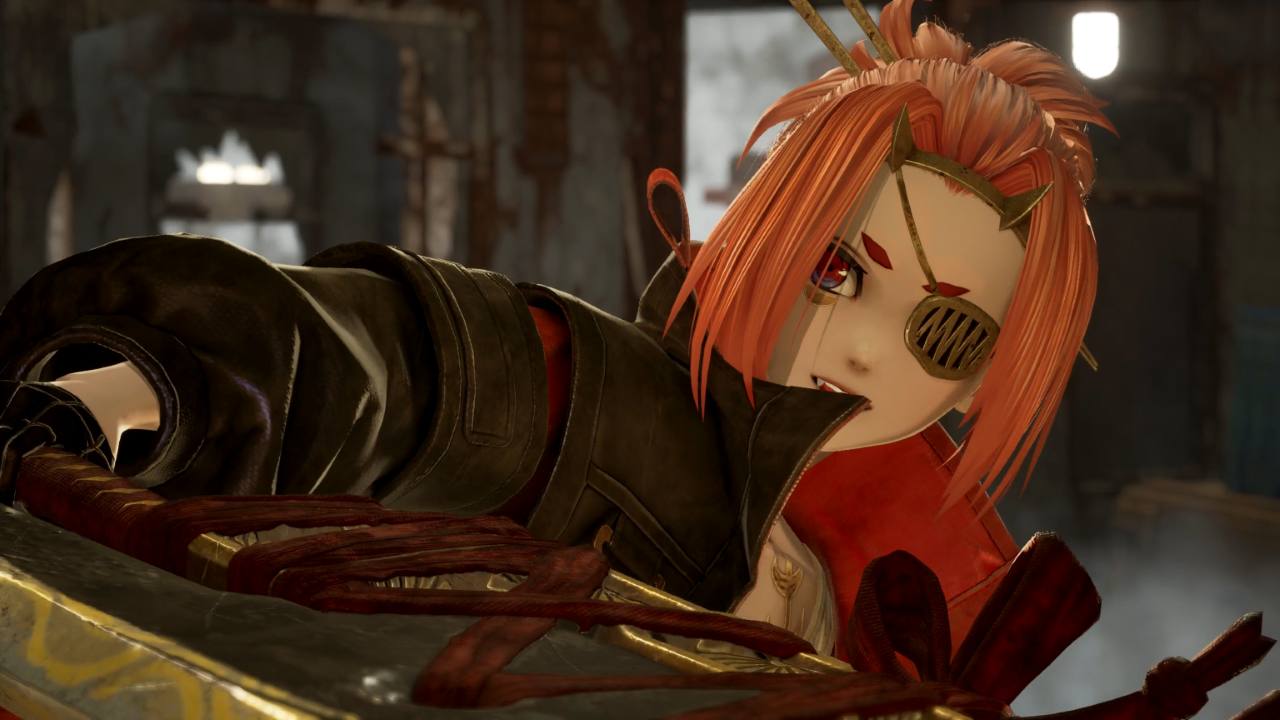
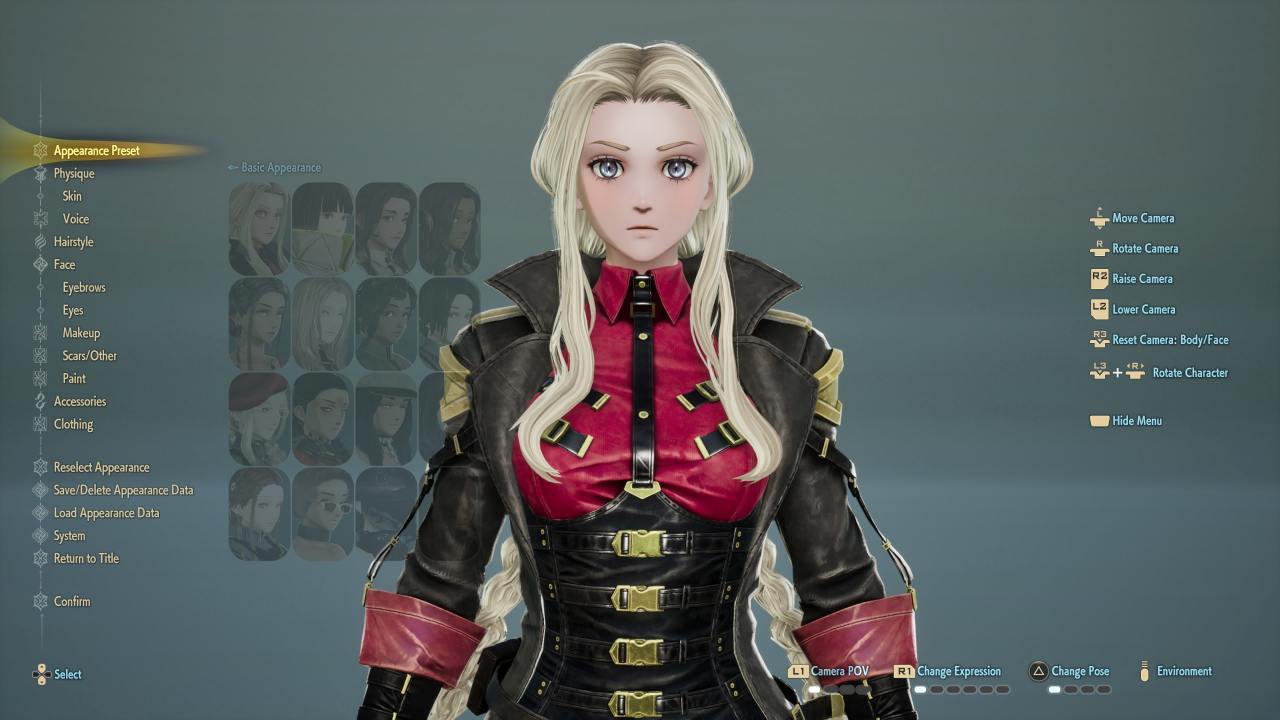
One standout feature of the first game was its character creator, and Code Vein II elevates that with outstanding detail. Expanded sliders offer precise control over body types and facial details, with several choices per category, enabling extremely complex combinations. In fact, even just choosing the preset options is sufficient, and they really killed it with the character designs.
Combat and the Partner System
Code Vein II takes the combat foundations of the first game and retains the Soulslike elements like stamina, dodging, and punishing difficulty while accelerating the pace into faster, more aggressive encounters. Sadly, attack cancelling is not present here, forcing players to commit wisely or be punished due to some attacks having ridiculously long recovery windows.
Arguably, the feature that defines combat in Code Vein II is the Partner system, which basically ensures that you are never “alone” in the game despite the removal of multiplayer. Players will have an AI companion at all times, similar to having a clone/Mimic Tear fight with them, but with a few key differences through two forms.

The first form is Summoning, which brings the partner onto the field to fight side by side, acting as another damage source and attracting enemy aggro. Partner AI is extremely competent, often taking enemies and bosses 1-on-1 capably. Link Points, a shared bond mechanic that basically acts as armor, can absorb damage before HP. Should players take fatal damage while a partner is active, they will be revived at the expense of their partner being unusable for an amount of time. This can only happen a few times before you are revived at a checkpoint.
In order to offset relying on partners, Code Vein II employs a recoverable damage system (similar to something like that in Tekken 8) when a partner attacks, which can be recovered by enemies and bosses if damage is not continuously dealt. It’s a great system that ensures that player participation is still required. It’s not surprising that most players will choose this form for most of the game, as it does make certain encounters more manageable.
One great aspect of this partner system is that you can employ the services of several characters to be your partner. From Lou and Iris to even the heroes such as Josée, there isn’t a lack of companions to choose from, and this makes for some exciting combinations to choose from. Partners can even be switched up at Mistles (basically save points), where you can also level up and perform other customization tasks.

The second form is Assimilation, where you and your partner become one as they enhance your powers, stats, and abilities. Bosses have huge health pools, so confident players can use Assimilation to deal significant damage. Players can switch forms at any time, making it a great resource for players of all skill levels who want to switch up their gameplay.
Code Vein II features seven weapon archetypes that cater to most playstyles. In addition to the typical sword and heavy weapons, the game also features Twin Blades and Rune Blades, which introduce new playstyles ranging from a flurry of attacks to mid- to long-range damage that leans toward anime-inspired spectacle.
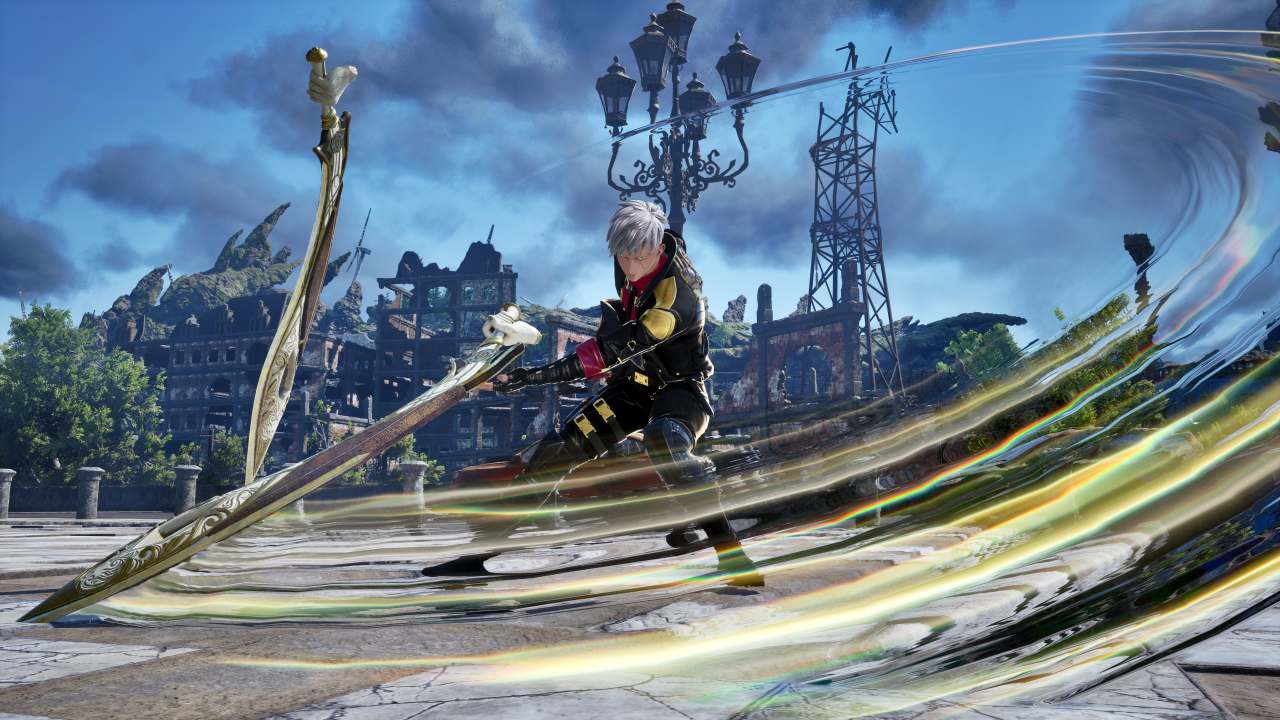
Abilities are streamlined through the Formae System, which organizes skills into offensive, defensive, and ultimate categories. Weapons will have skill slots, and you can equip collected Formae to your liking. Some Formae will have certain weapon restrictions, so players may feel the need to master more than one weapon type to use more Formae. Bequeathed Formae, devastating spectral attacks inherited from legendary Revenants, serve as the game’s high-risk, high-reward finishers.
These abilities require Ichor to “cast,” which ties directly to the Jail system, which provides defense and Drain Attacks. Each Jail offers unique attacks, from wolf-head grapples to spectral scythes, creating varied ways to generate Ichor and sustain abilities. This then forms a combat loop in which players cast abilities using Ichor, use Jail attacks to drain Ichor, and so on.

A critical system in Code Vein II is what’s called the Blood Codes, which are unique artifacts players can equip that can have a massive impact on their attributes, potentially changing the way they approach combat through builds that emphasize various playstyles. These Blood Codes can be changed at any time, have a proficiency level that can be leveled through combat, further improving their benefits, and even synergizing with chosen partners. When maxed out, players can even earn equippable boosts that can further improve stats and other abilities.
Additionally, there’s also what’s called the burden system, which ties directly to your chosen Blood Code. Equipment has varying burden requirements, and some stats, like Strength or Dexterity, may be burdened. If Strength is burdened, players will consume additional stamina when an attack misses; if Dexterity is burdened, Ichor is decreased when taking damage. If that’s not enough, Code Vein II raises the stakes with 16 status ailments that need constant attention.
There’s a LOT of layered systems to consider in Code Vein II, and while soulslike veterans may feel right at home, those not prepared for this level of detail and complexity may find it intimidating. Players can choose to simply play it safe and upgrade weapons along the way, but those who choose to engage in all of these systems are rewarded with some great customization levels.

If anything, combat in Code Vein II feels a bit floaty, as some hits don’t feel as impactful as I would have liked, with some inconsistency with parry and invincibility frame windows. Some boss attacks had me pulling my hair as I couldn’t get the dodge timings right because some attacks genuinely felt unfair with outrageous hitboxes, and some of these attacks have extremely lengthy hit animations that require extremely precise timing. At times, it feels as though it isn’t as snappy or responsive as I would like, as I miss out on parries and dodges when I’m sure I’m going to hit, and, as mentioned, attack cancelling is non-existent.
Even more frustrating are the camera issues, especially evident when near walls and facing hulking bosses, where getting out of a corner can be a challenge.
Quests and Exploration
Exploration in Code Vein II embraces a non-linear, time-spanning design, with the world divided into eras with unique questlines and objectives. The Upheaval, set a century in the past, portrays a world consumed by war against the Resurgence, with areas such as the Corroded Scar and opportunities to meet the Heroes at the height of their power. In contrast, the Present depicts a post-apocalyptic landscape, where locations such as the Sunken City and MagMell Island lie in ruins. Quests often span these eras, requiring players to solve puzzles and complete objectives by shifting through time.
Exploring the world feels similar to Elden Ring, with various dungeons and side activities that can be uncovered by just looking around. The world looks great, though it doesn’t have the same mystery or appeal as other titles in the genre, which lessens the urgency to explore. Thankfully, these dungeons are rewarding and can provide players with timely resources or equipment, although their level design isn’t anything to write home about and can get repetitive.
.jpg)
As the world has grown vast compared to the first entry, Code Vein II introduces the Motorcycle, summoned via the Motorcycle Forma to make traversal across easier. However, progress is hindered by Map Jammers that obscure areas and must be destroyed to uncover the map and activate fast travel points.
Serving as the player hub in Code Vein II is the MagMell Institute, which provides essential services where players can upgrade gear through Jadwiga, research new Formae with Iris, revisit memory echoes in the Hot Spring, and more.

Performance and Issues
Code Vein II is a visual step up from its predecessor, replicating its trademark stylized anime visuals. Character models look great, but their animations are rather unrefined, with some models having some weird proportions, like extremely long necks and wide hips (even the male characters). Vistas look good, and the world is depicted in ruin pretty well, but it is marred by severe instances of texture pop-in, where items would suddenly appear.
Also noticeable are frame dips, even in performance mode. Code Vein II doesn’t seem to manage a rock-solid 60fps, which is disappointing as that is arguably one of the most important factors in a game that relies on precision and timing. Texture loading is evident as well, with some background textures switching from low-res to hi-res after a few seconds, even in cutscenes.
One other controversial change is the removal of multiplayer co-op. While this was done to place greater emphasis on a refined single-player experience, it fundamentally changes the game’s appeal for those who played the original primarily with friends.

Verdict: Wait for it…

Code Vein II delivers a sequel that offers a bigger experience compared to the first, but a better experience may be subjective. Sporting upgraded visuals and a narrative that spans time periods, its deeper combat systems are the star of the show, offering Jails, Formae, and swappable Blood Codes that provide remarkable build diversity, with new weapon archetypes like Rune Blades and Twin Blades that are great options.
Despite the expansion of the anime souls formula, it still lacks some polish, limiting its potential due to performance issues and severe texture pop-ins. While the visuals look good, it overall does look quite uninspired, and the lack of multiplayer is a noticeable change, as those who enjoy a solo, story-focused adventure will get a tighter experience, while fans of playing together might really miss that option.
Ultimately, Code Vein II stands as an ambitious sequel that pushes the series into new territory, even if not all players will embrace its direction.
*Code Vein II was reviewed on a PS5 with a review code provided by the publisher.
Code Vein II Review
Code Vein II delivers a sequel that offers a bigger experience compared to the first, but a better experience may be subjective.
PROS
- Improved Combat Systems from the First Game
- Dual-timeline Story and Exploration
- Improved Visuals and Character Creator
- Partner System and Competent AI
CONS
- Too many systems that make the difficulty curve too steep, especially for newcomers
- Lack of Multiplayer Co-op Aspect
- World Doesn't Feel too Mysterious or Enticing Despite Premise
- Performance issues and pop-ins galore