

The Outer Worlds 2 Offers Deeper RPG Systems but Also Accessibility by Design
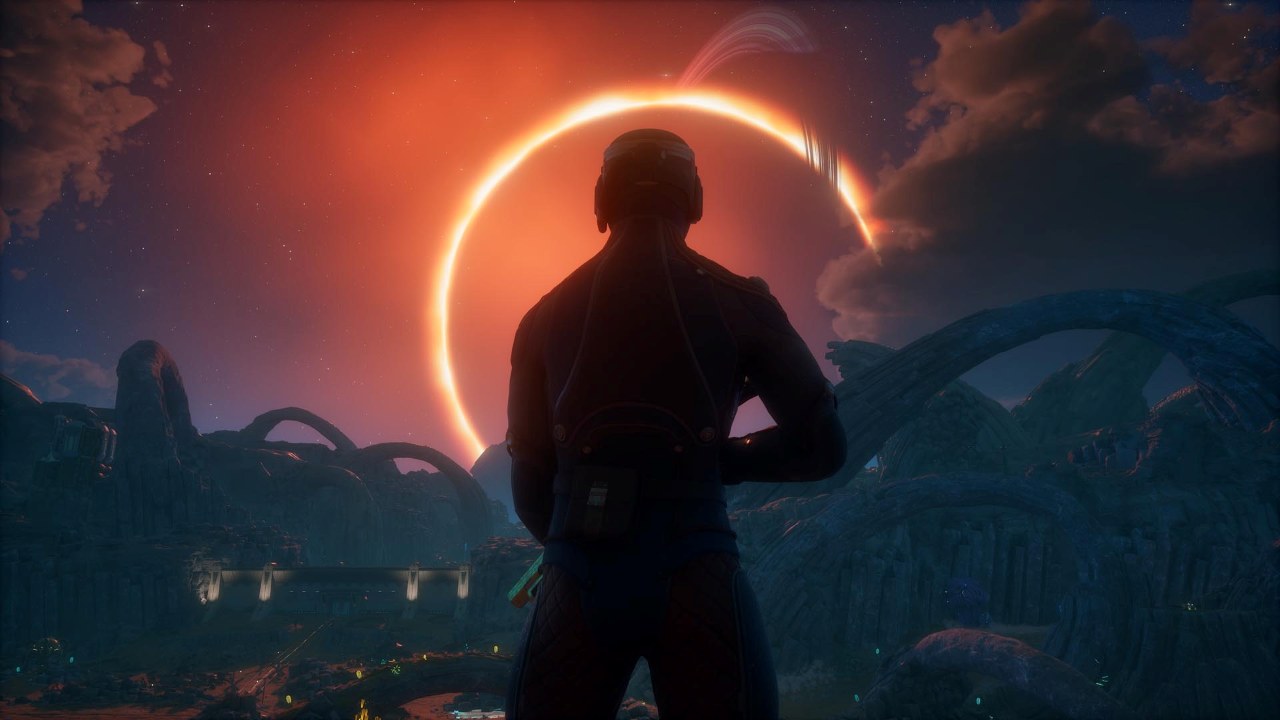
Obsidian’s The Outer Worlds 2 is launching in less than a month, and during the recently concluded Tokyo Game Show 2025, we sat down with Game Director Brandon Adler and Design Director Matt Singh to talk about the game and how it aims to emphasize player-driven narratives by making choices feel deeper, more mechanically meaningful, and more replayable.
The Outer Worlds 2 Interview
Newcomers Welcome
Both Adler and Singh pitched the sequel as a fresh entry point for newcomers and a richer playground for veterans, anchored by accessibility options, bigger faction systems, and more RPG mechanics that reward specialization. Obsidian consciously built the sequel so that new players don’t need prior knowledge, because the game is set in a new star system with new factions and characters.
Accessibility options are a key aspect of that approach. “This is a great jumping in point for anybody that wants to experience a game like this… we have a suite of difficulty modes… we have a new third person mode… motion sickness settings… FOV sliders,” Adler said, highlighting how the team is removing barriers for players while preserving depth for those who want a challenge.
Expanded Factions
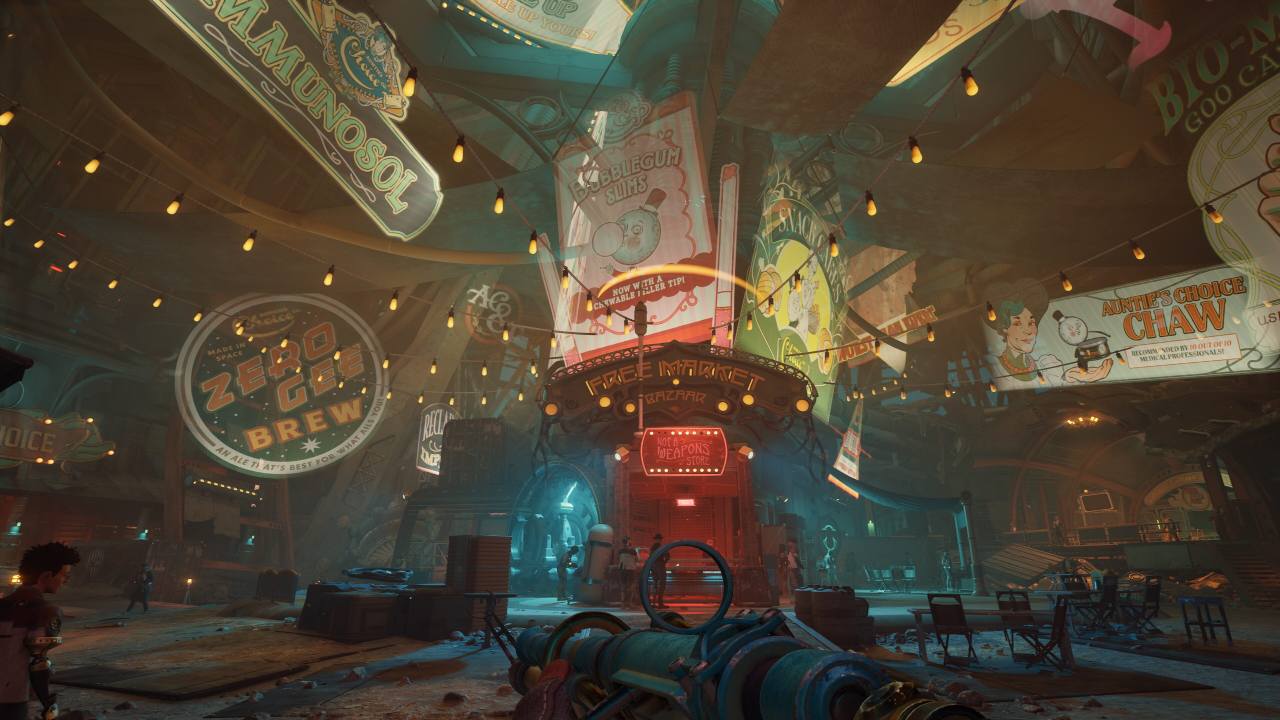
Narrative systems were a major focus of this design choice as the team expanded the roster of factions and introduced a reactive radio system that externalizes player impact. In The Outer Worlds 2, each faction has its own music, DJs, advertisements, and propaganda, and the broadcasts change tone in response to the player’s actions.
“Each of those factions has its own unique soundtrack, they have their own unique DJs… it also does things like react to what the player is doing… they’ll all have a different take on what happens there, right, based on their philosophies, viewpoint, or their own agendas,” Adler explained. This elevates environmental storytelling to the next level, tracking player influence and reputation.
Richer RPG Experience
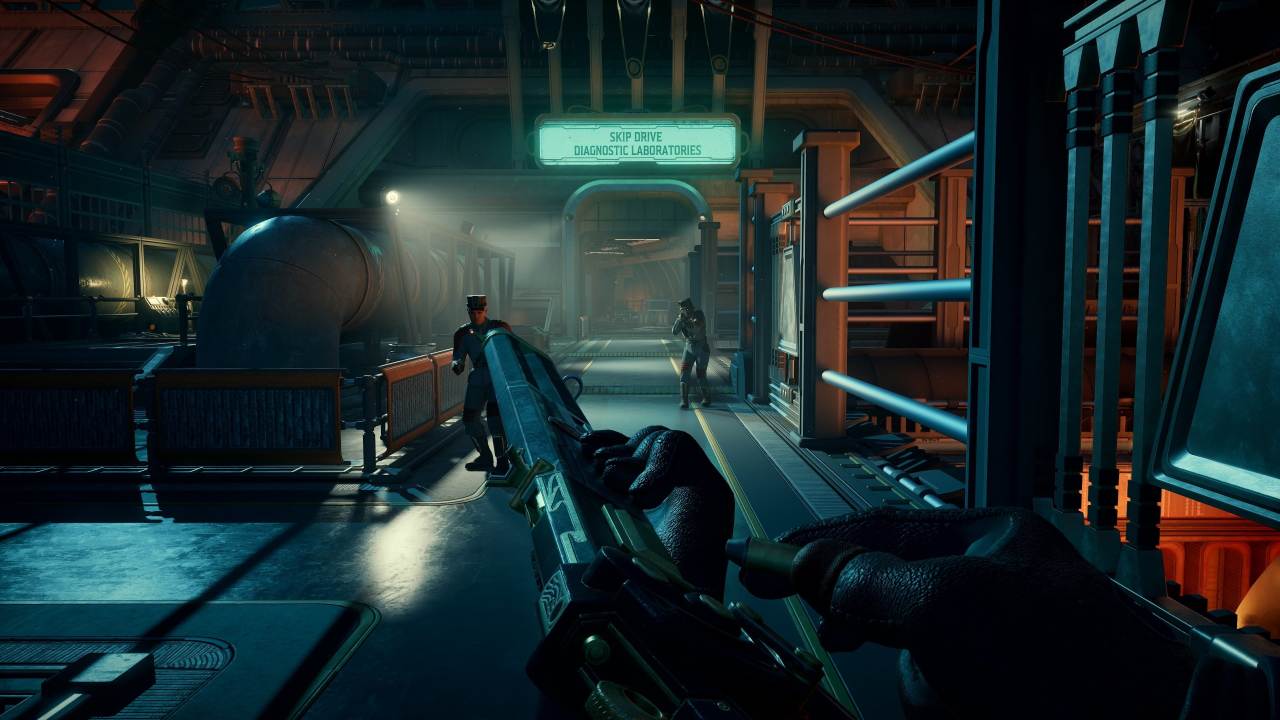
Under the hood, Obsidian doubled down on interconnected RPG systems of The Outer Worlds 2. Singh emphasized the team’s intent to let perks, flaws, skills, and backgrounds unlock different world solutions: “We wanted to have an enormous number of perks… we have over 90 perks… the flaw system watches the things that you’re doing in the game… you’re actually doing it in the world itself.”
Because of this, Perks become much more impactful by opening alternate routes through quests, letting players solve problems using their chosen specialties, and encouraging multiple playthroughs to discover missed branches.
Obsidian also avoided strict level gating and heavy scaling, instead making hard-fought rewards feel meaningful. If players tackle content earlier than intended, the payoff should be proportional to the effort they put in. By doing so, The Outer Worlds 2 favors players who take risks during exploration, while providing them with the tools to make informed choices through in-game signals, such as radio warnings or environmental cues.
Unreal Optimization
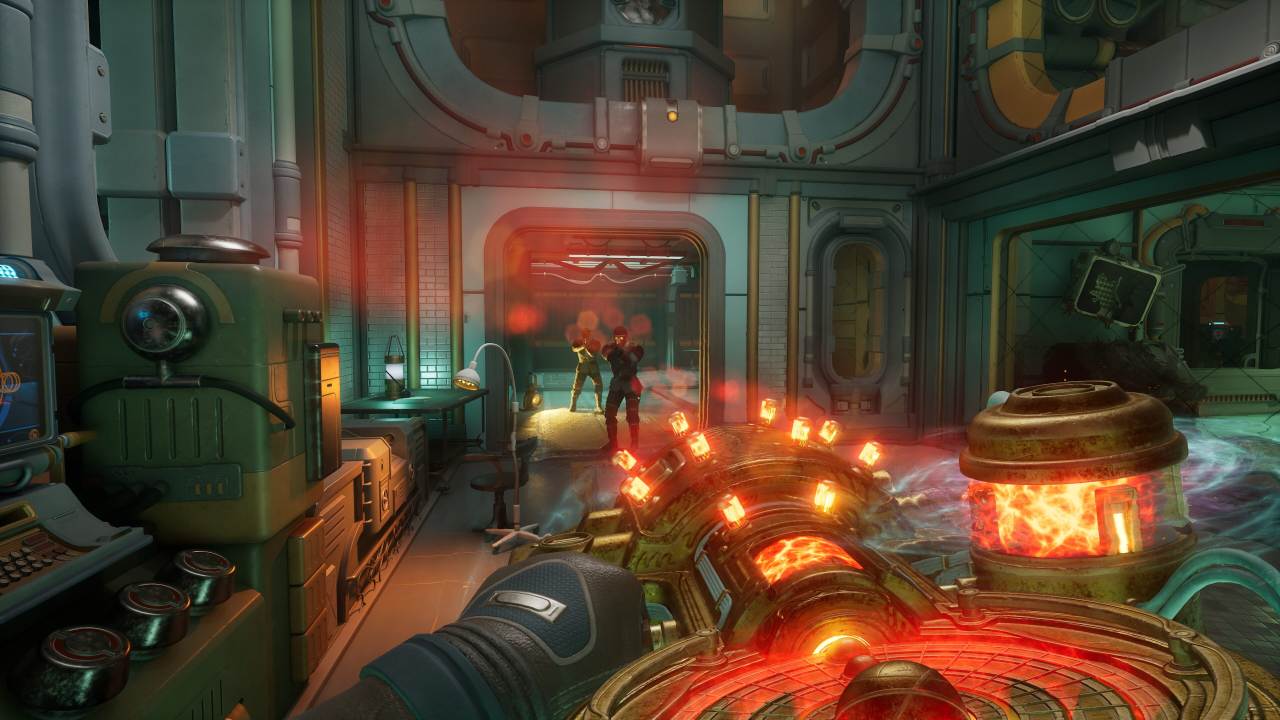
As with any Unreal Engine title, The Outer Worlds 2 also faced the familiar challenge of optimizing and developing across high-end PCs, consoles, handhelds, and cloud platforms. Obsidian relies on in-house specialists and external partners to maximize performance on each platform without compromising the art direction. The result is broad platform availability, providing support for the Steam Deck and other handheld devices, while maintaining console parity.
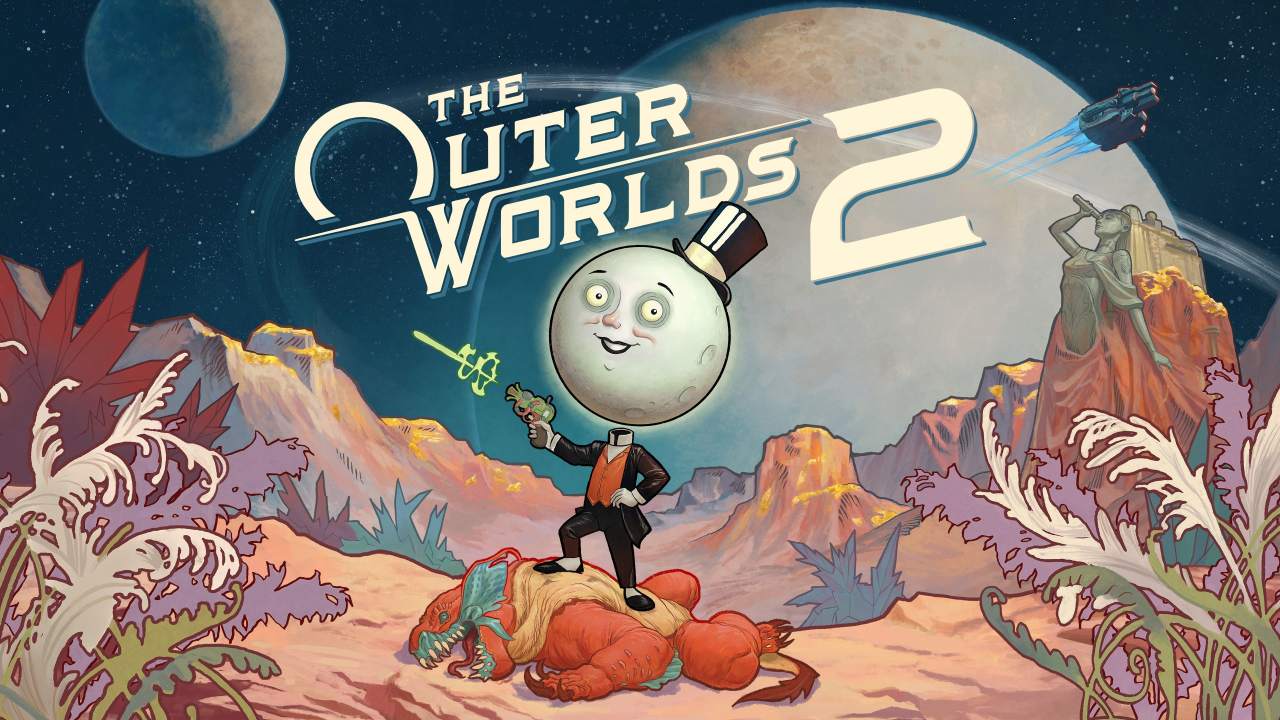
The Outer Worlds 2’s guiding lesson from the first game is to emphasize distinct play styles and let player choices create genuinely unique stories. Obsidian leaned into the idea that uniqueness drives replayability, with players comparing stories, chasing what they missed, and returning for discoveries.
The Outer Worlds 2 is launching on October 29, 2025, for PS5, Xbox Series, and PC.
