Elden Ring Nightreign Review
Elden Ring Nightreign Review
Table of Contents
Nearly three years have passed since Elden Ring launched in 2022, and with the launch of its highly acclaimed expansion, Shadow of the Erdtree, its legacy has been further secured. Adding to the excitement, discussions about a live-action adaptation are gaining momentum, which is a testament to the game’s remarkable impact.
With the success of both the base game and its expansion, one naturally wonders what lies ahead for Elden Ring. Enter Nightreign, a multiplayer-focused PvE experience that few could have predicted. Unveiled at The Game Awards in 2024, Nightreign offers a fresh take on the Elden Ring formula, requiring players to unite against the Night in the kind of skill-centric battles that FromSoftware is known for.
Conquer the Night
The gameplay loop of Elden Ring Nightreign places players in Limveld, a vast region set within the same universe as Elden Ring’s Lands Between. Teams of three will go on expeditions, each spanning three in-game days, where time is limited and survival depends on strategic exploration, combat ability, and equipment upgrades. A full run can last around 40 minutes, so be prepared to invest time when starting a run!
As each day nears its end, the encroaching darkness signals danger as the map’s boundary begins to shrink, ushering in a deadly night with rainfall that inflicts damage on those caught outside the safe zone. When night fully descends, teams are forced into a confined space to battle a randomly selected boss.
Overcoming this challenge will advance the expedition to the next day, granting players another opportunity to explore Limveld, strengthen their equipment, and prepare for the upcoming encounters. Conquering the first two days will bring players to the third and final showdown against a Nightlord in an entirely different arena, culminating the choices made throughout the expedition, like if you’ve found enough stones to upgrade your equipment or found the correct weapon for the battle ahead.

Elements of Elden Ring Nightreign’s mechanics will be familiar to those who have previously played roguelike or roguelite titles. Each session begins with characters at level one, and equipment and weapons are randomized, reinforcing the genre’s emphasis on adaptability. No matter how well a player assembles their loadout, it vanishes upon expedition completion, whether they defeat the Nightlord or not. The shrinking boundary shares similarities with Fortnite’s survival mechanic, though that’s where the similarities end.
Adding further unpredictability to expeditions are “Shifting Earths,” random environmental occurrences that alter the battlefield. One moment, players may sprint across Limveld; the next, a meteor crashes nearby, creating a massive crater with a formidable enemy waiting for those brave enough to approach. In another instance, thick mist rolls in, bringing swarms of locusts that drain player levels if they venture too close.
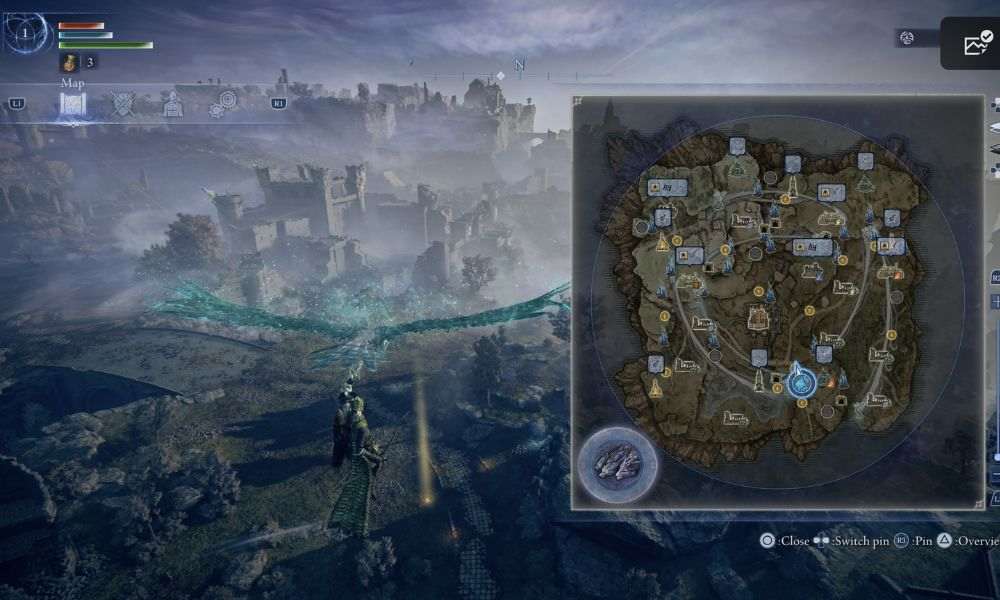
Every expedition offers a unique challenge due to randomized starting points, enemy types, and the shrinking safe zone’s location, marked by a tree icon on the map. This ensures that no two sessions are identical, making survival a thrilling combination of luck and skill. One run may grant the ideal set of weapons, while another might see players reaching the Nightlord with a loadout they never intended to use.
At its core, Elden Ring Nightreign successfully blends roguelite mechanics with FromSoftware’s signature Elden Ring atmosphere, crafting a compelling multiplayer experience. While the game executes its premise well, minor technical hiccups, such as an occasional glitch where players fall through the map, are present but do little to detract from the overall enjoyment.
Choose Your Nightfarer
In Elden Ring Nightreign, instead of creating a custom character, players will choose from a roster of eight unique Nightfarers to form a team of three, with the option to select the same character multiple times. Each Nightfarer possesses distinct Passive, Character, and Ultimate skills, all meticulously crafted to be visually striking and mechanically different to promote various playstyles.
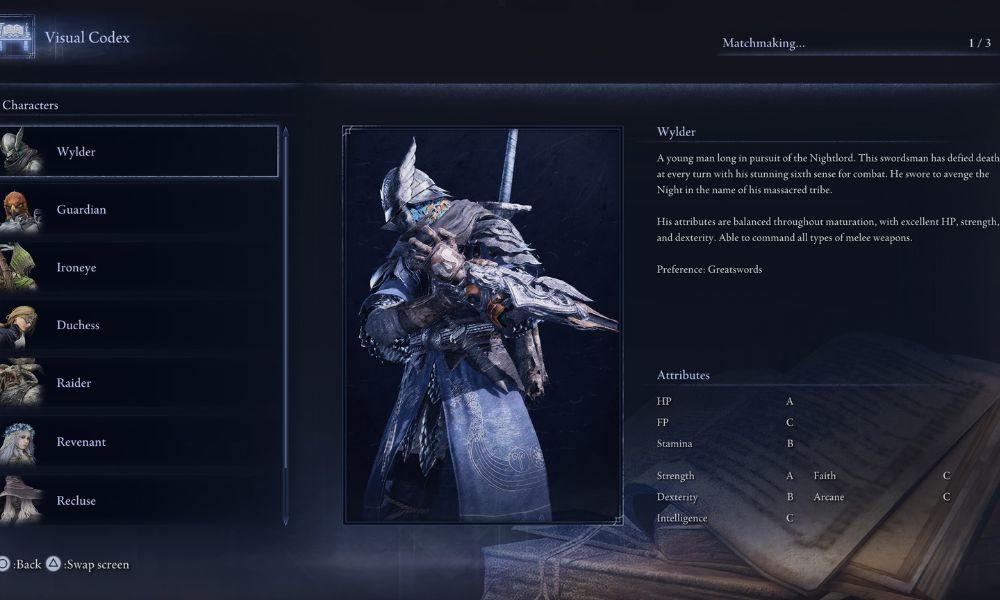
Wylder is a versatile knight-like class who wields a greatsword but can also utilize other weapons. His Character Skill features a hook that can either pull weaker enemies toward him or propel him toward stronger foes, while his Ultimate launches an iron stake that does massive damage and staggers. Guardian stands out as a formidable, armored, bird-like humanoid specializing in defense. Equipped with a shield and halberd, he can unleash a powerful gust of wind that sends enemies airborne, and his Ultimate allows him to ascend before diving down to release an aura that heals allies and damages foes.
For players who favor precision, Ironeye excels as a dedicated archer with skills that enable him to mark enemies’ weak points and fire penetrating arrows for tactical advantage. Meanwhile, the Recluse is the resident magic user donned in a witch’s hat, specializing in Magic Cocktails that absorb elemental energy and store it for strategic deployment. Her Ultimate summons a Sigil that marks enemies, and striking them restores both HP and FP.
Raider is your berserker class, specializing in massive weapons and fulfilling the tank/attacker class role. His Character Skill enables him to withstand damage and counterattack, while his Ultimate erects a towering tombstone as both a defensive barrier and a platform for allies, simultaneously boosting their physical damage. Duchess, the elusive thief-like Nightfarer, specializes in agility and evasion. Her Character Skill lets her replicate damage inflicted on enemies over time, while her Ultimate grants temporary invisibility to all allies.
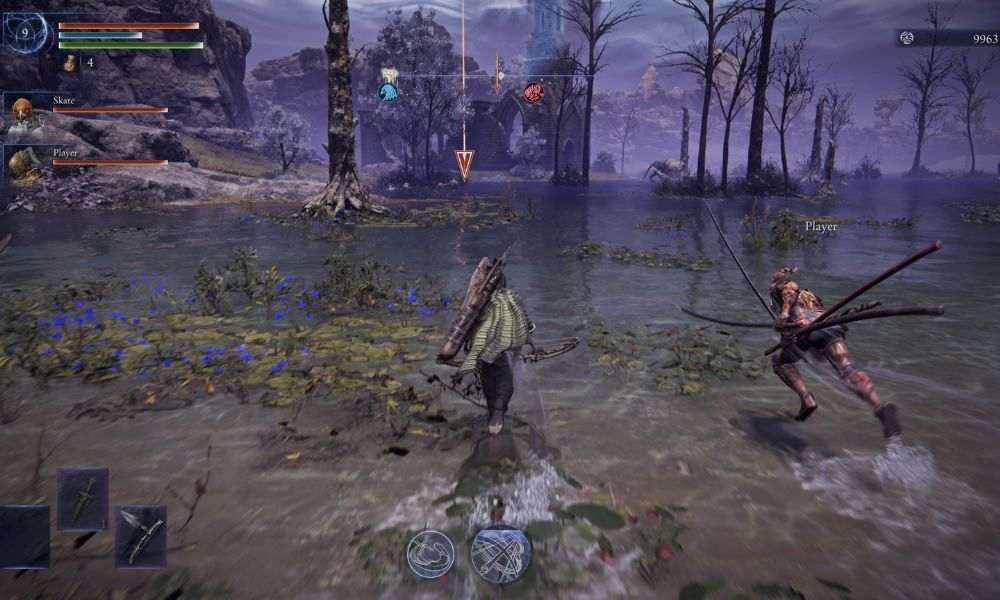
The final two Nightfarers, Executor and Revenant, offer complex playstyles that demand skillful execution. Executor wields a katana and fights with a cursed blade that requires precise parry timing to deflect incoming attacks. Revenant, on the other hand, focuses on summoning Spirit Ashes, utilizing a unique Passive ability that temporarily revives fallen enemies to fight alongside her. We’ll leave further details about these two for players to experience firsthand to preserve the excitement.
The attention to detail in Elden Ring Nightreign’s character design is commendable, with each Nightfarer offering distinct gameplay mechanics and aesthetics that reflect their class identity. From the elegant and noble presence of the Duchess to Wylder’s nomadic knightly stature, each character is crafted with an impressive visual aesthetic that pairs well with their abilities, ensuring players can find a Nightfarer that suits their preferred playstyle.
Beware the Nightlords
Awaiting these Nightfarers are the Nightlords, formidable adversaries that stand in their way of victory. Each Nightlord possesses an imposing presence, delivering punishing attacks that will require the party to coordinate among themselves. Gladius, the Beast of Night, frequently featured in promotional materials, serves as an introduction to the sheer challenge these foes present, but he is merely the beginning.
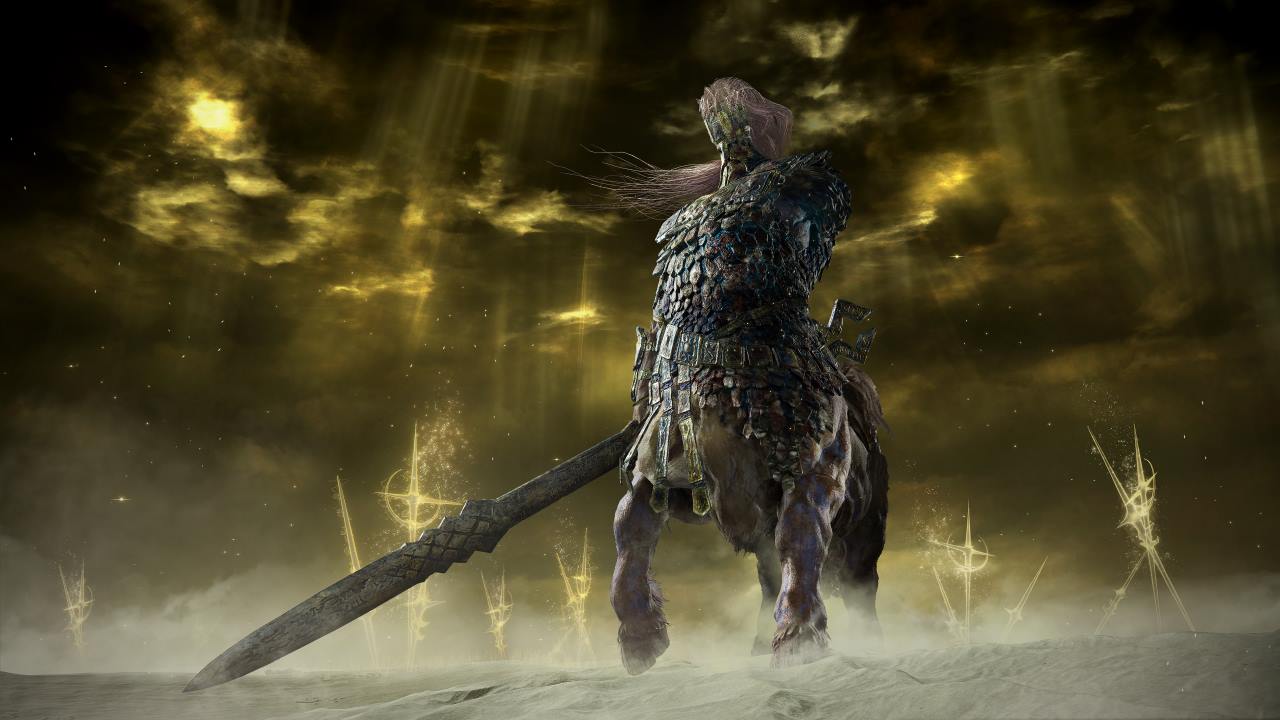
Each Nightlord is designed to engage multiple players. True to FromSoftware’s signature boss design, each Nightlord transitions through multiple phases, requiring Nightfarers to adapt and master their attack patterns to survive. However, facing a Nightlord must be earned by finishing the first 2 days. As expected from FromSoftware, these encounters are brutally difficult, and entering the fight unprepared is a costly mistake.
Elden Ring Nightreign successfully translates the vast, immersive world of Elden Ring into a multiplayer PvE experience, offering a fresh yet familiar challenge for Souls veterans. Limveld impresses with its sprawling fortresses, dense forests, and open fields, all freely explorable until the night forces players into a shrinking safe zone. Fortunately, exploration is rewarded, as structures are filled with valuable items and enemies that aid in leveling up. Runes are still the primary currency, and, as in Elden Ring, failing to retrieve them before death results in their permanent loss.
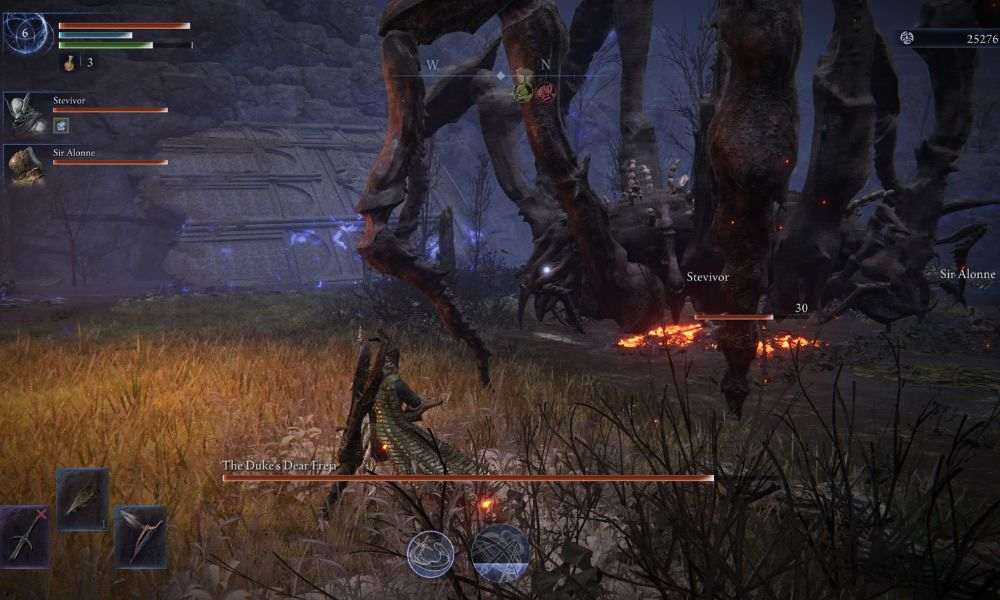
The enemies scattered throughout Limveld are drawn from Elden Ring’s massive bestiary, including towering golem archers and relentless crucible knights, each behaving as they did in the base game. Even infamous bosses such as the Godskin Duo make an appearance, alongside legendary foes from other Souls titles, including Duke’s Dear Freja from Dark Souls II and the Nameless King from Dark Souls III. These encounters are far from easy, requiring players to take every opportunity to level up.
Given the expedition’s time-sensitive nature, Elden Ring Nightreign has streamlined several mechanics to accommodate its fast-paced gameplay. Fall damage has been removed, allowing players to traverse the terrain more freely, and Surge Sprinting is now an option. Without Torrent, players must rely on Spiritstream Jumps to cover great distances. Sites of Grace activate simply by running through them, and leveling up is now instantaneous with the press of a button, as each Nightfarer has fixed stats. These fantastic and thoughtful touches show that the developers understand how adopting this gameplay loop will require basic changes.
Limveld’s verticality is emphasized through its stone structures and cliffs, which can be scaled effortlessly thanks to the auto-vault feature. Combined with Surge Sprinting, this ensures that movement remains fluid and responsive, which is especially crucial when escaping the deadly rain or outrunning the shrinking safe zone. Players may also encounter patches that provide temporary buffs or heal ailments, adding another reward for exploring.

At the heart of the expedition lies the Roundtable Hold, a familiar hub for Elden Ring veterans, albeit with slight layout modifications. Here, Nightfarers can prepare for battle through various facilities. A training ground allows players to refine their skills, an altar enables relic customization, and a Jar Merchant offers relics, gestures, and other items for sale. And you can purchase said goods using Murk, a currency you can bring back from an expedition, along with Relics.
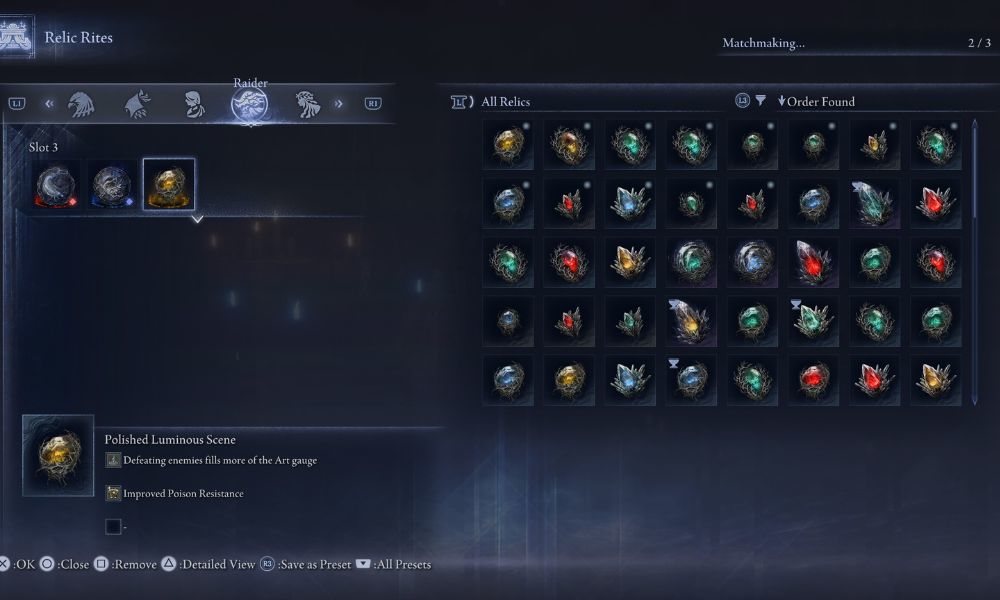
Relics serve as permanent enhancements that provide subtle advantages before battle. While levels and equipment reset after each expedition, relics remain, offering buffs such as increased strength or dexterity. Some even grant utility-based effects, like allowing players to heal allies when using a flask. Nightfarers can equip up to three relics, making them the closest thing to a custom build. Regardless of the success or failure of the run, relics serve as permanent rewards, and groups skilled enough to defeat a Nightlord will earn more powerful loot.
It’s quite possible that players do not get the loot they were looking for or maybe even a relic with a class-specific buff, prompting another run and another chance. This way, the game encourages multiple playthroughs, perhaps even pushing players to try out other Nightfarers. Elden Ring Nightreign doesn’t entirely waste your effort, but the endgame of min-maxing equipment based on their effects and attributes is in full effect.
Nightfarers assemble!
While Elden Ring Nightreign allows for solo expeditions, it was designed to be a multiplayer affair, so the challenge is significant as all enemy aggression is directed solely at the player. However, for players who welcome a challenge, this option provides a rewarding test of skill.
Fortunately, matchmaking enables players to team up with random allies, so you don’t need to rely solely on your friends’ list to play the game. Of course, you can also set up sessions with close friends through invites and passwords. Once a team is formed, the experience becomes an exhilarating rush where everyone fights for their lives because even regular enemies can end your run anytime.
Downed party members can be resurrected in a unique way – living party members should strike them! However, repeated knockouts increase the number of hits required, making survival the top priority for everyone. You could say this reviving mechanic serves as both a helping hand and a way to vent your frustration on your fallen teammate.

The game delivers countless thrilling moments, whether a desperate attempt to revive teammates while being attacked or waiting to be rescued after being knocked out. Strategic use of certain Nightfarer abilities adds another layer of depth, such as Duchess’s Invisibility Ultimate, which allows the team to reposition effectively.
One notable omission is the lack of a two-player co-op mode. Expeditions must be undertaken either solo or with a full team of three. While FromSoftware has acknowledged this limitation and may address it in a future update, it remains unavailable at launch. Additionally, Nightreign does not support crossplay, which is a huge missed opportunity. There is also a lack of in-game voice chat for coordinated gameplay, which is replaced by a basic ping system that is serviceable, but definitely lacking.
Defeating a Nightlord alone is not entirely impossible, but because of the game’s dependence on friends and randoms, along with its fundamental design, Nightreign may not appeal to everyone, especially for players who prefer avoiding multiplayer interactions or dislike starting from level one in each playthrough.
Elden Ring Nightreign is a difficult recommendation for solo players, as the game is best experienced with others. Only those who enjoy the challenge of facing Nightlords alone and embrace the roguelite mechanics of starting from level one each session will find enjoyment in solo play. However, the presence of a narrative may encourage more runs.
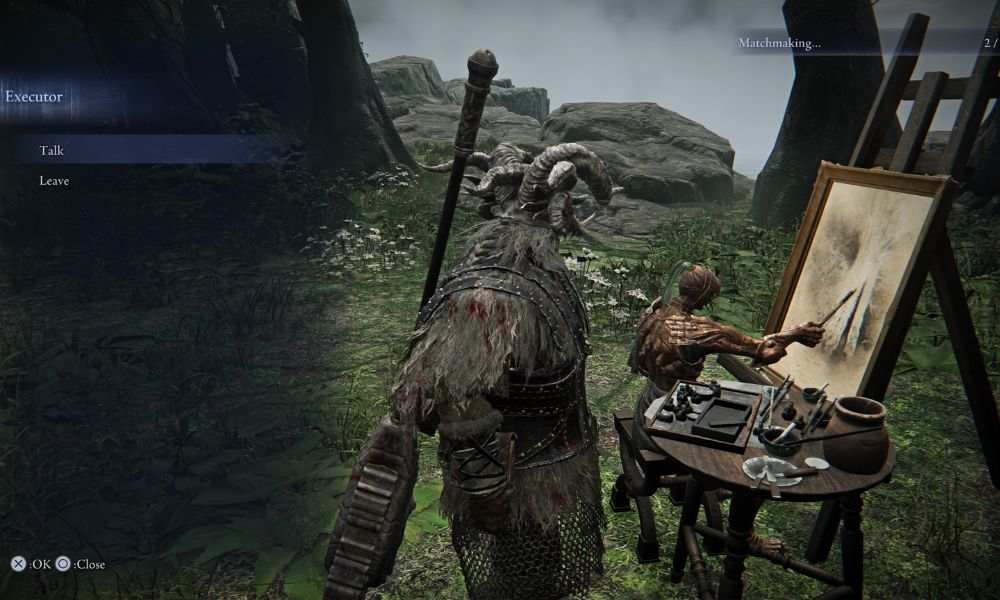
Beyond the overarching goal of defeating the Nightlords, each Nightfarer has a personal story, accessible through a journal that chronicles their journey. Players can trigger Remembrance scenarios by completing specific objectives, such as locating a particular smithing stone. This attention to character development reinforces the idea that Nightfarers are more than just class selections because they each have a unique backstory waiting to be uncovered.
Nightreign continues the high standards that Elden Ring and Shadow of the Erdtree set. Limveld is expansive yet well-balanced, featuring diverse landscapes that provide moments of awe. Character designs are equally impressive, from the Nightfarers to the Nightlords and the various enemies encountered throughout the game.
The soundtrack complements the experience perfectly. As night approaches, the music shifts to a tense, suspenseful tone that signals urgency. Grand orchestral compositions and haunting chants accompany boss battles, while each Nightlord has a theme that reflects their nature. Players will need to experience these firsthand to appreciate their impact fully. Even during quieter moments at the Roundtable Hold, the Nightfarers’ voice acting brings their personalities to life, adding depth to their interactions.

Verdict: Buy it!

Elden Ring Nightreign introduces an unexpected yet compelling multiplayer PvE experience, offering a fresh take on the series while incorporating familiar roguelite mechanics. True to FromSoftware’s reputation, Nightreign delivers challenging gameplay that rewards perseverance and strategic play. Players won’t face the trials alone this time, and playing with a full team enhances each encounter’s depth and intensity.
For those who embrace the roguelite structure and the challenge of starting anew with every session, Nightreign provides a rewarding experience. However, while solo play is possible, it is not recommended. The game thrives in a full party of three, ensuring the best balance of strategy and survival. Despite lacking some basic features like crossplay and voice chat, Nightreign successfully delivers a distinctive Elden Ring experience that will hopefully get more content in the coming months.
*Elden Ring Nightreign was reviewed on a PS5 with a review code provided by the publisher.
Elden Ring Nightreign Review
Elden Ring Nightreign introduces an unexpected yet compelling multiplayer PvE experience, offering a fresh take on the series.
PROS
- Combat has the trademark FromSoftware Touch
- Diverse cast of playable characters
- Audiovisual treat
- Effective use of roguelite elements
CONS
- No crossplay or two-player option
- Gameplay loop involving roguelite elements not for everyone
- No in-game voice chat
- Playing solo is almost not an option due to difficulty