Towa and the Guardians of the Sacred Tree is an upcoming rogulite that takes a lot of mechanics seen from other titles in the genre but also infuses its own identity into its rich storytelling and unique 2-character gameplay.
We got the chance to sit down with Producer Daisuke Nagaoka and Director Shuhei Yamashita to discuss their upcoming title and share insights about character design, emotional storytelling, and the spiritual mechanics that set this roguelike apart.
Towa and the Guardians of the Sacred Tree Interview
Designing the Eight Guardians
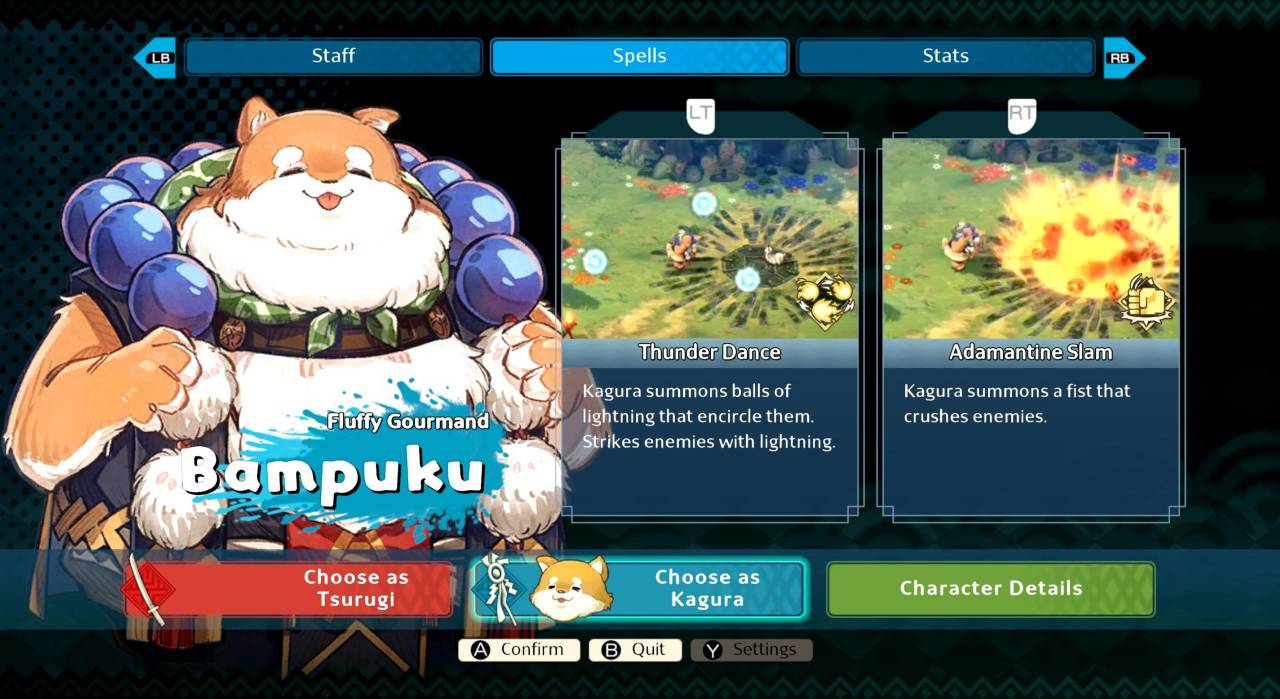
Towa and the Guardians of the Sacred Tree bucks the trend of similar titles in the genre by introducing eight distinct characters who each have their own playstyles and personalities. When asked about how the team approached designing these companions, Yamashita shared his personal favorite and emphasized that each character was crafted with distinct traits and personalities:
“Rekka is a big fan of Towa and basically they worship the ground that Towa is on. And I really like this character because they’re kind of like a samurai kind of character.”
“You might have one character that’s maybe very quiet, or one character that’s very flamboyant… we designed the character according to what we feel would fit the scene and fit this person’s design the most.”
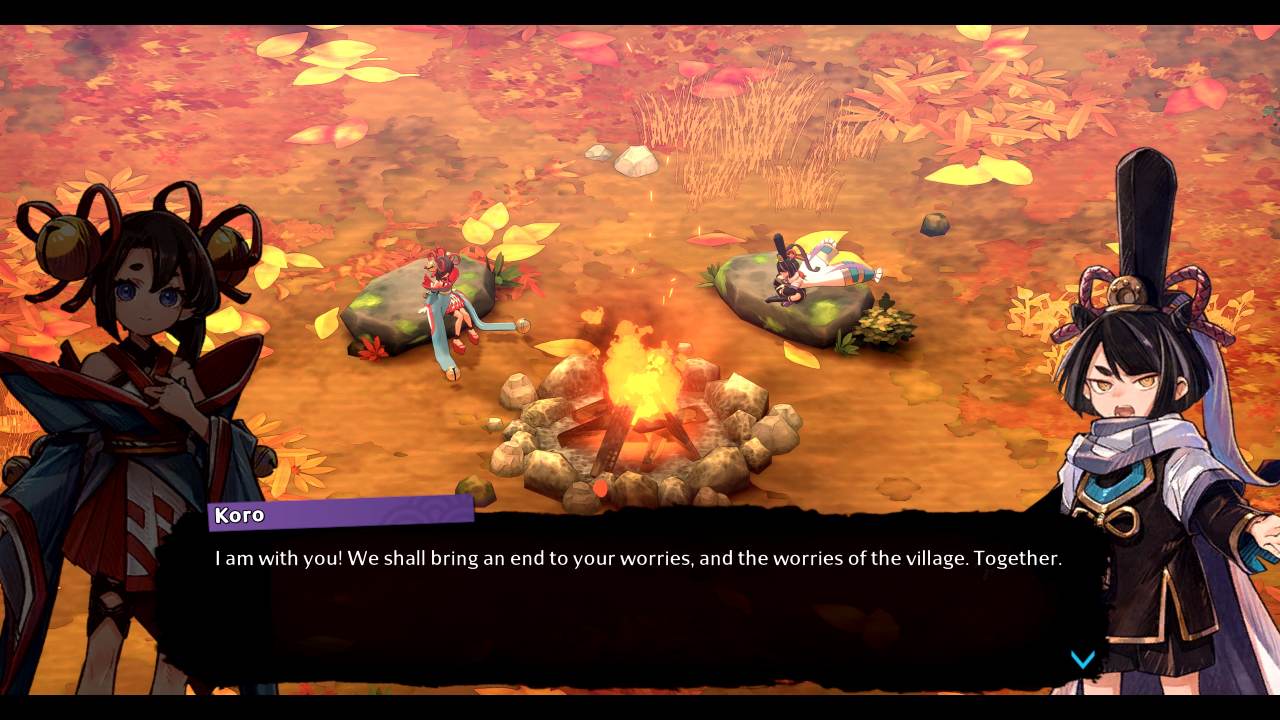
“There’s a lot of dialog in the game, so we try to show the character’s personality within these dialogs and character interactions.”
A Roguelike with JRPG Depth
Towa and the Guardians of the Sacred Tree is also quite unique in the sense that there is a ton of dialog and story content in the game, which is akin to playing a JRPG. While games in this genre often concentrate on gameplay and making builds and variations, Yamashita explains that he enjoys character interactions and tried to incorporate it in the game.
“There’s a lot of world-building just by the characters talking alone… but it’s very difficult in a roguelike game where you’re usually playing solo. So, in that case, why don’t we add an extra character so we can have the characters interact with each other.”
That said, Towa and the Guardians of the Sacred Tree offers players many emotional moments as well, and players will have to go through these moments, which is a design decision that the team has determined to move forward with early on in development.
“Right at the beginning, it was already thought that it was going to be a game about meetings and separations… Kanfaburu, which is the name of the sacrificial ceremony, was decided right at the beginning.”
Yamashita also emphasized that this theme of impermanence was central to the game’s emotional arc.
“It’s supposed to be a very important thing… an emotional piece.”
Character Combinations and Balance
Despite Towa and the Guardians of the Sacred Tree having multiple characters to choose from, the game gives the freedom of choice to the players on who they would want to play as. One way this is done is by not having combination skills between certain characters, and the developers have struck the right balance by focusing the balance on controls rather than abilities.
“There’s no such thing as a combination skill or link skill… every single character has their own traits and supporting skills. We leave it all completely up to the player’s choice.”
“Instead of focusing on their skills, it’s more on the easiness of play… some characters are easier to control, while others have more complicated movesets.”
Time Mechanics and Themes
One of Towa and the Guardians of the Sacred Tree more intriguing aspects is how time is depicted in the game. It is one of the features that Yamashita mentions that they would want the players to experience the most in the game as it is deeply tied to the story’s themes of life and death.
“Time moves differently for the party members compared to the rest of the story… even though years have passed, the characters themselves, Towa and her companions, do not grow old.”
“The entire story is based on new meetings and separation.”
“If the scenario doesn’t progress, then time doesn’t progress as well… justifying the time freezing mechanic was probably our biggest hurdle.”
Swordsmithing and Cultural Homage
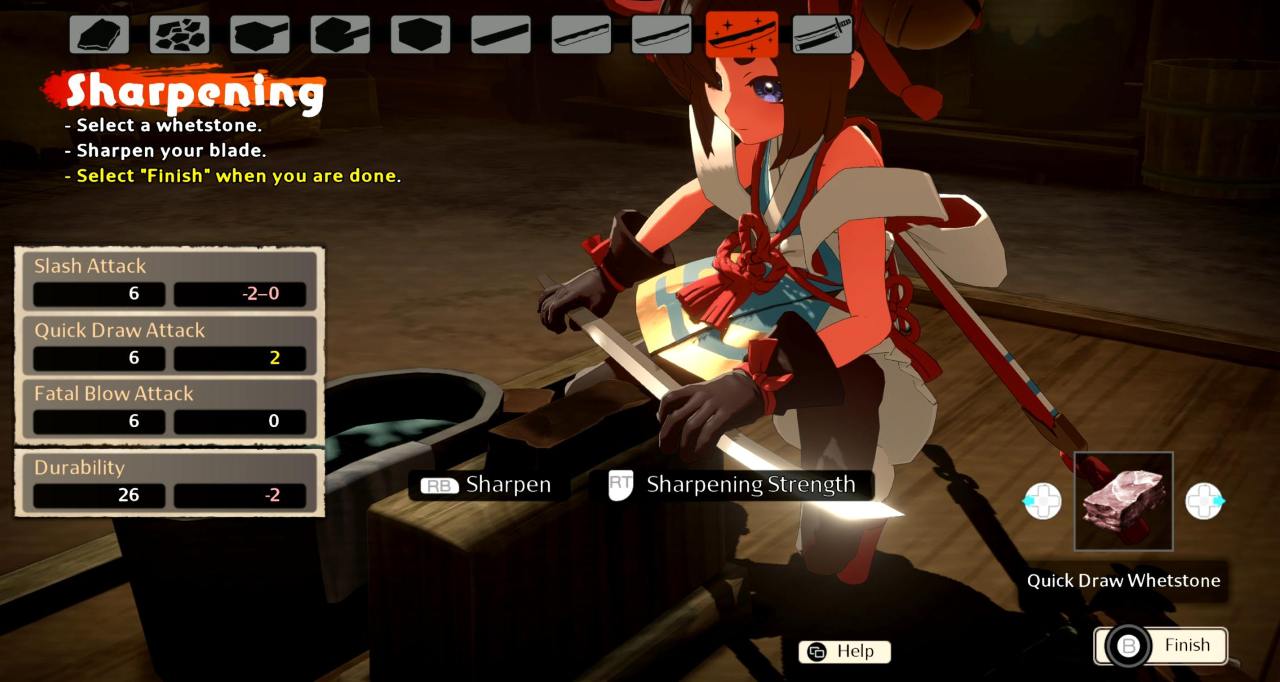
The swordsmithing minigame in Towa and the Guardians of the Sacred Tree was designed to reflect Japanese craftsmanship. In this minigame, players would not only prepare the materials needed, but they would also have to choose the end result of the blade, how it looks, and what special traits it will have.
This was something they wanted to have to reflect the culture of Japan, but also admitted that it was somewhat of a challenge to gamify since the whole process of forging may not be interesting.
“To make the game stand out more, we decided to add this swordsmithing system because the characters are also using katanas. It shows that this game was made in Japan—Katana is a very big part of the culture.”
“Creating a katana is all about heating up the metal and shaping it with a hammer… not exactly a very interesting process.”
Originally, the team planned a more intricate system, but ultimately decided against it.
“You actually have to monitor the temperature of the fire… but it became too complicated, so they simplified it.”
Post-Launch Plans
When asked about future contentfor Towa and the Guardians of the Sacred Tree, Yamashita confirmed:
“For now, there are no plans for additional content. We hope that the players will enjoy the full game to its fullest first before we think about that.”