Yakuza Kiwami 3 & Dark Ties Review
Yakuza Kiwami 3 & Dark Ties Review
Table of Contents
Originally released on the PlayStation 3 back in 2009, Yakuza Kiwami 3 & Dark Ties is the latest remake in the celebrated Like A Dragon series. The third of the “Kiwami” installments, this title brings the saga of Kazuma Kiryu into sharper focus.
The Dragon of Dojima has stepped away from the underworld, choosing instead to care for his adopted daughter, Haruka Sawamura, while running the Morning Glory Orphanage in Okinawa. But Kiryu’s peaceful retirement is short-lived. A Tojo Clan subsidiary sets its sights on the land where his orphanage stands, and to make matters worse, the sixth Chairman, Daigo Dojima, has been shot and lies in critical condition.
As conspiracies unravel and old ties resurface, Kiryu must once again don his iconic suit and confront the shadows of his past. Yakuza Kiwami 3 & Dark Ties invites players to return to the series’ roots, offering a fantastic experience marked by heartfelt storytelling and gritty drama.
The Dragon of Dojima Returns
For those unfamiliar with the game, Yakuza Kiwami 3 & Dark Ties is essentially a 2-in-1 offering, with Yakuza Kiwami 3 and Dark Ties as modes players can access separately. For newcomers, the best entry point is Yakuza Kiwami 3. Its narrative is rich and carefully constructed, and diving straight into Dark Ties risks spoiling key story beats. While veterans may appreciate the antagonist’s expanded backstory, many of the finer details will be lost without the foundation provided by Kiwami 3.
Returning to its brawler roots, Yakuza Kiwami 3 makes full use of the Dragon Engine, first introduced in Yakuza 6: The Song of Life, later refined in Judgment and Kiwami 2. This latest iteration is arguably the smoothest yet, delivering combat flow that feels more polished and responsive than ever before.
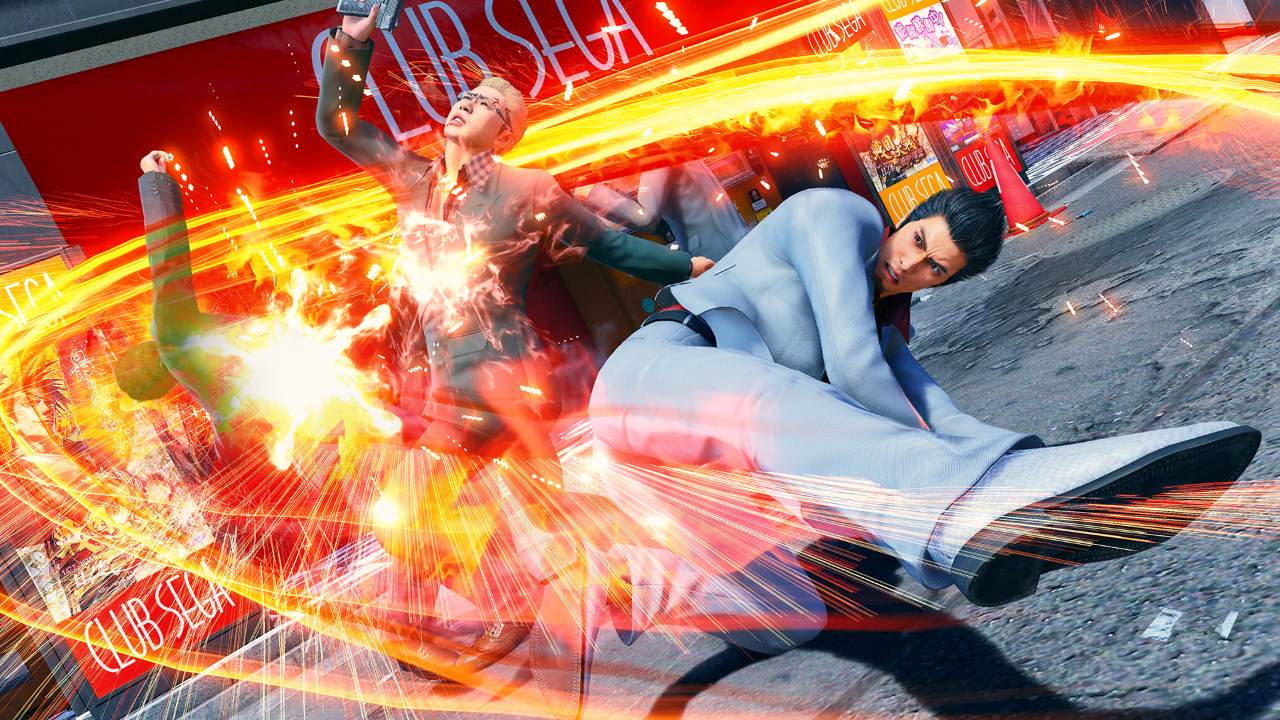
Kiryu once again wields his Dragon of Dojima fighting style, composed of Rush, Brawler, and Beast stances, with each emphasizing speed, technique, or raw power. The updated interface allows these styles to blend seamlessly, creating a free-flow combat system that rivals the fluidity of the Batman Arkham series. With Heat Actions and Dragon Mode layered in, Kiryu can dismantle waves of enemies with precision and flair.
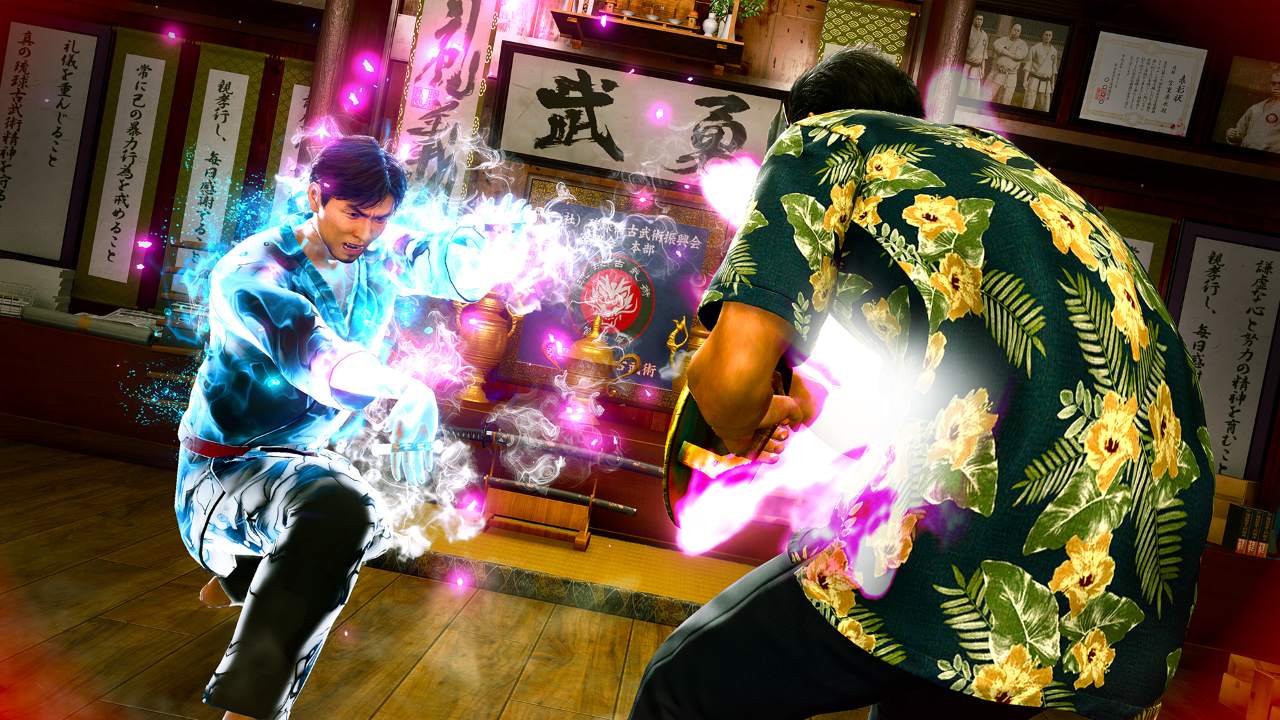
As the story shifts to Okinawa, Kiryu also learns the Ryukyu Weapon Style, a versatile addition designed to counter heavily armed opponents and break through stronger defenses. This style introduces area-of-effect techniques, giving Kiryu new tools to handle larger groups of enemies and adding depth absent from the original Yakuza 3.
Progression in Yakuza Kiwami 3 is tied to both money and experience. Kiryu can invest earnings to upgrade stats or complete training challenges to unlock new techniques. This system feels fitting for his post-yakuza life, where resources are scarce, and growth requires effort. Promotion exams further expand his arsenal, rewarding mastery with secret techniques that elevate his combat prowess.
Okinawan Daddy
Ryukyu in Yakuza Kiwami 3 & Dark Ties carries its own unique charm, reminiscent of the tropical flair seen in Like A Dragon: Infinite Wealth. The remake introduces fresh content and reworks older features from the original Yakuza 3, giving returning players a new perspective on familiar systems. Many of these changes feel thoughtful and elevate the overall experience.
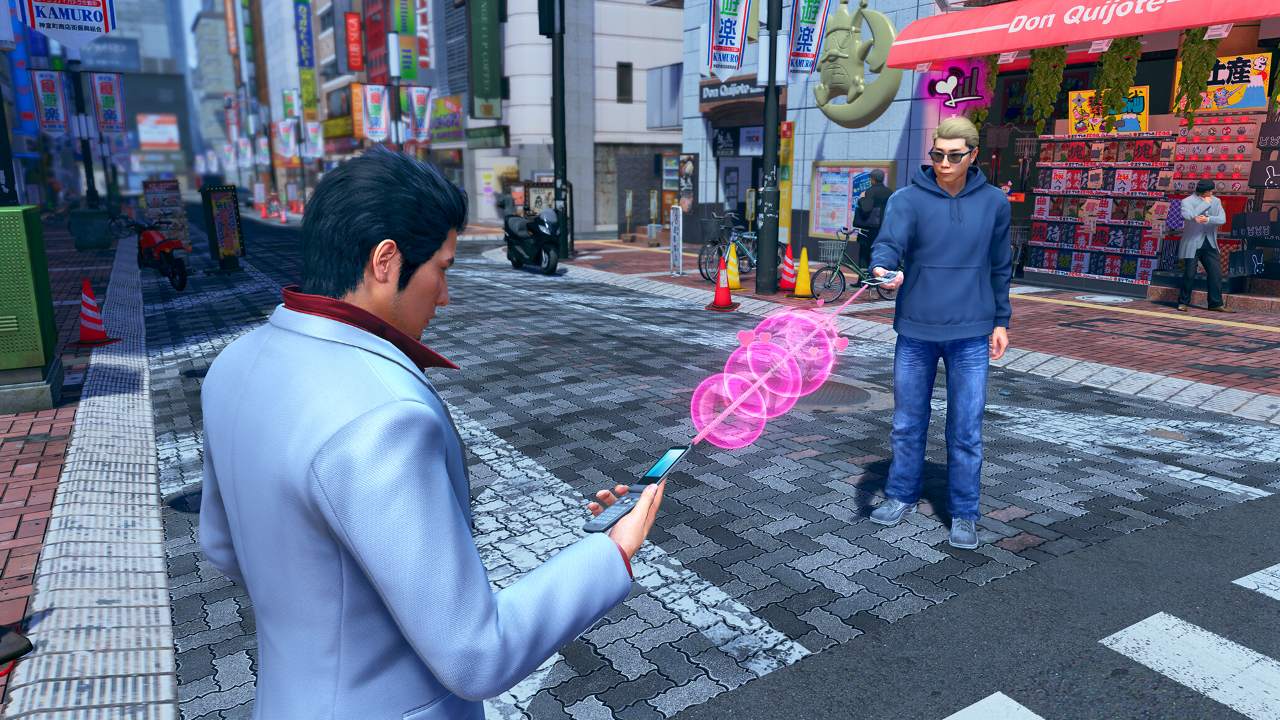
One of the most notable expansions is the cell phone system. Players can now use the LaLa Friends social app to connect with people around town. Building these “social links” allows you to deepen relationships, eventually turning acquaintances into “lovelies” who grant rewards through the LaLa boss. Tagging LaLa packages and signs also yields bonuses, making this feature surprisingly addictive as you spend hours befriending the community.
Another standout addition in Yakuza Kiwami 3 is Bad Boy Dragon, a side quest that blends the beloved Cabaret Club Management Sim with newer management mechanics from recent Like A Dragon titles.
Here, you lead an all-girl biker gang to defend Okinawa from the Tokyo Night Terrors. Recruiting members, whether by rescuing them from enemies or finding them on the street, adds humor and depth, while crossover characters like the LaLa Manager can join if you’ve progressed far enough in LaLa Friends. Each unit plays the role of an attacker, tank, or support, requiring strategic squad balancing for success.
This system feeds into Legendary Raids, large-scale battles reminiscent of the Majima Management Sim from Kiwami 2. Players command squads to secure warehouses and ultimately face powerful bosses, creating epic set pieces that serve as a refreshing break from the main story.

At the heart of Yakuza Kiwami 3, however, lies the Morning Glory Orphanage. Kiryu’s role as caretaker, especially toward his adopted daughter Haruka, reinforces the themes of family and bonds.
In the original Yakuza 3, orphanage missions often felt like something that actively interfered with the pacing of the game, but now they’ve been restructured into optional side quests, allowing players to strengthen bonds with the children through activities like homework, cooking, planting crops, and sewing. These tasks have been refined into engaging mini-games, with cooking standing out as a personal favorite.

Visually, the Dragon Engine delivers the most polished version of Yakuza 3 yet. While the PS3 original and its remaster struggled to impress, this remake enhances fidelity and atmosphere. Though minor bugs were present in the review build, a Day 1 patch could easily address them.
Some purists may resist the revisions, but many of the changes made in Yakuza Kiwami 3 feel necessary. Systems that were once dated or overly complicated have been streamlined, improving pacing and reinforcing the game’s thematic core. Returning to Yakuza Kiwami 3 years later, these improvements highlight the nuances of family and loyalty that were overshadowed in the original release.
This Villain Era of Mine
One of the most exciting additions in Yakuza Kiwami 3 & Dark Ties is the Gaiden-style adventure featuring Yoshitaka Mine. Much like The Man Who Erased His Name, this side story adds depth to Mine’s character, clarifying key plot points from the main Yakuza 3 narrative and enriching his role within the series.
For the best experience, it’s highly recommended to complete the mainline Kiwami 3 story before diving into Dark Ties. The side story contains significant spoilers, but the payoff is worth it, especially for players who had lingering questions about Mine’s backstory and motivations in the original release.
Mine being a fan favorite surprised me, as he didn’t stand out in any way. He wasn’t the most memorable antagonist compared to larger-than-life figures like Kanda or Richardson. However, Dark Ties reframes him as a sympathetic yet sinister renegade, making his rise to power far more compelling.

Combat-wise, Mine is a powerhouse. His Rush-based fighting style evokes Yagami’s fluid combat from Judgment, allowing him to weave through groups of enemies and chain combos with satisfying precision. Unlike the trope that many playable boss characters are nerfed, Mine retains his menace and is a scary and destructive tool in the right hand.
With upgrades, he becomes unstoppable, sidestepping attacks, countering with ease, and chaining blows across multiple opponents. His Dark Awakening ability further amplifies his strength after boosting his power up to three hearts, unleashing devastating damage against both mobs and heavily defended foes. His combat style perfectly matches his persona.
Mine’s progression system reflects his personality. He can upgrade stats by spending money, heal through items or restaurants, and manage resources from his office, which doubles as a hub with an inventory vault and even a Game Gear emulator featuring SEGA classics like Sonic and Tails and Columns. The interface is cleverly tailored to his identity as a calculating chairman, mirroring Kasuga’s Dragon Quest-inspired worldview in Like A Dragon.
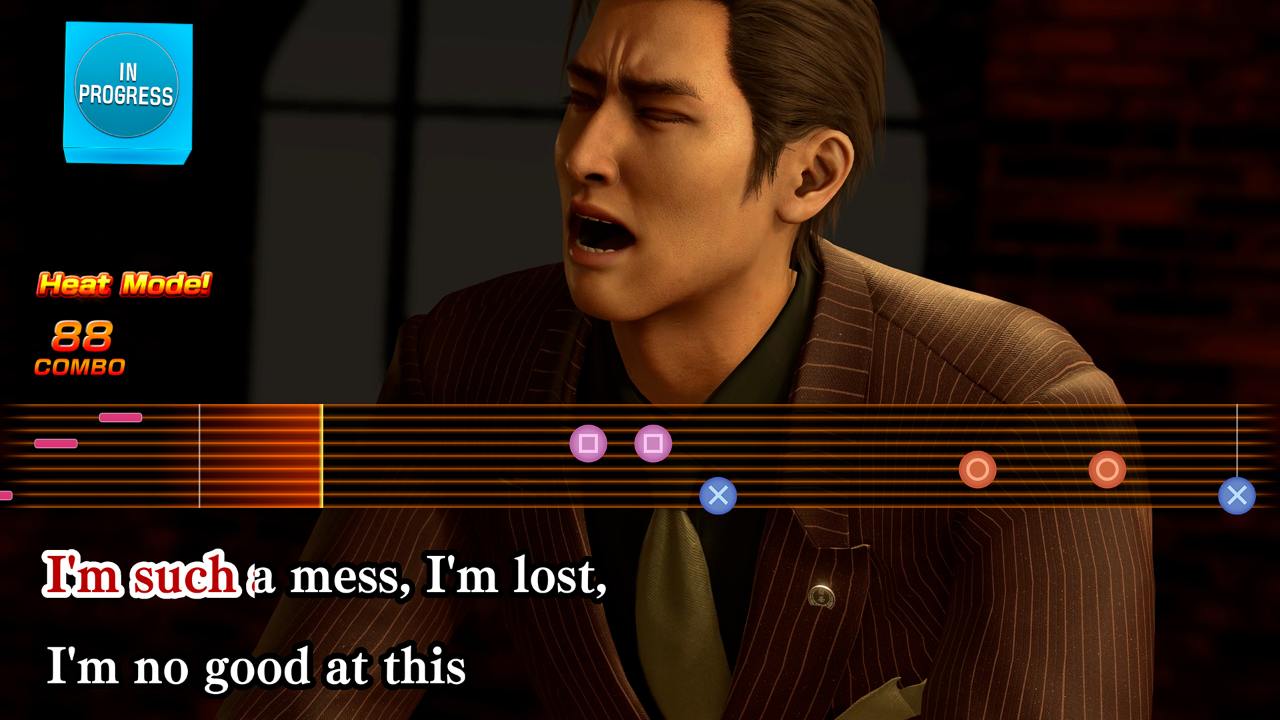
The Kanda Damage Control quests reinforce this design philosophy. Rather than stumbling into substories, players unlock them progressively, choosing tasks that align with Mine’s pragmatic nature. This structure lets you free roam Kamurocho, enjoying series staples like arcades, bowling, and karaoke, yes, even singing Dame Da Ne.

A standout diversion is the Underground Fight Club arc, where Mine participates in brutal survival matches and coliseum-style battles. Ranking up earns money and rare items, providing an addictive break between story missions and management quests.
Overall, Dark Ties is a standout addition that elevates Yakuza Kiwami 3. Exploring Mine’s perspective adds nuance to the main arc and offers a rare antagonist-driven narrative. This Gaiden-style storytelling not only strengthens the remake but also highlights the series’ willingness to experiment with fresh angles on its iconic characters.
Verdict: Buy It!

Yakuza Kiwami 3 & Dark Ties is a welcome surprise from a title that many long-time fans, myself included, once considered the weakest entry in the Like A Dragon series. Where the original often felt overshadowed by its more explosive predecessors, the Kiwami remake breathes new life into this quieter chapter, elevating it into something far more memorable.
Using the Dragon Engine greatly elevates the experience, delivering fluid combat and striking visuals. Revised minigames and side quests add depth and variety, while Dark Ties serves as both icing on the cake and cherry on top, expanding the narrative through the eyes of an antagonist who was once overlooked.
Playing through Yakuza Kiwami 3 & Dark Ties was a genuine joy, and it now feels like a worthy addition to the Kiwami brand of remakes. While it’s uncertain if Ryu Ga Gotoku Studio will revisit other entries like Yakuza 4 or Yakuza 5, the success of this remake proves that even the most understated titles can be elevated.
*Yakuza Kiwami 3 & Dark Ties was reviewed on a PS5 with a review code provided by the publisher.
Yakuza Kiwami 3 & Dark Ties
Yakuza Kiwami 3 & Dark Ties is explosive, dramatic, and essential for those wanting to dive deeper into Kiryu and Mine's character.
PROS
- The Dragon Engine shines, creating the best entry in the Kiwami intallments
- Fluid combat style that tops predecessors
- Dark Ties is a fantastic addition, exploring Mine as a character and seeing a different side to this antagonist.
- The side quests are great, especially Bad Boy Dragon, Underground Fight Club, and the Orphanage Missions, adding more depth to the game.
CONS
- Some visual bugs
- Some Yakuza 3 content from the original have been revised or removed that diehards may not appreciate