

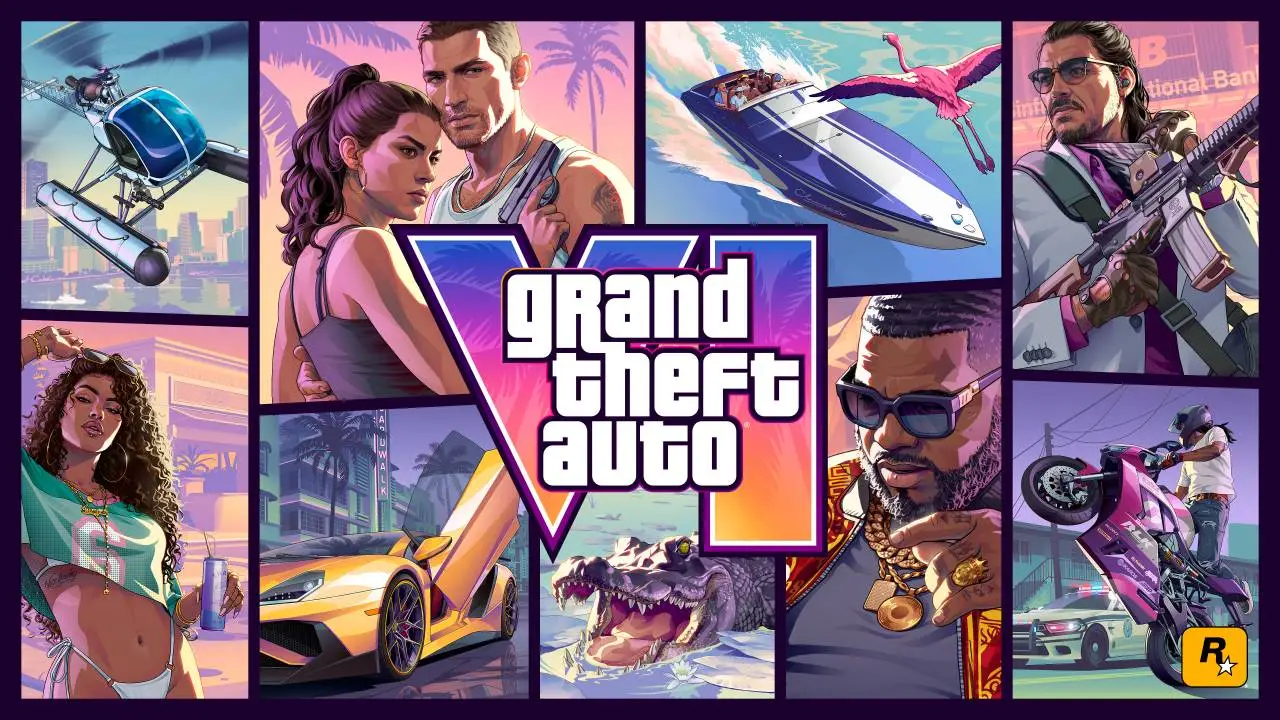
Grand Theft Auto VI Review
Table of Contents
For more than a decade, Grand Theft Auto VI carried a burden few games in history have ever faced. Its predecessor became one of the most successful entertainment products ever created, while Rockstar Games spent the years that followed refining its craft through releases like Red Dead Redemption 2, a title many still consider among the most accomplished open-world games ever made. The question surrounding Grand Theft Auto VI was never whether it would be good. The real question was whether any game could possibly live up to the unprecedented hype, scrutiny, and anticipation that had been building for over a decade.
Somehow, Grand Theft Auto VI rises to the occasion as a masterclass in open-world design and presentation. And honestly, given Rockstar’s track record, perhaps there was never much doubt to begin with.
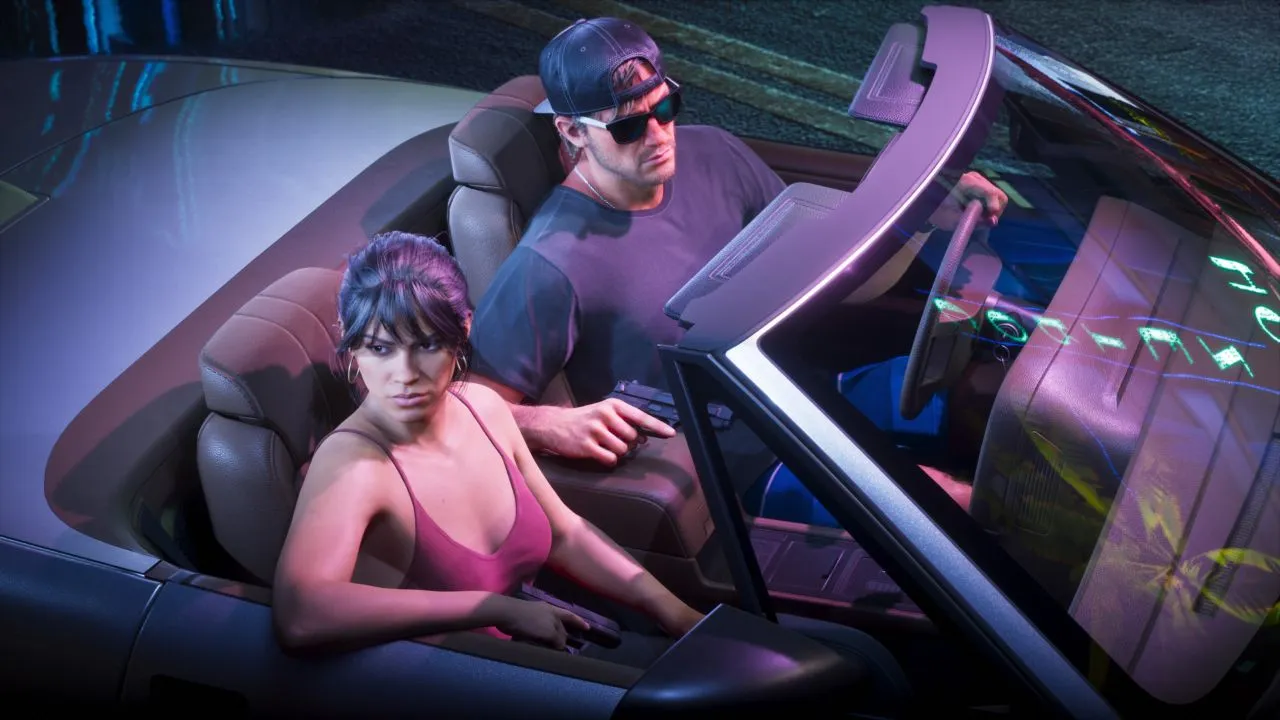
More than a larger, more ambitious successor to Grand Theft Auto V, Rockstar’s latest release feels like the culmination of everything the studio has learned over the past two decades. It combines the scale and spectacle of Grand Theft Auto with the details that made Red Dead Redemption 2 such a landmark achievement. Through the intertwined stories of Jason Duval and Lucia Caminos, players are introduced to a version of Vice City and Leonida that feels reactive, surprising, and endlessly fascinating.
Few games genuinely push an entire genre forward. Grand Theft Auto VI does exactly that, delivering one of the most ambitious and impressive open-world experiences ever created.
Two Against the World
At the center of Grand Theft Auto VI is the dynamic between Jason Duval and Lucia Caminos. Rockstar has always excelled at creating memorable protagonists backed by an emotional narrative. Built around themes of trust, ambition, survival, and the pursuit of a better future, the story establishes meaningful stakes early on and grounds its larger-than-life criminal drama in a relationship that feels remarkably relatable.
Jason and Lucia are distinct, believable characters brought to life through nuanced characterization and consistently strong performances. Jason is reserved, methodical, and often serves as the voice of reason, while Lucia’s determination and emotional honesty make her an immediate standout. Their contrasting personalities create a compelling dynamic that drives much of the narrative, further elevated by a colorful supporting cast you’ll quickly come to admire, resent, or distrust.
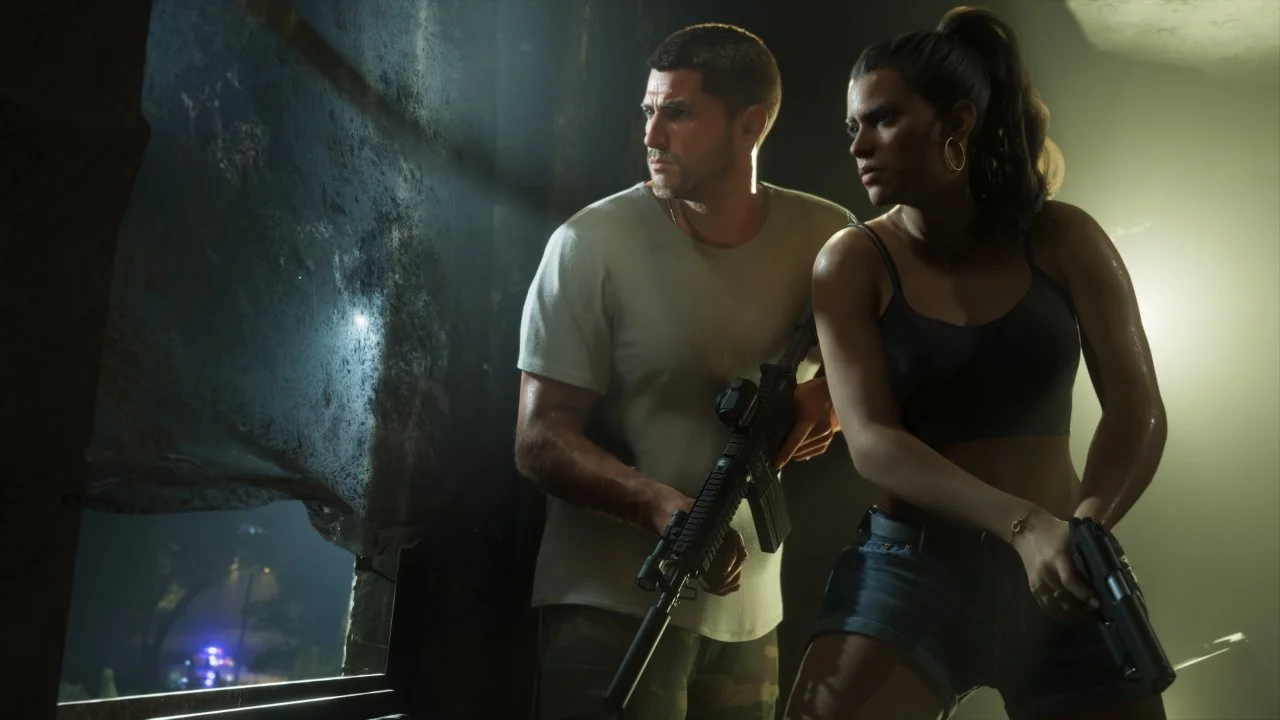
The narrative of Grand Theft Auto VI unfolds at a deliberate pace, mirroring the duo’s gradual rise through Leonida’s criminal underworld. The dual-protagonist structure gives Rockstar ample room to explore both their individual struggles and shared ambitions, with character-specific missions offering unique perspectives while larger operations fully leverage their partnership. Robberies, heists, and high-stakes criminal ventures feel more meaningful because they emerge naturally from the partnership at the center of the story.
Rockstar succeeds in making that relationship feel meaningful apart from cutscenes and dialogue. Story progression, mission design, and character interactions all reinforce the idea that Jason and Lucia’s success depends on one another, creating a stronger connection between narrative and gameplay than previous entries in the series.
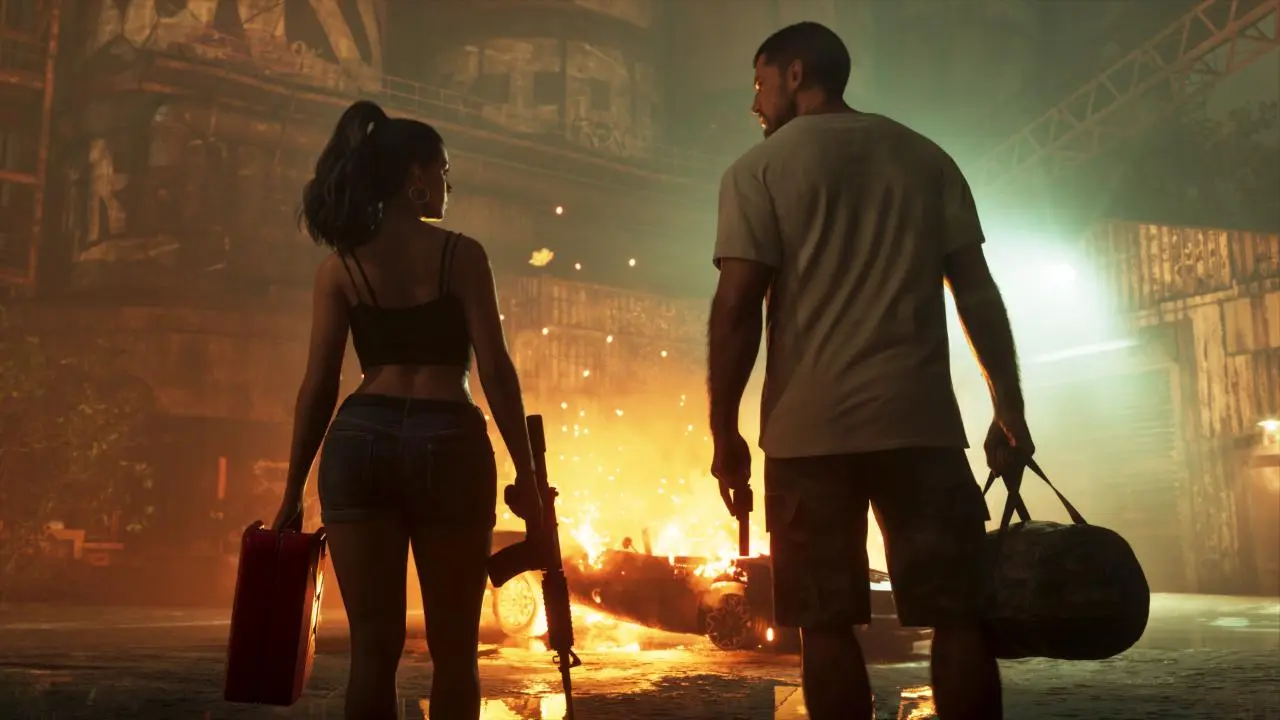
Grand Theft Auto VI delivers a gripping single-player campaign that combines high-octane action, memorable character moments, and unexpected twists. While some of its influences are easy to spot, Rockstar confidently incorporates them into a narrative with its own identity. The story features outrageous spectacle with genuine tension, maintaining momentum through its many highs and lows while never losing sight of the characters at its core.
Some of Rockstar’s longstanding design habits remain intact, with certain missions requiring players to wait for the next call or trigger before progressing the story. While these moments can occasionally slow the pacing, they also provide opportunities to explore Leonida and experience the many systems that make its world feel alive. Fortunately, any minor frustrations are quickly overshadowed by strong characterization, excellent performances, and consistently engaging storytelling.
By the time the credits roll after more than 60 hours, and considerably longer for completionists, Grand Theft Auto VI has delivered an engrossing crime saga packed with memorable set pieces, emotional weight, and a cast of characters that linger long after the final mission.
The Ultimate Criminal Sandbox
Grand Theft Auto VI wastes little time demonstrating how much Rockstar has evolved the series’ gameplay formula. From the opening hours, it establishes a criminal sandbox that feels deeper, more reactive, and more immersive than anything the franchise has attempted before.
Combat remains cinematic and explosive, but it is now supported by systems that place greater emphasis on choice and consequence. Throughout the campaign, the game tracks how Jason and Lucia approach criminal encounters, shaping their reputations accordingly. Players who leave a trail of bodies in their wake develop a more ruthless image, while those who favor restraint and non-lethal methods cultivate a reputation as calculated professionals.
More significantly, Rockstar has transformed criminal activity in Grand Theft Auto VI from a simple source of income into a layered ecosystem. Nearly every criminal activity evolves throughout the campaign, introducing new layers of planning, execution, and risk as players progress. Vehicle theft, for instance, is no longer as straightforward as breaking a window and driving away. As Jason and Lucia expand their network of contacts, they gain access to specialized tools that enable quieter and more efficient thefts. Higher-end vehicles often come equipped with tracking systems and other security measures, forcing players to think more deeply about how to execute the getaway.
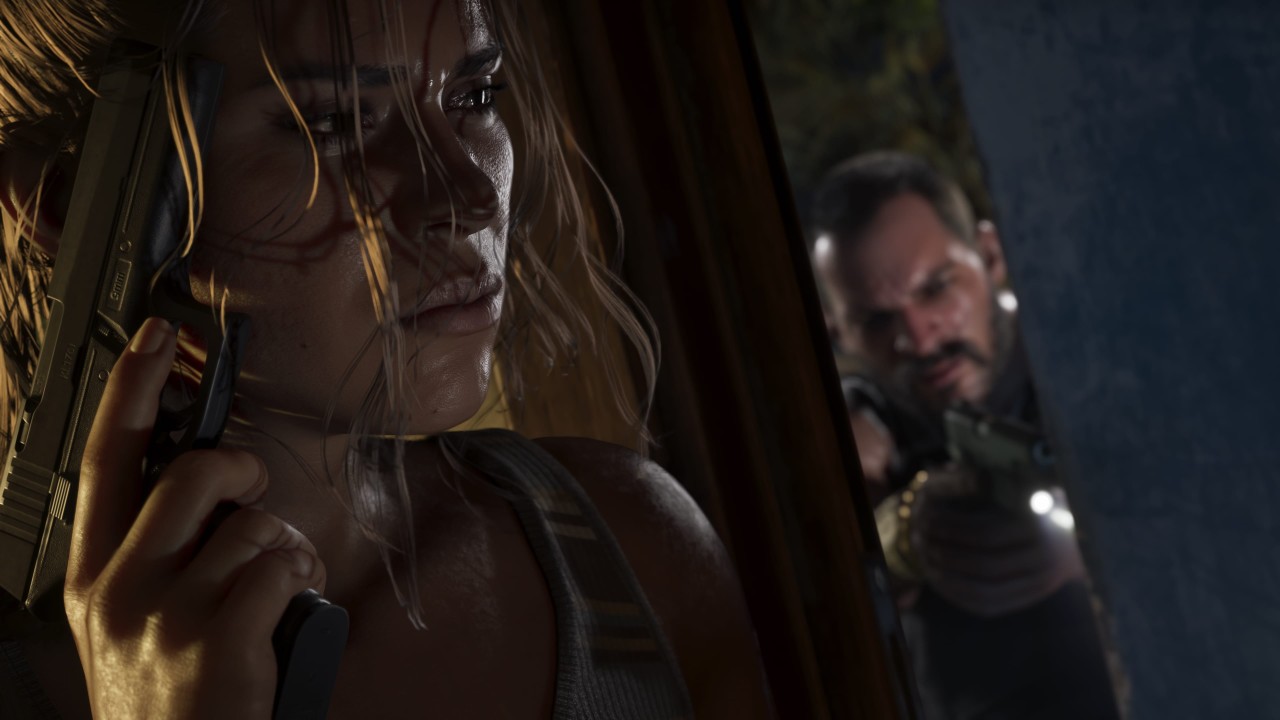
That same philosophy extends to robberies, burglaries, and large-scale heists. While small convenience stores and pawn shops can still be robbed on impulse, larger targets demand a more deliberate approach. Players can scout locations, identify alternative entry points, disable security systems, eliminate CCTV evidence, locate safe combinations, and plan escape routes before ever committing to the job.
The game rarely forces a single solution. A safe, for example, can be opened through intimidation and coaxing information from the bank staff, by carefully investigating notes around the area, or by taking a far more direct and destructive approach such as planting an explosive. All approaches will eventually result in an emptied safe, but escaping the alerted authorities will be considerably easier with a smarter plan.
As new tools become available in Grand Theft Auto VI, previously inaccessible opportunities begin to open up. Security measures that once posed a significant obstacle, such as locked doors that trigger alarm systems, become manageable, while new equipment expands the range of viable strategies. Rather than merely making players more powerful, these upgrades expand the range of viable approaches, rewarding experimentation and mastery of the game’s interconnected systems.
The dual-protagonist structure of Grand Theft Auto VI elevates these systems even further. Many robberies and heists encourage players to divide responsibilities between Jason and Lucia, whether that means assigning one character to manage crowds while the other secures valuables, coordinating escape plans, or maximizing their haul during larger jobs (for example, letting one character transfer stolen goods to the other to maximize the payout). As a result, criminal activities feel less like scripted missions and more like ones that can evolve based on player decisions.
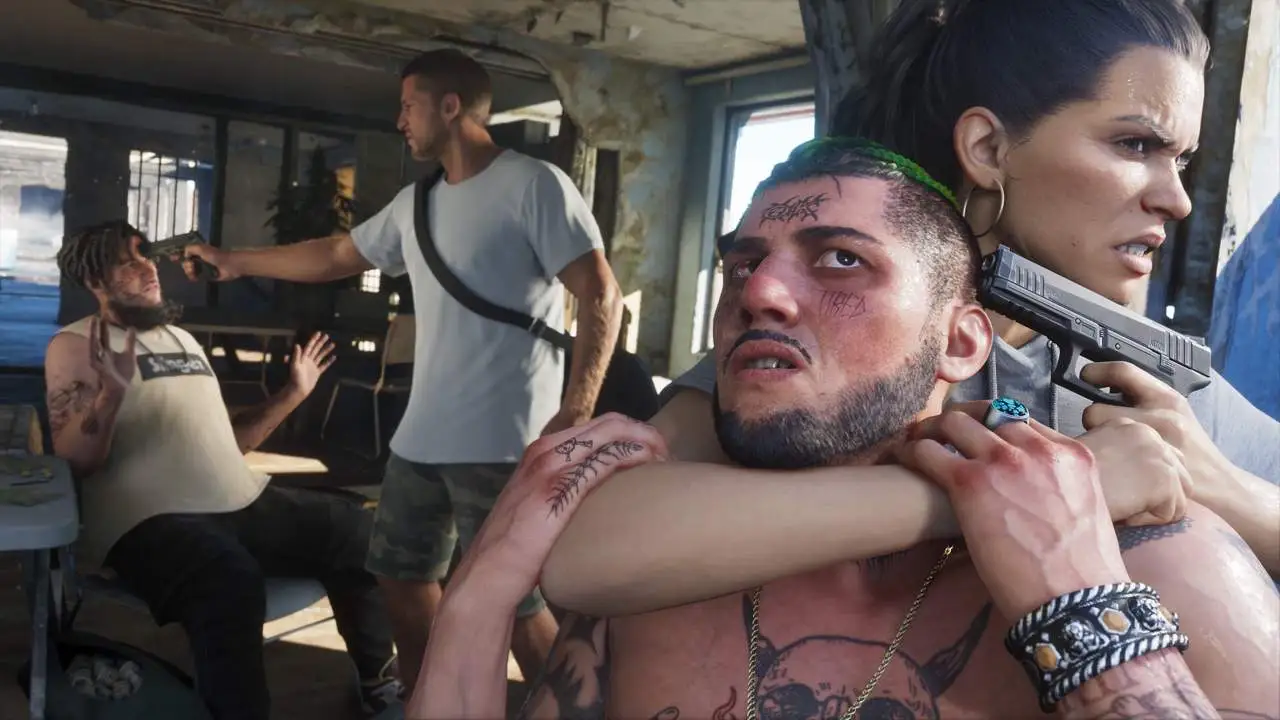
Police encounters in Grand Theft Auto VI have likewise received a substantial upgrade. Law enforcement is more reactive, persistent, and intelligent, turning even routine crimes into tense encounters. Witnesses can report suspicious activity, triggering investigations that spread through the area, while police descriptions are informed by what bystanders actually observe.
Appearance now plays a meaningful role in evading law enforcement. Changing outfits, altering hairstyles, concealing distinguishing features, or abandoning compromised vehicles can all help disrupt an active manhunt, transforming cosmetic customization into a practical gameplay mechanic. As heat levels escalate, police responses become increasingly coordinated, deploying roadblocks, aerial surveillance, and large-scale search operations that make prolonged escapes far more challenging than in previous entries.
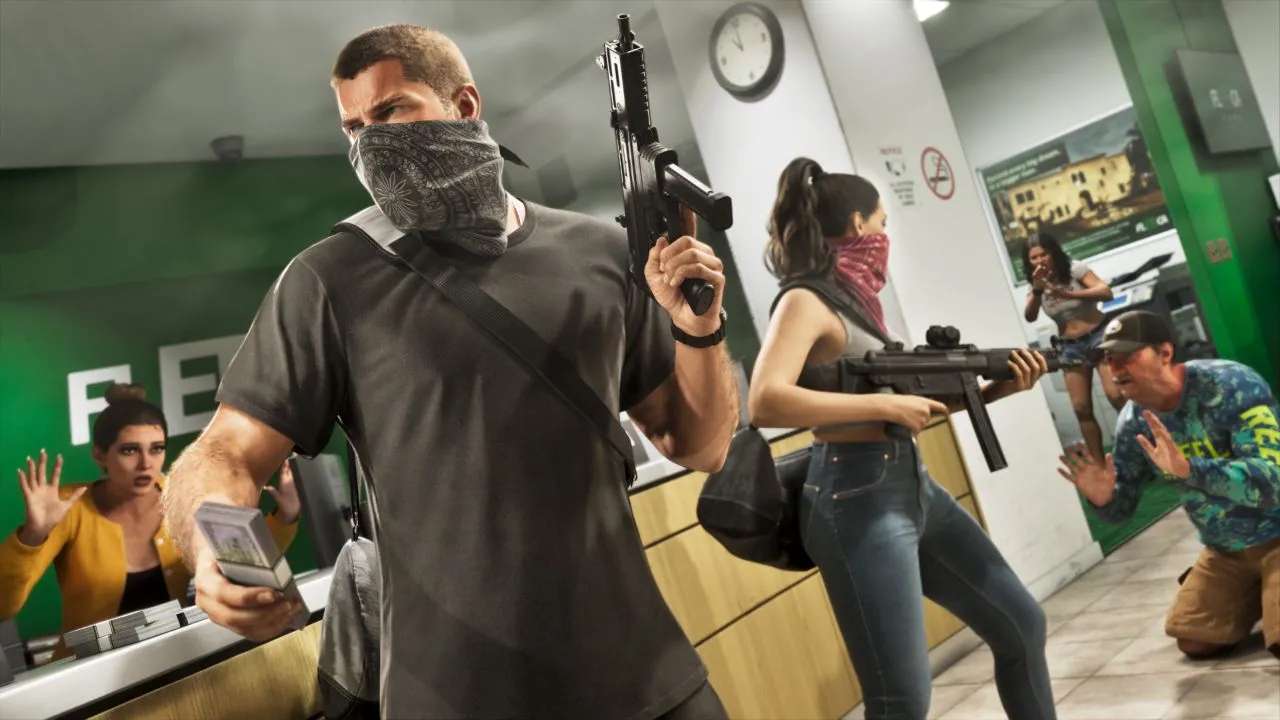
Virtually every system contributes to the fantasy of living in Leonida. Exercise and lifestyle choices can influence a character’s physical condition, while clothing and appearance options provide meaningful customization and can even affect certain interactions with the world. Rockstar carefully balances these simulation-inspired mechanics with accessibility, ensuring they deepen immersion without becoming tedious or unnecessarily slowing the experience down.
Of course, even the most sophisticated criminal systems would mean little without a world capable of supporting them. Fortunately, Grand Theft Auto VI‘s Leonida proves just as impressive as the mechanics that drive it, providing context, consequence, and purpose to every activity players engage in.
Leonida Steals the Show
If combat and crime form the backbone of Grand Theft Auto VI, then Leonida is undeniably the beating heart that supports all of its systems. Rockstar has delivered memorable open worlds before, but this is the studio’s most ambitious and convincing achievement yet. Leonida feels like a massive, fully realized state, complete with distinct cultures, vibrant communities, diverse ecosystems, and a constant sense of discovery that elevates it beyond a mere open-world playground.
While Vice City serves as the centerpiece of Grand Theft Auto VI, it represents only a fraction of what Leonida has to offer. Look past its iconic skyline, and you’ll find a remarkably diverse landscape of beachfront towns, affluent suburbs, industrial districts, rural backroads, dense swamplands, and more. Each region possesses a distinct identity, shaped not only by its visual design but also by the people, businesses, wildlife, and events that inhabit it.
What stands out most is how naturally these locations differentiate themselves from one another. Vice Beach exudes a laid-back coastal atmosphere, while some communities project wealth and exclusivity. Elsewhere, districts like Crosstown feel markedly rougher and more grounded. These differences extend to NPC behavior, ambient conversations, local activities, and dynamic events, all tailored to their surroundings. Even the wildlife differs by region.
Leonida’s wilderness is just as captivating. The Everglades are teeming with wildlife, while remote corners of the map conceal hidden encounters, eccentric personalities, and the sort of bizarre discoveries Rockstar has become known for. Further out, diving expeditions can uncover treasure, collectibles, and unexpected dangers lurking beneath the surface. Even after dozens of hours of exploration, the world keeps revealing new surprises in places you might otherwise overlook.
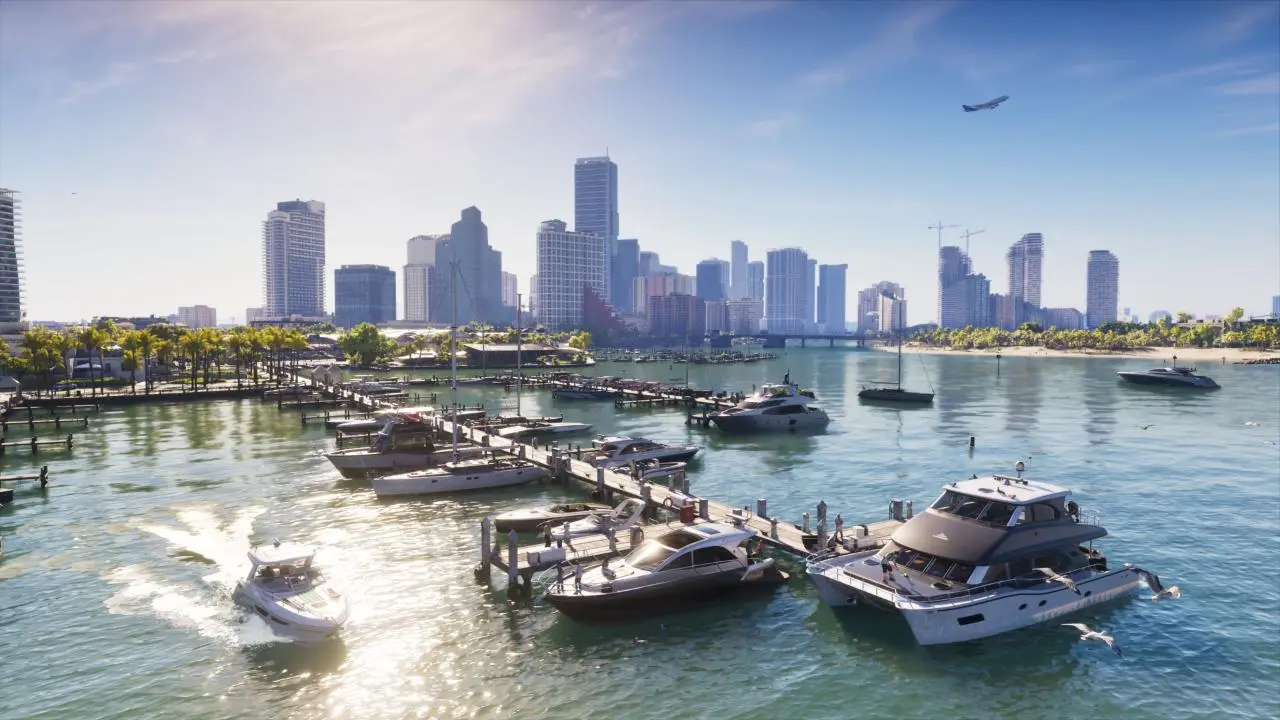
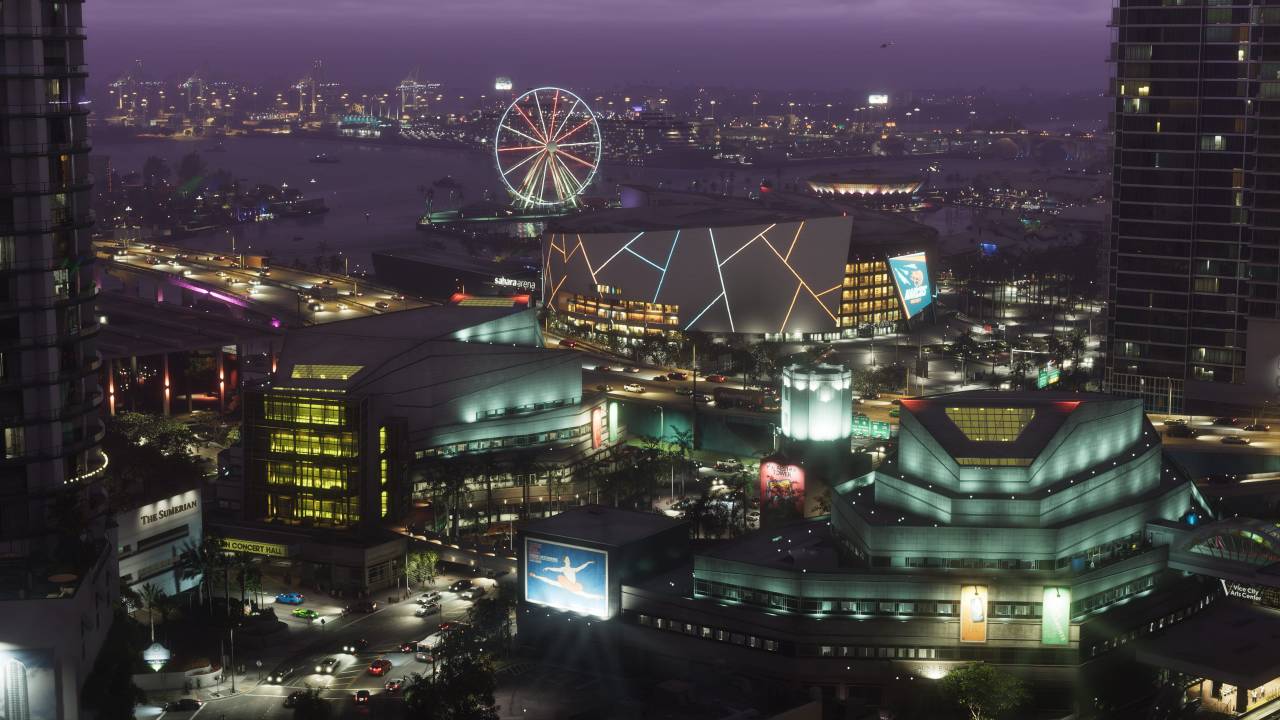
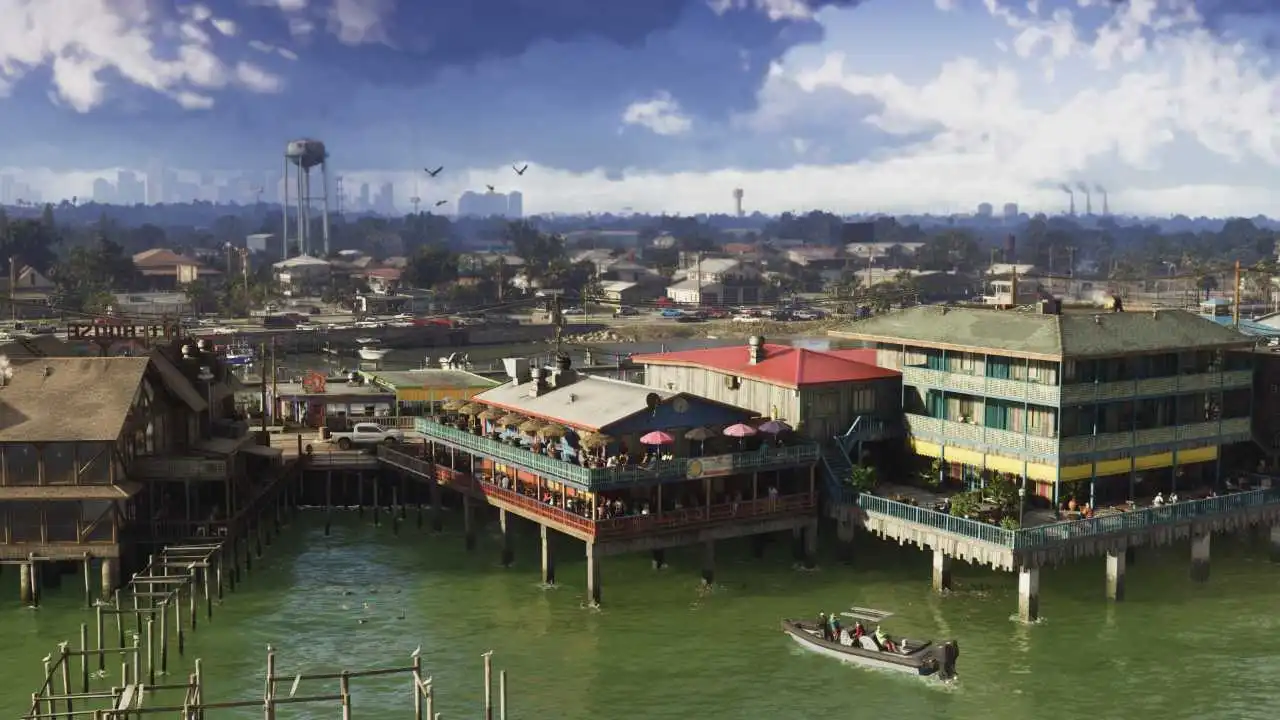
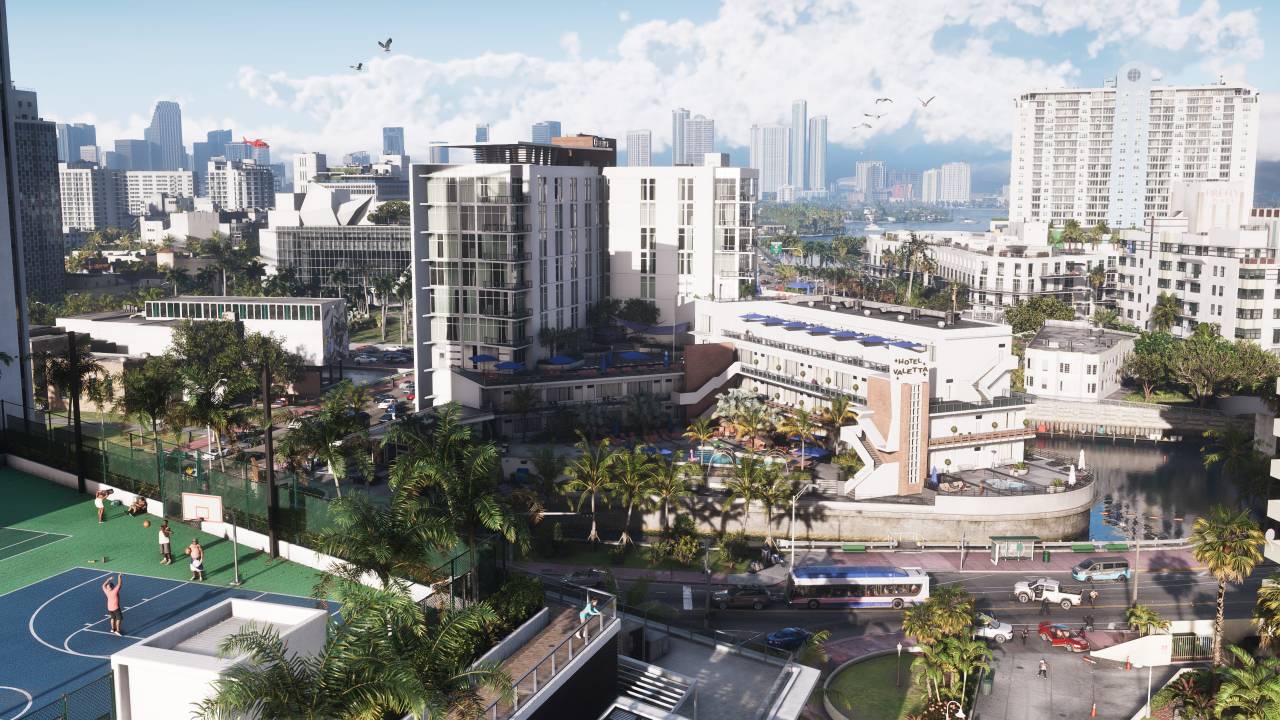
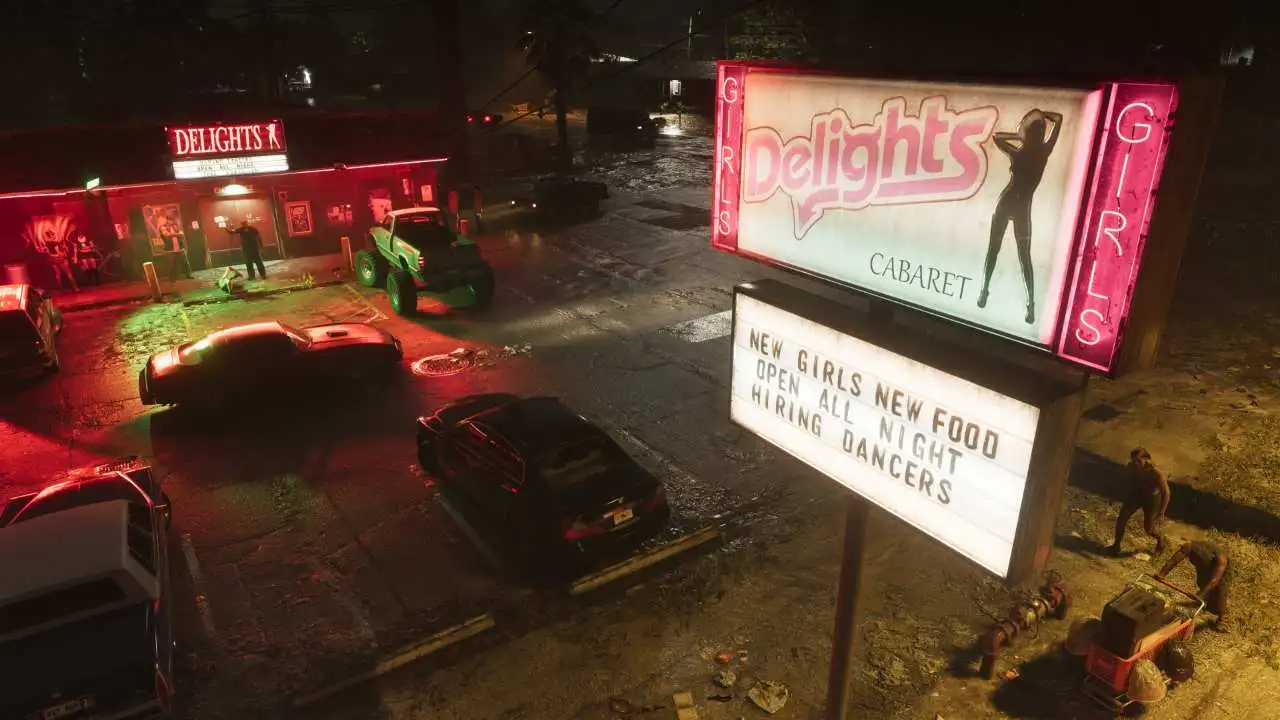
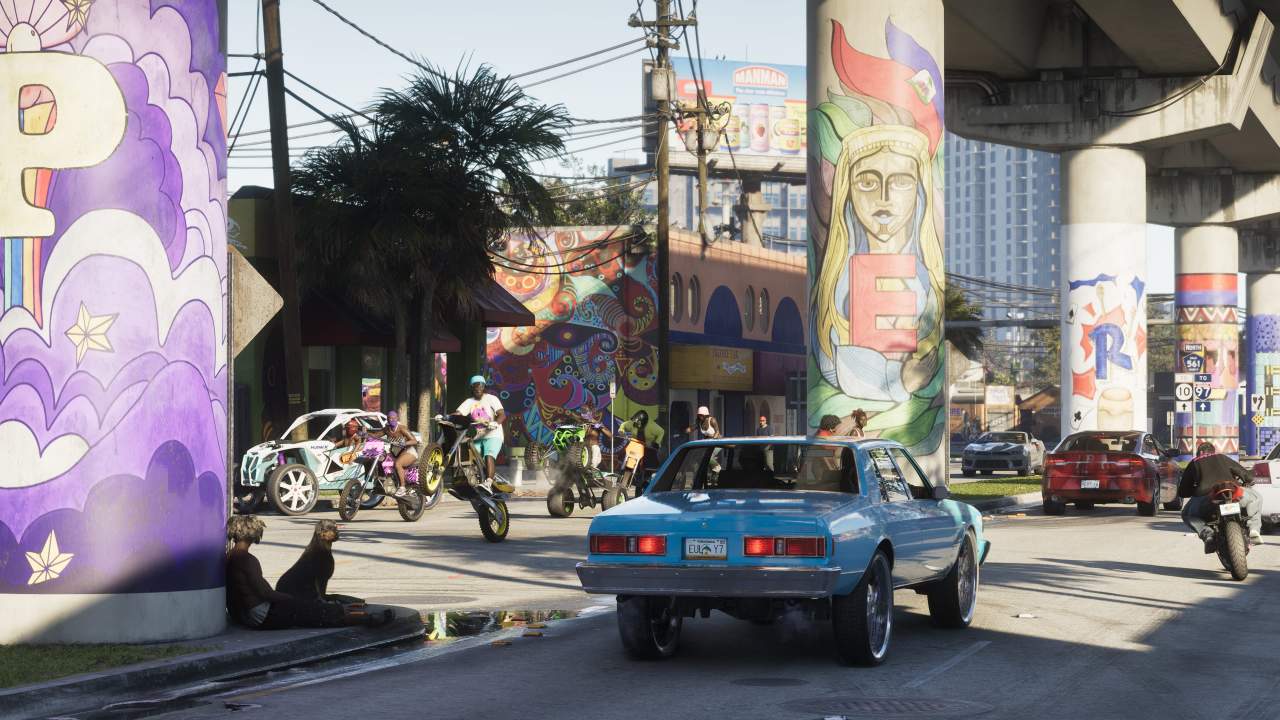
Leonida also succeeds in how consistently it rewards player curiosity. A routine drive to a mission objective can quickly spiral into an entirely different adventure. A weathered poster at a gas station may point toward a new activity, a message from a contact can lead to buried valuables, and an unassuming structure on the outskirts of town may conceal a lucrative opportunity. These discoveries emerge organically, encouraging players to follow their instincts rather than simply ticking off map markers from a checklist.
Rockstar deserves particular credit for how it introduces players to such a sprawling world. Rather than overwhelming them with an endless stream of activities and systems from the outset, Grand Theft Auto VI gradually expands its scope over time. New locations, businesses, criminal opportunities, and side activities open up at a measured pace, creating a steady flow of discovery that remains satisfying long after the opening hours.
A New Gold Standard for Open-World Presentation
If there is one area where Grand Theft Auto VI immediately distinguishes itself as a generational leap, it is in its presentation. Rockstar’s latest achievement is nothing short of extraordinary, showcasing a level of visual fidelity and technical artistry rarely seen in the medium. Character models are remarkably lifelike, facial animations capture subtle expressions with impressive nuance, and the lighting system consistently delivers breathtaking vistas. Dynamic weather, realistic water rendering, dense environmental detail, and sophisticated crowd simulation come together to create a world that frequently borders on photorealism.
Perhaps most impressively, Rockstar delivers on promises made during the game’s lengthy marketing cycle. Grand Theft Auto VI looks every bit as stunning in motion as it does in trailers and promotional materials.
The sheer density of Leonida further reinforces this accomplishment. Tourist hotspots, nightlife districts, beaches, sporting venues, and public events all feel appropriately populated, creating an atmosphere that feels consistently alive and believable. Pedestrians engage in conversations, react naturally to unfolding events, and go about their daily routines in ways that help the world feel real.

Weather and environmental effects also play an equally important role in shaping the experience. Apart from a day and night cycle, changes in weather such as powerful storms can dramatically alter visibility and mood, sunsets will offer relaxing golden hues, while Vice City’s vibrant nightlife showcases some of the most visually striking moments in the game.
Vehicle presentation deserves special recognition. Every car, motorcycle, boat, and aircraft offers an impressive level of detail, both externally and within their interiors. Damage modeling is convincing, vehicle wear accumulates, and there are numerous interactive touches, even something as small as popping the hood or trunk of your car, along with triggering signal lights. It is another example of Rockstar’s meticulous approach to world-building.

Technical performance is likewise an achievement, given the scope of Grand Theft Auto VI‘s systems. On a base PlayStation 5, Grand Theft Auto VI maintains a stable 30 frames per second while remaining responsive during firefights, high-speed pursuits, and crowded urban sequences. While a 40fps mode for PS5 Pro users or a full 60fps option would certainly have been welcome, the locked 30fps target feels like a deliberate compromise in favor of the density of Leonida, the complexity of its simulation systems, and the sheer visual ambition on display.
Controls retain the weight and physicality Rockstar’s games are known for without sacrificing responsiveness. Vehicles across every category feel familiar, and Rockstar’s trademark attention to detail allows players to interact with vehicles in numerous ways, from operating convertible roofs and trunks to managing lights and other functions. Grand Theft Auto VI also offers a wealth of quality-of-life options, including adjustments to movement speeds, interaction behaviors, and various gameplay systems. allowing players to fine-tune their experience.
DualSense implementation, while solid, is perhaps the one area that feels somewhat underutilized. Adaptive triggers are used extensively across driving, combat, and weapon handling, adding a welcome layer of tactile feedback. However, the haptic feedback itself is less memorable than expected, lacking some of the nuance seen in the platform’s best showcases. The built-in microphone also communicates police chatter, among other things, and the way it is implemented is quite fantastic.

Audio design is every bit as impressive as the visual presentation. Jason and Lucia anchor the narrative with believable performances and natural chemistry, while the supporting cast consistently delivers memorable portrayals that help sell the authenticity of the world. Environmental audio adds another layer of immersion, from the distant sounds of wildlife echoing through the Everglades to the constant buzz of traffic, nightlife, and everyday activity throughout Vice City.
The soundtrack of Grand Theft Auto VI further elevates the experience, with 22 radio stations offering an eclectic mix of genres ranging from rock, metal, country, and blues to pop and Afro-inspired music. Complementing the licensed tracks is an exceptional original score that seamlessly enhances both the game’s biggest cinematic moments and its quieter, more introspective scenes.
Verdict: Buy it!

What we liked:
- Exceptional dual-protagonist story led by Jason and Lucia
- Leonida is one of the most detailed and rewarding open worlds ever created
- Outstanding visual presentation, audio design, and environmental detail
- Meaningful progression and exploration that constantly reinforce one another
- Stable and perfectly playable, even at 30 FPS.
What we didn't like:
- No 40 or 60 FPS option.
- Retains some clunky controls and mechanics, like unintuitive weapon management, from past Rockstar titles
- DualSense features feel underutilized
Grand Theft Auto VI represents the culmination of decades of expertise, delivering a masterclass in storytelling, world-building, and player freedom that sets a new gold standard for open-world experiences.
Rockstar Games has created a world that feels richer, more dynamic, and more rewarding to explore than anything the studio has produced before. Every system, from police pursuits to exploration and progression, contributes to a larger vision that rarely loses sight of the player experience. The few shortcomings that do exist, including occasional pacing issues and some predictable story developments, do little to diminish the overall accomplishment. Grand Theft Auto VI is a game of extraordinary ambition, but more importantly, it is one that consistently delivers.
Few games have ever attempted to balance blockbuster spectacle, systemic depth, and emotional storytelling on this scale. Against overwhelming expectations, Grand Theft Auto VI succeeds not only as a sequel to one of the most influential games ever made, but as a landmark achievement in its own right. A masterpiece in every meaningful sense of the word, Grand Theft Auto VI is Rockstar Games operating at the absolute peak of its creative powers, and confidently earning its place among the greatest games of its generation.
*Grand Theft Auto VI was reviewed on a PS5 with a review code provided by the publisher.
