

Crazy Taxi: World Tour Wants to Make the World Smile Again
For many fans, Crazy Taxi represents an experience defined by breakneck speeds, rebellious energy, unforgettable punk rock tracks, and the simple joy of causing chaos behind the wheel.
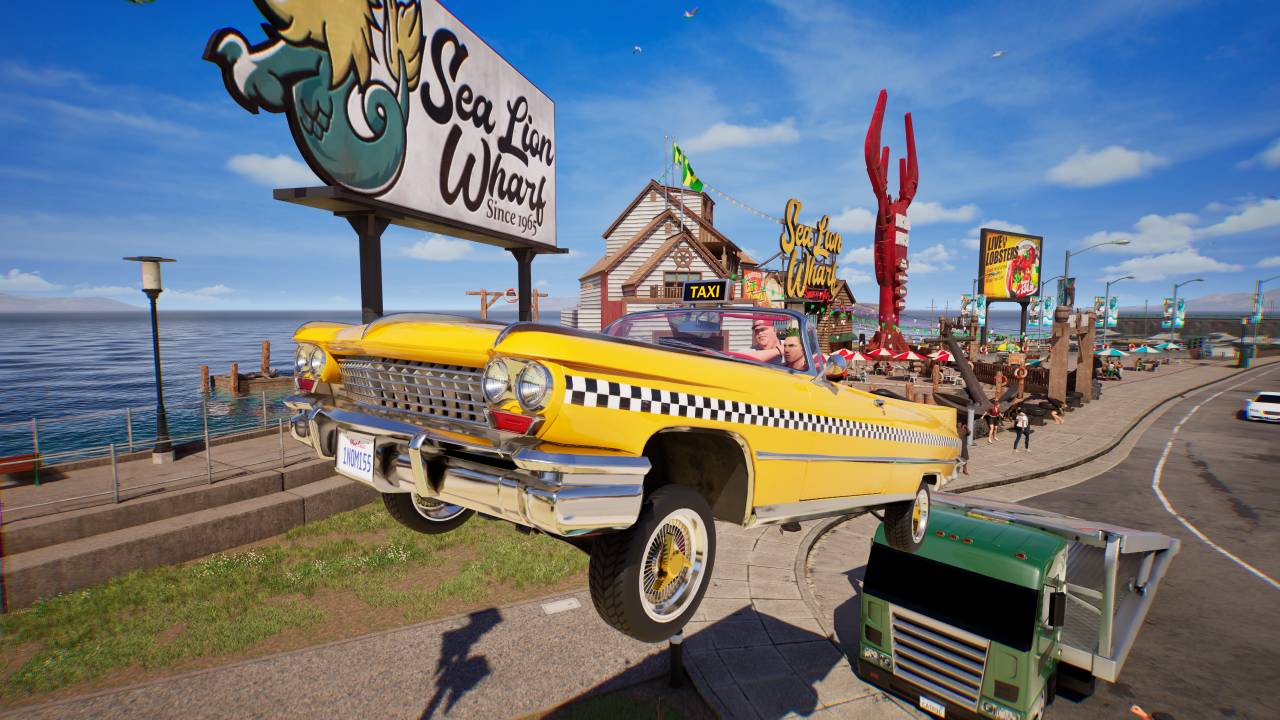
Nearly three decades after the original arcade classic launched, SEGA is preparing to bring the franchise back with Crazy Taxi: World Tour, an ambitious reboot that aims to preserve everything players loved while expanding the series in ways that were previously impossible.
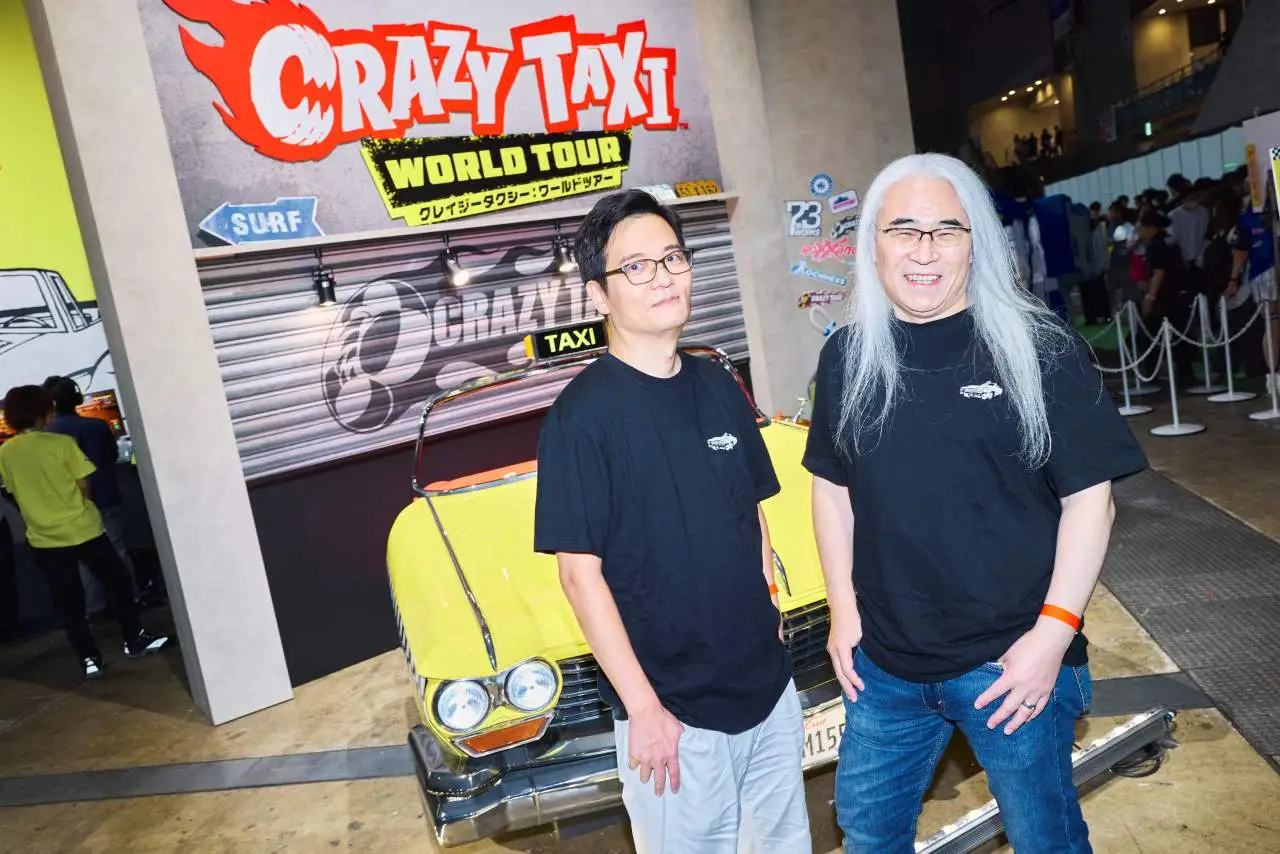
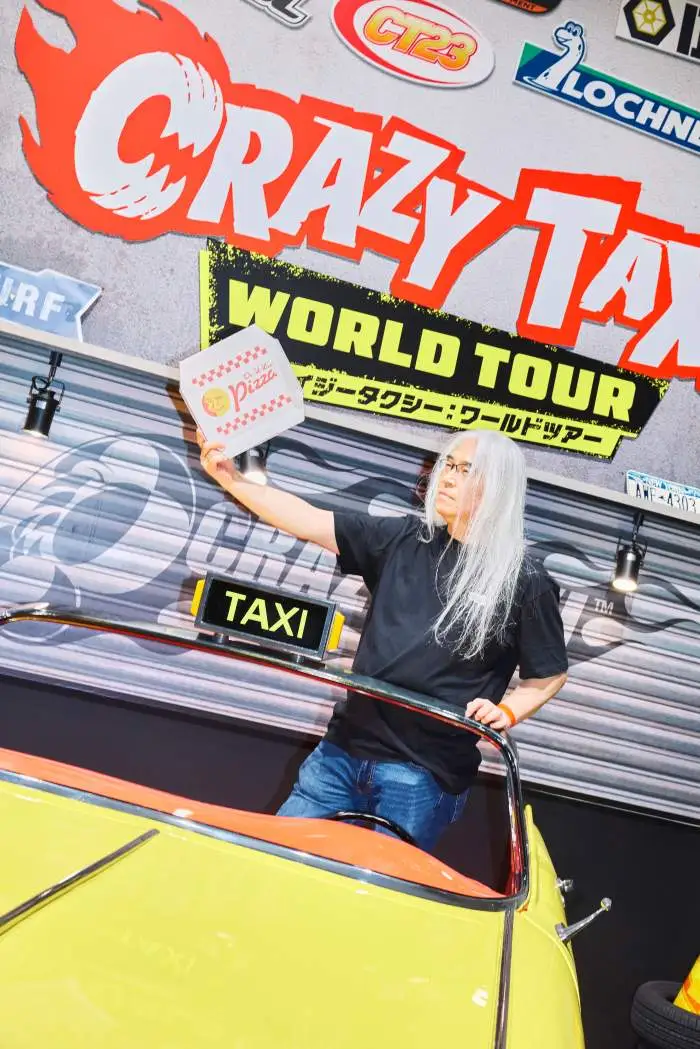
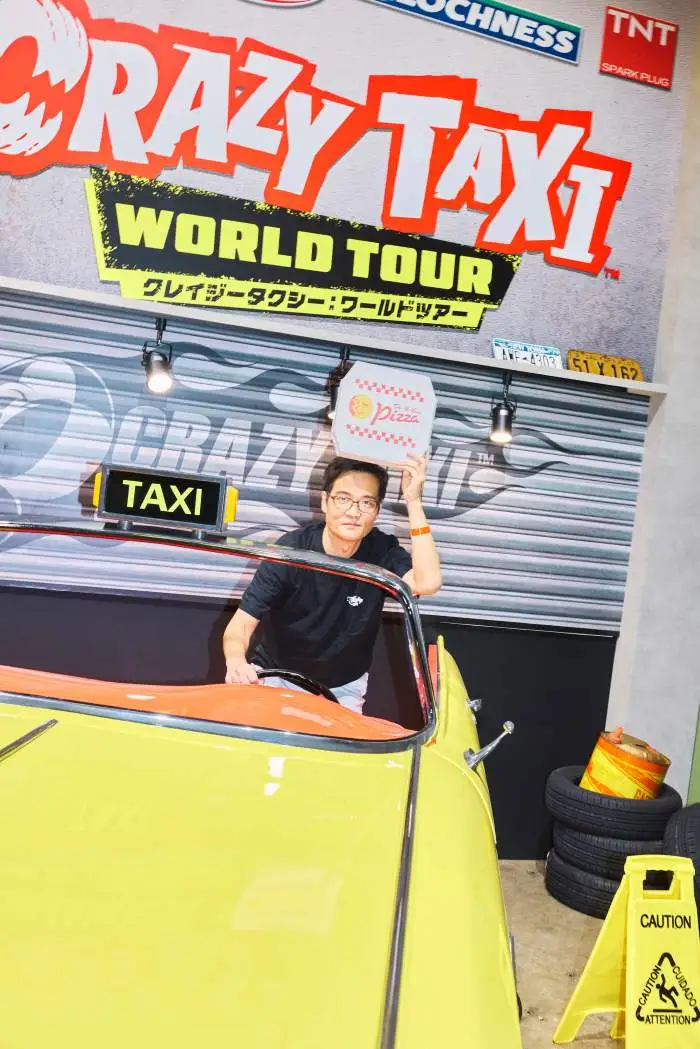
Speaking during a media roundtable at Tokyo Game Show 2026, Crazy Taxi creator and Creative Producer Kenji Kanno and Director You Momotani shared how the Crazy Taxi: World Tour project came to life, why now was the right time for its return, and how the team is balancing nostalgia with innovation.
A Reboot Born From Perfect Timing
According to Kanno, the revival of Crazy Taxi wasn’t part of some long-term master plan. Instead, it happened because both he and SEGA arrived at the same conclusion at the same time.
After creating the original game, Kanno moved on to various projects over the years. However, the desire to revisit Crazy Taxi never completely disappeared.
“We’re rebooting the series, it was just coincidence, really nice timing. After making the original Crazy Taxi, I went through and made other various projects. I wanted to reboot this series along the way as well. And the company wanted to reboot the series. So, coincidentally, the timing was just perfect. So it came into fruition.”
But aside from just timing, Kanno revealed a more personal motivation behind the game’s return.
In a world increasingly dominated by discouraging headlines and negativity, he wanted to create something that simply makes people happy.
“Personally, there are lots of bad news, sort of the news that makes the world a little bit gloomy. So I kinda wanted to create a new sort of content that makes people happy and a little bit better for the world. That’s what I wanted to do with the new Crazy Taxi. I wanted to make something that kind of makes people smile.”
That philosophy became the foundation of the entire project, with Momotani and the rest of the development team embracing the same goal from the start.
Preserving the Soul of Crazy Taxi
Bringing back an iconic franchise is never easy, especially one whose core identity was built around short, adrenaline-fueled arcade sessions.
The original Crazy Taxi thrived on a simple three-minute gameplay loop. World Tour, meanwhile, introduces a much larger experience complete with a story-driven campaign.
Finding the balance between those two philosophies proved to be one of development’s biggest challenges.
“It was a very difficult process of course. So creating a new story, while kind of stemming from the 3-minute experience in the arcade. Kind of balancing the storyline as well as the exciting fast-paced game was a very difficult process.”
Kanno explained that the team went through numerous experiments, often questioning whether they were heading in the right direction. The goal was never to simply recreate the original but to create an entirely new story-focused Crazy Taxi experience.
Momotani offered further insight into that process, recalling a pivotal moment during development when the team realized they had moved too far away from what made Crazy Taxi special.
“In the beginning, we were sort of creating the game developing the game in a more slower pace. It didn’t really turn out that well.”
That realization led the team back to first principles.
After extensive discussions, they identified one core element that absolutely could not be sacrificed.
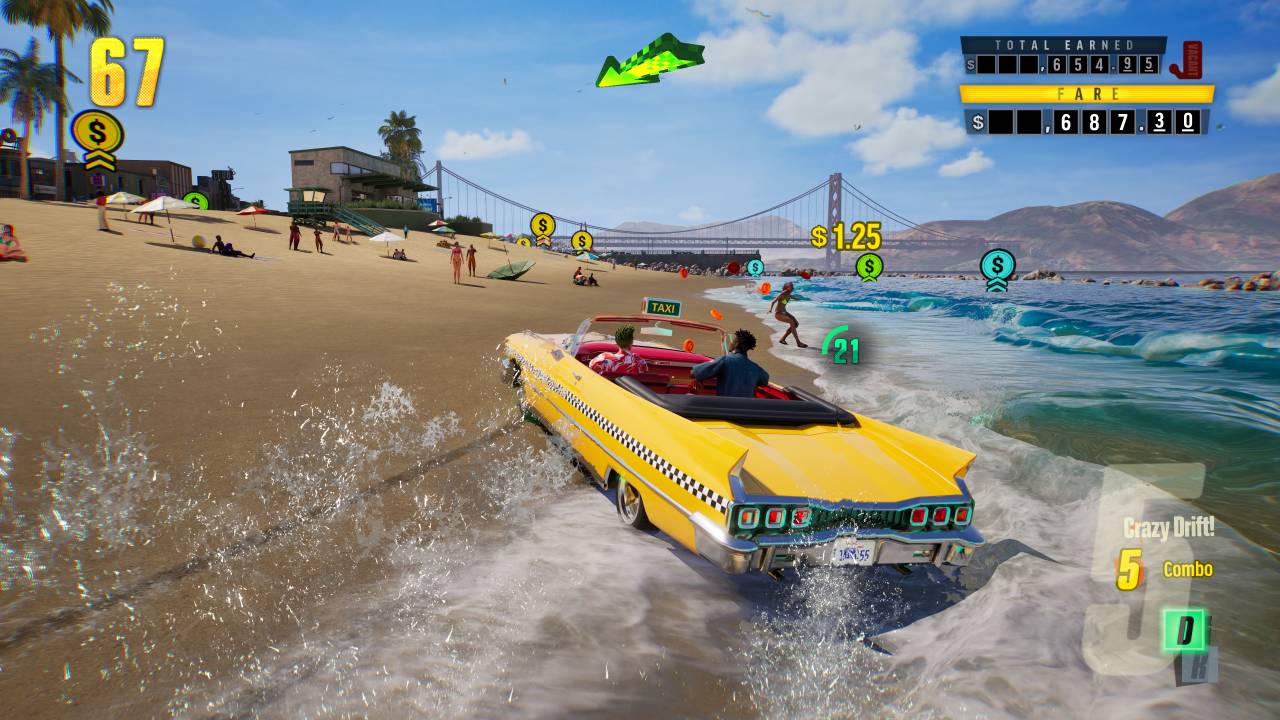
“We talked about the good parts of the original Crazy Taxi, and the parts that we had to keep intact. Which was sort of the fast paced delivering the customer experience. We kept that intact and then we developed from that and we made that essentially the base of the game.”
Building a Story-Driven Crazy Taxi
Perhaps the biggest change coming to World Tour is its narrative focus because, for the first time in franchise history, Crazy Taxi will feature a dedicated story-driven campaign.
While that may seem like a dramatic departure from the arcade roots of the series, Momotani believes it is a natural evolution.
In the original game, players formed their own impressions about each driver and the colorful world surrounding them. World Tour aims to explore those characters in greater detail.
“This time we want our customers to enjoy the world of Crazy Taxi. We want it to be a deeper and layered experience.”
He continued:
“The original Crazy Taxi had their own sort of character models and various atmosphere and sounds and each players had their own sort of vision of what Crazy Taxi is. This time, we wanted to build personalities within each characters and stories within each characters.”
Even after finishing the campaign, Kanno says players will have plenty of reasons to return.
Though he stopped short of revealing the campaign’s exact length, he confirmed that challenge modes, optional missions, and additional activities will significantly extend the experience.
“we have included many modes even after you clear the story. There are various challenge modes where you can sort of dive deeper into each stage and so we have these various modes. I think it’s definitely replayable.”
Embracing the “Crazy” in Crazy Taxi
If there’s one word that repeatedly surfaced throughout the discussion, it was “crazy.” For Kanno and Momotani, maintaining the franchise’s over-the-top personality was non-negotiable.
The game’s development involved close collaboration between mission designers and character creators, with ideas constantly bouncing between teams.
That creative process eventually led to some truly bizarre concepts, including the now-famous alien character shown in demonstrations.
“What we were putting importance on was the ‘Crazy’ part of Crazy Taxi. So, our game is called Crazy Taxi, so it must be… crazy. We can’t really be a “normal” boring character because that would make the game “not crazy.”
Kanno admitted some concepts even pushed his personal limits.
“Some characters were a little bit ‘too crazy’ even for me.”
The explanation drew laughter when he jokingly added:
“Because some of our team members are crazy.”
Momotani revealed that the situation only escalated over time, as developers continuously challenged themselves to create increasingly outlandish content.
In fact, Kanno confessed that the alien character likely would not have survived approval during the game’s early development stages.
Taking Players Around the World
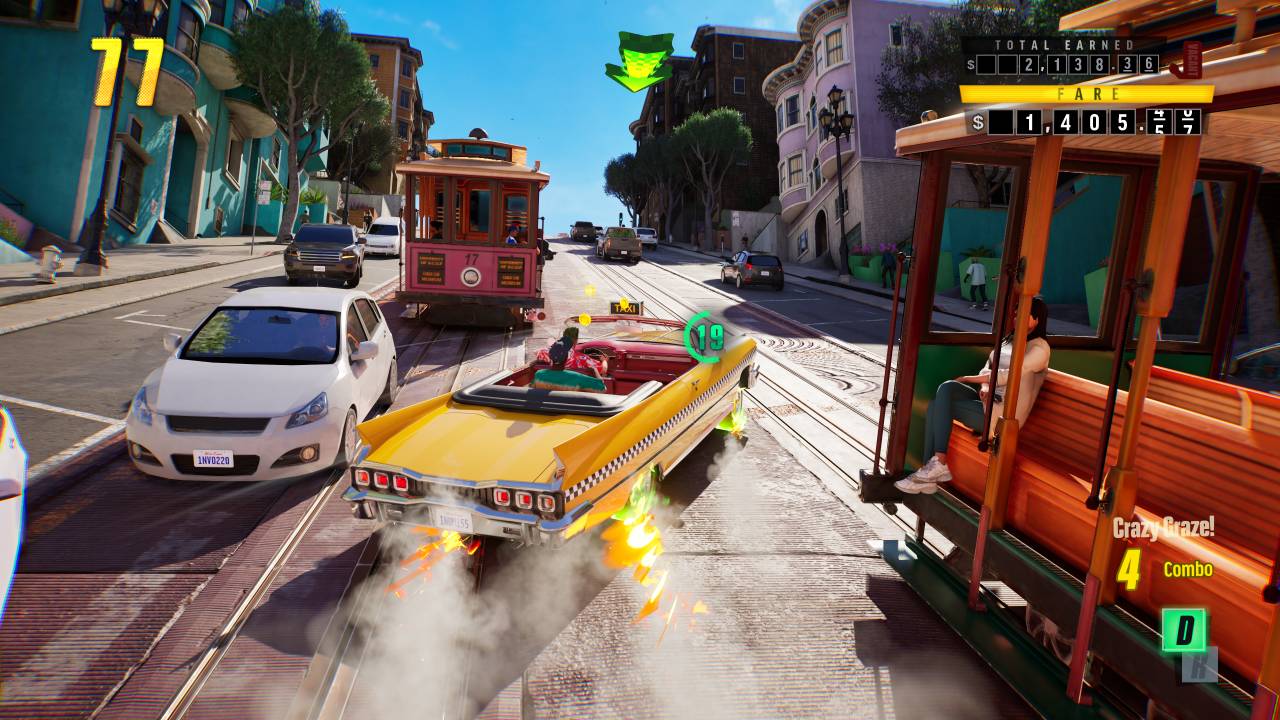
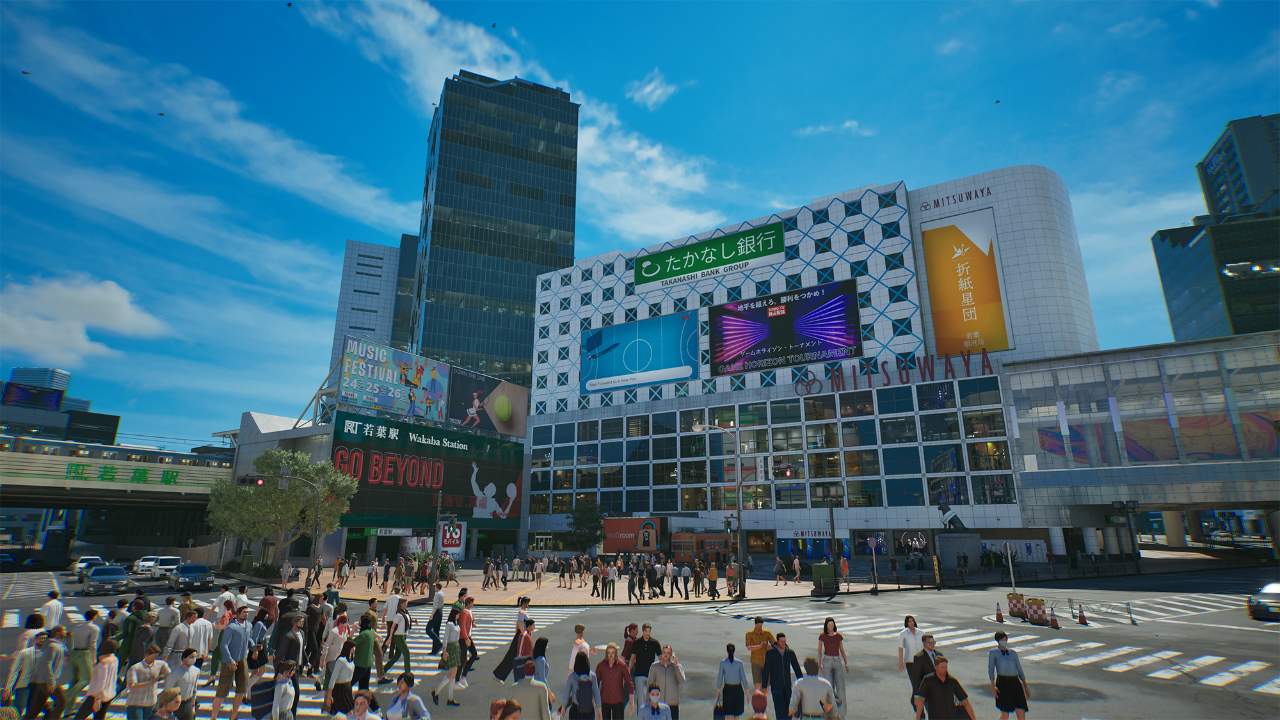
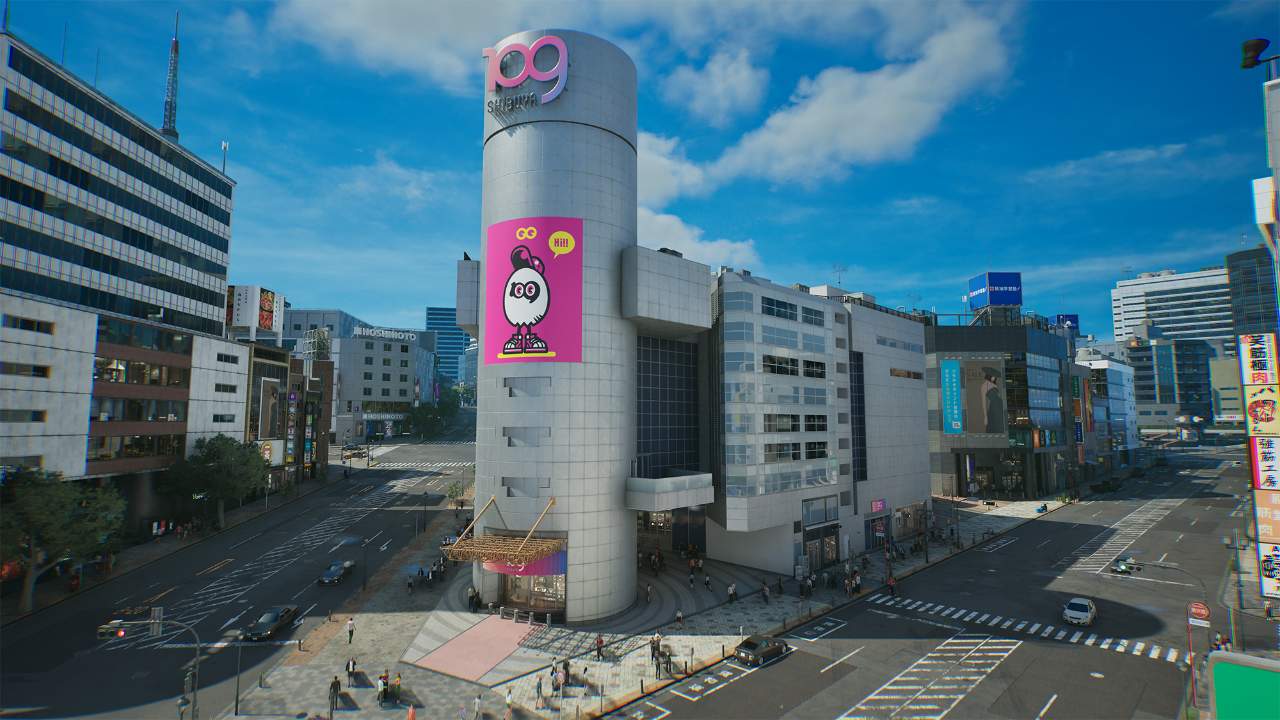
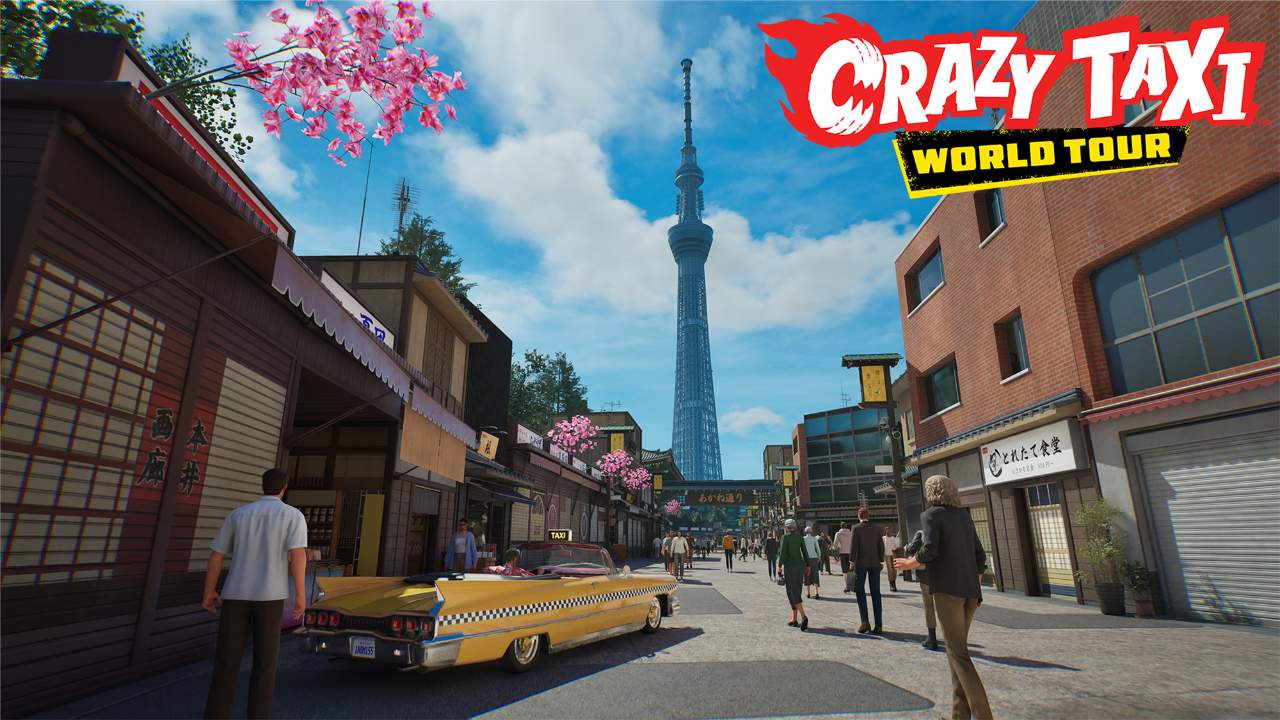
Unlike the original game, which was heavily inspired by the American West Coast, World Tour sends players across five global cities. Only two locations have been officially revealed so far, but Kanno explained that each city was chosen for its unique identity and driving characteristics.
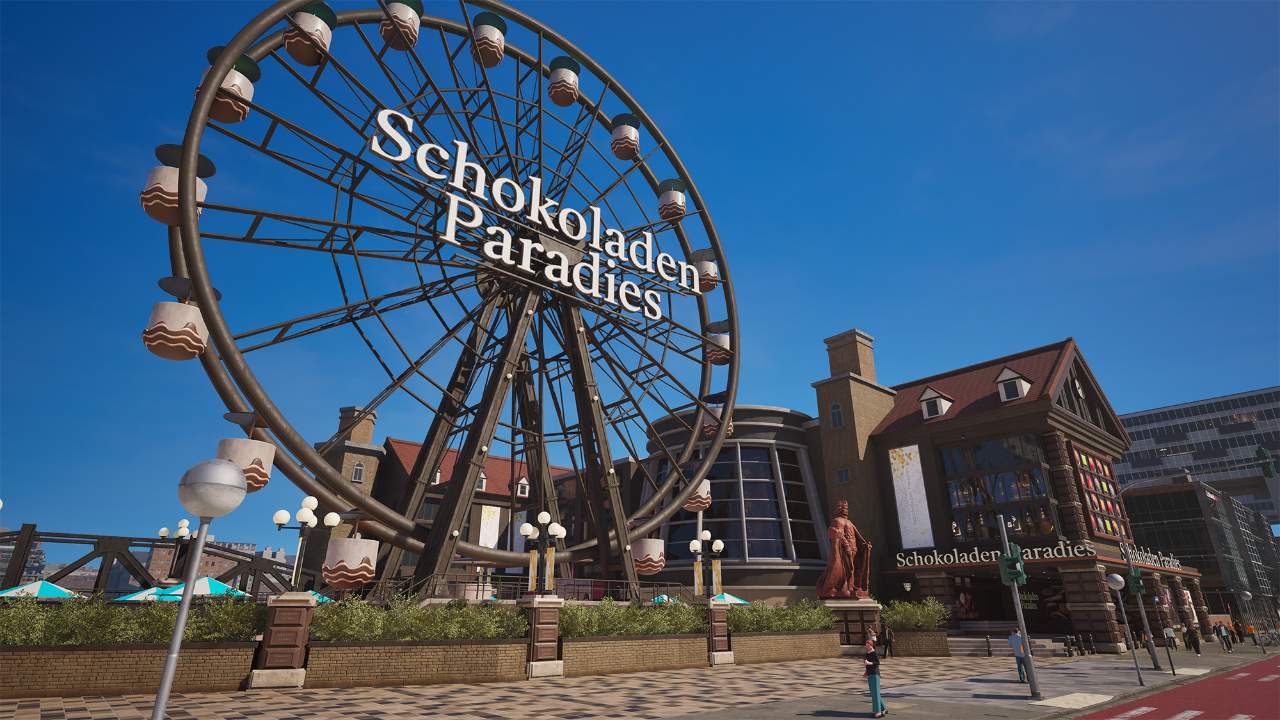
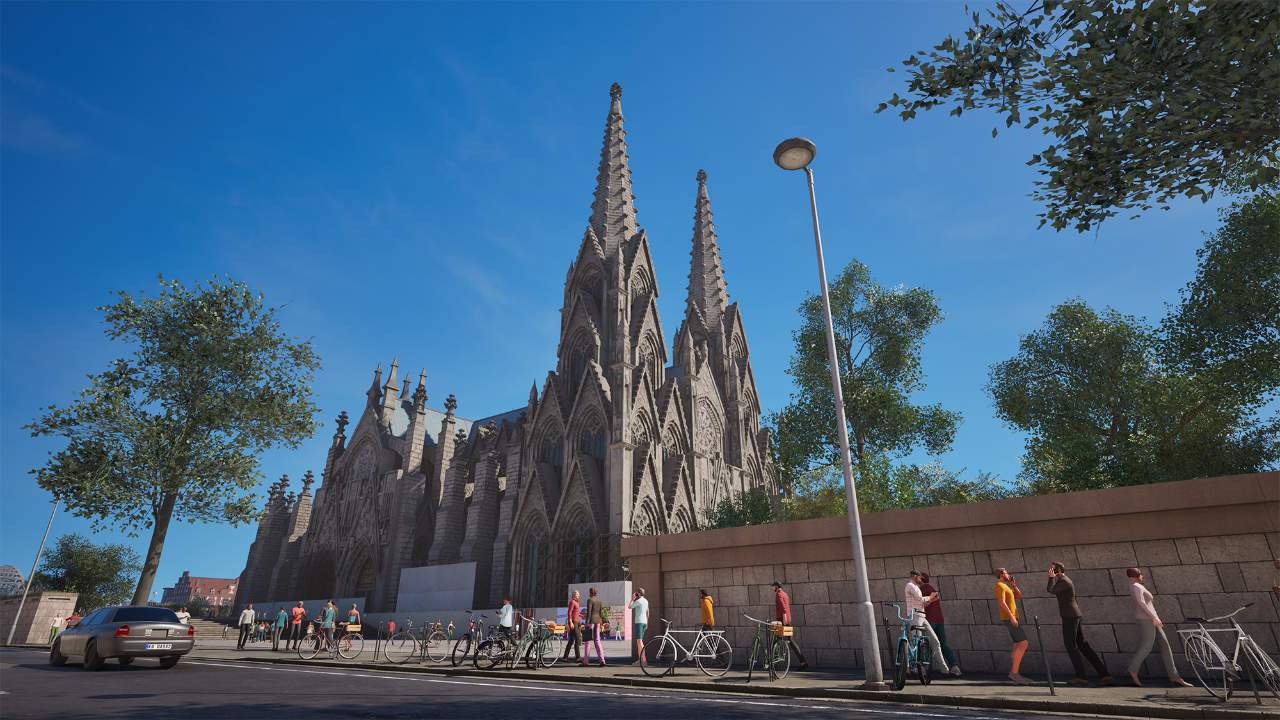
Germany, for example, was selected because of its strong automotive heritage and instantly recognizable imagery.
“Germany was chosen because of this particular image and also because of the automotive aspect.”
The team wasn’t simply interested in recreating landmarks. They wanted every city to feel different behind the wheel.
“We wanted to differentiate between each of the cities as well.”
Momotani explained that the development team deliberately designed denser driving environments rather than large open spaces.
Their focus was on creating streets that constantly challenge players and encourage exciting navigation choices.
The authenticity of each location became so important that the team sent artists directly to the cities themselves.
“Now you can find many different photos and different references on the internet, but there’s something, like how the ground feels, how the ground looks. Some things can only be seen in person. So we sent our team members to each of these cities.”
Apart from architecture and landmarks, even NPC appearances, mannerisms, voice work, and city soundscapes were tailored to reflect local identity.

Why Tokyo Almost Didn’t Make the Cut
One particularly surprising revelation involved Tokyo.
Despite Crazy Taxi being a SEGA franchise developed in Japan, Kanno admitted he initially opposed including the country as one of the game’s featured locations.
” I was against making the Japan map. When we were thinking about the five cities from across the globe, I was hesitant to choose Japan until the very end.”
He felt that, among the five global cities being considered, Japan might not provide enough distinction compared to international alternatives.
Momotani and the development team ultimately convinced him otherwise.
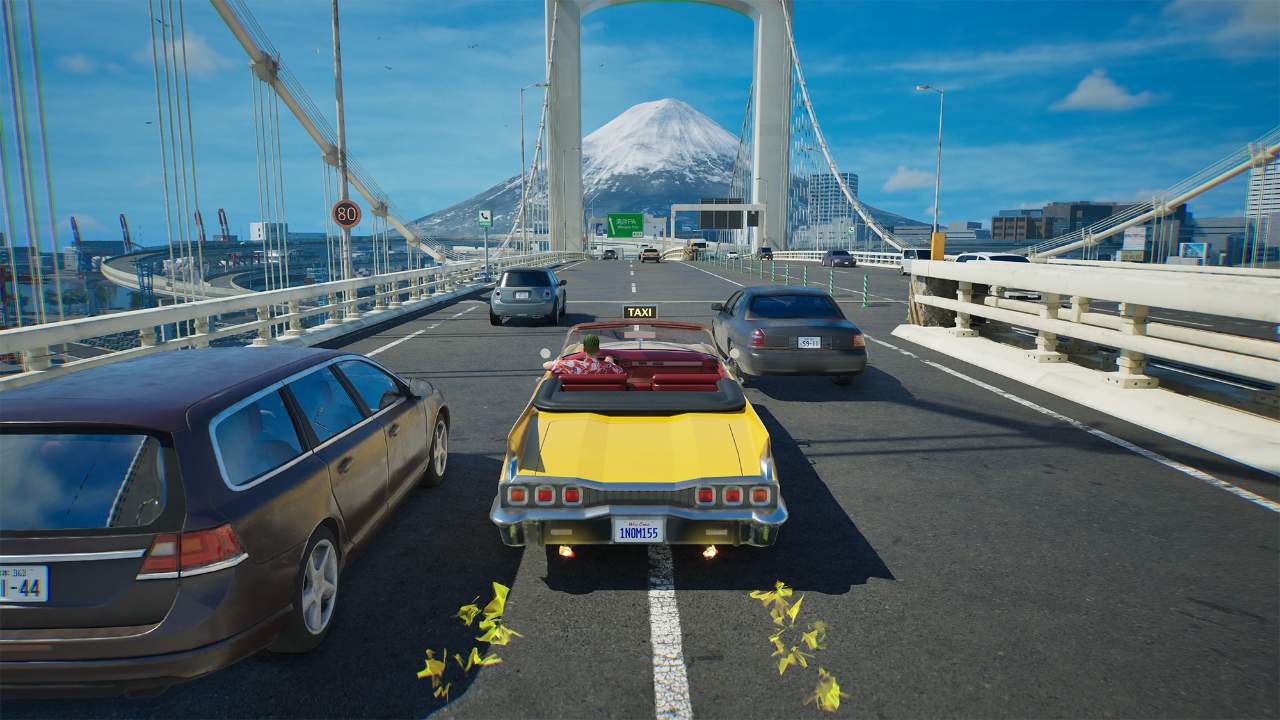
They pointed to Japan’s uniquely narrow roads, crowded highways, elevated expressways, and driving culture as experiences that could only exist there.
“When you envision Japanese roads, there are for example, there are very narrow highways. And they’re very narrow but there’s lots of of cars running. There are the elevated highways as well. There’s a very distinct Japanese-only driving experience. That was definitely one thing that I used to persuade Kanno-san.”
Combined with Japan’s cultural identity and architecture, the team believed the country would offer a completely unique gameplay experience.
In the end, Kanno agreed.
Multiplayer Finally Becomes Reality
For years, multiplayer was one of the most requested features among Crazy Taxi fans. Unfortunately, technical limitations prevented it from becoming a reality during the franchise’s earlier years.
“The original Crazy Taxi, we received a lot of requests from players as well as our team members within the company, they wanted the multiplayer mode to be developed.”
Back then, issues like latency, networking limitations, and designing multiplayer systems around a game originally built for solo play made the idea difficult to realize.
Momotani, who previously worked on the online multiplayer title Border Break, helped explore how competitive multiplayer could fit Crazy Taxi’s inherently chaotic gameplay.
According to him, the challenge wasn’t simply putting players online together. The team needed to understand what would actually be fun.
“We created various different mock-ups to find out what would make the multiplayer experience the best.”
However, players hoping for split-screen multiplayer may be disappointed. Kanno confirmed that local split-screen competition will not be included in World Tour.
“There would be no split screen competition for this game.”
Instead, the team approached online functionality as something built specifically for the game from the ground up.
The Music Fans Have Been Waiting For
No discussion about Crazy Taxi would be complete without mentioning its legendary soundtrack. References to The Offspring surfaced repeatedly throughout the session, highlighting just how essential the band’s music remains to the franchise’s identity.
Kanno acknowledged that fans have made their expectations crystal clear.
“Many people ask me, are you going to include The Offspring this time.”
His response was delivered with trademark humor.
“I answer that half-heartedly, and they would glare at me with a scary face. I think that I would have to include them or else they would kill me.”
When asked directly whether bringing back staples such as The Offspring and Bad Religion was a priority, Kanno doubled down on the joke.
“We had to do that in order to save my own life.”
Behind the laughter, however, is a genuine respect for music’s role in shaping the Crazy Taxi experience. Kanno explained that songs often influence the rhythm and feel of his game design process.
“I think about the groove of the game that I want to make. Then I match it together with various songs.”
That philosophy remains central to World Tour, although he stopped short of revealing specific plans. Instead, he left fans with a promise.
“Please look forward and I can’t wait to surprise everyone. Please be prepared to be surprised.”
Success Is Simpler Than Sales Figures
As the conversation drew to a close, Kanno was asked how he would define success for Crazy Taxi: World Tour in today’s highly competitive gaming landscape. The answer perfectly reflected the philosophy that sparked the project’s revival in the first place.
“I want people to be happy playing this game, so if any person who plays this game and has a great time and smiles all the time that would be success for me.”
He acknowledged that companies naturally have business targets and milestones to achieve. Personally, however, his priorities are much simpler.
More than 25 years after the original release, he still hears from players who insist that no other game delivers quite the same feeling as Crazy Taxi. Those voices ultimately helped justify bringing the franchise back.
“Even though it’s been that much time there’s still fans who say that there’s only Crazy Taxi that provides this certain user experience.”
For Kanno, that’s what matters most.
Crazy Taxi: World Tour launches in 2027 on PS5, Xbox Series, and PC.
