

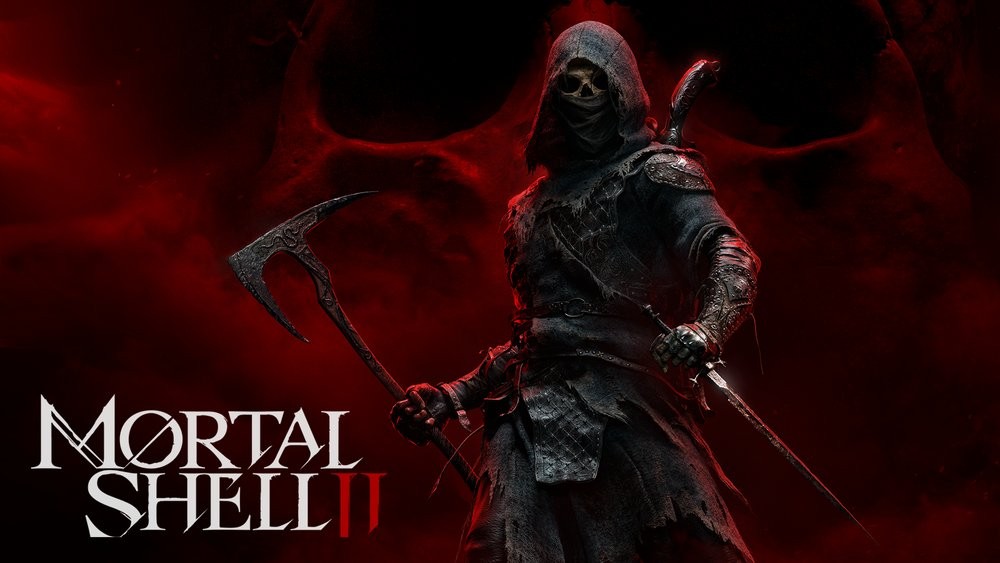
Mortal Shell II Review
Table of Contents
The first Mortal Shell game was released to mixed reception, calling out its clunky combat and other niggling issues that made it an overall lackluster, average title. While the atmosphere and unique systems introduced were good, and it was a commendable release even with a small dev team, it felt derivative and just a bit too short before things got going.
Enter Mortal Shell II, and what a glow up. The team at Cold Symmetry have come out swinging, seemingly addressing all the concerns from the first game and improving the game in every aspect, with combat feeling fast and fluid while iterating on what worked from their first outing. The result is a solid installment that should not go unnoticed, especially for fans of the genre.
The Shell Returns
In Mortal Shell II, players return to Fallgrim, a grotesque swamp-world steeped in corruption. The premise is quite interesting, if a bit creepy and weird, as players will take control of the Harbinger, a being born from an uncorrupted Ovum, who must reclaim the stolen Ova of the Undermether. Yes, weird, but one of the things you should know is that the Harbinger needs the shells scattered around the world to survive and navigate Fallgrim, and most of your journey will be hunting down these shells and gaining the proper know-how and skills to conquer the world.
Shells, as you might have imagined, are your classes in Mortal Shell II, with each bringing unique abilities to the table that will cater to many playstyles. The first shell players will be introduced to is Harros, the swordsman, who can petrify nearby enemies with his Stone Stun, inflicting break damage. Tiel, the rogue, deals quick damage with Shadow Strike and can render himself undetectable for a time, while dashing before impact inflicts stagger damage.
There’s even a shell called Proxima the Broodseeker, who is interesting because of the aggressive nature of her skillset, as she can fire a hook that pulls enemies within range, along with a passive that gives a chance to mitigate incoming damage. Apart from this, of course, is the shell’s interestingly caked-up design. These Shells are part of what makes Mortal Shell II unique and so much fun to play, with the journey to get them and the ability to use them right after being a big reason.
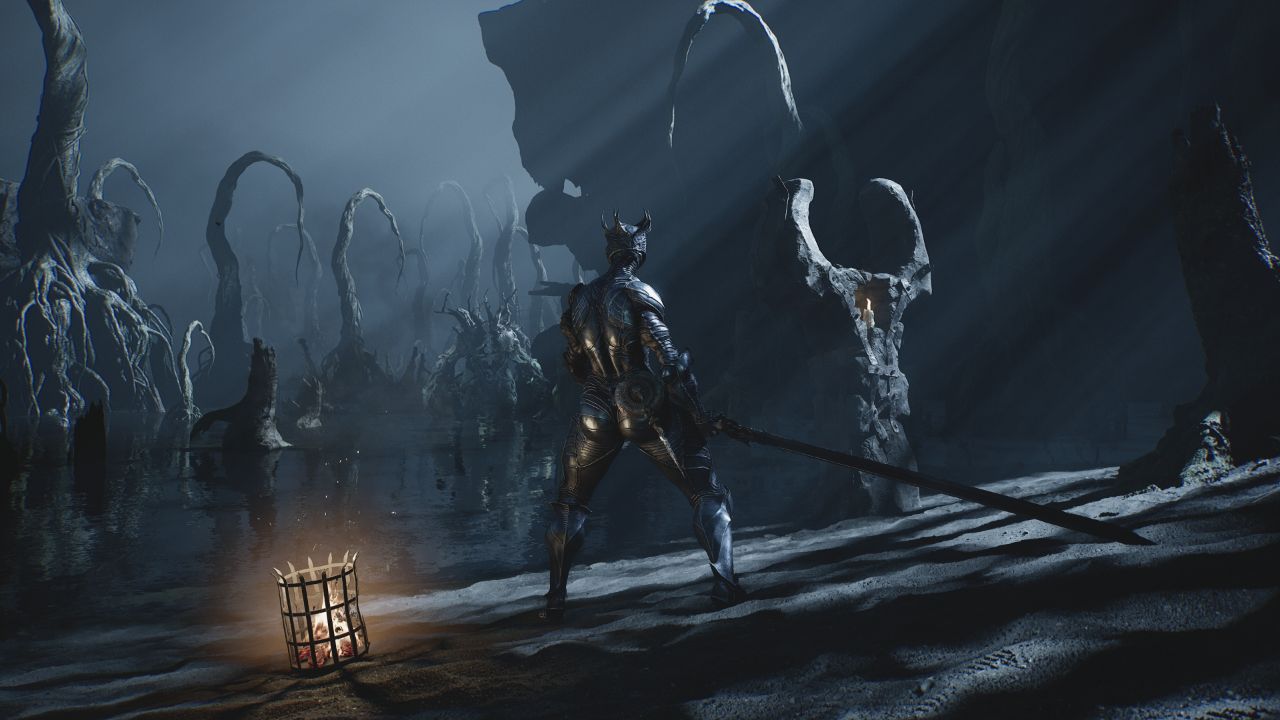
Over the course of the game, there will be many Shells to acquire, 8 in total (4 more than the first), and there are imaginative ones that really bring a unique flavor to Mortal Shell II. While the shells may change, weapons and equipment can be equipped freely, leaving Shell abilities and skills as the main differentiator for how a playstyle develops as it’s tough to switch between weapons and upgrade them due to the available resources.
Life and Death
Speaking of skills, let’s take the Proxima Shell for example. Each shell will have several tiers of skills, with each skill having upgrade levels. For her first tier, Proxima can gain access to reducing the Resolve cost of her hook ability, improving her damage mitigation, or increasing the effects of her lightning damage. Her next tier will increase the damage and effects of her hook skill, and so on. There’s a certain level of “build” testing that you can do here, especially since you can refund skills at any time to try out the others if they suit your playstyle.
Much like the many Soulslikes out there, Mortal Shell II is also one of them, as there are familiar elements like dropping resources on death, saving and resting, resurrecting slain enemies, and more. Progression is tied to leveling up at beacons using gloom, which unlocks shell points that can be used to obtain skills from the many shells you’ll acquire. Higher skill tiers require rare glimpses found in dungeons, encouraging exploration. This system allows players to experiment with shells and tailor their builds to suit different playstyles, despite the limited variety of skills.
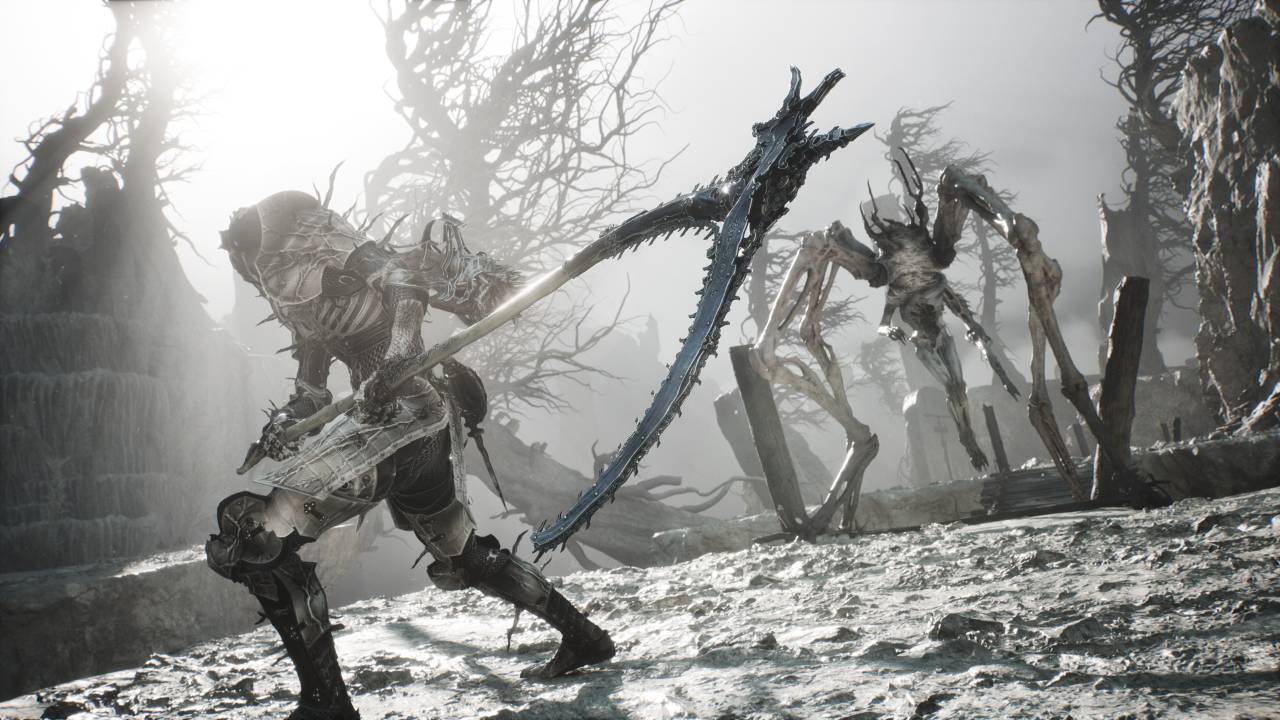
Progression is also enriched through tarstones and item familiarity. Tarstones are basically equipable enhancements categorized into support, combat, infusion, and ability types, each offering unique benefits. They gain experience and can be tempered at the Tarforge, further expanding customization. For example, the Wounding Stone inflicts bleed damage that stacks, with higher levels causing more devastating effects.
Seals also play a crucial role, with items like Vatra’s Seal hardening defense or the Untarnished Seal enabling perfect guards. These seals are one of the items that actually provide tangible effects to your playstyle, because without the Untarnished Seal, perfect guarding will be disabled, so you’ll need to really figure out what playstyle suits you best. Consumables and items also evolve with familiarity, as repeated use unlocks deeper attributes that yield better effects.
As you can imagine, with the combination of Seals, Shells, and the choice of Skills, players are given quite a level of freedom to choose how they want to approach combat in Mortal Shell II. While some Shells might be better than others, each is a viable way to play.
A Thirst for Combat
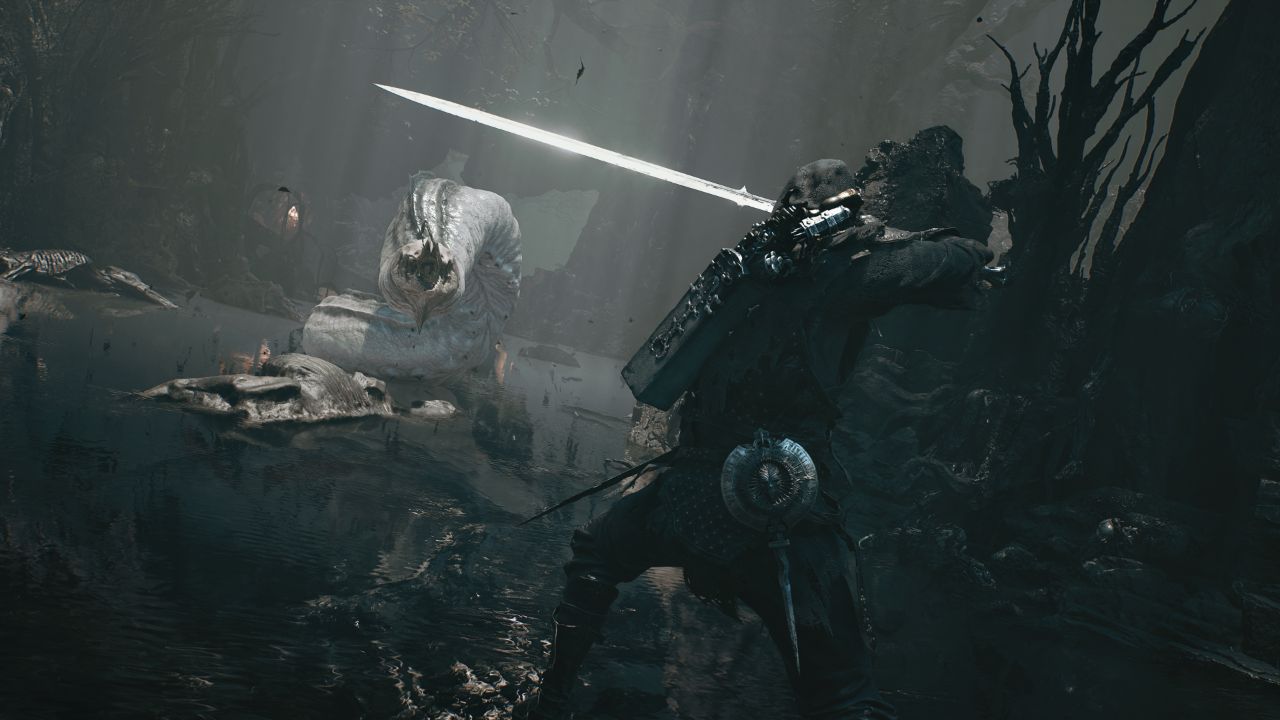
Arguably, the biggest upgrade that Mortal Shell II has over the first game is combat, which is faster, more responsive, and smoother than its predecessor, with hits that feel weighty and impactful. That said, attack canceling is not available here, so attacks need to be deliberate and thoughtful to avoid repercussions. There is an emphasis on learning patterns and timing, as well as breaking enemies’ posture to set them up for an execution.
Guard energy plays a central role as blocking consumes it, and running out leaves the player stunned. Perfect guards, executed just before an attack lands, avoid consuming guard energy and build the break meter, while parries via the Infinite Seal require more precise timing but inflict greater break damage. Breaking enemies leaves them open to devastating ripostes, adding a satisfying rhythm to battles.
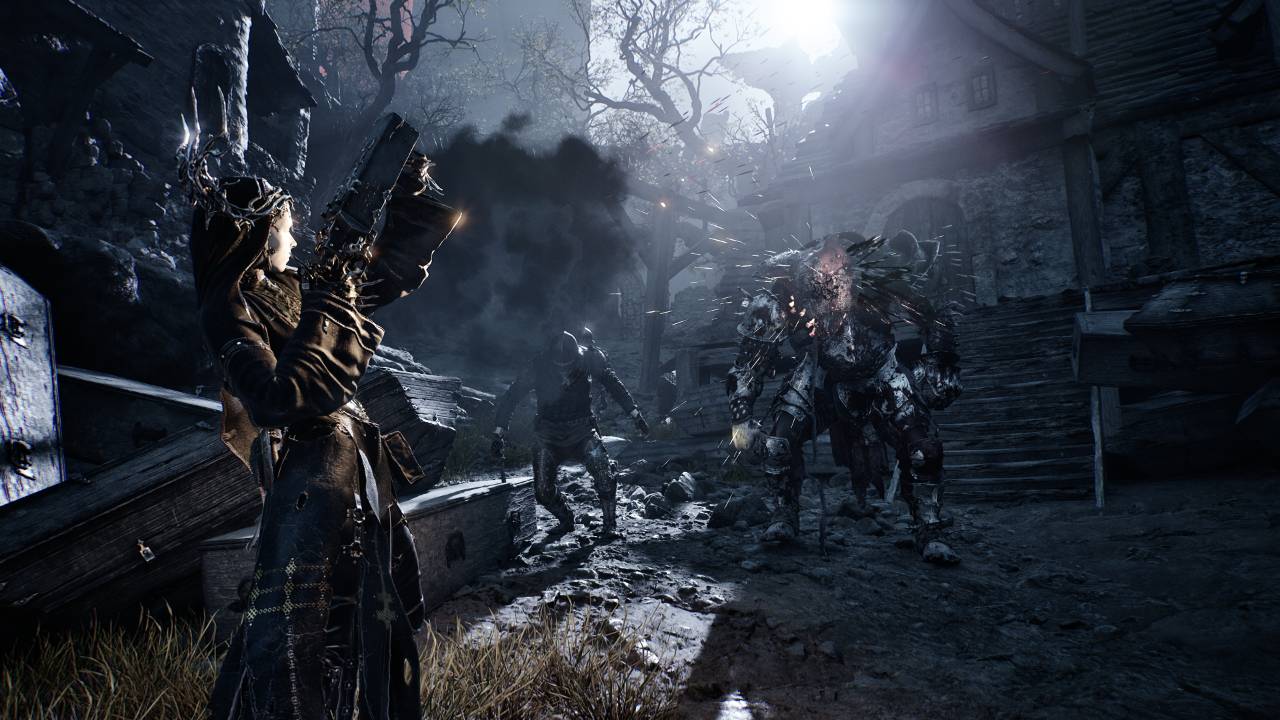
Mortal Shell II is a challenging game at its core, and death is inevitable… and quite interesting. Death carries consequences because players are “expelled” from their shell and must deal a certain amount of melee damage while in their “naked” form before they can reattach and regain their shell and its abilities. A second “death” while removed from the shell will result in the temporary loss of resources, and resurrecting will have the players racing back to reacquire precious resources.
Interestingly, Mortal Shell II provides players with ways (and consequences) to enjoy the game. An item called a Slayer Seal will enhance ranged attacks and ripostes, alongside regaining resolve and HP by executing enemies, but its cost will be disabling the achievements that players would have normally gained. Alternatively, players who want more punishment can use the Gloombound Flame to increase difficulty with Night Mode, making the enemies deadlier but providing better rewards. This is an interesting approach from the devs, and I personally do not mind these measures as long as they are optional, so it is also nice that there are certain drawbacks and rewards to using them.
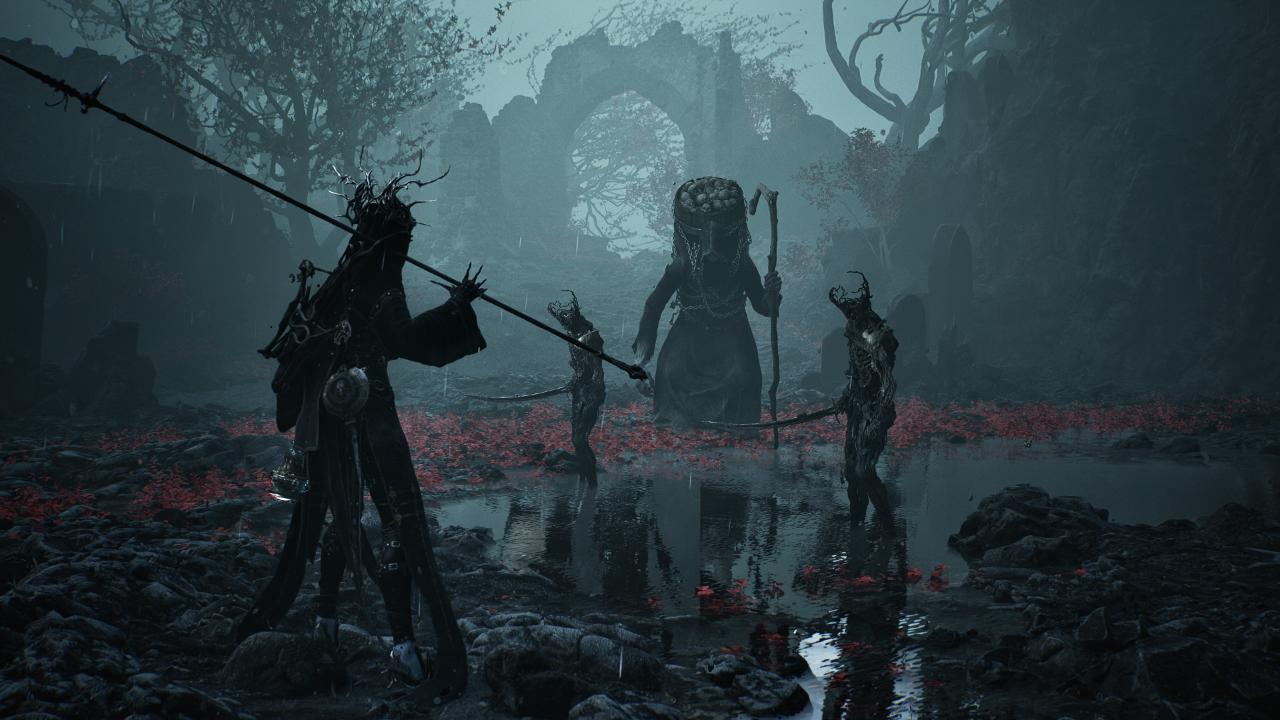
Visually, Mortal Shell II looks amazing. Built on Unreal Engine 5, the game delivers hauntingly beautiful visuals, grotesque enemy designs, and atmospheric environments. Surprisingly, as it is an Unreal Engine 5 game, performance was smooth and stable, with no major stutters or crashes. Combat animations are fluid, audio feedback is crunchy, and riposte takedowns are visceral, making every encounter feel impactful.
The game is much meatier than the first, which took around an average of 10-15 hours. Mortal Shell II, on the other hand, can easily average 30 or so hours, depending on how you choose to play. While it could be slower or faster, 30 hours is a good indicator of how much content to expect in Mortal Shell II.
If anything, Mortal Shell II has some camera issues that get in the way during combat and when navigating tight spaces, along with an OST that slightly lacks the same punch to match its gorgeous visuals and atmosphere. The level design isn’t anything to write home about, with areas being more contained that slightly point you to where you need to go rather than sprawling fields and locations similar to other titles in the genre.
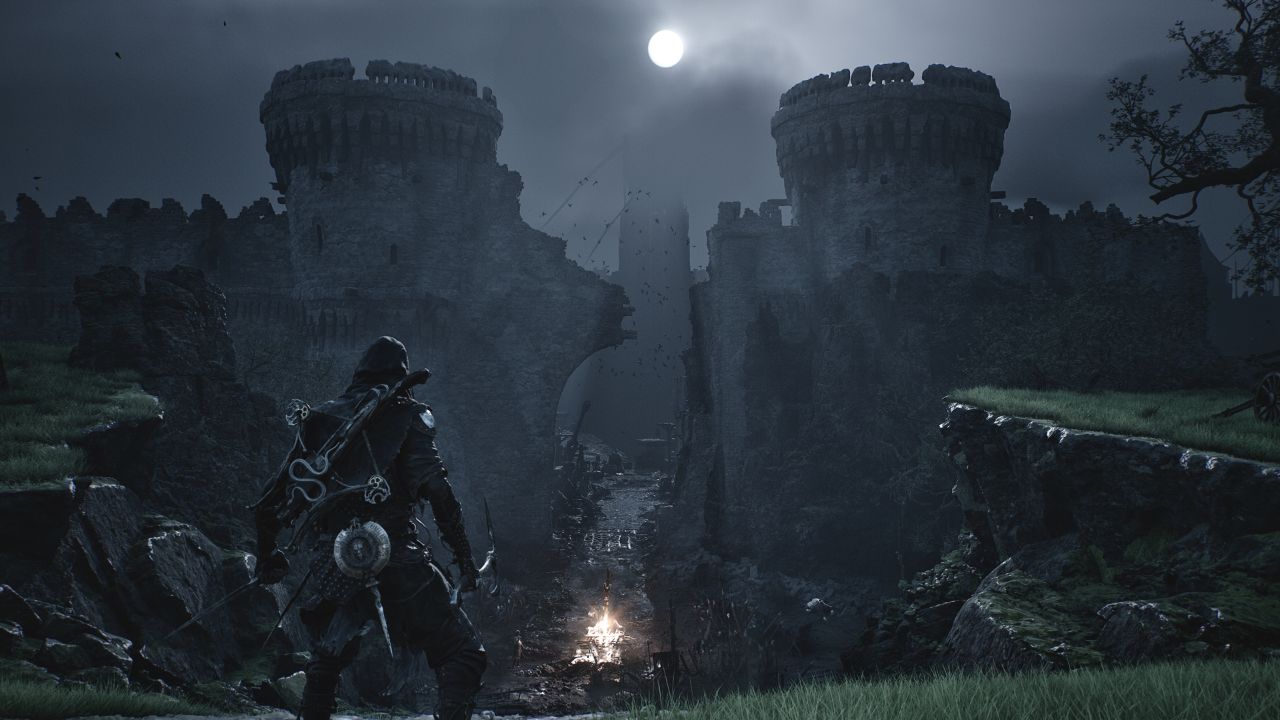
Verdict: 8.5/10 Buy it!

Mortal Shell II is a significant leap forward from its predecessor, offering refined combat, expanded class diversity, and a world dripping with atmosphere. The developers have zoned in on feedback and really dialed in on what makes the game fun and fluid, and it definitely shows, as the game is enjoyable, engaging, and constantly challenging.
While some polish is still needed in NPC depth and technical systems, and there are some camera issues and slightly weak level design, its foundation is strong. For fans of Soulslikes, this is certainly a must-play release of 2026.
*Mortal Shell II was reviewed on a PC with a review code provided by the publisher.
