

Inside Final Fantasy VII Revelation: Naoki Hamaguchi on Bringing the Remake Trilogy to a Close

After redefining one of gaming’s most beloved RPGs across two critically acclaimed entries, Square Enix is preparing to bring the journey to a close with Final Fantasy VII Revelation.
During Gamescom Asia x Thailand Game Show 2026, we sat down with Final Fantasy VII Revelation director Naoki Hamaguchi to discuss the challenges of concluding the remake trilogy, expanding player freedom through the Highwind, balancing exploration and storytelling, and ensuring that the long-awaited answers to the series’ biggest mysteries feel as impactful to experience as they are to uncover.

A Carefully Planned Conclusion to an Expanding Story
As the final installment in the Final Fantasy VII Remake trilogy approaches, one question looms large among fans: how will Final Fantasy VII Revelation bring together the increasingly complex narrative threads introduced throughout the series?
Speaking during Gamescom Asia / Thailand Game Show 2026, Director Naoki Hamaguchi acknowledged that the final act of the original Final Fantasy VII was packed with revelations, lore, and major story developments. With Revelation also introducing alternate timeline elements, some players have wondered if the storytelling risks becoming overwhelming.
According to Hamaguchi, the team approached this challenge by making the answers something players experience rather than simply observe.
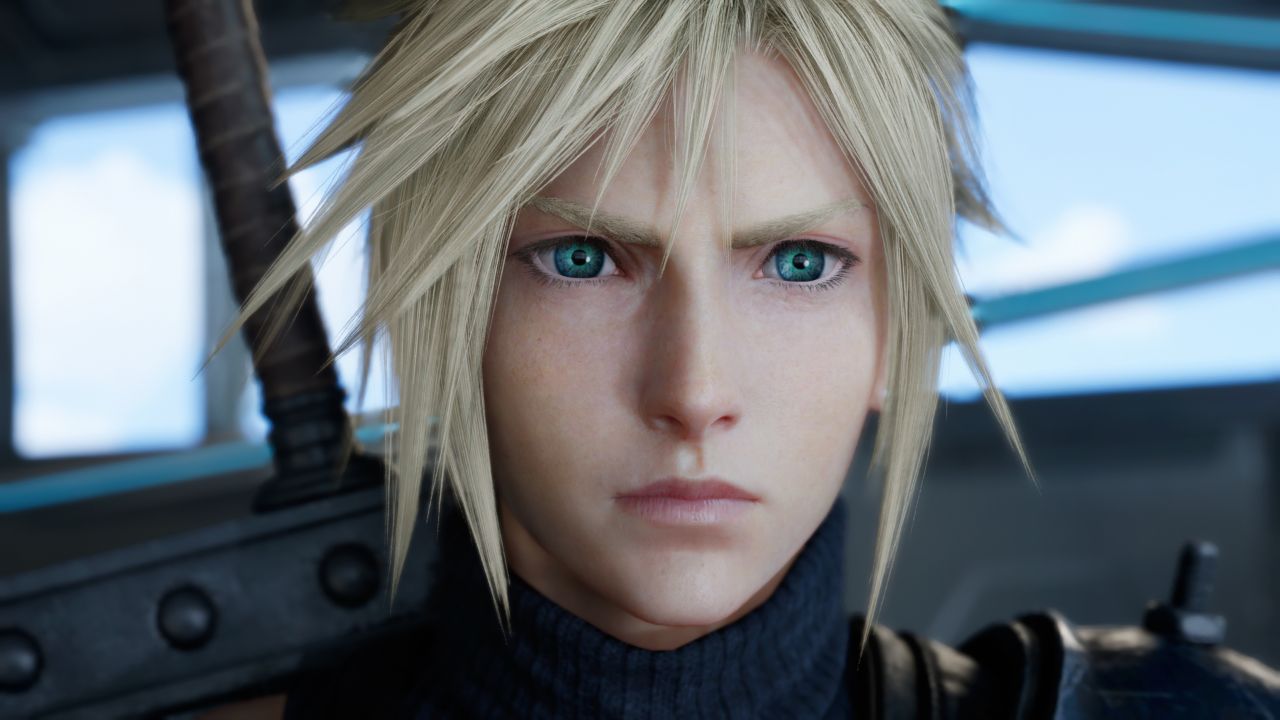
“When Cloud looks at himself and re-examines who he is, many of the story’s revelations will be expressed through the gameplay experience and performance experience that players receive,” he explained.
Rather than relying solely on exposition-heavy scenes, Hamaguchi said the team carefully structured the game so that many lingering mysteries from previous entries are answered through gameplay progression. Questions players have carried throughout the trilogy will be addressed, but often through direct interaction with the world and story rather than traditional exposition.
Building a Bigger World for Final Fantasy VII Revelation Without Making It Feel Smaller
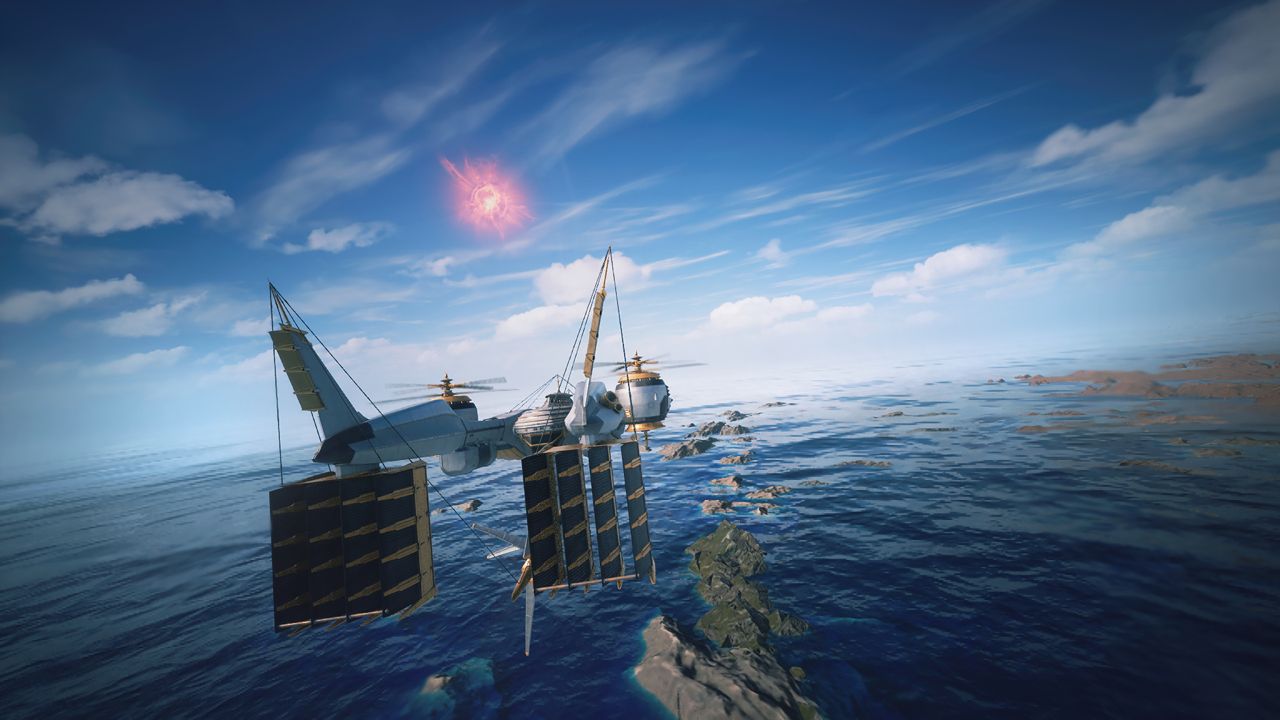
While Final Fantasy VII Rebirth focused heavily on horizontal exploration across large regions, Final Fantasy VII Revelation introduces the iconic Highwind and significantly expands vertical exploration.
At first glance, allowing players to fly almost anywhere might seem like it could diminish the sense of scale. Hamaguchi, however, sees unrestricted travel as a quality-of-life improvement rather than a compromise.
“The world is very wide, and there are lots of spaces,” he said. “And as a game, I wouldn’t be happy if a player wants to go to a destination that takes lots of time. If players want to go somewhere, I don’t want it to take too much time or become difficult to reach. That would create stress, and that’s not good as a game.”
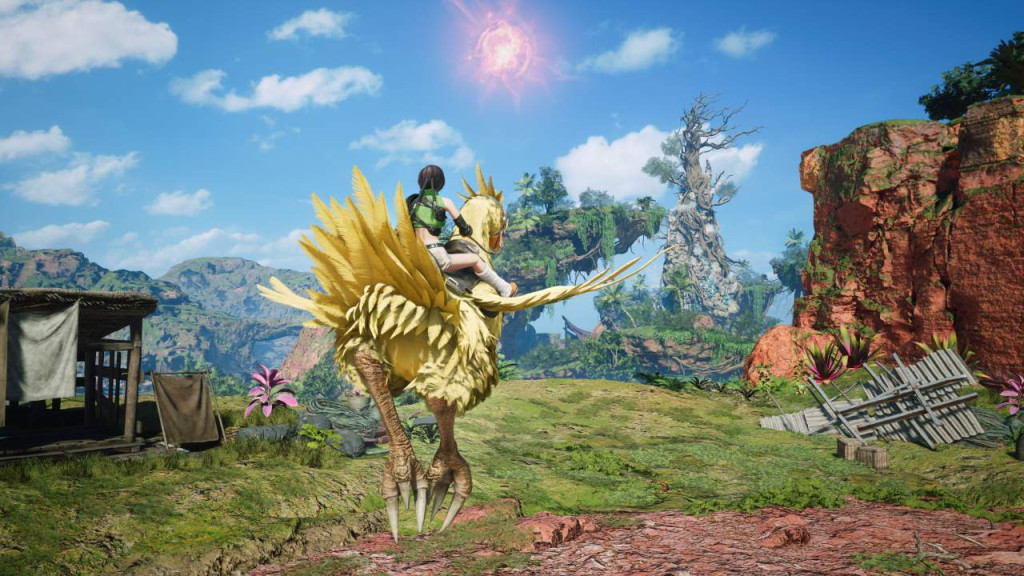
In Final Fantasy VII Revelation, players will be able to travel quickly using the Highwind or Chocobos, but reaching a location is only the beginning of the experience. Hamaguchi explained that destinations often contain environmental challenges, narrative triggers, or character interactions that must be tackled before players can move forward.
Freedom Through Design, Not Compromise
One of Final Fantasy VII Revelation’s biggest pillars is player agency, from exploration choices to character builds and progression paths.
Interestingly, Hamaguchi revealed that creating this freedom wasn’t the result of constant compromises during development.
Rather than building systems and trimming them later, the team established the game’s design philosophies early on, then accounted for the various ways players might interact with them.
“We solidified most of the concepts in the earliest phases of development,” Hamaguchi said. “Then we thought about the different paths players could take and the different outcomes they could see.”
The real challenge, according to him, wasn’t designing freedom itself, but ensuring every possible path and gameplay scenario was thoroughly tested across the game’s enormous amount of content.
Giving Every Character Their Moment
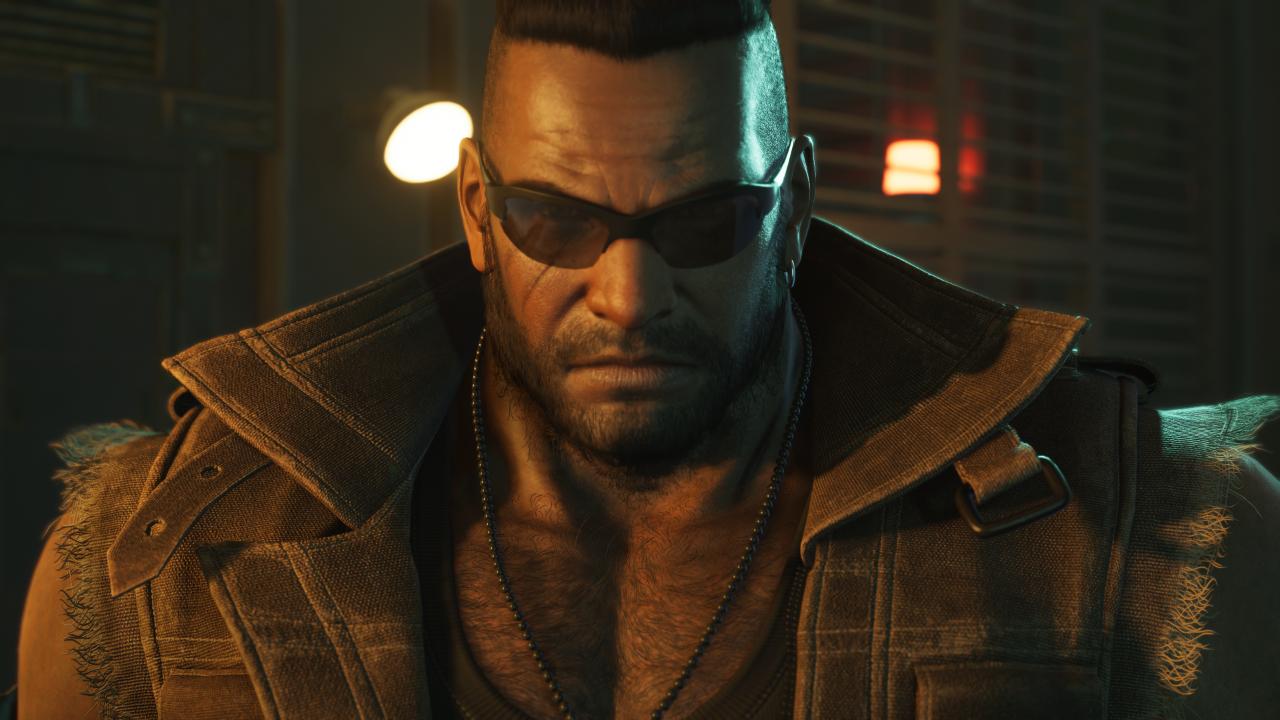
Character development has been one of the strongest aspects of the remake trilogy, with Rebirth earning praise for stories centered around characters such as Barret.
With Final Fantasy VII Revelation featuring an even larger cast, Hamaguchi admitted that ensuring every party member received meaningful attention became a major focus.
The team looked for opportunities to naturally spotlight individual stories, particularly through locations closely tied to each character. He pointed to places like Wutai for Yuffie and Rocket Town’s narrative connections with Cid as examples of how players will gain deeper perspectives on returning cast members.
Apart from dedicated story arcs, Hamaguchi believes much of the character growth comes from interactions between party members. By exploring how different characters react to unique situations and to each other, the team sought to create new dimensions for fan-favorite personalities while preserving what makes each of them beloved.
Balancing Main Story Progression and Side Content
While Rebirth was widely acclaimed, many players felt overwhelmed by its abundance of mini-games, towers, world objectives, and checklist-style activities.
Hamaguchi confirmed that the team carefully considered this feedback when designing Final Fantasy VII Revelation.
“We wanted players to enjoy more of the side stories of the world,” he said.
Rather than simply increasing the amount of optional content, the developers focused on making side activities more narratively meaningful. Hamaguchi explained that more story elements have been integrated into side quests to ensure they feel worthwhile rather than being purely completionist objectives.
“And for Revelation, it has been designed to be able to answer to all demands of kinds of players. Maybe some would love to go forward in the main story, some would love to enjoy the side quests. There will be some minimum condition that you have to meet in order to proceed through in the main story too. But this one, it’s like we give freedom for player to choose. You can play by the way you want.“
At the same time, the team recognizes that different players approach the game differently. Some will prioritize the main story, while others will explore every corner of the world. Final Fantasy VII Revelation’s progression structure has been designed to support both playstyles, offering freedom while maintaining some minimum requirements for narrative advancement.
No Creative Sacrifices for Multi-Platform Development
Final Fantasy VII Revelation marks the first entry in the trilogy to launch simultaneously across PlayStation 5, Xbox, PC, and Nintendo Switch 2.
Despite the expanded platform reach, Hamaguchi insists that the game’s vision remained unchanged.
According to him, the team primarily develops around PS5 and PC specifications, while a separate porting team handles optimization for additional platforms.
“We did not make sacrifices to the game experience,” Hamaguchi stated.
Instead of scaling the game’s ambitions down to accommodate lower-spec systems, the team adjusts assets and technical implementations where necessary so each platform receives the best possible version without compromising core design goals.
Aerith’s Legacy Lives Through Gameplay
One topic fans have closely scrutinized is Final Fantasy VII Revelation’s new FITS system, particularly because some abilities previously associated with Aerith appear to be accessible through other characters.
However, Hamaguchi rejected the idea that these changes were made simply because Aerith may not be playable.
Instead, he said the adjustments stemmed from lessons learned from Rebirth’s combat design.
“We wanted to continue using systems that players embraced in Rebirth,” Hamaguchi explained.
He emphasized that the changes were driven by broader combat system goals rather than assumptions about Aerith’s role in the story.
Welcoming Both Veterans and Newcomers
Previous announcements have confirmed that Final Fantasy VII Revelation incorporates elements from spin-offs such as Crisis Core and Advent Children.
While longtime fans may appreciate those connections, newer players have expressed concerns about potentially feeling left behind.
Hamaguchi said the team is well aware of that challenge.
“We understand that there are fans who know all of this, and there are newcomers who don’t,” he said.
The developers carefully considered how much information to explain directly and how much to leave for player interpretation. While newcomers should be able to follow the main narrative, Hamaguchi suggested there will still be mysteries and connections that encourage discussion and personal theories.
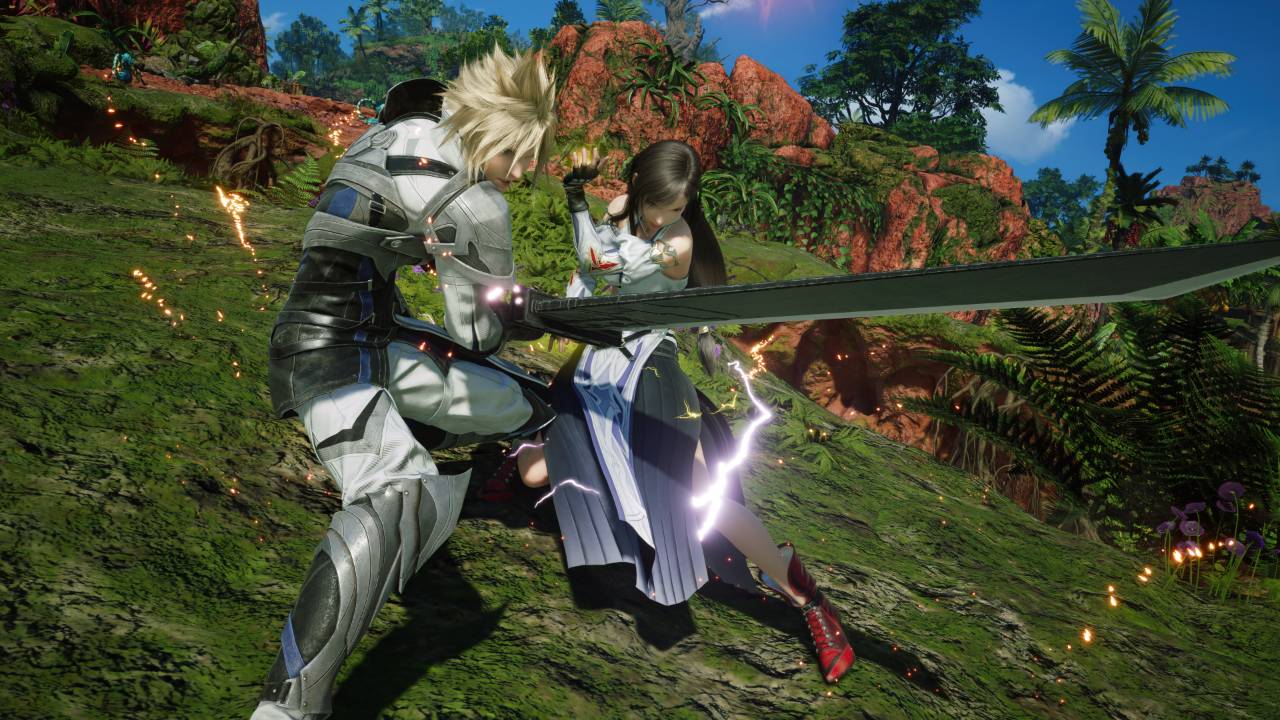
Summons Return to the World
Perhaps one of the most interesting revelations from the discussion involved summons.
Some players criticized Rebirth’s reliance on Chadley’s VR simulator as the primary method of obtaining powerful summons. Hamaguchi revealed that Final Fantasy VII Revelation moves much closer to the spirit of the original game.
Players will encounter summon-related content directly in the world and collect materials tied to those summons through exploration rather than solely through simulations.
When discussing the legendary Knights of the Round, Hamaguchi confirmed that the summon is tied to the original Gilgamesh path.
“And for Knights of the Round, we have the original story for Gilgamesh, and you can get the summon material on that.”
Additionally, Chocobo progression will play a much larger role in exploration. As players develop their Chocobos, they will gain access to additional areas throughout the vast world map, creating a more gradual and natural sense of world expansion.

The Value of Keeping the Same Team Together
One advantage Final Fantasy VII Revelation enjoys over many modern AAA productions is continuity.
The core team behind the remake trilogy has remained largely intact throughout development, something Hamaguchi considers a major strength.
Because team members have worked together for years, development workflows became highly efficient. Everyone knows each other’s responsibilities, which reduces friction and speeds up problem-solving.
For Hamaguchi, that continuity extends beyond efficiency. It reflects the shared commitment of a team that has spent more than a decade bringing this ambitious project to life.
Finishing a Decade-Long Journey
As the interview concluded, Hamaguchi reflected on what completing the remake trilogy means to him and the development team.
“We’ve been together for over ten years,” he said. “Everyone had very high motivation, and we really wanted to complete this together.”
The director credited the team around him for helping realize the vision of the project, while also expressing gratitude for the trust and support built over the years.
With Final Fantasy VII Revelation positioned as the trilogy’s finale, the responsibility of concluding one of gaming’s most iconic stories has clearly weighed heavily on the team. Yet Hamaguchi’s confidence suggests players can expect a conclusion crafted with the same care and dedication that has defined the trilogy from the very beginning.
Final Fantasy VII Revelation, the climactic finale to the FFVII Remake trilogy, will release worldwide on April 8, 2027 for PS5, XBox Series, PC, and Switch 2.
