

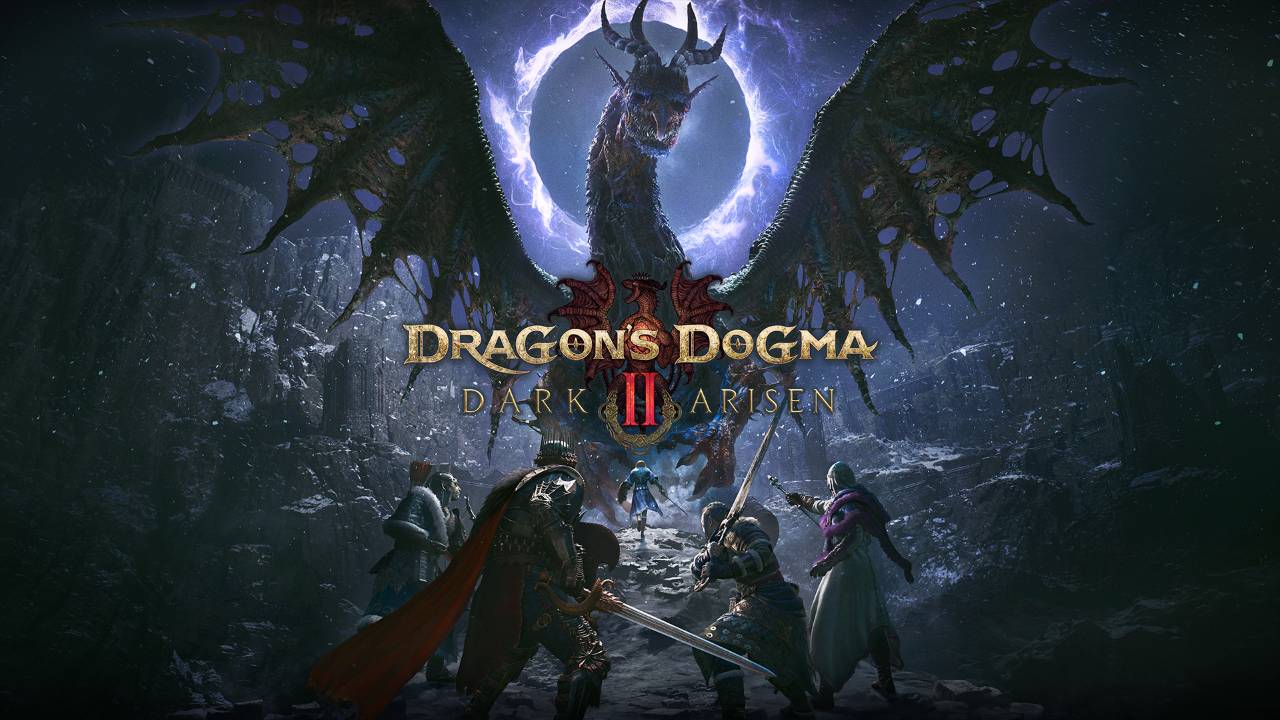
Dragon’s Dogma II: Dark Arisen Review
Table of Contents
In what has become another landmark year for Capcom, Dragon’s Dogma II: Dark Arisen is the latest addition to the publisher’s impressive streak of successes. Capcom’s 2026 lineup has been nothing short of remarkable, with Resident Evil Requiem continuing the legacy of its flagship survival horror franchise, Pragmata emerging as a breakout new IP, and Onimusha: Way of the Sword successfully reviving a beloved dormant series. Yet Capcom shows no signs of slowing down, capping off its momentum with an expansion to one of its most respected action RPG franchises.
The last major release in the Dragon’s Dogma series was the Dark Arisen expansion in 2013, followed by PlayStation 4 and Xbox One ports in 2017. Aside from the launch of Dragon’s Dogma II in 2024, fans have had few opportunities to revisit the world of Gransys through new content. That makes Dragon’s Dogma II: Dark Arisen a welcome return for the franchise. And to get it out of the way early: this is an easy recommendation, whether you’re a newcomer looking for the definitive Dragon’s Dogma experience or a veteran eager to embark on a new adventure.
Welcome back, Arisen
As we noted in our original review, the base version of Dragon’s Dogma II was already an outstanding action RPG. For those unfamiliar with the series, it stands out for its immersive world-building, unique and occasionally divisive gameplay mechanics, and the beloved Pawn system. At the heart of its narrative is the Arisen, the player’s character whose heart is stolen by a dragon, setting them on a journey to confront the beast and restore balance to the land.
Beyond its compelling premise, Dragon’s Dogma II delivers a distinctive RPG experience through a living, breathing world populated by NPCs that follow their own routines and react naturally to their surroundings. Combat is equally memorable, pitting players against common foes like goblins and undead creatures, as well as towering monsters such as Cyclopes, Griffins, and Minotaurs. These larger-than-life encounters encourage dynamic gameplay, letting players climb onto enemies, target specific body parts, and exploit unique weaknesses in battle.
Dragon’s Dogma II also offers a wide range of Vocations, from traditional Warrior and Mage archetypes to more specialized classes, ensuring that players can tailor their experience to their preferred playstyle. This variety adds significant replay value, rewarding those who wish to experiment with different weapons, abilities, and combat strategies.
One of Dragon’s Dogma’s defining features is the Pawn system, which allows players to create and customize an AI-controlled companion that accompanies them throughout their adventure. Pawns can be assigned different Vocations, personalities, and combat roles, providing valuable support both in and out of battle. Players can further strengthen their party by recruiting up to two additional Pawns, either from Riftstones scattered across the world or from other players’ creations, allowing for highly customizable party compositions to suit any challenge.
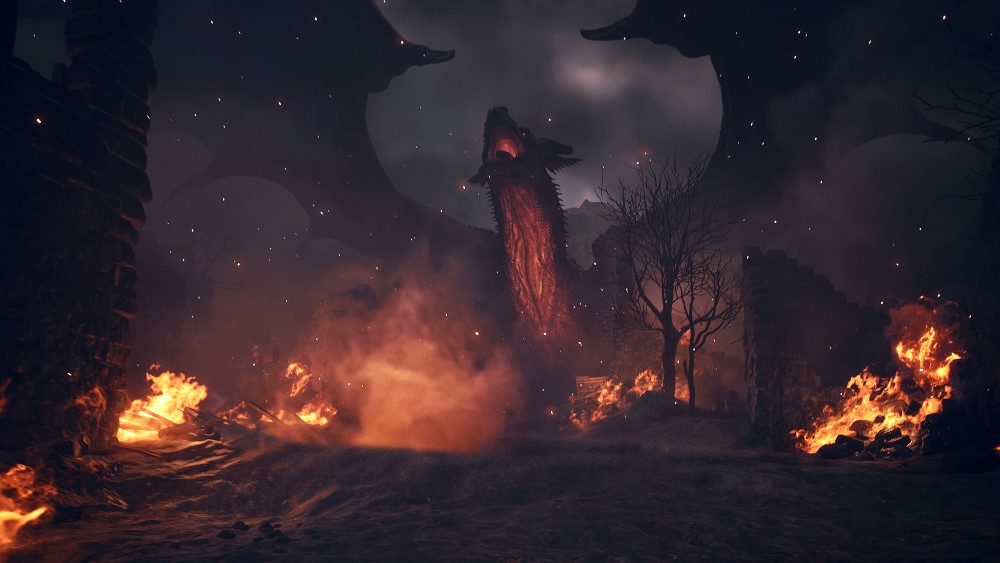
While Dragon’s Dogma II is not a multiplayer title in the traditional sense, it fosters a strong sense of community through its innovative Pawn system. Players can share custom-created Pawns online, letting these companions accompany fellow Arisen on their adventures. As Pawns travel between worlds, they accumulate valuable knowledge, learning the locations of treasure chests, quests, and points of interest, which they can then use to guide their creators. Capcom also contributes its own roster of official Pawns, some modeled after real-world personalities, further enriching the experience.
That said, part of what makes Dragon’s Dogma II unique is also what makes it divisive. The game embraces a deliberate and often demanding approach to exploration. Its vast world encourages travel on foot, but long journeys consume stamina and can make traversing the landscape feel time-consuming. Oxcarts provide an alternative means of transportation for a fee, allowing players to either watch the journey unfold in real time or rest until they arrive at their destination. However, these trips are not without risk, as carts can be ambushed by enemies and, in some cases, destroyed entirely, forcing players to continue their journey on foot.
Fast travel is similarly restricted. Ferrystones, the consumable items required for instant travel, are limited, while Portcrystals, which serve as fast-travel destinations, are scarce and must be strategically placed or discovered. These limitations are a deliberate design choice, encouraging exploration while making every journey feel meaningful.

Dragon’s Dogma II’s dynamic day-and-night cycle further reinforces this philosophy. Traveling after dark is significantly more dangerous, as stronger enemies emerge and visibility becomes severely limited without a lantern. Players can establish camps to rest until sunrise, but even these moments of respite come with an element of risk, as enemy attacks may interrupt sleep and destroy valuable camping equipment.
Despite these frustrations, there is a dedicated audience that appreciates Dragon’s Dogma II’s commitment to immersive, consequence-driven adventuring. Both the original game and its sequel found success by offering an experience that stands apart from more convenience-focused RPGs. This brings us to Dark Arisen, whose release is accompanied by a substantial update that further refines the experience and cements Dragon’s Dogma II: Dark Arisen as the most complete and definitive version of the game to date.
Prepare for Dark Arisen
Apart from bug fixes and technical refinements, the latest Dragon’s Dogma II update introduces several meaningful quality-of-life improvements. Most notably, additional fixed Portcrystals have been added throughout the world alongside the portable versions that players can place themselves. Settlements that previously lacked permanent fast-travel points now feature their own Portcrystals, making traversal across the game’s expansive map far more convenient. Complementing this change is the introduction of the Eternal Ferrystone, which is granted early in the adventure and can be used infinitely. Together, these additions significantly reduce the friction of long-distance travel and make exploring the world much more accessible.
The update also expands combat customization by adding two additional Weapon Skill slots for both the Arisen and their Pawns. This increased flexibility is particularly beneficial for advanced Vocations such as the Warfarer, allowing players to make fuller use of a broader range of abilities without sacrificing versatility. Additionally, a new Save Data Carry Over option enables players to begin a fresh journey while retaining their existing equipment, progression, and experience. For those seeking a greater challenge, the newly introduced Hard Mode raises the stakes with tougher enemies, increased damage output, larger health pools, and greater resistance to knockdowns. In exchange, players are rewarded with enhanced Experience and Discipline Point gains.
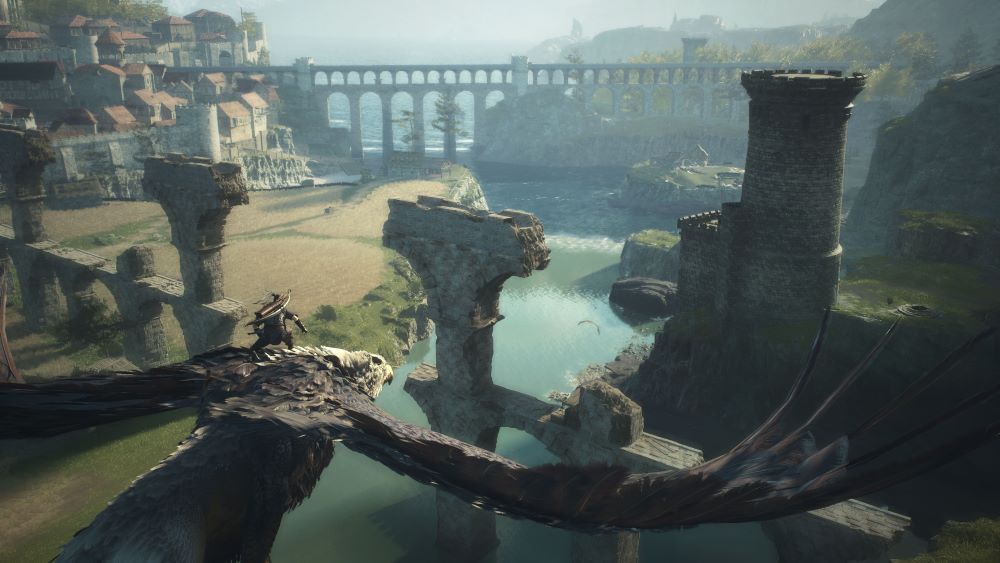
These improvements do more than simply streamline the base game. They make Dragon’s Dogma II far more welcoming to newcomers while simultaneously giving longtime players fresh reasons to return. However, these changes are merely the foundation for what is truly the centerpiece of this release. The update serves as a fitting prelude to the Dark Arisen expansion itself, which introduces the sprawling Lost Rites Dungeons and the completely new Norgan region, delivering the most substantial additions to the Dragon’s Dogma experience yet.
Welcome to Norgan
One of the most significant additions in Dragon’s Dogma II Dark Arisen is the introduction of the Lost Rites Dungeons, a series of new locations integrated directly into the base game. Using a newly acquired Compass item, players can discover and access all nine dungeons throughout the main campaign. Each presents its own set of challenges, ranging from enemy gauntlets and powerful boss encounters, including the return of the iconic Evil Eye, to environmental puzzles that require careful navigation and exploration. The rewards are well worth the effort, with players earning valuable equipment and weapons that surpass many of the offerings found in the base game. While these dungeons remain accessible after completion, their unique rewards eventually give way to more standard loot, encouraging players to tackle them as they progress through the adventure.
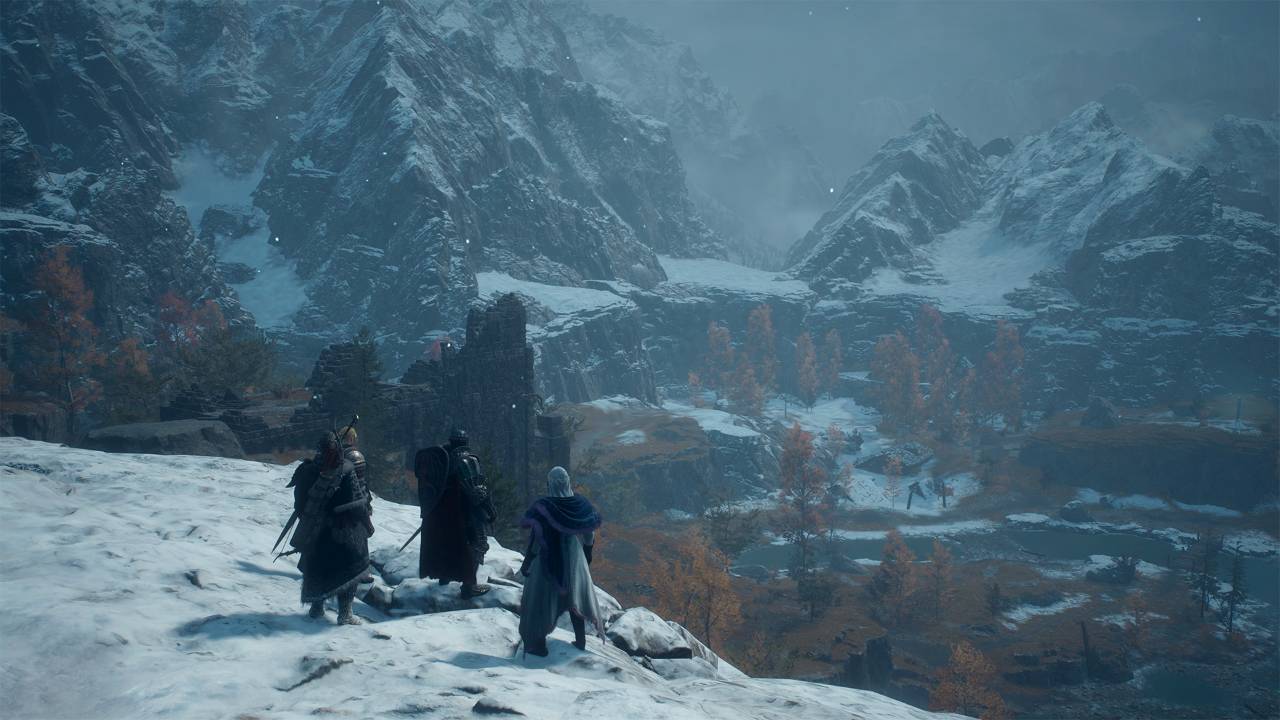
However, the true centerpiece of the Dragon’s Dogma II expansion is Norgan, a brand-new region located in the frozen northern reaches of the world. Accessible relatively early in the game, Norgan introduces a substantial new questline centered on reports of another Arisen and a mysterious new Dragon. Without delving too deeply into spoilers, the journey leads players into the region’s rich history while unraveling the stories surrounding the enigmatic Eir and the feared Fallen Dragon. The narrative content alone makes a compelling case for the expansion, delivering a meaningful adventure that feels closely woven into the broader Dragon’s Dogma mythos.
Norgan also offers a distinctly different exploration experience compared to the regions found in the base game. While smaller in overall scale, the area emphasizes verticality through its towering cliffs, winding mountain paths, and rugged terrain. To navigate these challenges, players gain access to the new Climbing Hook, a traversal tool that allows them to scale designated cliff faces and reach otherwise inaccessible locations. Although this mechanic adds an enjoyable layer of exploration, its implementation can occasionally be frustrating, as Climbing Hooks are consumable items. Once used on a climbing point, they remain in place permanently, requiring players to locate additional hooks to continue accessing new routes throughout the region.
The harsh climate of Norgan introduces environmental hazards that are as dangerous as its enemies. Powerful blizzards can suddenly sweep across the landscape, dramatically reducing visibility, obscuring the minimap, and steadily draining stamina. To survive these conditions, players can utilize the newly introduced Heatstones or seek shelter in campsites until the weather improves. The expansion also adds a new Frozen status ailment, which temporarily immobilizes affected characters until the effect naturally wears off or a Pawn intervenes to free them. These mechanics reinforce the hostile nature of the region, making every expedition into Norgan feel like a battle against both the environment and the creatures that inhabit it.
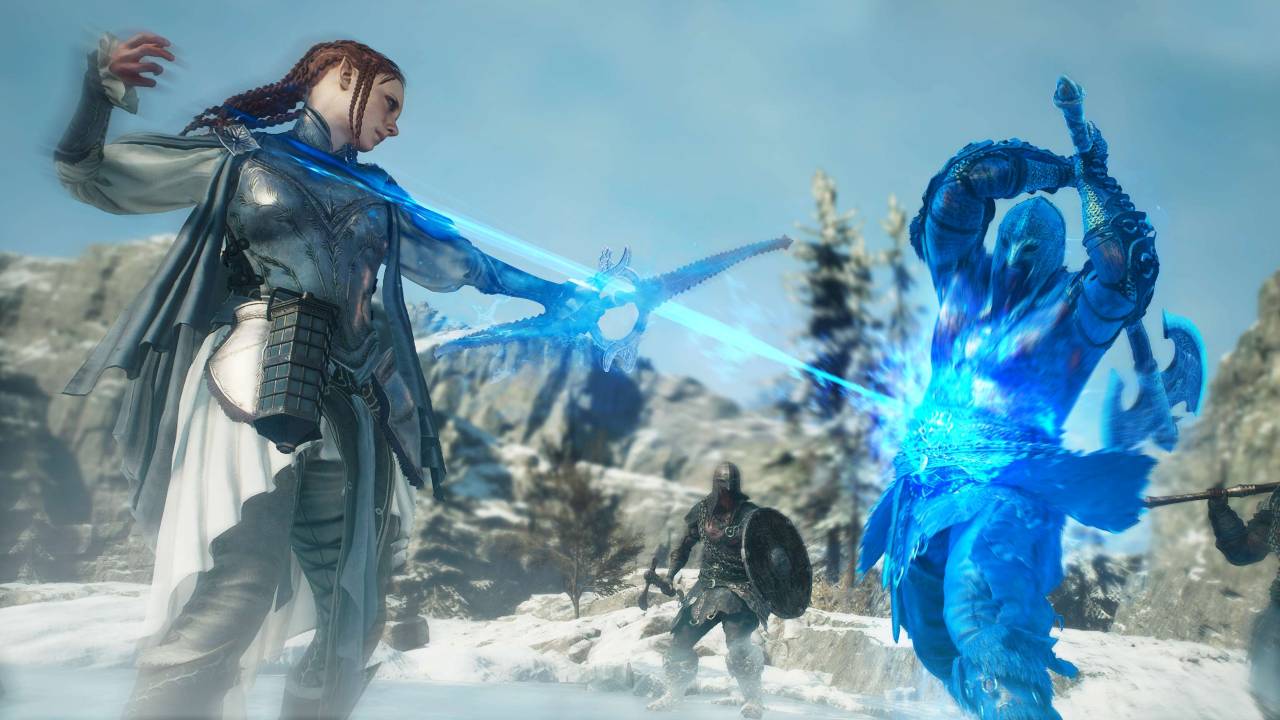
Norgan is not only defined by its unforgiving climate but also by the dangers that roam its wilderness. Hostile Beorcans frequently patrol the region alongside packs of Direwolves, attacking any travelers they encounter. The frozen frontier is also home to formidable large-scale enemies, including Griffins and the towering Norgan Giants, whose sheer size and strength make them every bit as threatening as the monsters found in the base game.
Fortunately, Norgan is not without its allies. One of the expansion’s more charming additions is Freki, a Direwolf that players can befriend during their journey. Depending on the type of meat she is fed, Freki can lead the Arisen to valuable items and hidden discoveries throughout the region. She also responds affectionately to interactions such as petting, serving as a reminder that not every encounter in Norgan is hostile.
In Dragon’s Dogma II Dark Arisen, Players will also eventually discover the Norgan Settlement, a welcoming hub populated by friendly NPCs who provide lodging, side quests, and a variety of useful services. Among the most important of these is the Appraisal system. Throughout the region, players can collect unidentified spoils from defeated enemies and gathering points. These items hold no immediate value on their own and must be brought to the appraiser, Jiera, who identifies them in exchange for Rift Crystals.
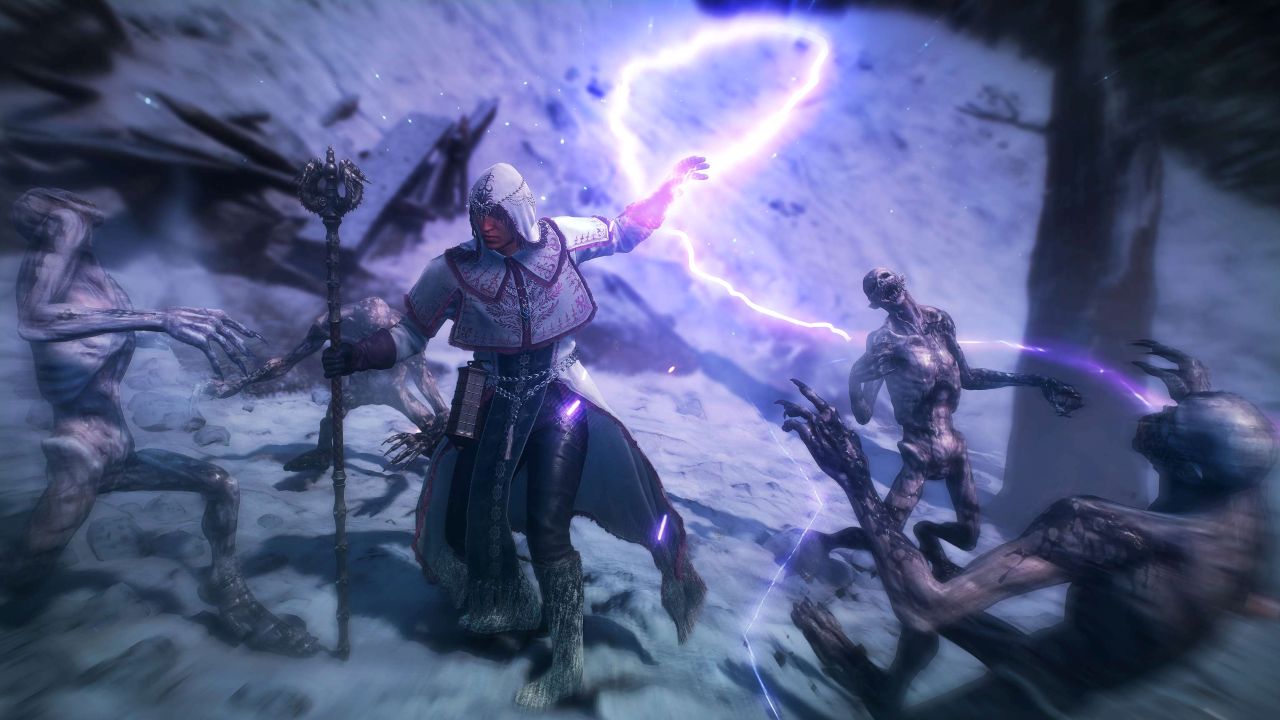
The system introduces a strong element of randomness, as the rewards are determined entirely by chance. This means players may receive powerful equipment perfectly suited to their current Vocation, or items intended for an entirely different playstyle. While this loot-based approach adds excitement and anticipation to every appraisal, it can occasionally become tedious, as players must repeatedly return to the settlement to identify their accumulated spoils. The fact that these unidentified items contribute to the game’s encumbrance system only adds to the inconvenience.
Even so, the rewards are generally generous enough to make the process worthwhile. Throughout our playthrough, the equipment obtained through appraisals consistently provided meaningful upgrades and remained effective all the way through the expansion’s campaign. More importantly, the Norgan adventure feels substantial enough to justify an entirely new region. Its emphasis on vertical exploration, harsh weather conditions, and distinct progression systems creates an experience that feels markedly different from the base game while still remaining faithful to Dragon’s Dogma’s core identity.
Without venturing into spoiler territory, the expansion’s story also places greater emphasis on player choice, with key decisions influencing how certain events ultimately unfold. Even after the main questline concludes, Norgan continues to offer meaningful endgame content, giving veteran players plenty of opportunities to take on additional challenges, hunt powerful enemies, and continue strengthening their characters.
As a result, Norgan succeeds in feeling far more than a simple add-on area. Together with its new story, traversal mechanics, environmental hazards, enemies, and progression systems, it forms a substantial expansion that significantly enriches the Dragon’s Dogma II experience and provides compelling content for both newcomers and longtime fans.
Verdict: Buy It!

What we liked:
- New Norgan Region and Lost Rites Dungeons offer new rewards and Challenges
- Compelling new story with interesting new characters
- Quality of life changes that make the game less tedious.
What we didn't like:
- Climbing Hooks being consumable items.
- Needing to constantly stop and have spoils appraised can feel tedious.
Dragon’s Dogma II was already an excellent action RPG at launch, despite some design choices that could occasionally make the experience feel tedious. Dragon’s Dogma II: Dark Arisen retains all of the strengths that earned the original game its acclaim. What elevates this edition further is the combination of substantial quality-of-life improvements and the wealth of new content introduced through the Dark Arisen expansion. Together, these additions make this the most complete and definitive version of the game to date, while also serving as yet another success in Capcom’s remarkable 2026 lineup.
While many of the newly introduced quality-of-life features would have been welcome much earlier, their arrival alongside the Dragon’s Dogma II Dark Arisen expansion feels particularly well-timed. The streamlined fast-travel options, expanded gameplay customization, and additional accessibility improvements help prepare players for the tougher challenges that await in the Lost Rites Dungeons and the frozen wilds of Norgan. These changes not only reduce some of the friction present in the base game but also allow players to focus more on exploration, combat, and adventure.
*Dragon’s Dogma II: Dark Arisen was reviewed on a PS5 with a review code provided by the publisher.
