

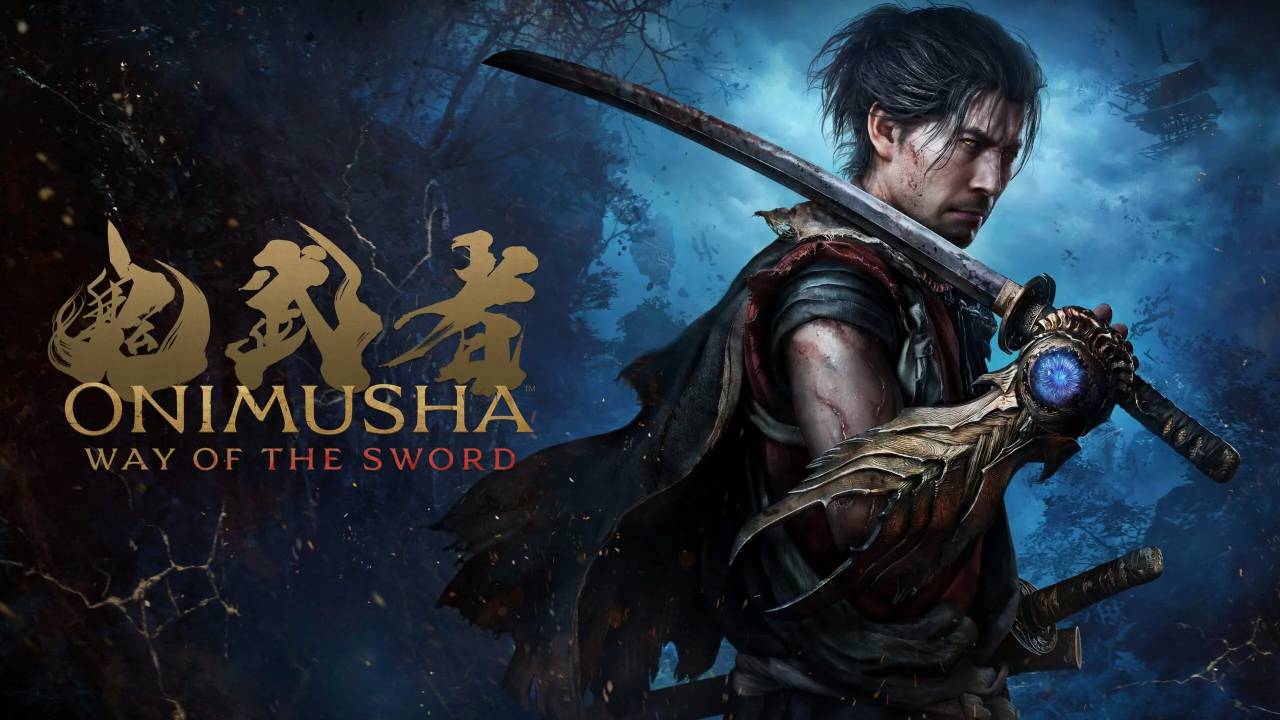
Onimusha: Way of the Sword Review
Table of Contents
Capcom has been enjoying a remarkable streak of successes across its portfolio. The latest mainline Resident Evil entry, Requiem, achieved tremendous acclaim, while Street Fighter 6 continues to thrive as the company’s flagship fighting game. Even their bold venture into new territory with Pragmata has paid off, earning praise from the gaming community for its inventive hacking‑shooter mechanics and the heartfelt dynamic between the protagonists.
With such momentum, anticipation naturally grew around what Capcom would tackle next. That question was answered with a surprise reveal at The Game Awards 2024: the revival of a long‑dormant franchise. After nearly two decades, 2026 marks the return of Onimusha, sometimes described as “Resident Evil with katanas.”
We’ll quickly spoil it and say that Onimusha: Way of the Sword is a banger and an absolutely strong game of the year contender, so read on to find out why!
Onimusha 101
The Onimusha series unfolds in an alternate vision of ancient Japan, a land plagued by monstrous beings called the Genma that emerged from Hell to prey on humanity. Standing against them are the Onimusha, warriors empowered by the mystical Oni Gauntlet, a gift from the Oni race, depicted here as benevolent entities.
This premise is straightforward yet compelling, and while Onimusha: Way of the Sword marks the fifth mainline entry, it abandons numbering in favor of a standalone narrative. The result is a story that’s accessible to newcomers while still offering longtime fans a triumphant return to battling the Genma in a dark fantasy setting steeped in Japanese culture, though arguably a weak point in the game.

In Onimusha: Way of the Sword, players step into the role of a young Miyamoto Musashi, wandering the land during the early Edo period in search of challenges to test his swordsmanship. His journey takes a turn when he encounters the Genma, is slain (he actually dies!), and resurrected with the Oni Gauntlet attached to his arm, transforming him into an Onimusha against his will.
Musashi’s dislike for what happened is evident from the outset, and the narrative follows his struggle to rid himself of the gauntlet, ultimately learning hard lessons, embracing his role, and confronting a great evil. The game also weaves in lighthearted and heartfelt moments between the darker themes, balancing intensity with a humanizing aspect.
Much of the charm comes from Musashi’s witty exchanges with other characters, delivered effectively in both English and Japanese. Despite initial concerns about accents, the English voice cast excels in emotional delivery, enhanced by smooth cinematics and extremely expressive facial animations. This tradition of grounding protagonists in real actors continues in Onimusha: Way of the Sword.
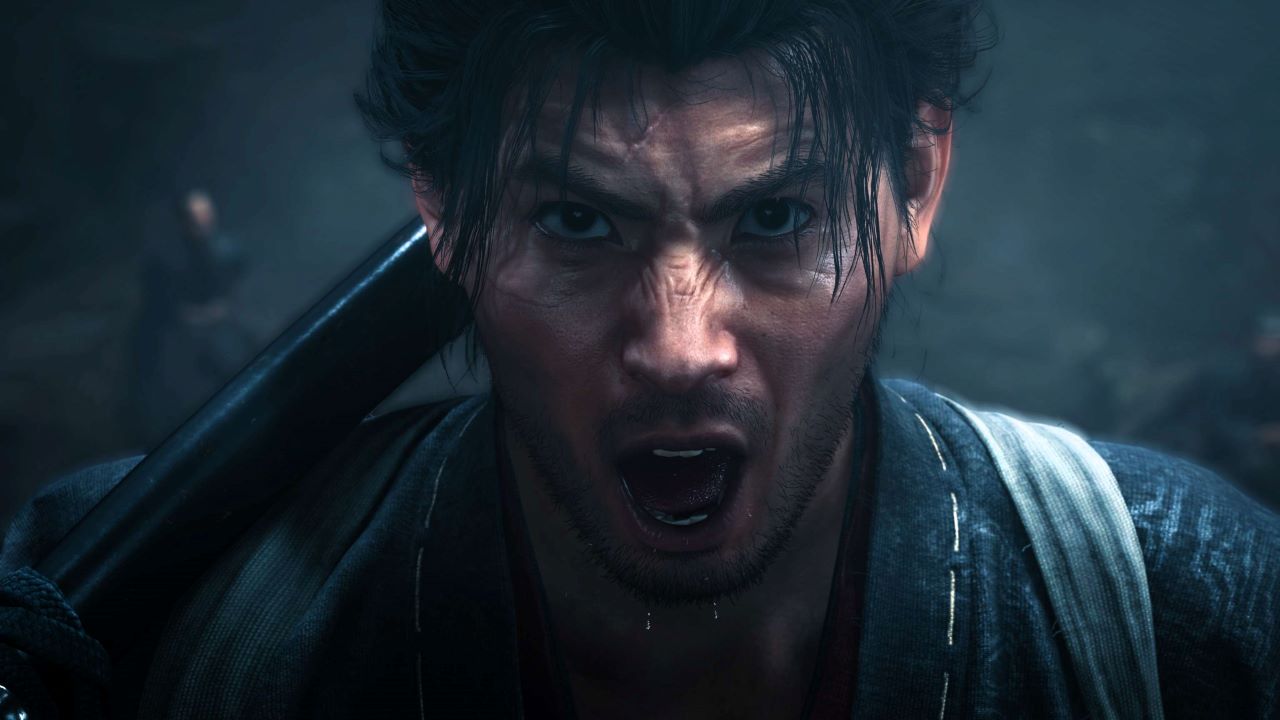
Similar to how, in the very first game, Japanese actor Takeshi Kaneshiro provided the voice and facial likeness of main protagonist Samanosuke Akechi, Capcom secured the likeness of legendary actor Toshiro Mifune, who famously portrayed Musashi in the 1950s Samurai Trilogy. His iconic range of expressions is faithfully recreated, giving Musashi a vivid personality that resonates throughout Onimusha: Way of the Sword.
The supporting cast also shines, with standout performances such as Musashi’s rival Sasaki Ganryu, whose unsettling presence adds depth to the narrative. Powered by the RE Engine, Onimusha: Way of the Sword delivers a cinematic experience that blends historical authenticity, mythological intrigue, and emotional storytelling, establishing Onimusha’s long‑awaited return as both a respectful homage and a bold new chapter.

Live by the Sword, Die by the Sword
It may be tempting to dismiss Onimusha: Way of the Sword as just another samurai game in the market. However, this latest entry in Capcom’s long‑dormant series distinguishes itself with a combat system that is rewarding, demanding, and extremely satisfying, offering a system that’s far beyond simple hack‑and‑slash mechanics. The battles are undeniably one of the game’s standout features, with such depth that it transforms gameplay into a tactical dance or a fast-paced affair.
At its core, Onimusha: Way of the Sword‘s combat revolves around one‑handed and two‑handed sword techniques, supported by a Stamina/Posture system that applies to both Musashi and his Genma foes. Over‑blocking drains stamina and leaves you vulnerable, but the same mechanic allows you to stagger enemies and finish them with a devastating “Break Issen.” Ranged combat also plays a role, with bows and enemy projectiles as another way encounters can vary.
Musashi’s toolkit includes dodges, parries, and the iconic Issen counter, though risky due to its strict timing, it can instantly kill Genma and yield bonus souls. Clever use of physics even lets parries and grapples send enemies crashing into walls or each other, creating openings for attack. Issen counters are a great way to give Musashi a tool that allows him to play in both defensive and offensive styles, and gives players the option to go with their own playstyle.
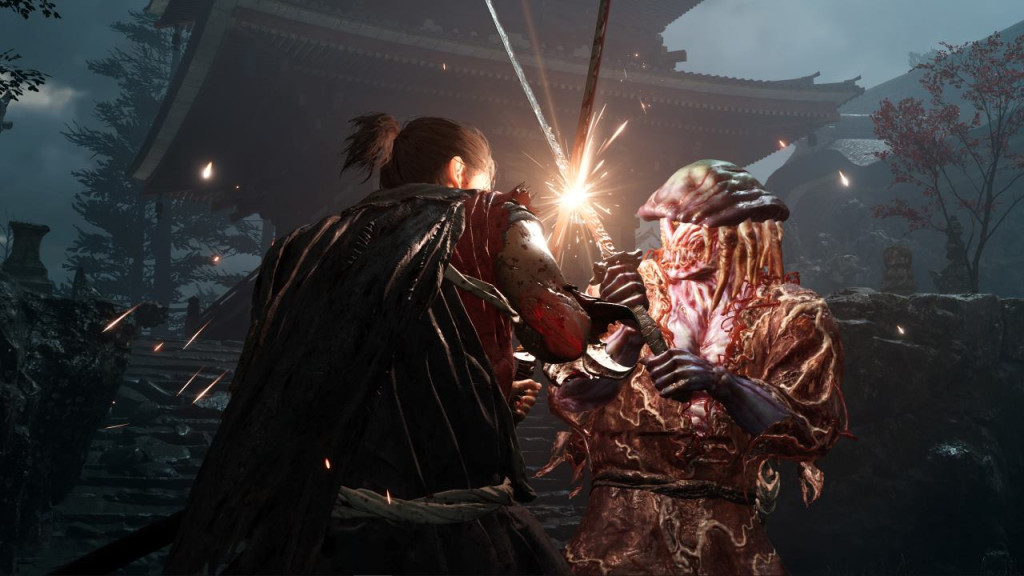
Onimusha: Way of the Sword pushes players far beyond simple hack‑and‑slash action because combat demands a careful balance of offense and defense, with multiple ways to drain Genma stamina while managing your own. Keeping pressure on enemies is crucial, as stamina quickly refills if you hesitate. Success is reliant on reading opponents and knowing when to dodge, parry, or attempt the high‑risk, high‑reward Issen counter.
Another unique mechanic in Onimusha: Way of the Sword is the Blade Barrage, triggered when Musashi and an enemy strike simultaneously. Winning this clash requires pressing alternating attack types rather than repeating the same input, forcing players to stay alert and deliberate in their choices. This, combined with stamina management, gives players the feeling that combat is tactical and reactive at all times.
Enemy design in Onimusha: Way of the Sword further elevates the experience. Genma are unsettling in appearance, rooted in Japanese aesthetics, and their attack patterns demand careful study. The game relies heavily on visual communication, and enemy behavior is relayed through clear visual cues that demand specific counters. Basic, weaponless strikes such as kicks and punches are best avoided with well‑timed dodges, while armed attacks are more effectively handled through parries.
More advanced signals add further complexity to encounters, like a bluish glow indicating an incoming grab, meaning you can counter it, while a pinkish glow warns of an unblockable strike. Each of these cues requires a distinct response, encouraging players to study enemy patterns closely and react with precision rather than relying on brute force.
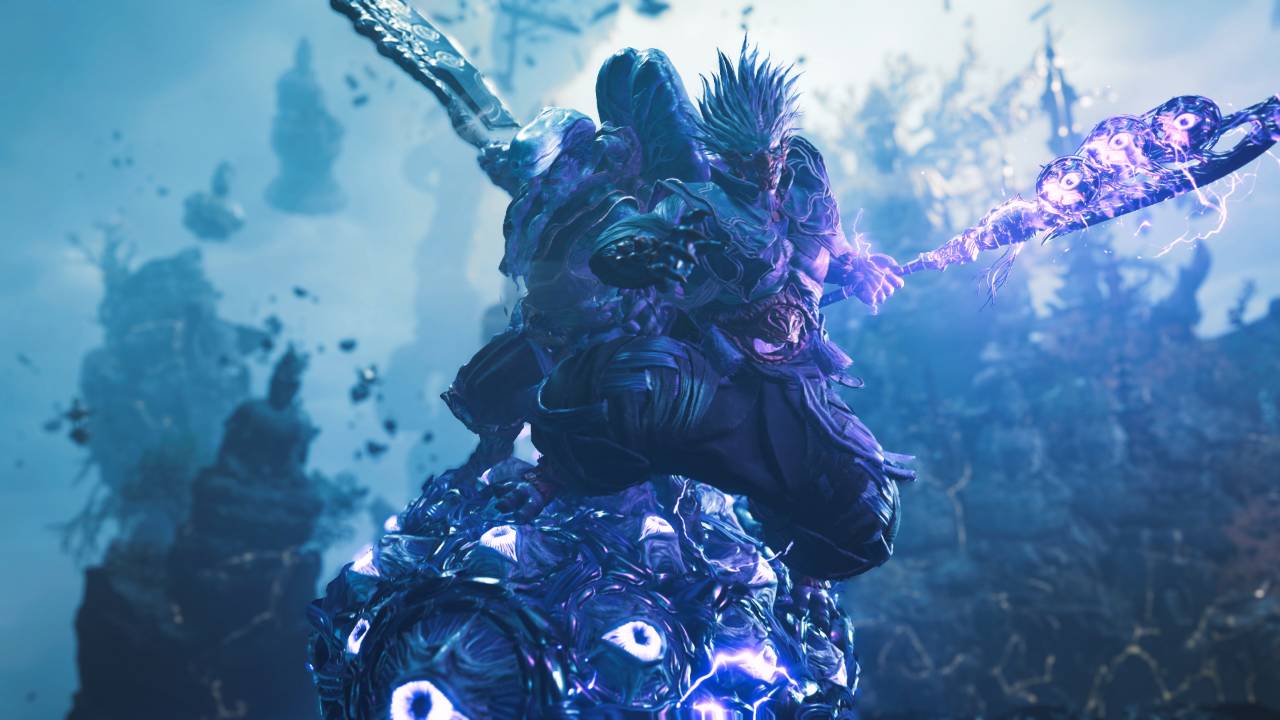
Admittedly, while you do have all these options to counter your enemies with, bosses and regular Genma in the world have certain habits that will force you to break your patience and attack aggressively. Some bosses tend to pace around a bit after a string of attacks, and groups of Genma might just stand and wait for a few seconds, during which you can either wait or strike first to get something started. Waiting during this time might not be a good idea because the stamina you worked so hard to drain might replenish, forcing you to drain it again.
Inherently, this might be something that doesn’t seem like a problem, but Onimusha: Way of the Sword provides players with so many tools and techniques to play around with, but not enough chances to do so because of the enemy’s tendency to break the attack cycle and stand around. Playing aggressively can solve this, but these enemy habits break the tension of a fight in a way that feels questionable.

As Onimusha: Way of the Sword progresses, Genma evolve, gaining new abilities and even absorbing souls to become more dangerous. Boss battles build on these foundations, featuring multiple life bars, shifting attack phases, and punishing difficulty reminiscent of Soulslike encounters.
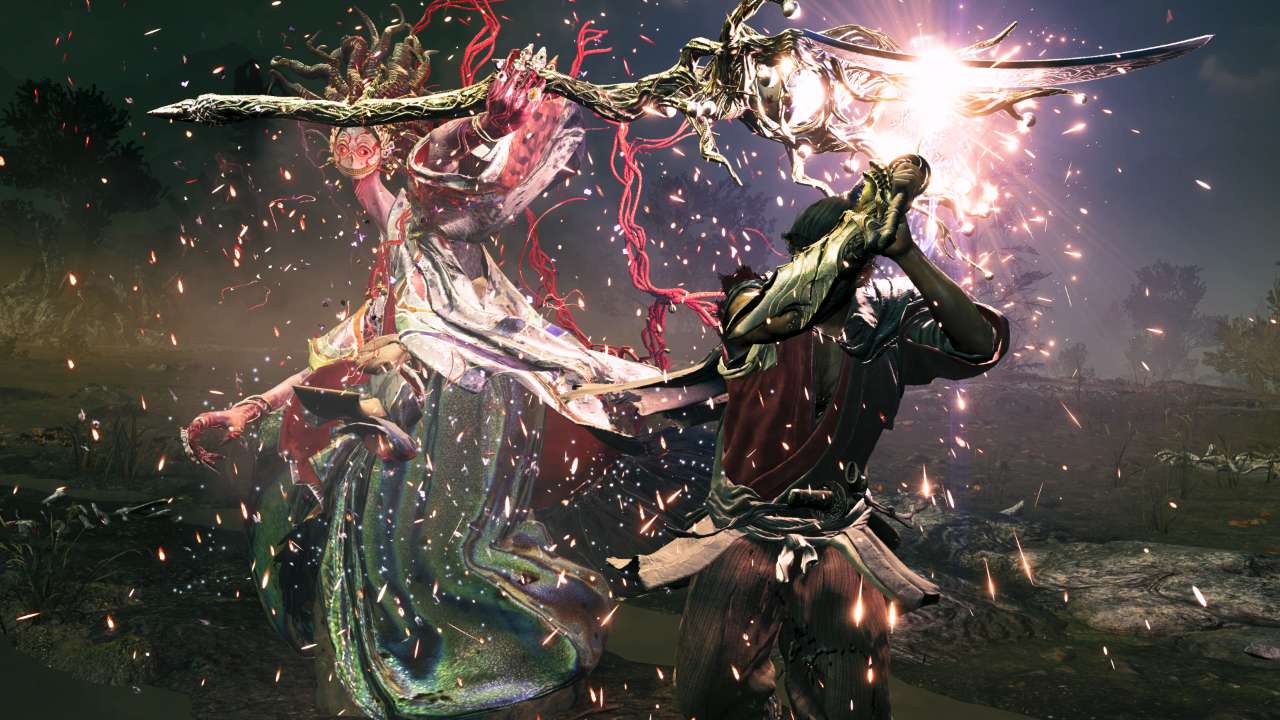
Boss encounters in Onimusha: Way of the Sword may sound punishing, and they are if you don’t study their patterns, but they deliver the same sense of triumph and satisfaction. Players are encouraged to master advanced techniques such as the Issen to quickly drain a boss’s stamina, opening up opportunities to target weak points. Purple marks can be struck to absorb souls for healing, while riskier red targets yield massive damage. The satisfaction of reading a boss’s patterns, executing precise counters, and steadily breaking them down makes each victory immensely rewarding.

Musashi’s journey in Onimusha: Way of the Sword also emphasizes growth beyond raw skill. The Genma souls he absorbs and resources he gathers enhance his abilities, increasing health, sword damage, and the reach of his Oni Gauntlet. Trinkets provide useful buffs, while skill upgrades expand his combat repertoire, unlocking stronger counterattacks, chained Issen strikes, and even fear effects that leave surrounding enemies vulnerable.
Adding further depth are Oni Tools, powerful abilities fueled by blue souls. Options like the Earth Shaker can drain large portions of enemy stamina, and each tool can be upgraded to become even more formidable. Together, these systems ensure that Musashi’s progression feels meaningful, blending player mastery with character development to create a challenging and deeply rewarding experience.
Genma Outbreak
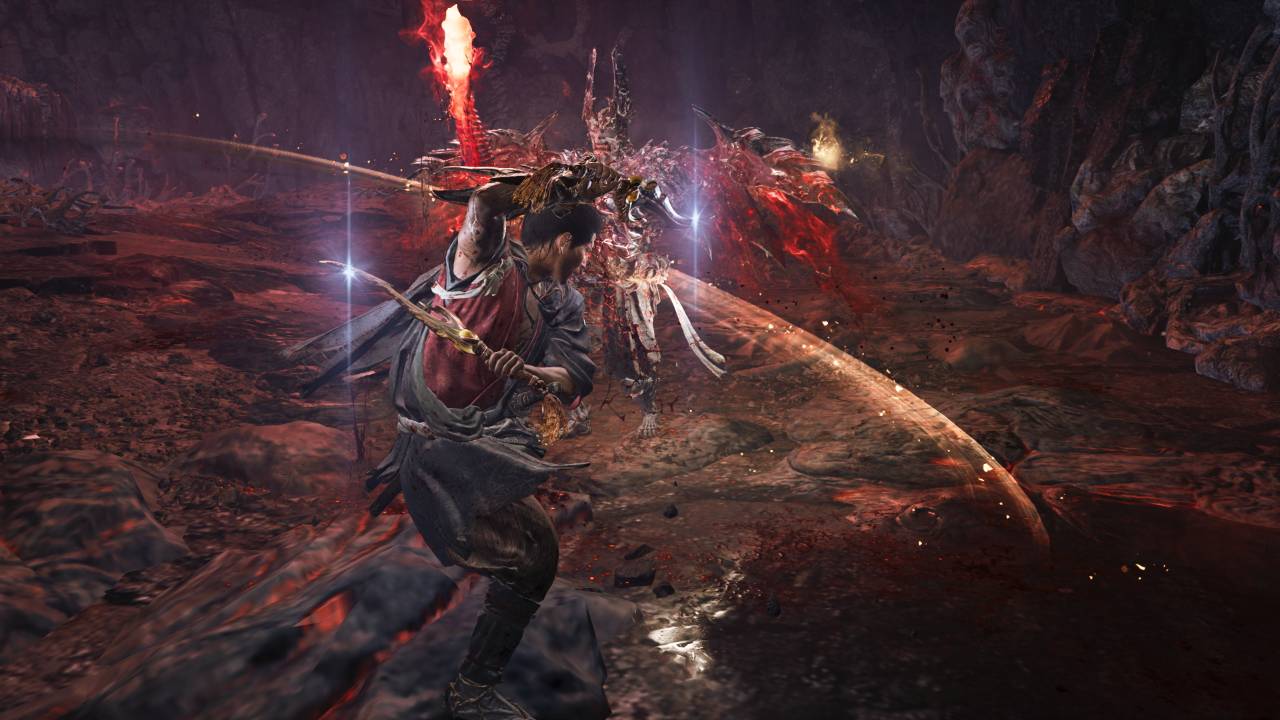
Onimusha: Way of the Sword is not an open‑world experience, but it does offer a variety of locations to explore, with Eastern Kyoto serving as the largest and most intricate hub. Wide linear, as it could be called, the area encourages exploration through its expansive layout, numerous locked gates, and shrines that function both as save points and fast‑travel nodes. While the central focus remains on completing the main campaign, players are given opportunities to engage in diversions such as uncovering treasure chests, some of which are cleverly hidden.
Side quests from NPCs add further variety, typically rewarding resources that can be used to upgrade weapons and abilities. Although these tasks often mirror the core gameplay loop of defeating Genma and absorbing rifts, they provide additional incentives to revisit areas and strengthen Musashi’s arsenal. Some rewards even come in cosmetics to give Musashi and his weapon a different look.
In Onimusha: Way of the Sword, encounters with Genma are frequent, particularly in Kyoto where groups of them appear at set locations. While this repetition can feel predictable, often with enemies threatening NPCs in the same areas, it does provide consistent opportunities to farm souls and sharpen your combat skills.

The game also integrates progression into exploration through Oni Tools. These abilities not only enhance Musashi’s combat effectiveness but also remove environmental barriers, unlocking previously inaccessible areas. This design encourages backtracking, rewarding players who revisit earlier zones with expanded maps, new side quests, and additional resources to strengthen Musashi. Eastern Kyoto, in particular, opens up significantly as you acquire more tools.
As you progress deeper into Onimusha: Way of the Sword, the game provides opportunities to refine your skills and take a break from exploration. A dedicated training area unlocks later in the campaign, allowing you to practice mechanics and even re‑challenge past bosses at varying difficulty levels. While revisiting these encounters may feel repetitive, the rewards, ranging from valuable resources to consumables, make the effort worthwhile, especially since the combat system of the game is quite deep and requires a certain level of mastery. There’s even a harder difficulty mode that unlocks once you finish the game if you want more punishment.
World‑building in Onimusha: Way of the Sword is also woven into side content, such as quests that task you with finding a character’s scattered pets, each discovery unlocking pieces of stories around Kyoto. Though these objectives can resemble checklist activities, they still provide meaningful rewards. To help manage these tasks, the Oni Vision system guides you toward objectives and even serves a purpose in combat.

From a technical standpoint, Onimusha: Way of the Sword embraces the advancements of modern gaming. Powered by the RE Engine, the visuals are striking, dark, atmospheric, and often unsettling. Eastern Kyoto is depicted in a bleak state, littered with corpses and blood, while the cinematics highlight the cruelty of the Genma in ways that reinforce the dark fantasy tone. Combat visuals are equally impressive, with detailed gore effects, enemies sliced apart at impact points, and sparks flying during sword clashes. A built‑in Photo Mode also lets players capture these haunting yet spectacular moments.
Complementing the visuals is an atmospheric soundtrack that heightens tension and mood. Battle themes inject a dose of energy into every encounter, while eerie tracks amplify the dread of Genma‑infested areas. Sound design is stellar, from the satisfying clang of parried weapons to the unsettling ambient effects, with every slash and clash rewarding players with a sense of extreme satisfaction to go along with their heightened adrenaline after conquering a tough encounter. With both English and Japanese audio options available and lip movement matching the language setting, players can fully immerse themselves in the grim yet captivating world of Onimusha: Way of the Sword.
Platform Performance
Onimusha: Way of the Sword is another fine example of Capcom and the RE Engine being extremely scalable across various hardware levels. If you’ve played the demo, you already have an inkling of what to expect, but more so for the Nintendo Switch 2 version of the game, you can instantly see that there is evident aliasing on the characters’ hair, and the shadow quality isn’t as high as the others. While the game does its best to keep up with the 30FPS cap, there are some drops here and there, especially when there are enemy groups. Still, the Switch 2 version is completely playable and is a great choice if you want to take demon hunting on the go, but just beware of the evident visual concessions.
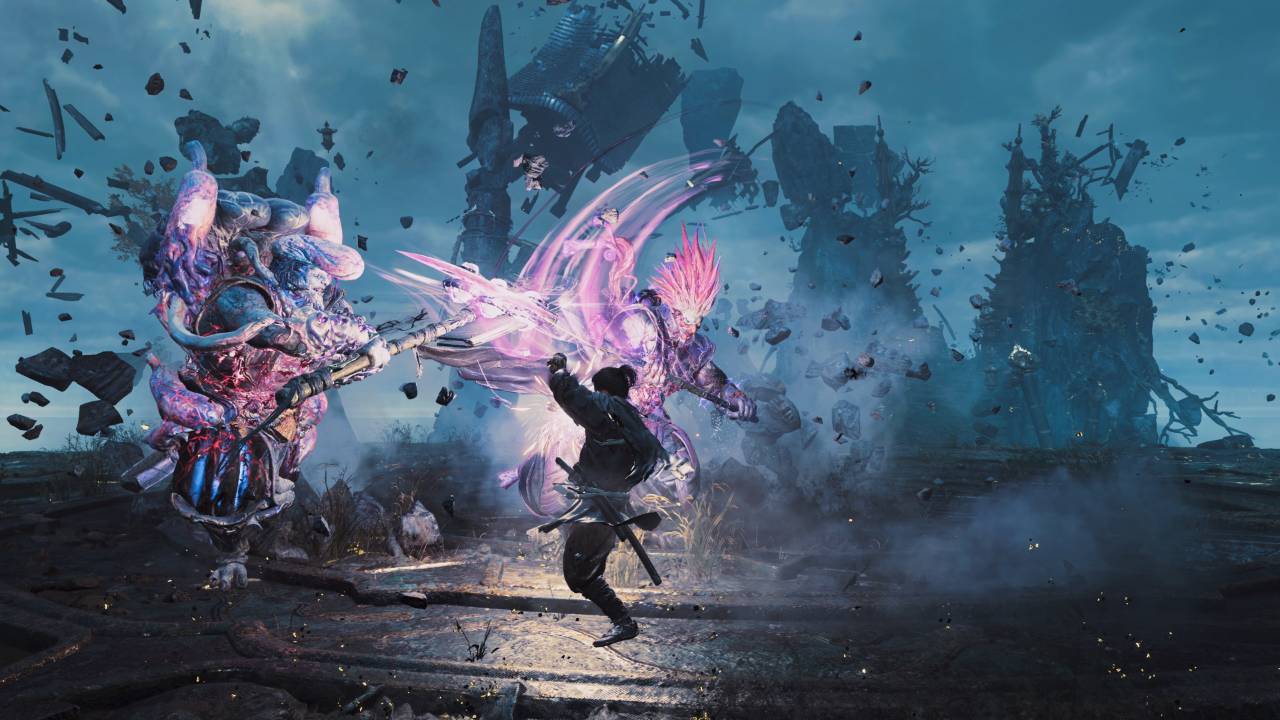
That said, getting the best experience means you’ll need to take your playtime over to the PS5/PC side of things, where you can access steady 60 FPS gameplay along with vastly improved visuals, fitting for a stunning title such as this. Lighting, in particular, looks amazing in Onimusha: Way of the Sword, and the particle effects really do well to highlight the intensity of the combat encounters, especially with the boss battles.
Verdict: 9/10 Buy it!

Onimusha: Way of the Sword is a triumphant return for the series, delivering a combat system that is both intricate, deliberate, and immensely satisfying, with extreme highs. Every duel demands precision, timing, and awareness, rewarding players who master its mechanics with exhilarating victories. Battles feel like true tests of skill rather than simple button‑mashing encounters, giving players a risk‑reward tension from the Issen counters to the tactical depth of stamina management and Blade Barrages.
This depth is matched by the game’s visual fidelity and moment-to-moment gameplay. Powered by the RE Engine, the environments are hauntingly atmospheric, with Kyoto’s bleak streets and the grotesque designs of the Genma immersing players in a dark fantasy world that is as beautiful as it is terrifying. Despite some quirks, the result is one of the most impressive action titles of this generation, and one of the best games you can play in 2026.
*Onimusha: Way of the Sword was reviewed on a PS5, PC, and Switch 2 with a review code provided by the publisher.

1 comment