

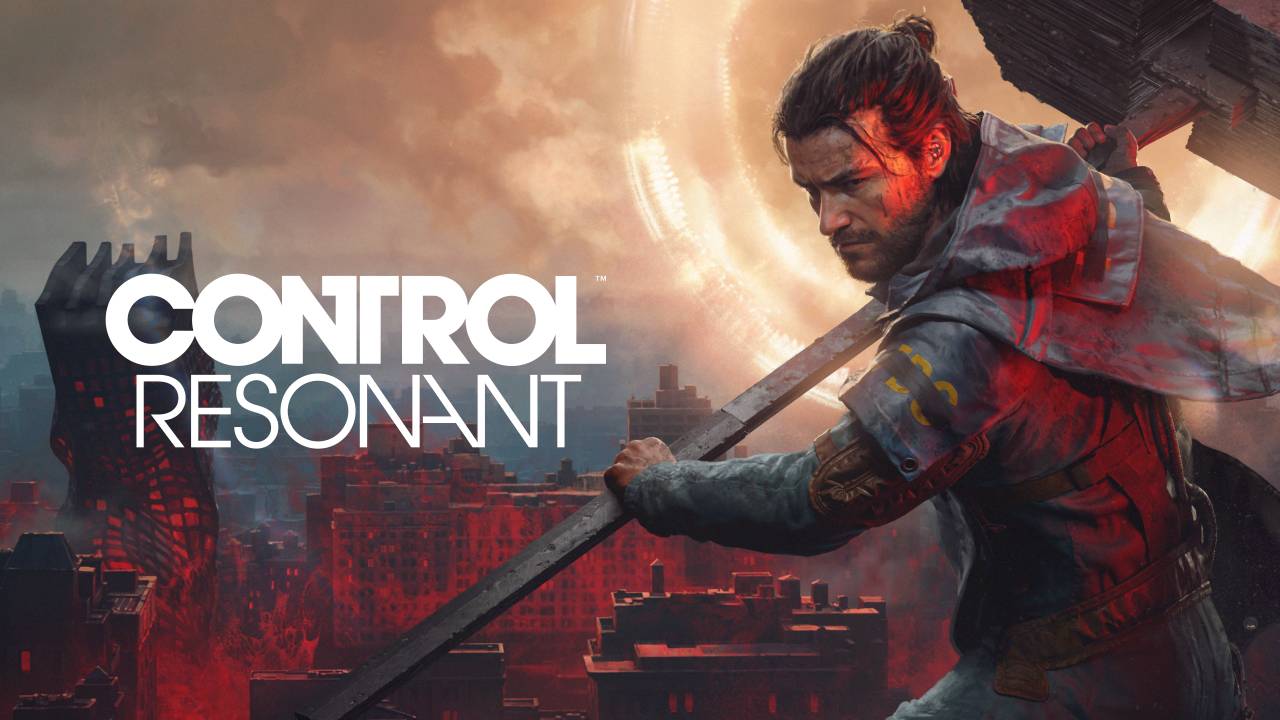
Control Resonant Review
Table of Contents
Control Resonant continues the narrative of Remedy Entertainment’s critically acclaimed Control, expanding its universe and picking up seven years after the Federal Bureau of Control sealed off the Oldest House to contain the Hiss, a hostile paranatural resonance that corrupts human minds and twists them into violent, otherworldly forms.
With the lockdown shattered, the Hiss has now spilled into New York City. FBC Director Jesse Faden is missing, leaving her brother, Dylan Faden, once the catalyst for the Hiss breach, to step forward. Newly released but tightly monitored, Dylan is tasked with helping the Bureau contain the spreading infestation and restore order to a city on the brink.
Haunted by his past and bound by the FBC’s watchful eye, Dylan must confront the very force that once consumed him.
Redemption Tale
Dylan Faden’s return is one of Control Resonant’s most intriguing narrative choices. Once positioned as the antagonist in the original game, his shift into a reluctant protagonist gives the sequel a compelling emotional core. His struggle against the darkness within him, and his attempt to reclaim his identity from an organization that fears and distrusts him, anchors the story as he navigates an infested New York and uncovers the truth behind the breach.
Combat takes a dramatic turn from the first game’s shooter‑centric design. While Jesse Faden relied on her Service Weapon and psychic abilities to survive the shifting halls of the Oldest House, Control Resonant pivots toward a melee‑focused system that keeps the franchise feeling fresh, even for returning players.
Dylan wields the Aberrant, a versatile paranatural weapon that shifts between three raw forms — Balanced (Axe), Speed (Tonfas), and Power (Glaive). Each caters to a distinct playstyle, and progression unlocks secondary forms such as Long‑ranged (Whip), Sharp (Drill), and Crush (Hammer).
These secondary types can be charged to inflict Falter (Stagger) damage, allowing players to either drain an enemy’s health or stagger them for a brutal execution. The system encourages experimentation, letting players mix and match weapon forms, finishers, and modifiers to build a personalized combat rhythm.
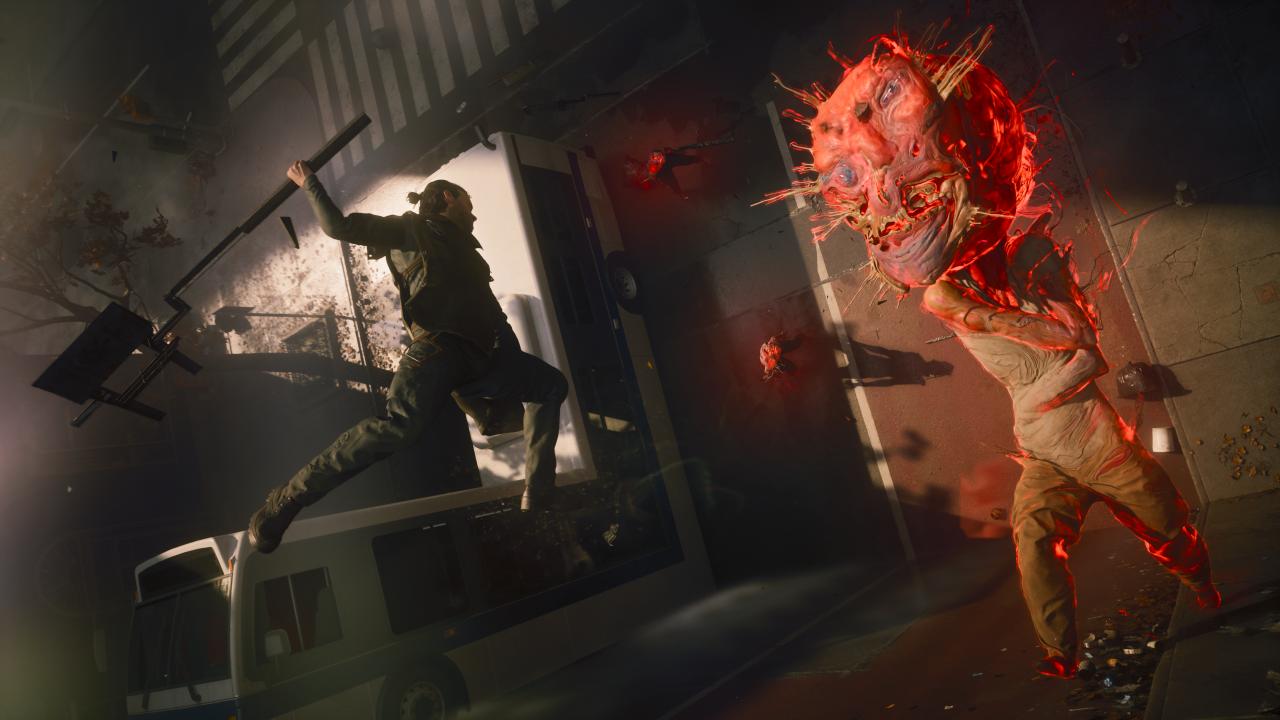
Supplementing Dylan’s melee toolkit are powers earned by defeating Resonant Entities. These abilities echo Jesse’s arsenal from the original game, including Barrage (a projectile strike), Shield (a defensive barrier), and Summon (which recruits a Hiss ally). Combined with the Aberrant’s flexibility, these powers round out Dylan’s combat identity and give him the tools needed to face the increasingly varied threats across New York.
Progression ties closely to materials gathered from enemies and the game’s primary currency, The Source. Through The Gap, a stylized representation of Dylan’s mind, players can expand skill trees, upgrade the Aberrant, and craft Artifacts that provide incremental stat boosts, resulting in a robust customization system that rewards experimentation.

The Hiss return with new variants that require fresh strategies. Smaller creatures swarm aggressively, while commander‑type enemies summon reinforcements and force players to prioritize threats. Control Resonant also introduces Mold entities, hostile forces that oppose the Hiss but pose their own dangers. They mirror the Hiss in structure, complete with heavy units and infection‑based attacks that can quickly overwhelm the unprepared.
Status effects play a major role in shaping encounters in Control Resonant. Executing faltered enemies grants Dominance, a temporary but powerful offensive buff that breaks through defenses. Burning and Infected statuses accelerate Falter buildup, but players can also suffer these effects, often with devastating consequences.
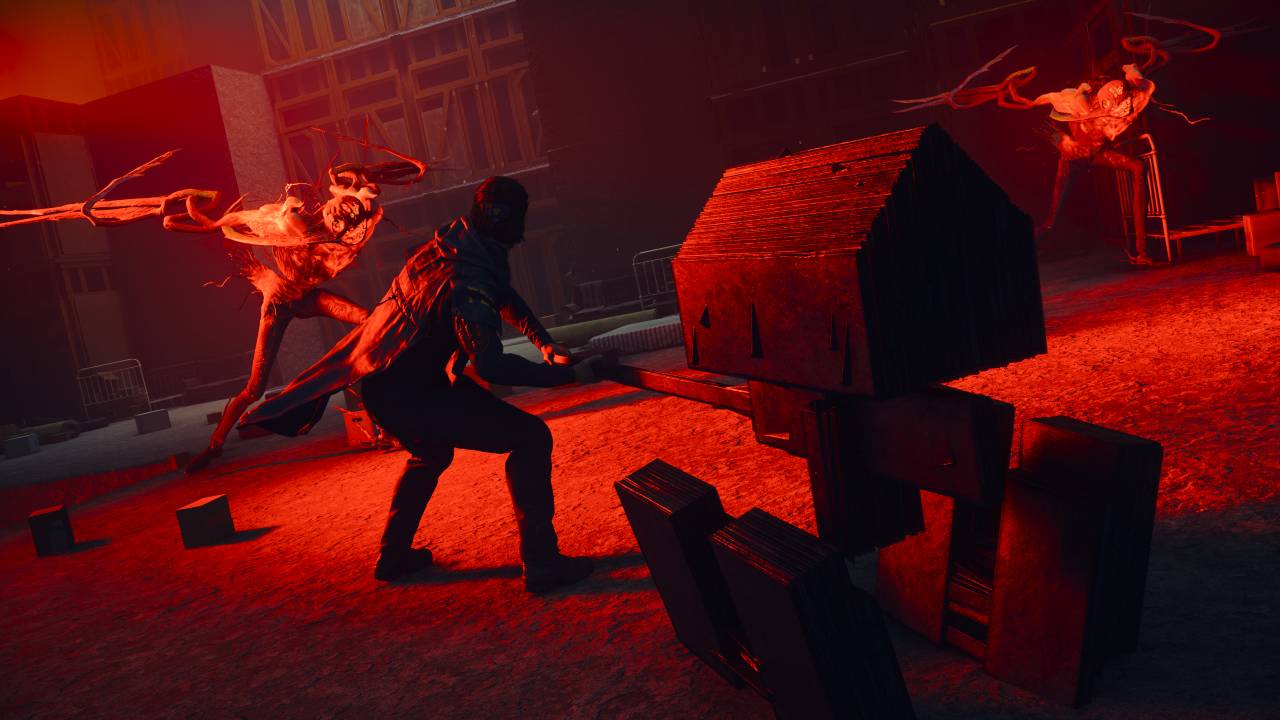
Control Resonant‘s shift to melee combat makes encounters more intense and, at times, overwhelming. Without the ranged crowd‑control options of the first game, players who fail to exploit weaknesses or who enter areas underleveled may find enemy damage stacking quickly. It can be punishing, especially early on.
While Control Resonant does not offer traditional difficulty settings, it has an Assist Mode that provides granular toggles for enemy damage, player damage, and other modifiers. The default experience can be harsh if players neglect Dylan’s development or take on high‑level foes too early, but Assist Mode ensures the game remains accessible without compromising its core challenge.
Assault on New York
Another big departure from the original Control to Control Resonant is the introduction of an open‑world New York. Where Control confined players to the shifting corridors of the Oldest House, Control Resonant expands the experience into a fully reconstructed Manhattan, transforming the game from a contained supernatural thriller into a sprawling sandbox.
Starting in Downtown, players can venture into four additional Burroughs: Central, Western District, The Park, and the Evacuation Zone. Each biome features its own atmosphere, threats, and progression systems. As you raise an area’s level, you also increase Dylan’s character level, unlocking new skills and improving vendor access, material drops, and supply caches.
Every Burrough offers unique Tasks that reward materials, cosmetics, and rapid area‑level progression, which refresh whenever your Resonant level increases. Each region is also guarded by its own Resonant Entity, a multi‑phase Area Boss that delivers some of the game’s most memorable encounters. Defeating them boosts your Resonant level and grants a new power, but also strengthens enemies across the map and resets all Tasks, creating a dynamic push‑and‑pull of risk and reward.

Side Missions further flesh out the world, offering bite‑sized stories involving both New York residents and FBC personnel. These missions, ranging from investigating a bizarre illness that causes explosive cranial anomalies, dealing with twins who ingest sentient mold, or revisiting the Panopticon’s eerie legacy, enrich the game’s lore and highlight the strange, often unsettling fabric of Control Resonant’s universe.
The open world undeniably broadens the scope of discovery, but it also introduces potential bloat. Because of the game’s difficulty curve, players are nudged toward completing Tasks and side content to stay competitive. While optional, these activities can feel repetitive over time, including the Resonant bosses, though they remain valuable for progression.

Exploration is largely freeform, but some guardrails are missing. It’s possible to wander into areas or story missions without the traversal abilities or combat skills required to complete them. While you can exit these sequences and return later, the time spent attempting the impossible can be frustrating, especially early on.
Once Dylan’s abilities come together, however, Control Resonant begins to shine. By mid‑game, traversal becomes fluid, combat becomes more manageable, and the world’s physics grow increasingly fantastical. Gaining full control over gravity transforms exploration into a liberating experience, floating through warped cityscapes and paranatural anomalies delivers the sense of true open‑world freedom the game strives for. Reaching this flow state makes the early grind feel worthwhile.

Expect Control Resonant to take around 30–40 hours to finish, depending on your skill level and how much of Manhattan you choose to explore. Completionists can easily spend 50–60 hours uncovering everything, roughly triple the length of the original game.
Narratively, the sequel expands on Control’s foundations, diving deeper into fringe science‑fiction concepts and paranatural phenomena. At first, the sheer scale may feel like it dilutes some of the original’s intimate charm, but the story ultimately grows into something larger, stranger, and more ambitious. That ambition can overwhelm newcomers, which is why experiencing the first game beforehand is highly recommended. The lore is dense, and the world is layered, so starting with Control is almost essential before diving into Resonant.
Verdict: Buy It!

What we liked:
- A bold and ambitious open-world built on the foundation of Control.
- Lore is expanded upon with the introduction of Dylan Faden as the protagonist.
- Endgame gameplay when everything comes together is nothing short of fantastic.
What we didn't like:
- Lack of guardrails could make the combat frustrating.
- Open world bloat drag the momentum.
- Can be overwhelming at times.
Control Resonant is a bold and ambitious open‑world action‑horror experience that builds on the foundation of Control and expands it in every direction. Its sprawling Manhattan sandbox, layered combat systems, and dense lore crack open the series’ paranatural universe and let it spill freely across a chaotic New York, leaving players to explore, survive, and master it.
The sheer volume of content can feel overwhelming at first, but once you find your rhythm, Control Resonant reveals itself as an expansive and emotional journey. Its gameplay depth and worldbuilding are rich, intricate, and best savored by players willing to take their time. There’s a lot to absorb, and the game rewards curiosity and patience with some of the most striking moments Remedy has ever crafted.
*Control Resonant was reviewed on a PS5 with a review code provided by the publisher.
