

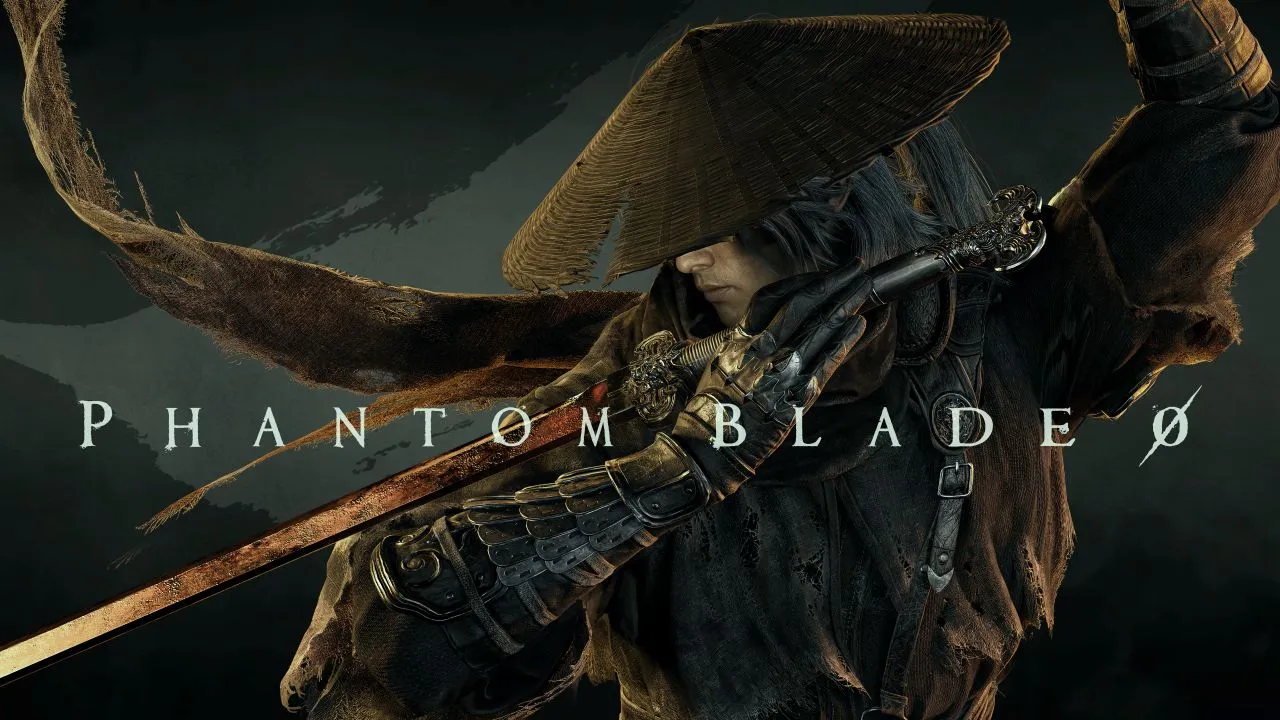
Phantom Blade Zero Review
Table of Contents
Developed by China-based studio S-Game, Phantom Blade Zero quickly emerged as one of the most highly anticipated action RPGs in recent memory, captivating players with its striking visual identity and bold creative ambition. What began as an impressive showcase of style and spectacle has evolved into a title with genuine substance, raising expectations with every new reveal.
After spending extensive time with the game, it’s clear that Phantom Blade Zero more than lives up to the hype, delivering a thrilling and deeply rewarding adventure fueled by intense battles, demanding encounters, and an extremely flashy combat system that remains both approachable for newcomers and satisfying enough for genre veterans, making a strong case as one of the best games of 2026.
Soul and Kungfu
Dubbed a “Kungfupunk” adventure, Phantom Blade Zero unfolds in the Wulin, also known as the Phantom World, a setting where ancient Chinese aesthetics seamlessly blend with steampunk-inspired technology. The result is a world unlike any other, where intricate mechanical devices and advanced weaponry exist alongside traditional martial arts and centuries-old customs. While the fusion of these seemingly opposing elements is ambitious, Phantom Blade Zero successfully creates a distinct identity that feels both imaginative and cohesive.
Beneath its visual spectacle lies a grim and unforgiving world. Ruined landscapes, fallen warriors, and unspeakable horrors serve as constant reminders that danger lurks around every corner. The game’s dark fantasy atmosphere is ever-present, enhanced by its wuxia influences and an underlying sense of tragedy that permeates every encounter.
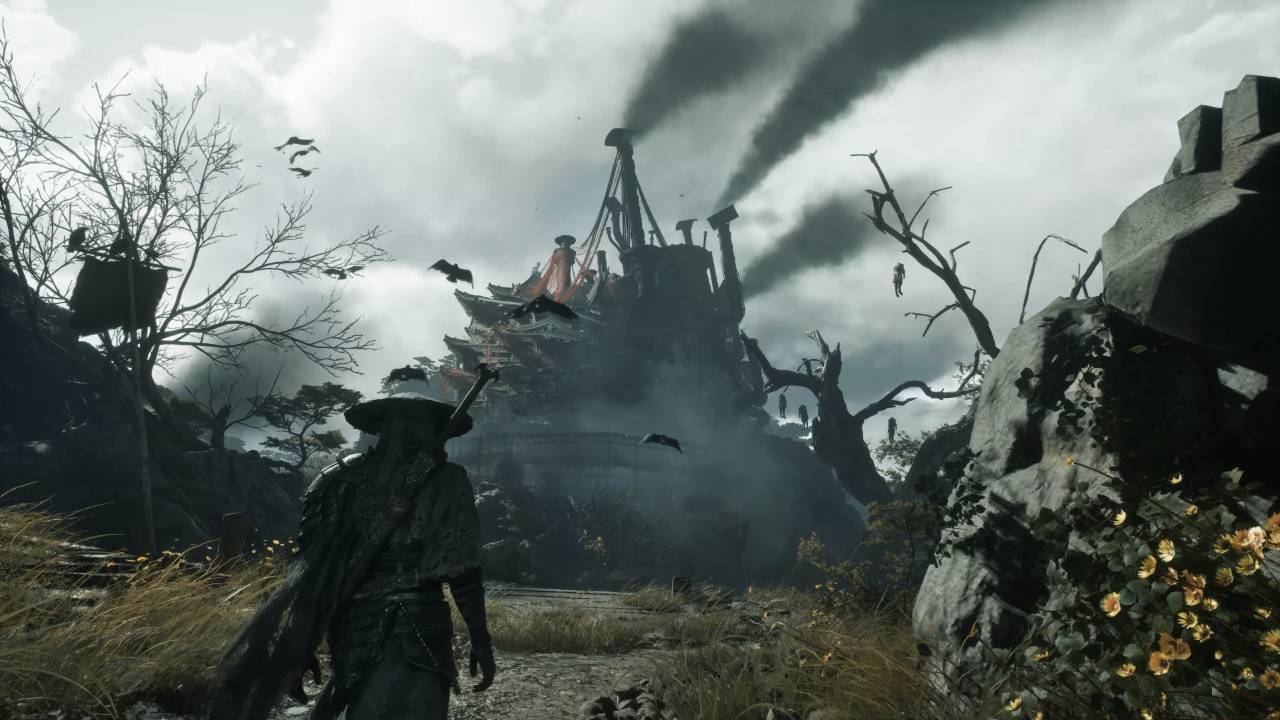
Players assume the role of Soul, an elite assassin belonging to an organization known as the Order. After being falsely accused of murdering the Order’s leader, the Shadow Sovereign, Soul becomes the target of a relentless manhunt led by those he once considered allies. Chief among them is Zuo Shang, the newly appointed Shadow Sovereign and Soul’s sworn blood brother since childhood.
Their inevitable confrontation ends in catastrophe, with both combatants suffering mortal wounds. On the brink of death, they are rescued by a mysterious figure known only as the Flesh Sculptor. Choosing to accept the power of the Tainted Heart, Soul and Zuo Shang are granted a second chance at life, but at a terrible cost. They have only 66 days before a deadly poison claims them both, setting the stage for a desperate race against time. As Soul searches for a way to escape his fate, he must also uncover the truth behind the conspiracy that led to his downfall.
The narrative presents a compelling mystery that keeps the adventure moving forward. While the central theme of former brothers-in-arms turned bitter rivals may feel familiar, Phantom Blade Zero finds its strength in the questions surrounding the Shadow Sovereign’s death and the deeper secrets tied to both Soul and Zuo Shang. What initially appears to be a straightforward tale of betrayal gradually reveals layers of intrigue that make the journey worthwhile. Combined with several emotionally charged moments, the story delivers an engaging experience from beginning to end.
Soul himself proves to be a strong protagonist. Though he embodies the determined and battle-hardened warrior archetype, he is far from emotionless. His willingness to help others and his genuine concern for those around him add a layer of humanity that makes him easy to invest in. Likewise, the various characters encountered throughout the journey leave memorable impressions through their distinct personalities and interactions. While many eventually settle into their gameplay functions as merchants or service providers, their introductions help enrich the world and give it a sense of life beyond Soul’s personal quest.
A Souls Game This is Not
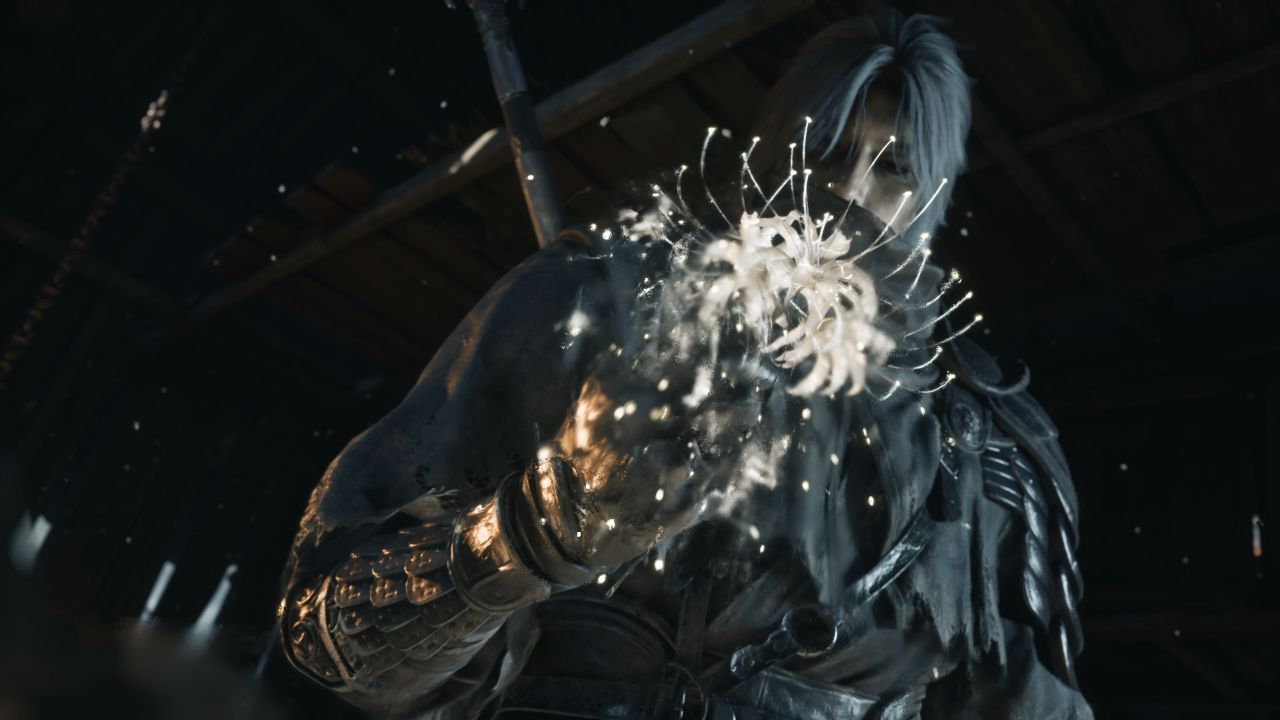
If there’s one aspect of Phantom Blade Zero that immediately stands out, it’s the combat. While early impressions may have led some to compare it to “Souls” titles due to its demanding encounters and atmospheric presentation, Phantom Blade Zero quickly establishes its own identity through a combat system that prioritizes aggression, precision, and cinematic martial arts action.
At the heart of the experience is Sha-Chi, an energy system that governs advanced combat techniques throughout the Phantom World. Unlike traditional action RPGs where stamina dictates nearly every action, basic attacks in Phantom Blade Zero do not consume Sha-Chi, allowing players to remain constantly engaged in battle. More powerful techniques and extended combo strings, however, draw from this resource, requiring thoughtful management during intense encounters.

Defending also comes at a cost. Holding a guard steadily drains Sha-Chi, discouraging overly cautious play and pushing players to actively engage with enemy attack patterns. Both Soul and his opponents possess Sha-Chi meters, and depleting an enemy’s meter leaves them vulnerable to a devastating guard break, creating valuable opportunities to inflict significant damage before they recover.
Combat becomes even more dynamic through the game’s emphasis on timing and reaction. Enemy attacks are clearly telegraphed through visual cues, with different attack types demanding specific responses. Well-timed parries allow Soul to execute a Ghoststep, fluidly repositioning behind an opponent for a tactical advantage, while perfectly timed evasions against unblockable attacks create similarly rewarding openings. These mechanics transform every encounter into a fast-paced exchange where maintaining offensive pressure is just as important as staying alive.
The brilliance of the system lies in how it encourages players to remain proactive. Since successful parries do not consume Sha-Chi, mastery doesn’t come from patiently waiting for an opening but from meeting enemy aggression head-on. The result is a combat rhythm that feels remarkably close to the elaborate martial arts duels seen in classic kung fu cinema, with combatants exchanging blows in rapid succession rather than simply taking turns attacking and defending. It’s an exhilarating approach that consistently rewards skill, confidence, and precision.
Just as impressive is the level of authenticity behind every encounter. Every combat animation in Phantom Blade Zero was motion-captured using real performers, giving each movement a natural weight and fluidity. This commitment to realism is further enhanced by the involvement of renowned Hong Kong filmmaker and martial artist Donnie Yen, who served as a consultant for the project while also lending his likeness, voice, and signature fighting style to one of the game’s characters. The attention to detail is evident throughout, elevating every duel into a visually stunning spectacle.
That dedication to martial arts extends into the game’s extensive arsenal. Throughout the adventure, Soul acquires a wide variety of weapons discovered during exploration or recovered from fallen enemies. Players can equip two primary weapons alongside a pair of specialized tools known as Phantom Edges, powerful armaments with limited uses that can be replenished at Bells, which serve as the game’s checkpoint, save, and fast-travel system.
Apart from simple differences in speed or damage output, the game’s weapon selection encourages experimentation through distinctive mechanics and playstyles. One-handed swords, heavy weapons, and dual-wield options each offer unique advantages, while some weapons introduce entirely new ways to approach combat. Certain blades alter defensive capabilities in exchange for improved resource management, while others unlock unconventional techniques that dramatically change how encounters unfold. As a result, discovering a new weapon often feels less like finding an upgrade and more like learning an entirely new martial arts discipline, ensuring that combat remains fresh throughout the journey, constantly rewarding curiosity and skill development.
The care and craftsmanship behind Phantom Blade Zero’s combat system are evident from the moment you step into the Phantom World. Every encounter reflects the game’s commitment to recreating the speed, fluidity, and spectacle of cinematic kung fu battles. Even standard enemies demand your attention, attacking with the precision of trained martial artists. Every opponent is designed to keep players engaged and alert, whether they are agile swordsmen who relentlessly pressure you or hulking adversaries whose slower movements conceal devastating power. Learning to read their attacks, particularly the red and blue visual cues that dictate how each strike should be answered, becomes a core part of mastering the game’s exhilarating combat flow.
Then there are the bosses, which serve as the true showcase of Phantom Blade Zero’s combat philosophy.

Regardless of their size, speed, or fighting style, every boss encounter feels like a carefully choreographed martial arts duel. Their attacks are delivered with a combination of elegance and ferocity that makes each confrontation as visually captivating as it is mechanically demanding. Success requires more than simply reacting to incoming blows. Players must carefully balance offense and defense, recognizing openings while remaining prepared to parry or evade at a moment’s notice.
One of the combat system’s greatest strengths is its flexibility. Bosses can interrupt your offensive momentum with punishing counterattacks, but Soul is never locked into lengthy animations that leave him helpless. The ability to seamlessly transition from attacking to defending creates battles that feel dynamic and unpredictable, closely resembling the back-and-forth exchanges seen in classic martial arts films. It’s a design goal that S-Game executes exceptionally well, resulting in encounters that are thrilling to play and stunning to watch.
Complementing these battles is the game’s distinctive visual identity. The fusion of steampunk technology and ancient Chinese aesthetics creates some truly memorable enemy designs and environments, allowing every major encounter to feel unique within the world of Phantom Blade Zero.
In fact, there are moments when being hit almost feels worthwhile simply to witness the spectacle unfolding on screen. The quality of the choreography is consistently impressive, and the sheer variety of bosses ensures that each fight introduces new mechanics, attack patterns, and visual flair. No two encounters feel exactly alike, keeping the experience fresh throughout the adventure. The widely showcased Lion Dance encounter is perhaps one of the best examples of this philosophy in action. While promotional materials have already given players a glimpse of the battle, experiencing it firsthand is an entirely different matter. Its creative mechanics, cultural influences, and breathtaking presentation combine to create one of the game’s most unforgettable moments.
Admittedly, the boss fights have the tendency to feel quite tedious and may test the player’s patience over extended encounters. Much of the experience revolves around depleting an enemy’s Sha-Chi meter to inflict significant damage during brief guard-break windows. This loop becomes a consistent part of combat, particularly against tougher foes whose health pools can take considerable time to wear down, even when wielding fully upgraded weapons. While the repetition can occasionally border on tedious or frustrating, it also reinforces the game’s challenge.
Enemy variety inevitably begins to settle as the adventure progresses, with some standard foes appearing more frequently in later areas. Fortunately, the game’s strong combat fundamentals prevent encounters from becoming repetitive, and there remains enough diversity throughout the campaign to maintain player engagement. An interesting twist comes from the game’s economy and progression systems. Defeated enemies do not respawn, making Remnant Dust, the game’s primary currency, a finite resource. This design choice adds a layer of strategic decision-making, as players must carefully consider how they invest their resources rather than relying on repeated farming to overcome obstacles.
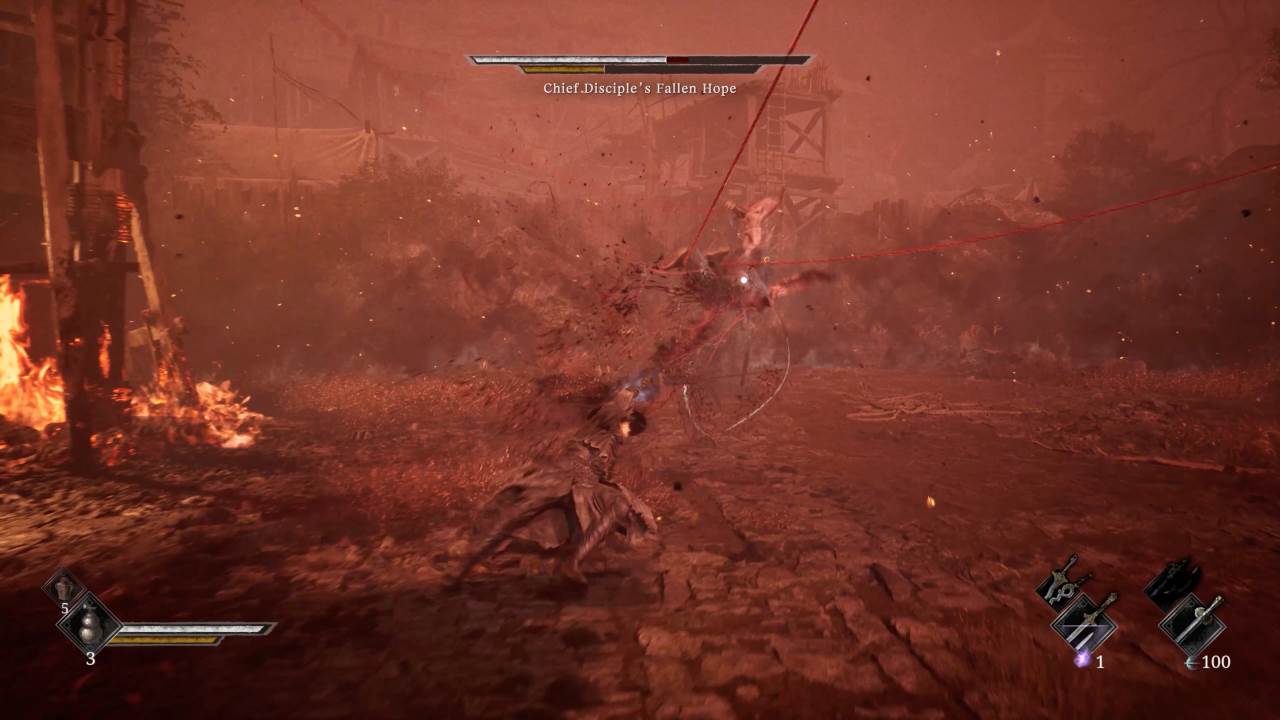
Soul’s growth is driven not only by the weapons he acquires but also by a robust progression system that steadily expands his combat capabilities. The skill tree unlocks a variety of enhancements, from new combat follow-ups after successful parries to additional equipment slots that allow for greater build customization. Weapons themselves can also be upgraded, often unlocking new moves and techniques that further deepen the combat experience.
Because every upgrade requires Remnant Dust, progression choices carry meaningful weight. However, Phantom Blade Zero remains flexible by allowing players to reset and redistribute investments made in skills and weapons. This feature encourages experimentation and provides a safety net for those who wish to adapt their build to overcome particularly challenging bosses.
Apart from Soul’s personal abilities, equipment progression extends to Phantom Edges, accessories, and consumables, all of which can be enhanced through resources discovered during exploration. Together, these systems create a rewarding sense of character growth while preserving the freedom to tailor Soul’s playstyle to individual preferences, further reinforcing the depth and versatility that define Phantom Blade Zero.
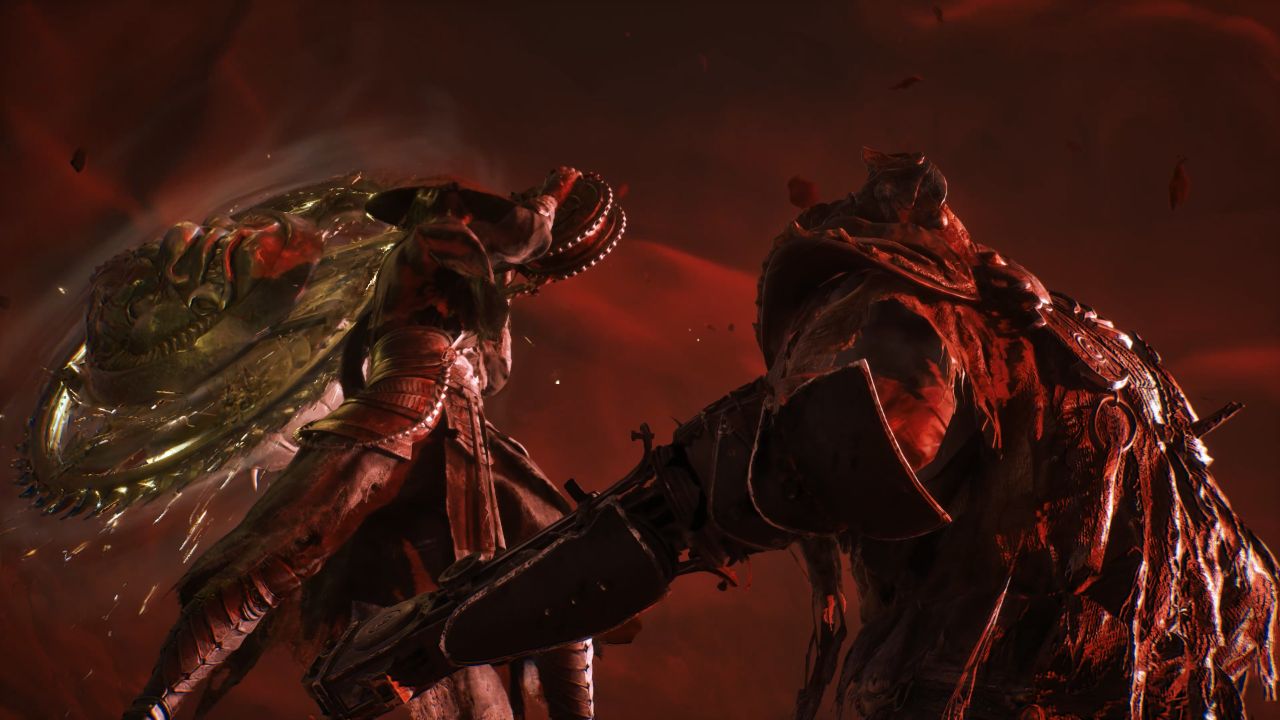
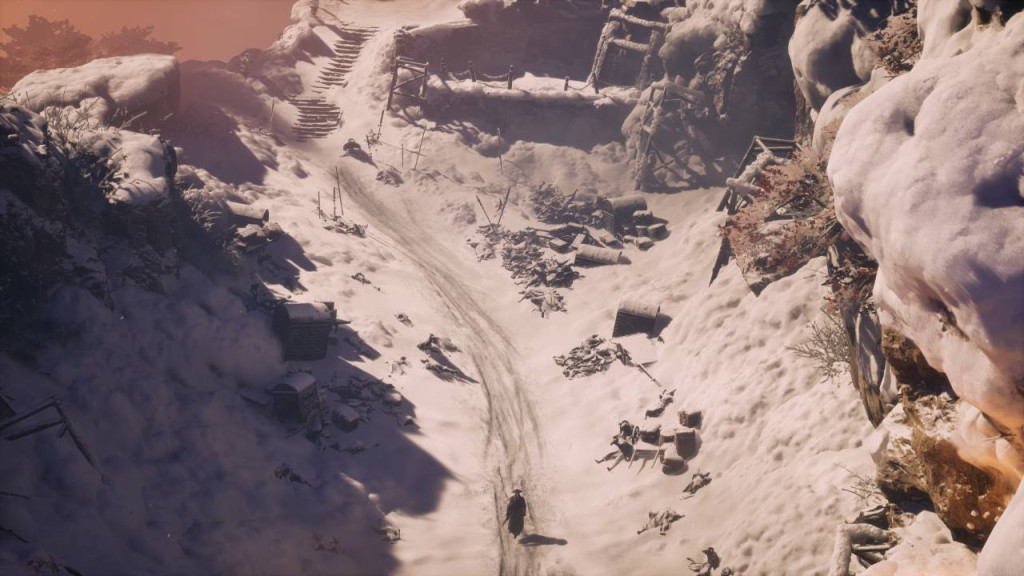
The Phantom World embraces a semi-open-world structure, favoring densely designed environments over sprawling landscapes. Rather than sending players across vast stretches of terrain, Phantom Blade Zero presents a collection of interconnected regions that reward curiosity and thorough exploration. Every map is filled with hidden paths, optional areas, and valuable discoveries, making it worthwhile to venture beyond the main objective whenever possible.
Exploration is consistently rewarding. Chests tucked away in forgotten corners often contain upgrade materials, consumables, and resources essential for strengthening weapons and equipment. More importantly, players can uncover rare collectibles such as Memory Flowers and Sha-Chi Stones, which permanently enhance Soul’s attributes, including health, Sha-Chi capacity, offensive power, and guard-breaking potential. As a result, exploring is not merely a means of uncovering secrets but a vital part of character progression.
While players are afforded a healthy degree of freedom, progression remains carefully structured. Certain routes and locations remain inaccessible until specific keys or Phantom Edge abilities have been acquired, creating a sense of gradual world expansion. This approach prevents the experience from feeling overly linear while naturally encouraging players to revisit previously explored areas with new capabilities.
Fortunately, backtracking never becomes a chore. Bells, which serve as checkpoints and fast-travel hubs, are generously distributed throughout the world, making movement between regions quick and convenient. The system strikes an effective balance between exploration and accessibility, ensuring players can focus on discovery rather than long stretches of travel.
The world itself is equally deserving of attention. From serene mountain valleys shrouded in mist to decaying fortresses infused with intricate steampunk machinery, Phantom Blade Zero consistently delivers visually stunning environments. The developers clearly want players to appreciate these locations, a sentiment reinforced by the interface design. Outside of combat, the HUD fades away by default, allowing the world and its atmosphere to take center stage without distraction.
Demanding Perfection
Despite its challenging nature, Phantom Blade Zero is designed to accommodate a wide range of players through multiple difficulty options, each catering to different levels of experience and ambition. Wayfarer, the easiest setting, offers a more approachable journey while still requiring players to engage with the game’s combat fundamentals. Reckless play is rarely rewarded, and success still depends on learning when to attack, defend, evade, and parry. It serves as an excellent entry point for those primarily interested in experiencing the game’s dark wuxia-inspired world and narrative without facing the full intensity of its challenges.
For most players, however, Pathfinder represents the intended experience. As the default difficulty, it showcases the combat system at its best, demanding both precision and consistency. Enemies are aggressive, bosses hit hard, and even familiar attack patterns require sharp reflexes to counter effectively. Knowing what is coming is often only half the battle; reacting in time is an entirely different challenge.
Some of the game’s most memorable encounters further elevate the difficulty by placing players against multiple opponents simultaneously. These sequences evoke the classic one-versus-many confrontations seen in martial arts cinema, requiring constant awareness and mastery of the combat system. Victory hinges on balancing aggression with defense, reading enemy movements accurately, and executing parries with near-perfect timing.
For those seeking an even more punishing test, Hellwalker dramatically increases the challenge. Bosses become far less predictable and appear capable of adapting their offensive pressure based on player tendencies. Habits that may have been exploitable on lower difficulties become dangerous liabilities, forcing players to stay flexible and continuously refine their approach. The result is a far more demanding experience that rewards mastery rather than memorization.
And for players who somehow conquer even that challenge, the game offers its ultimate trial: 66 Days mode. Unlocked after completing the game, this mode combines the unforgiving nature of Hellwalker with a strict death limit inspired by the story’s central premise. Players are granted only 66 deaths for an entire playthrough, transforming every battle, every decision, and every mistake into a meaningful test of skill.
Some players may initially be intimidated by the game’s default difficulty, but Phantom Blade Zero does an admirable job of accommodating different skill levels. Difficulty settings can be adjusted at any point during a playthrough, allowing players to tailor the experience to their preferences.
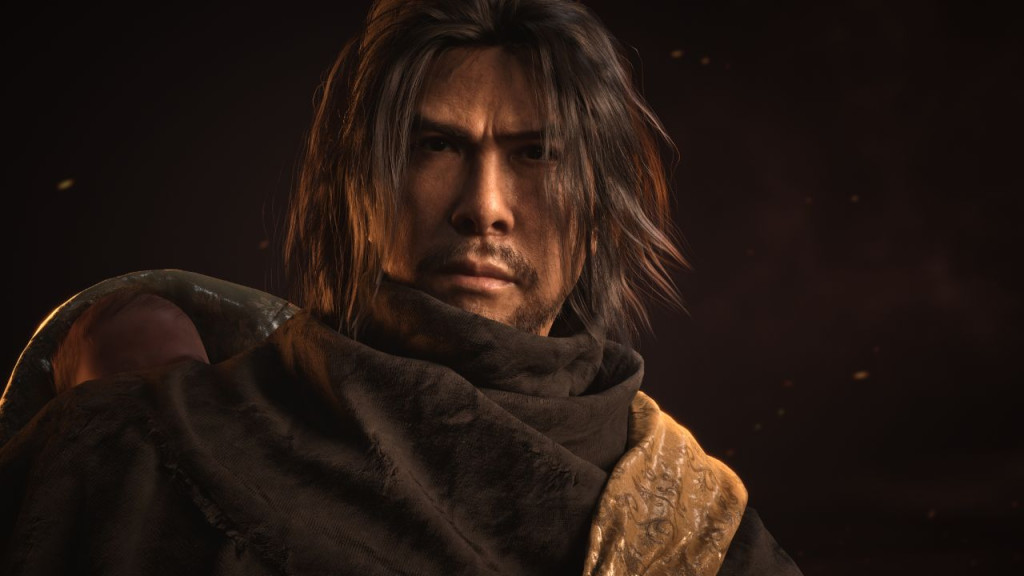
It would be a shame to overlook Phantom Blade Zero solely because of its challenge, as the game offers far more than its demanding combat. Visually, it is a stunning experience from beginning to end. Character designs are striking and distinctive, blending traditional Chinese influences with the game’s unique dark fantasy and steampunk aesthetic. Soul himself stands out with a rugged yet effortlessly stylish appearance, while the supporting cast showcases equally impressive artistry and attention to detail.
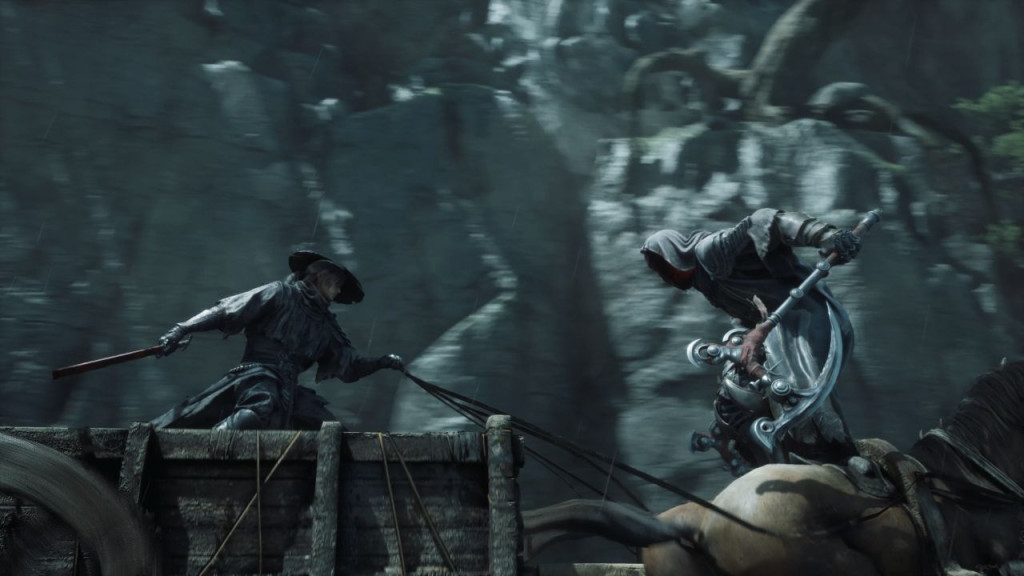
Despite the cinematic presentation, Phantom Blade Zero never sacrifices player agency. Battles may look like scenes lifted from a carefully directed martial arts film, but every parry, dodge, and counterattack remains firmly in the player’s hands. The ability to seamlessly transition between offense and defense creates an engaging rhythm that is both demanding and immensely satisfying to master. Success feels earned, while mistakes feel like opportunities to improve rather than frustrations imposed by the game itself.
The presentation extends beyond visuals. Lip-syncing adapts to both the English and Chinese voice tracks, helping performances feel natural regardless of language preference. Meanwhile, the soundtrack consistently elevates the experience, shifting effortlessly from hauntingly beautiful melodies during quieter moments to exhilarating compositions that amplify the intensity of battle. Some of the game’s most impactful scenes are made even more memorable through its excellent musical direction, delivering emotional highs that are best discovered firsthand.
While Phantom Blade Zero leaves a strong overall impression, it is not entirely without flaws. Players who thoroughly explore the Phantom World may eventually notice some enemy types appearing more frequently in later portions of the adventure. Although the game’s excellent combat system helps maintain engagement, the variety among standard enemies begins to feel less pronounced compared to the creativity displayed in its memorable boss encounters.

During our time with Phantom Blade Zero, we also encountered some minor technical issues, including occasional texture pop-in and some audio mixing inconsistencies during combat sequences. Fortunately, these concerns were addressed through subsequent updates, and the current experience presents a polished package that both looks and sounds exceptional.
More than anything, Phantom Blade Zero feels like a project fueled by passion and a clear creative vision. From its dark wuxia-inspired world to its meticulously choreographed combat encounters, every aspect of the game is built around capturing the elegance, intensity, and spectacle of martial arts cinema. The level of craftsmanship is evident in every battle, where motion-captured performances bring a remarkable sense of realism and fluidity to combat.
Phantom Blade Zero succeeds not only as a stylish action RPG but as a confident realization of its creators’ vision. Through its breathtaking combat choreography, richly realized world, rewarding progression systems, and unforgettable boss encounters, it delivers an experience that feels both distinctive and deeply memorable. For players seeking an action game that combines cinematic spectacle with meaningful mechanical depth, Phantom Blade Zero is a superb achievement.
Verdict: Buy it!

What we liked:
- Amazing Audiovisual Experience
- Challenging but Extremely Satisfying Combat
- World That Encourages Thorough Exploration
- Interesting and Engaging Story of Betrayal and Conspiracy
- Spectacular Choreography and Weapons That Encourage Creativity and Experimentation
What We Didn't Like:
- Non-boss enemy Variety Could Feel Same-y After a While
- Boss Encounters Border on Tedious and Lengthy
Phantom Blade Zero may draw superficial comparisons to other action RPGs with its punishing encounters and deliberate combat mechanics, but it ultimately forges an identity entirely its own. Rather than relying on familiar genre conventions, S-Game introduces systems such as the Sha-Chi meter, which governs both defensive and offensive actions, fundamentally changing how players approach combat. The result is a carefully balanced experience where aggression, resource management, and precise timing are equally important.
More importantly, the game’s combat design successfully captures the essence of cinematic kung fu battles. Every encounter encourages a fluid exchange between attack and defense, rewarding players who can seamlessly transition between offense, parries, and evasive maneuvers even if some boss fights can get lenghty. This creates a distinctive rhythm that feels fast, dynamic, and uniquely satisfying to master.
Ultimately, Phantom Blade Zero is a stellar achievement and a bold statement from S-Game. Through its stunning visuals, expertly choreographed combat, memorable boss encounters, and richly realized world, it delivers an experience that feels both fresh and ambitious. While the journey can be demanding, the challenge is consistently rewarding, making Soul’s quest one well worth undertaking, resulting in one of the best games of 2026 and a title that makes a strong case for Game of the Year nods.
*Phantom Blade Zero was reviewed on a PS5 with a review code provided by the Publisher.
