


Forever Ago Review
Table of Contents
Forever Ago is a narrative adventure developed by Third Shift and published by Annapurna Interactive, the acclaimed publisher behind titles such as Silent Hill: Townfall and Control Resonant. When done well, narrative adventures offer insights about life, love, and everything in between that is a cross between a film and a book. It offers a level of interiority that films can only touch on as it is primarily a visual medium and a level of tangible immersion that is absent in books as it belongs in the plane of the mind.
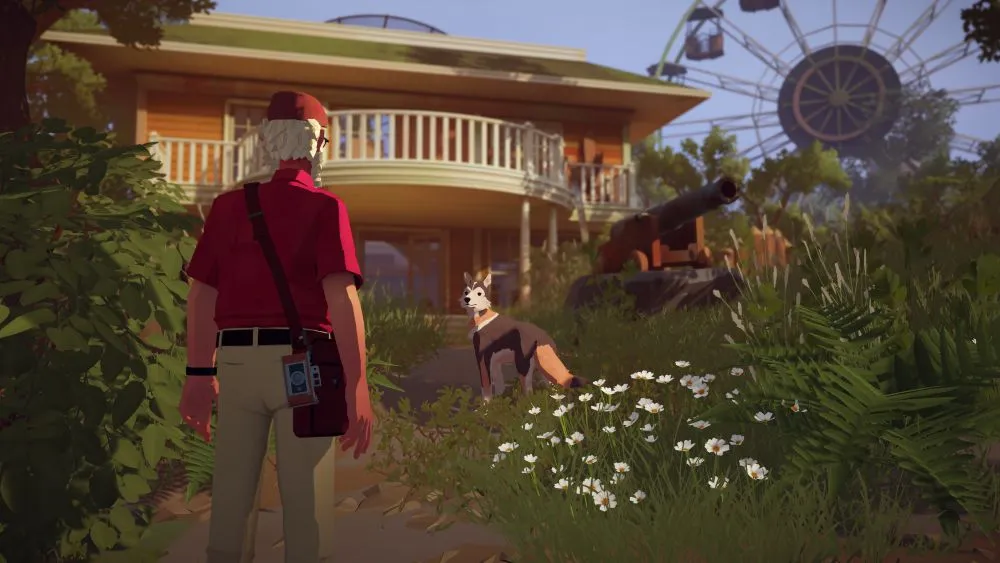
The story follows Alfred Foster, a retired carpenter and amateur photographer embarking on a road trip to revisit places that once held special meaning for him and his late wife, Audre. Along the way, he encounters strangers who help shape his perspective, as well as a lost dog that joins him on his deeply personal journey of remembrance, reflection, and acceptance. Through these encounters, Alfred is compelled to look back on a life that now feels like it existed Forever Ago.
Stuck In Time
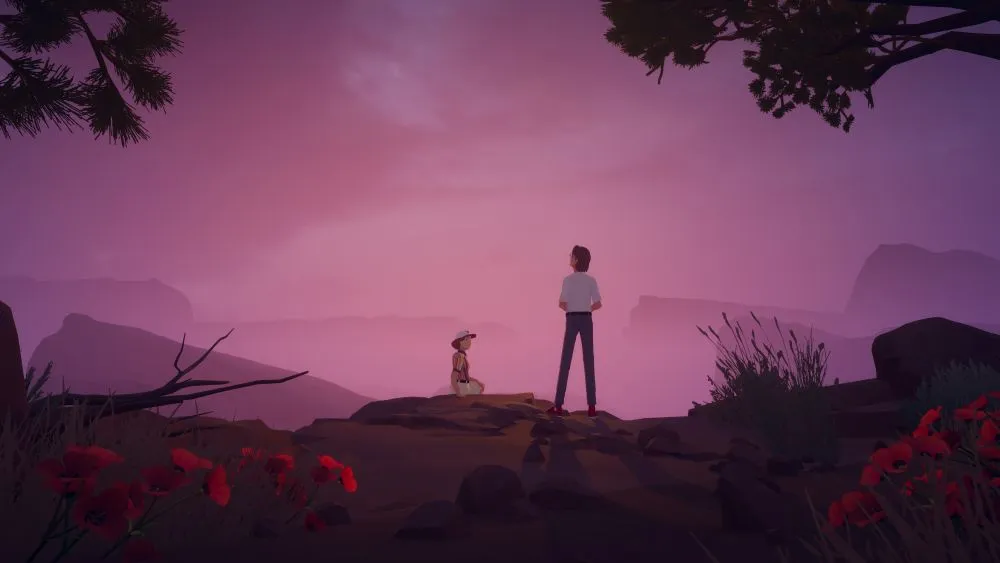
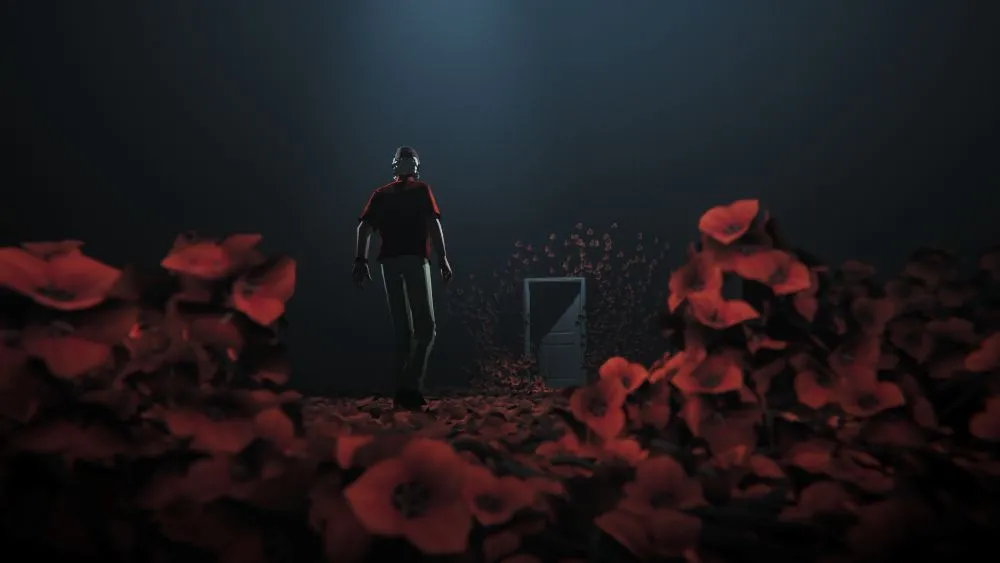
Forever Ago unfolds across multiple timelines. In the present-day setting of 2026, Alfred travels north to revisit locations that played an important role in his relationship with Audre. Interspersed throughout this journey are flashbacks to his younger years, allowing players to experience those same locations through happier memories shared with his wife. The game also ventures into Alfred’s inner world, visually portraying his emotional struggles and unresolved trauma.
Initially, Forever Ago evokes familiar narrative adventure sensibilities, drawing comparisons to titles like Life is Strange. Its scrapbook-style mechanics also bear similarities to Season: A Letter to the Future. As Alfred explores each location, he can photograph the present-day scenery and document his memories in a journal. The places themselves are intentionally ordinary: roadside restaurants, convenience stores, and abandoned attractions. These understated environments reinforce the game’s grounded and reflective tone.
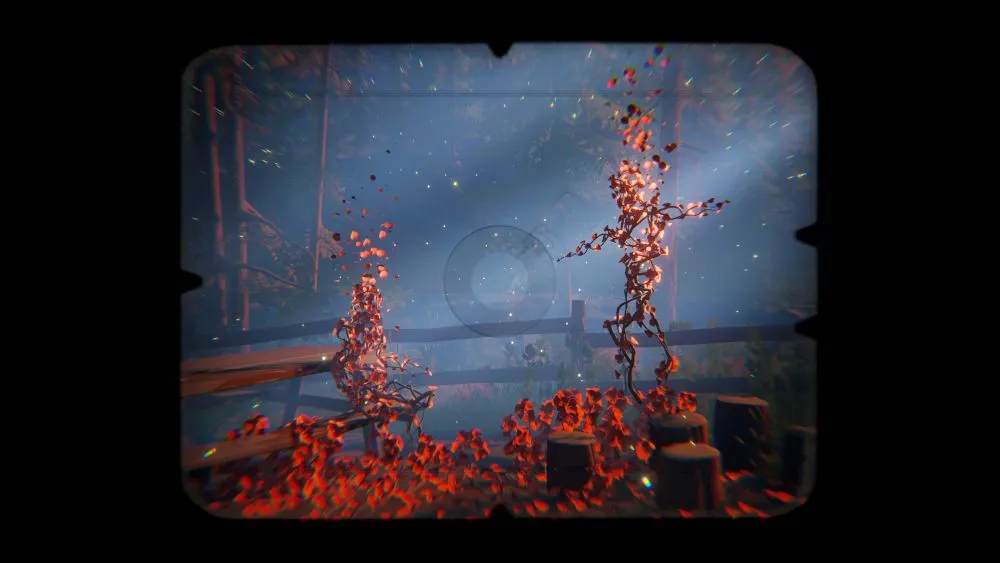
Alfred’s memories are triggered by Mariposa petals, a flower native to the region and Audre’s favorite. Collecting these petals unlocks fragments of the past that can be revisited through Alfred’s camera, creating visually striking sequences that bridge memory and reality. This mechanic serves as an effective storytelling device, allowing players to engage more deeply with Alfred’s recollections and emotional state.
For much of its opening act, Forever Ago embraces a deliberately slow and contemplative pace. Players looking for traditional gameplay systems may find the experience lacking, a criticism often leveled at narrative-focused titles. Alfred himself initially comes across as bitter and resentful, making him difficult to connect with and inviting comparisons to protagonists from similar reflective adventures, such as Where the Heart Leads.
What ultimately elevates both Alfred and the game itself are the people he meets throughout his journey. While stories often depict older characters imparting wisdom to younger generations, Forever Ago reverses that dynamic. The individuals Alfred encounters become catalysts for his growth, challenging his perspective and encouraging him to move forward. Although many of these supporting characters are intriguing enough to warrant more screen time, the narrative remains firmly centered on Alfred’s personal journey, ensuring that every interaction serves his emotional arc.
You Can’t Plan Life
As mentioned earlier, gameplay in Forever Ago remains relatively minimal. The combination of environmental exploration, photography, and scrapbook mechanics provides enough interaction to support the experience, but it is the narrative that truly carries the game. Alfred’s journey is emotionally compelling because of the personal stakes involved, and the game’s visual storytelling effectively communicates the weight of his memories and regrets.
Complementing the narrative is a soundtrack that balances nostalgia with comfort, creating a sense of warmth despite the story’s heavier themes. The voice performances further strengthen the experience, breathing life into the stylized visuals and helping players connect with both Alfred and Audre’s relationship.
The game can be completed in approximately three to five hours, making it a concise but meaningful experience. Completionists looking to revisit chapters, uncover missed content, and earn all trophies can expect to spend an additional hour or two. The chapter-select feature makes revisiting earlier scenes convenient, particularly since the game lacks options to fast-forward or skip cutscenes.
There are, however, a few minor gameplay frustrations. Interaction prompts occasionally lack precision, requiring multiple attempts before objects respond as intended. While not a major issue, it can become irritating over time. Additionally, autosave checkpoints are spaced somewhat inconsistently, meaning players cannot easily stop in the middle of longer sequences without risking progress loss and having to replay portions of a scene.
Forever Ago is ultimately a bittersweet journey. It is at once heartbreaking and hopeful, transforming what begins as a quest to revisit the past into a poignant exploration of acceptance and healing. Through Alfred’s road trip, the game examines the courage required to let go of what has been lost and embrace what remains.
Verdict: Buy it!

What we liked:
- Reflective narrative adventure that highlight what makes life worth living
- Beautifully rendered soundtrack
- Meaningful performance by its voice cast
What we didn't like:
- Minimal gameplay but it is a narrative adventure
- Some minor glitches with the interact button
- Could use some quality of life options such as a manual save or shorter checkpoints
Overall, Forever Ago is a brief yet rewarding experience that invites players to reflect on Alfred’s journey as both a participant and an observer. Beneath its quiet premise lies a thoughtful examination of a life well lived, one shaped not by extraordinary events, but by everyday routines, enduring relationships, and cherished memories preserved through time. Through its intimate storytelling, Forever Ago finds meaning in the ordinary, reminding players that life’s most significant moments are often found in its simplest ones.
Annapurna Interactive continues to champion emotionally resonant narratives from developers like Third Shift, creating experiences that stand apart from the spectacle of larger-than-life adventures. These deeply personal stories serve as windows into perspectives beyond our own, offering opportunities for empathy, reflection, and growth.
*Forever Ago was reviewed on a PS5 with a code provided by the publisher.
