

Konami Kept Silent Hill Projects Hidden From Each Studio to Preserve Their Unique Ideas
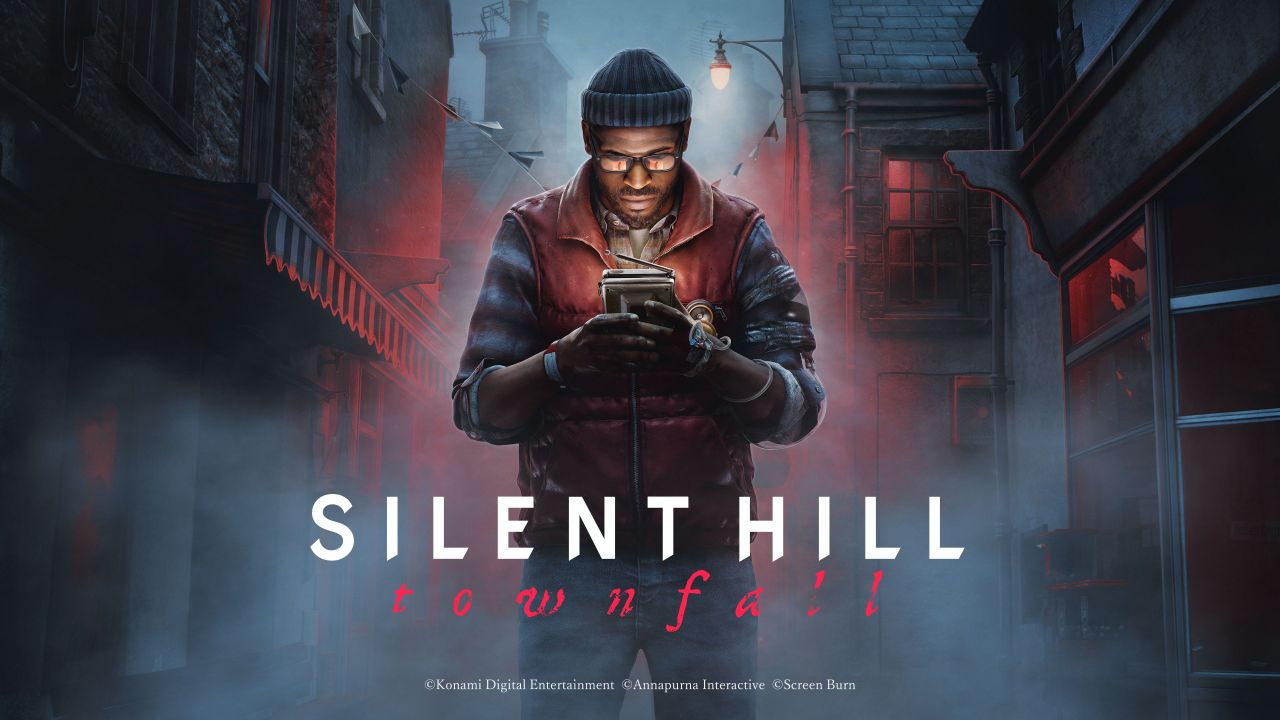
In a nutshell
- Konami intentionally kept its various Silent Hill development teams separated and unaware of each other’s projects.
- Silent Hill: Townfall director Jon McKellan said studios often learned about other projects at the same time as the public.
- The approach was designed to prevent overlapping ideas and ensure each game maintained its own creative identity.
As the Silent Hill franchise continues its resurgence, Konami has revealed an interesting strategy that helped shape its growing lineup of horror titles: keeping the various development teams largely unaware of what the others were working on.
According to Screen Burn founder and Silent Hill: Townfall director Jon McKellan, Konami deliberately separated its partner studios to avoid creative crossover between projects and ensure that each game maintained its own distinct vision.

Konami Wanted Every Silent Hill Game to Feel Different
Speaking during a panel at MCM London Comic Con, McKellan explained that his team was not kept informed about other Silent Hill projects that were in development.
“We found out about a lot of those projects when everyone else did, when they announced them,” McKellan said.
Even after the titles were revealed publicly, Konami reportedly continued limiting information between studios. McKellan noted that Silent Hill series producer Motoi Okamoto was particularly focused on ensuring projects would not influence one another too heavily.
According to McKellan, Konami’s internal team reviewed all projects and would occasionally advise developers to change direction if concepts or designs became too similar to another game in development. However, the company typically avoided revealing exactly which project prompted the feedback.
Creative Freedom Without a Shared Blueprint
Rather than creating frustration, McKellan described the approach as beneficial, saying it allowed each studio to work independently without having to fit into a larger interconnected plan.
He pointed to the significant differences between Silent Hill f and Silent Hill: Townfall, noting that both games offer distinct settings and experiences, minimizing the chances of overlap.
McKellan also compared the process to avoiding a “Marvel phase” style of development, where projects are required to align closely with a broader roadmap. Instead, developers were given the freedom to pursue their own ideas while knowing Konami would step in if necessary.
“We got to be very creatively free,” McKellan explained, adding that the oversight helped ensure projects remained distinct without restricting innovation.

A Carefully Managed Silent Hill Revival
The strategy helps explain why Konami’s current wave of Silent Hill titles has showcased a wide variety of tones, settings, and gameplay styles. Rather than pursuing a unified formula, the publisher appears to have encouraged its development partners to explore different interpretations of the horror franchise while maintaining enough oversight to prevent major overlaps.
With multiple Silent Hill projects now released or on the horizon, Konami’s hands-off yet carefully monitored approach may have played a key role in keeping the franchise’s revival feeling fresh and varied.

