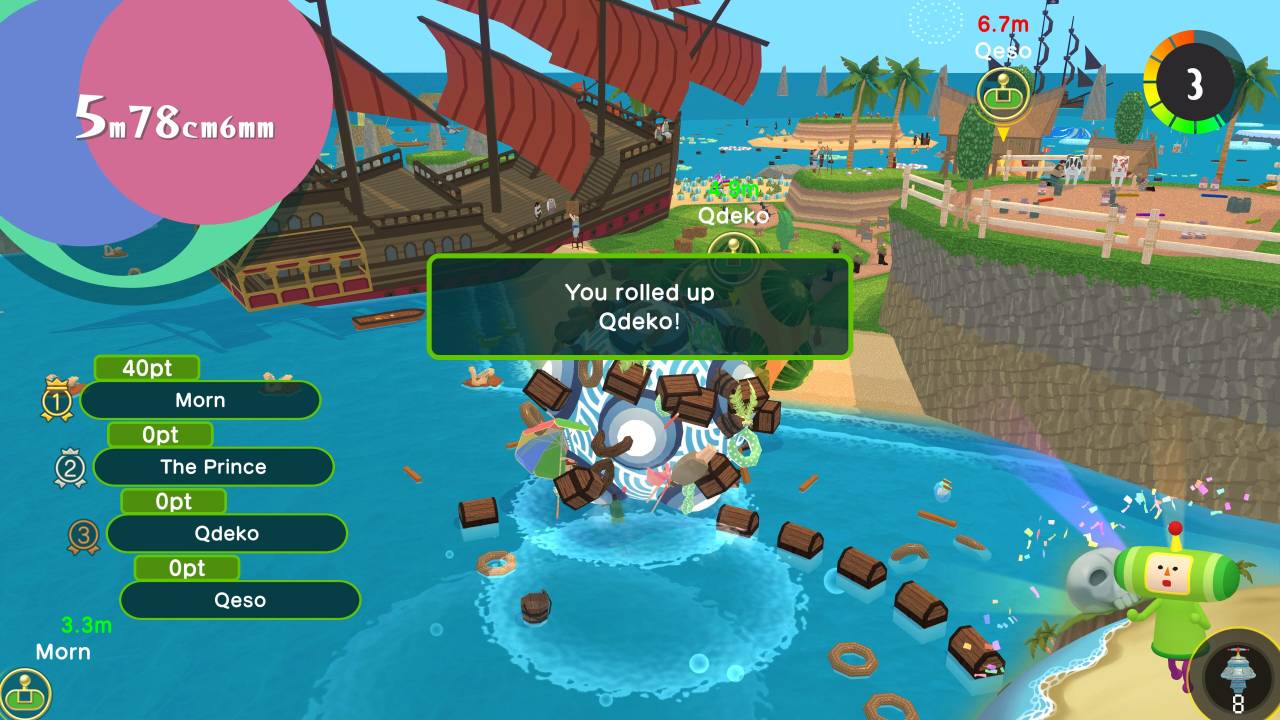
Once Upon a Katamari marks the return of one of gaming’s most delightfully eccentric franchises. Not counting remasters, it’s been quite a while, and fans are certainly looking forward to what’s next.
We sat down with producer Ryo Ishida, producer of Once Upon a Katamari, whose previous credits include We Love Katamari Reroll + Royal Reverie and Klonoa Phantasy Reverie Series, to discuss how the team reimagined Katamari for a new generation while staying true to its chaotic charm.
Once Upon a Katamari Interview
Evolving the Katamari Formula
From the outset, Ishida emphasized that while the core controls remain familiar, nearly every other aspect of Once Upon a Katamari has been refreshed for modern platforms.
“The only thing that remains unchanged is how the controls move. The way it moves, the way the stage is being chosen, and all the other options, we have changed everything.”
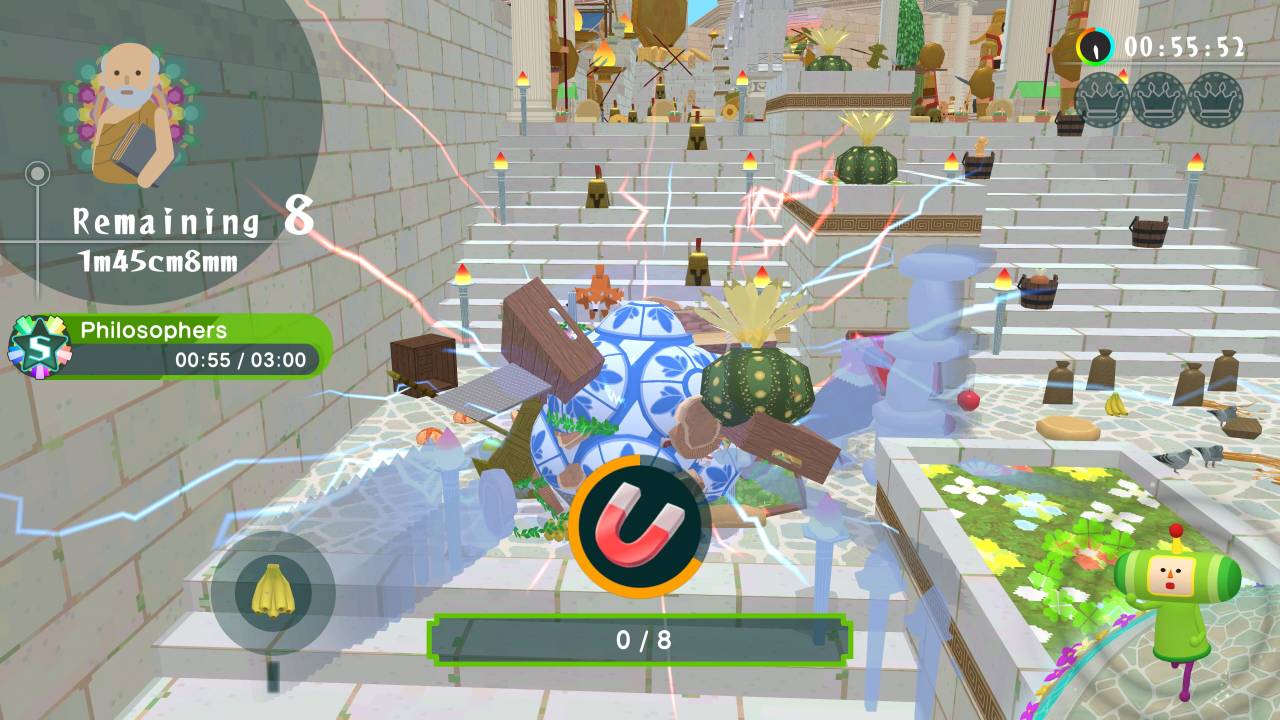
Additionally, the team have made some smart additions, especially when considering what players would feel at specific points in a game. To help players improve and understand their performance, the team introduced a new evaluation system.
“We’ve created a new evaluation system. In previous games, you’d only know if you did well at the end. Now, it tells you why you’re being praised or scolded. It helps players understand and improve.”
One of the standout features in Once Upon a Katamari is the expanded customization system, which fans of the previous installments would certainly appreciate.
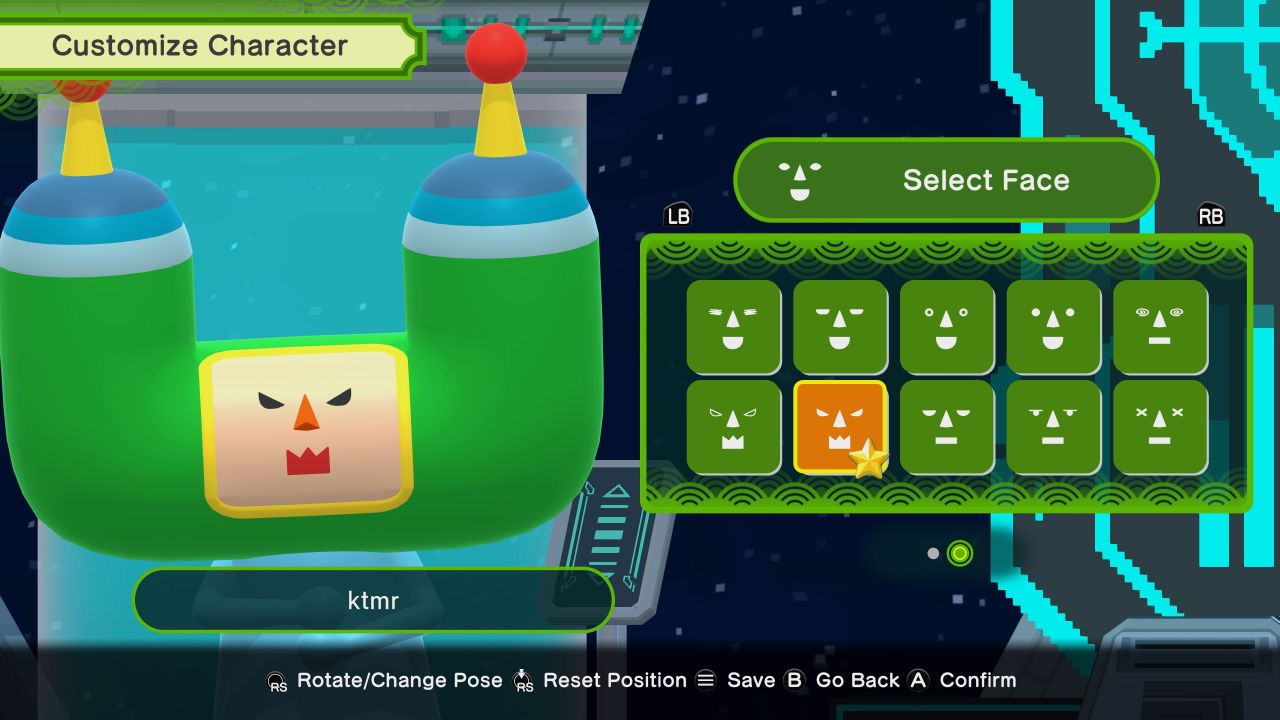
“One of the biggest features we would like to highlight is the main customize function, where it allows you to change the face or the colors of the Prince. And we would like the players to enjoy being able to create their own types of Katamari.”
He added that customization extends to the cousins as well, giving players more creative freedom than ever before.
Stage Design and Historical Accuracy
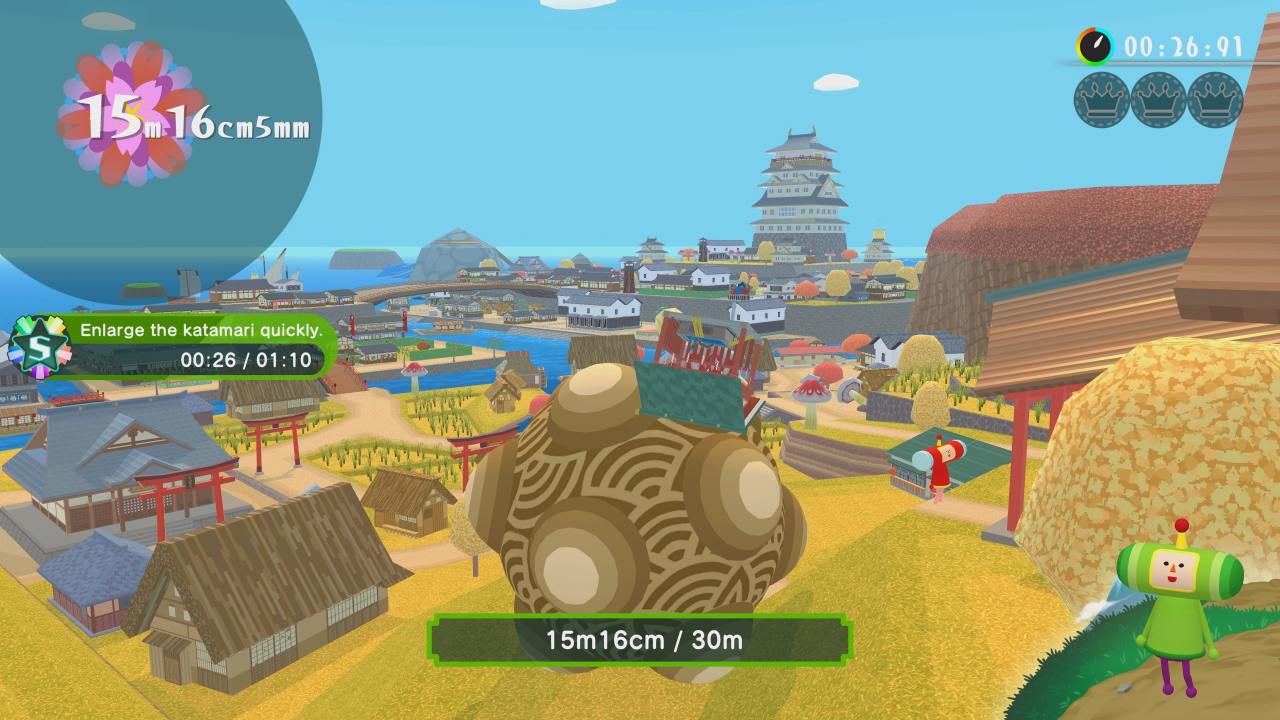
Once Upon a Katamari introduces stages set in the Ice Age, Ancient Japan, and even the Jurassic period. Ishida explained that these choices were driven by the team’s desire to explore imaginative scenarios that would spark imagination and fun.
“The main concept behind it was because it was interesting. What if you could pick up a dinosaur walking along the road, or what if the terrain was purely ice? It gives a whole new kind of fun and interest to the players.”
Ishida also mentioned that when designing historically themed levels, the team prioritized fun over strict accuracy.
“We added original items into those worlds, but we weren’t overly insistent on historical accuracy. It was more about creating fun and interesting environments.“
Chill Meets Chaos
While Katamari has long been associated with its relaxing vibe, simply rolling around and collecting items, Ishida clarified that Once Upon a Katamari balances chill with bursts of chaos.
“Rather than saying it’s a completely chill game, it’s a game that also has chaos where you’re just rolling around and picking things up… It’s a universe where players are able to experience this world at their own pace, but also not just as a chill game, it has parts of very chaotic fun.”
The balance between zen and absurdity remains a core part of the experience, and music plays a vital role in immersing players in the craziness across various environments.
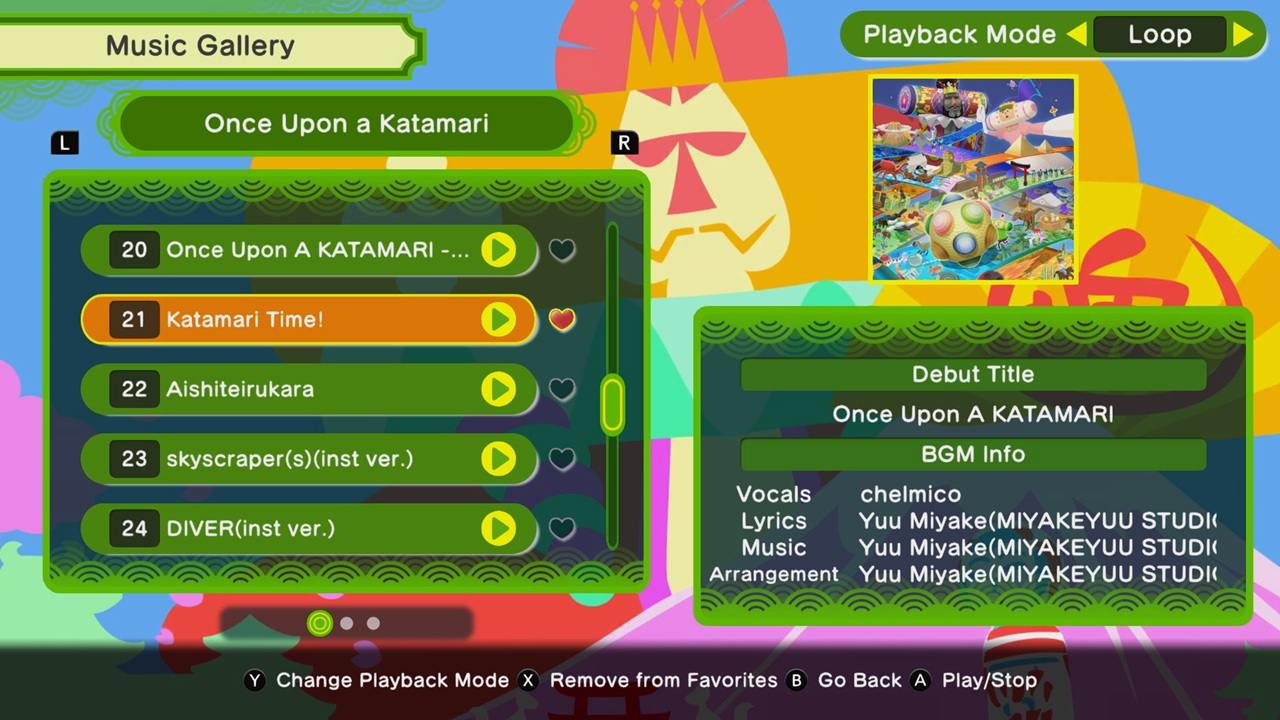
“We wanted to include as many genres as we could. For example, in the Ancient Japan stage, we used something more traditional and oriental. That was our thought process, matching music to each time period.”
Passing the Torch
Taking over the franchise from previous producers came with its challenges, but Ishida leaned on advice from veterans of the series and remaster projects.
“It was a bit difficult. However, I got advice from people who worked on the previous works and the remastered versions. I took their advice on what parts could be kept and what could be changed.”
And take over they did, but Ishida also credits the fans for their support. After a long hiatus since the last major Katamari release, Ishida noted that fan demand was a key motivator for reviving the franchise.
“We had a lot of user feedback where they were asking for a new game. Our latest project was in 2018, and there was a pretty big gap. That’s how we came about creating this game.”
In closing, Ishida expressed his hope that players will explore and enjoy the game that the team enjoyed working on.
“We hope players explore Katamari to their fullest, to find out what’s new, what’s old, and what’s different. We’ve revamped sound effects and added many new features.”