Redefine Portability with the ASUS ZenScreen OLED MQ16FC
The concept of a multi-monitor setup was previously exclusive to desktop builds, but with advances in technology, portability is now possible with laptops and external displays, making these setups accessible to almost everyone. That said, previous external displays, such as the ZenScreen GO MB16AWP and the ZenScreen MB169CK offered a value proposition that did not feature an OLED screen, which resulted in passable visual quality, until now.
Enter the ASUS ZenScreen OLED MQ16FC, a device that aims to deliver the promise of stunning visuals only an OLED panel can. The core of its appeal, and the primary reason it stands apart from its predecessors and competitors, is its 16–inch OLED panel, which is a very noticeable step up in vibrance and color accuracy, making it a consideration if you need an external display that won’t have too much of a compromise in visual quality.
ASUS ZenScreen OLED MQ16FC – Specs at a Glance
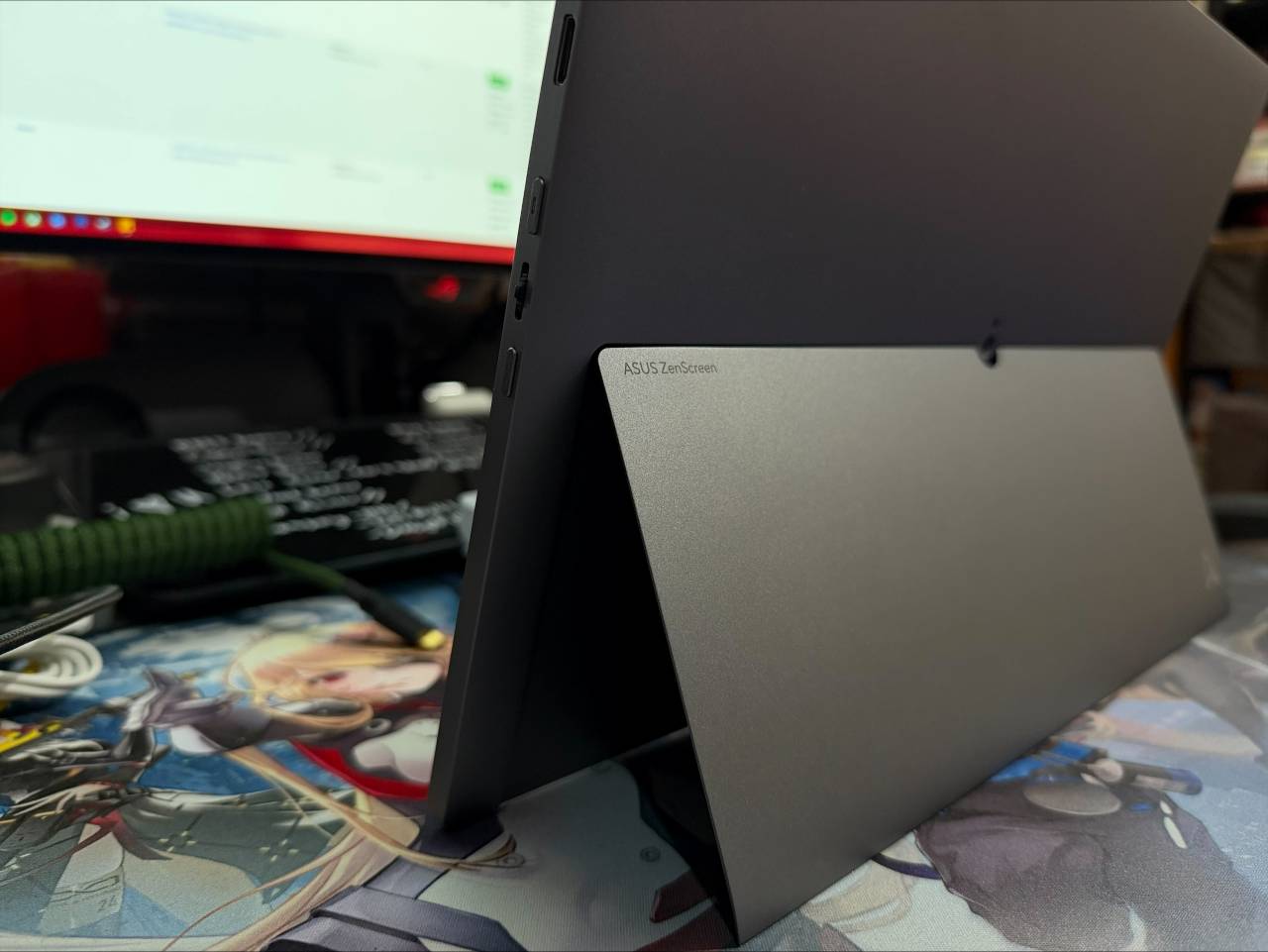
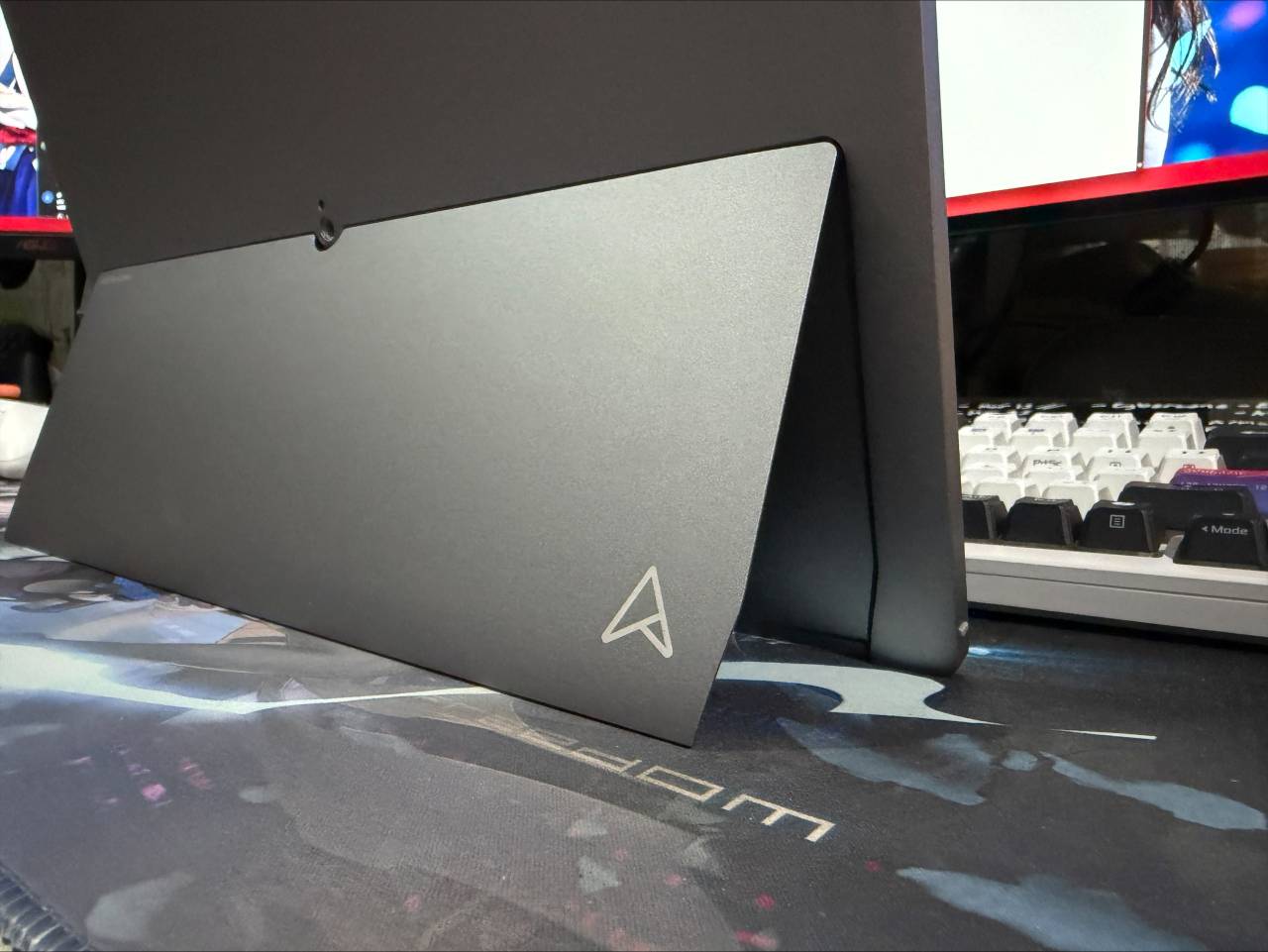
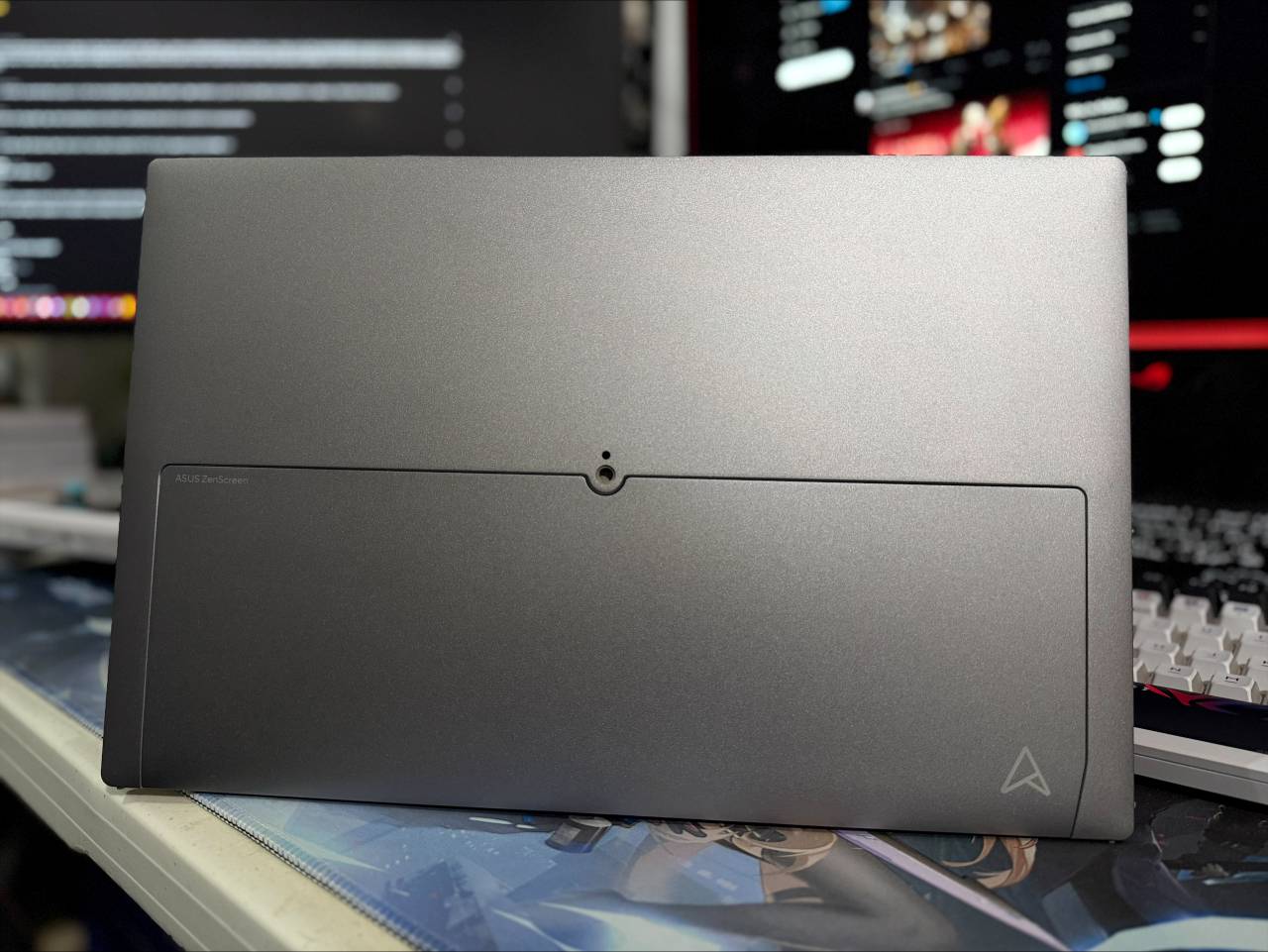
The ASUS ZenScreen OLED MQ16FC is a sleek 16‑inch portable monitor designed for productivity and entertainment on the go. Featuring a 16:10 WUXGA (1920 x 1200) OLED panel with an impressive 89% screen‑to‑body ratio, it delivers expansive visuals with deep blacks, high brightness, and vivid color reproduction thanks to its 95% DCI‑P3 coverage. The display also boasts a superfast 1 ms response time, making it ideal for both work and play.
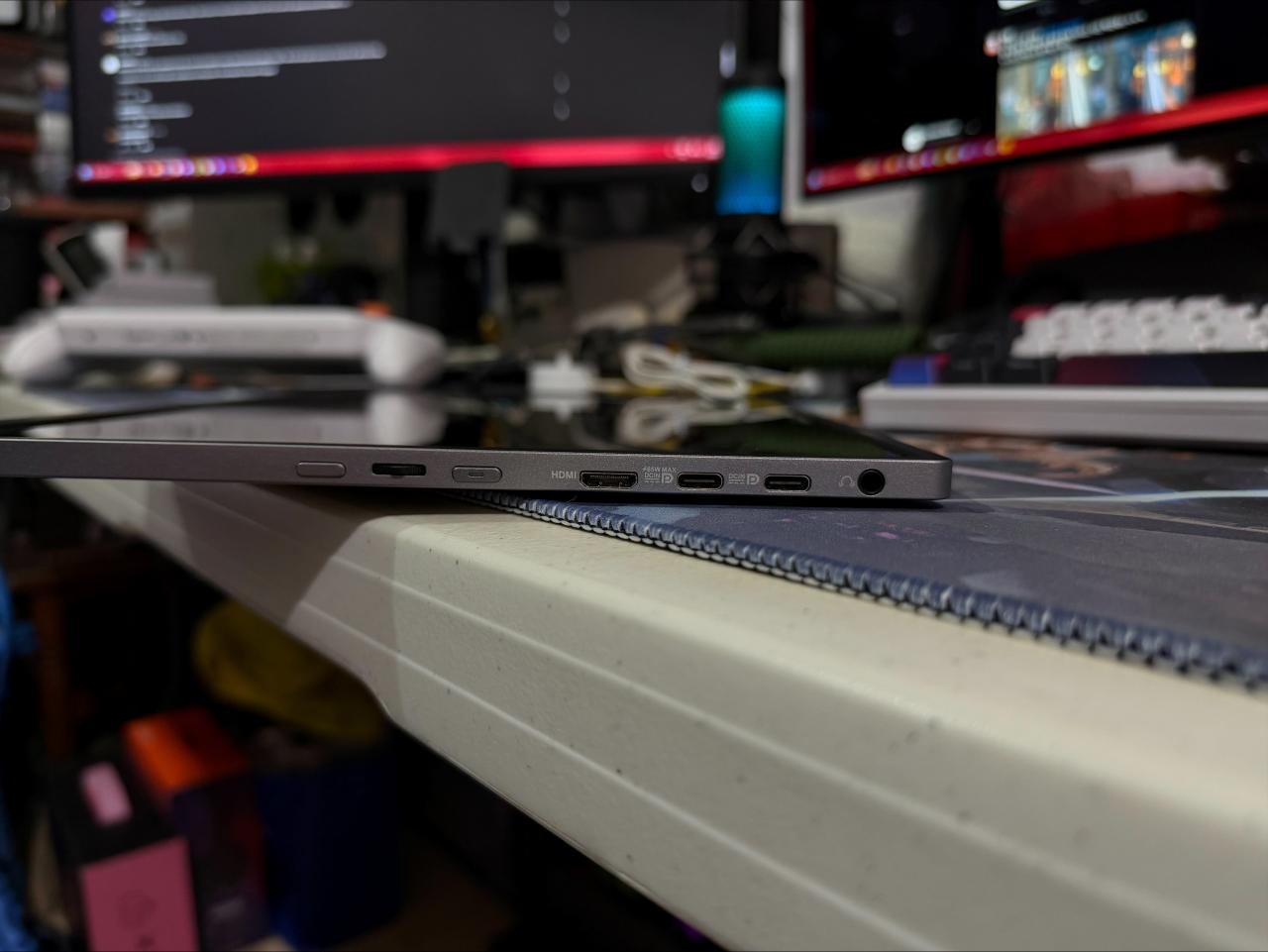
The ASUS ZenScreen OLED MQ16FC also offers practical features like Power Pass Through, allowing it to be powered by a laptop or deliver power back via pass‑through charging. It can automatically rotate between landscape and portrait modes using DisplayWidget Center software, and comes with other connectivity options, including two full‑function USB‑C ports and a mini‑HDMI port.
One Display, Many Uses
As with external displays, its primary use is to provide a second screen for viewing content, whether it’s an extension of your laptop or a portable handheld gaming device.
The most common and immediate use case is as an external monitor for a laptop. Whether you are in a co-working space, a hotel room, or a client’s office, the ASUS ZenScreen OLED MQ16FC can instantly double your workspace by duplicating your laptop screen or extending the display, enabling seamless multitasking where you can view and read the latest news articles on one screen and start typing your report on the other.
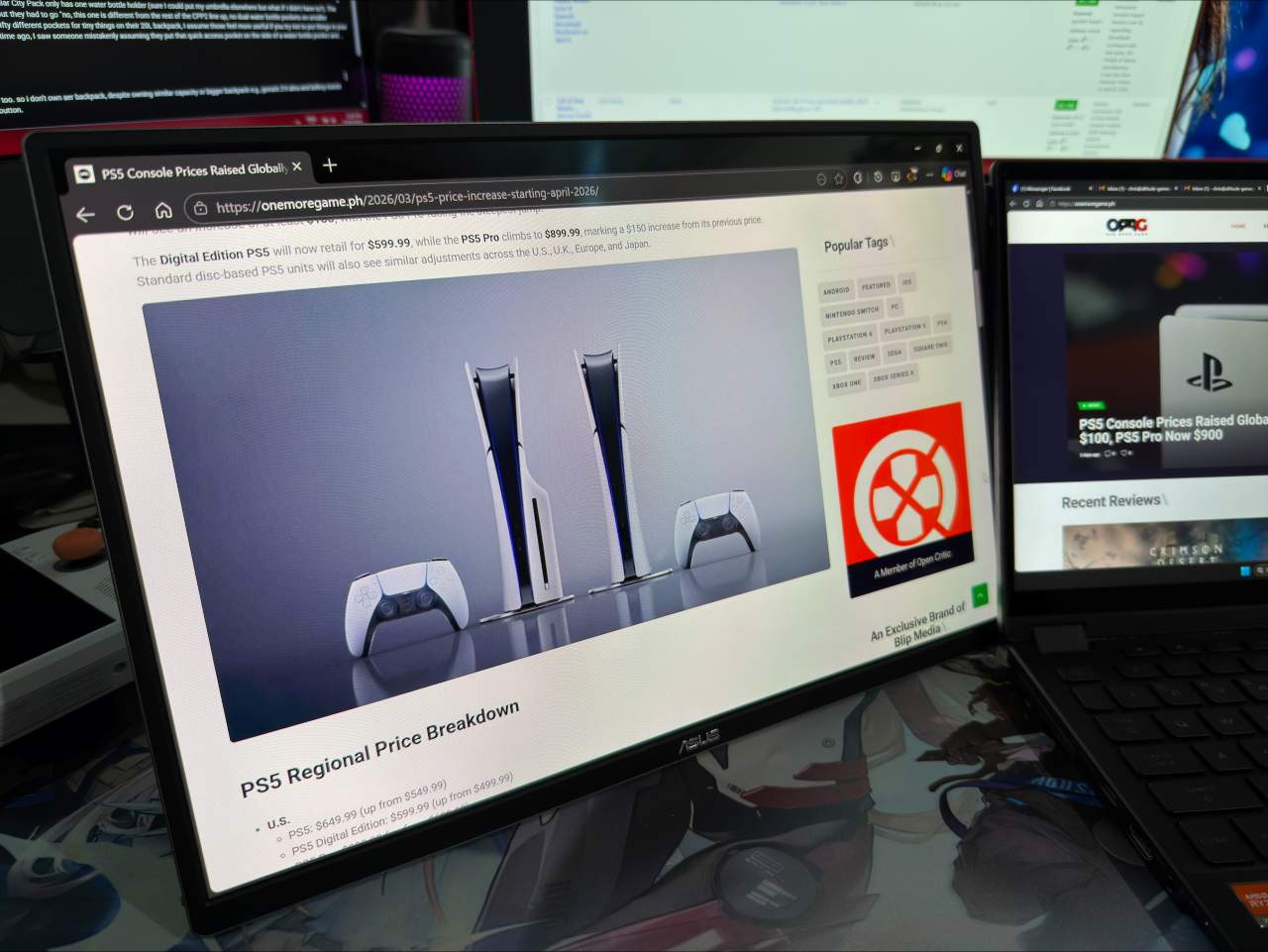
If you really need more vertical space, this portable monitor can also orient itself vertically, which is perfect for tasks like coding, social media monitoring, and more. This is especially useful for creatives who need an extra color-accurate display for referencing artwork.
All work and no play isn’t the way to go, and the ASUS ZenScreen OLED MQ16FC can also be your entertainment hub, playing your favorite movies or YouTube videos. Instead of viewing it on your mobile phone, you can enjoy media on a bigger screen, provided you have a device that can output to the display with you.


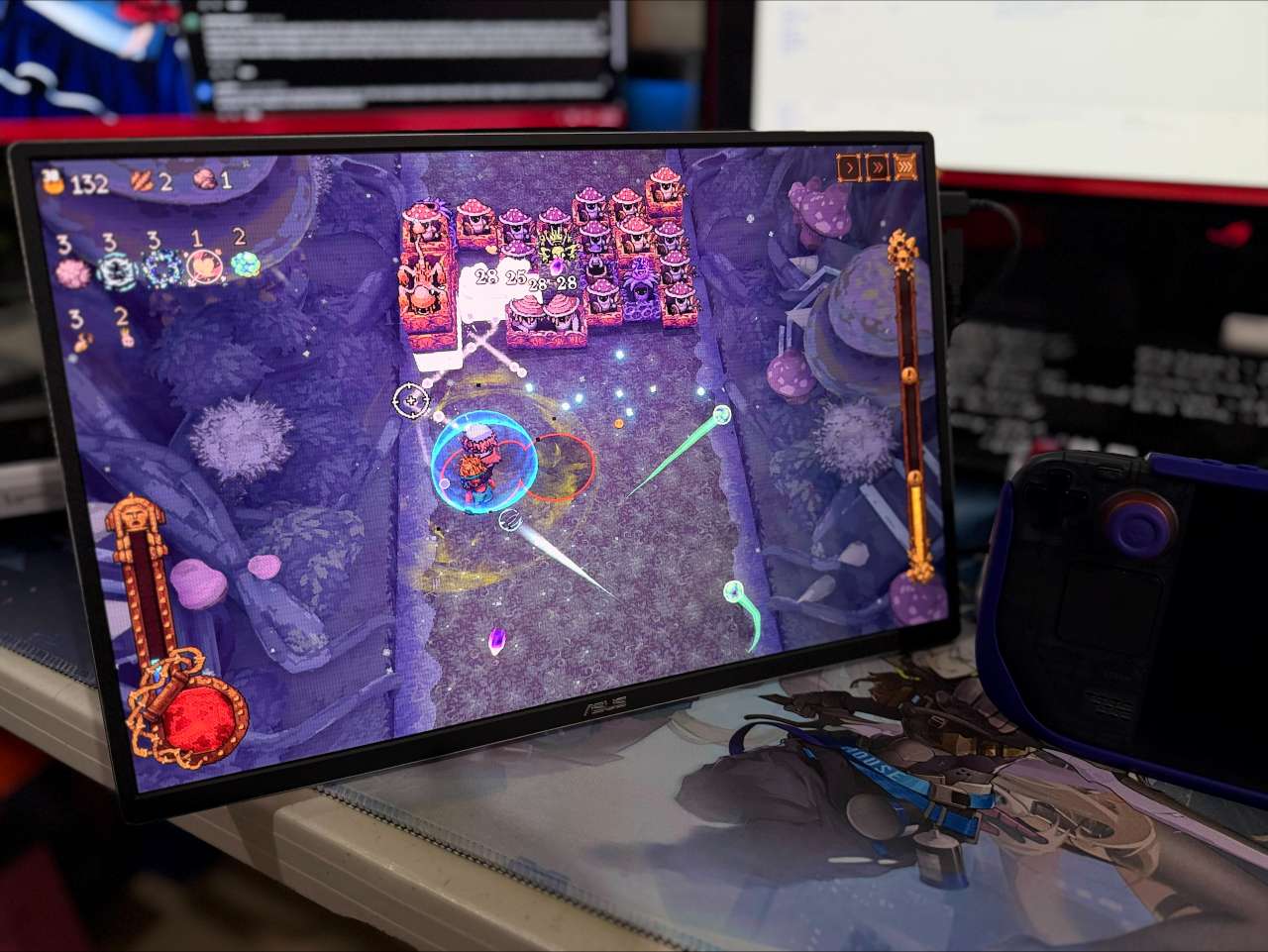
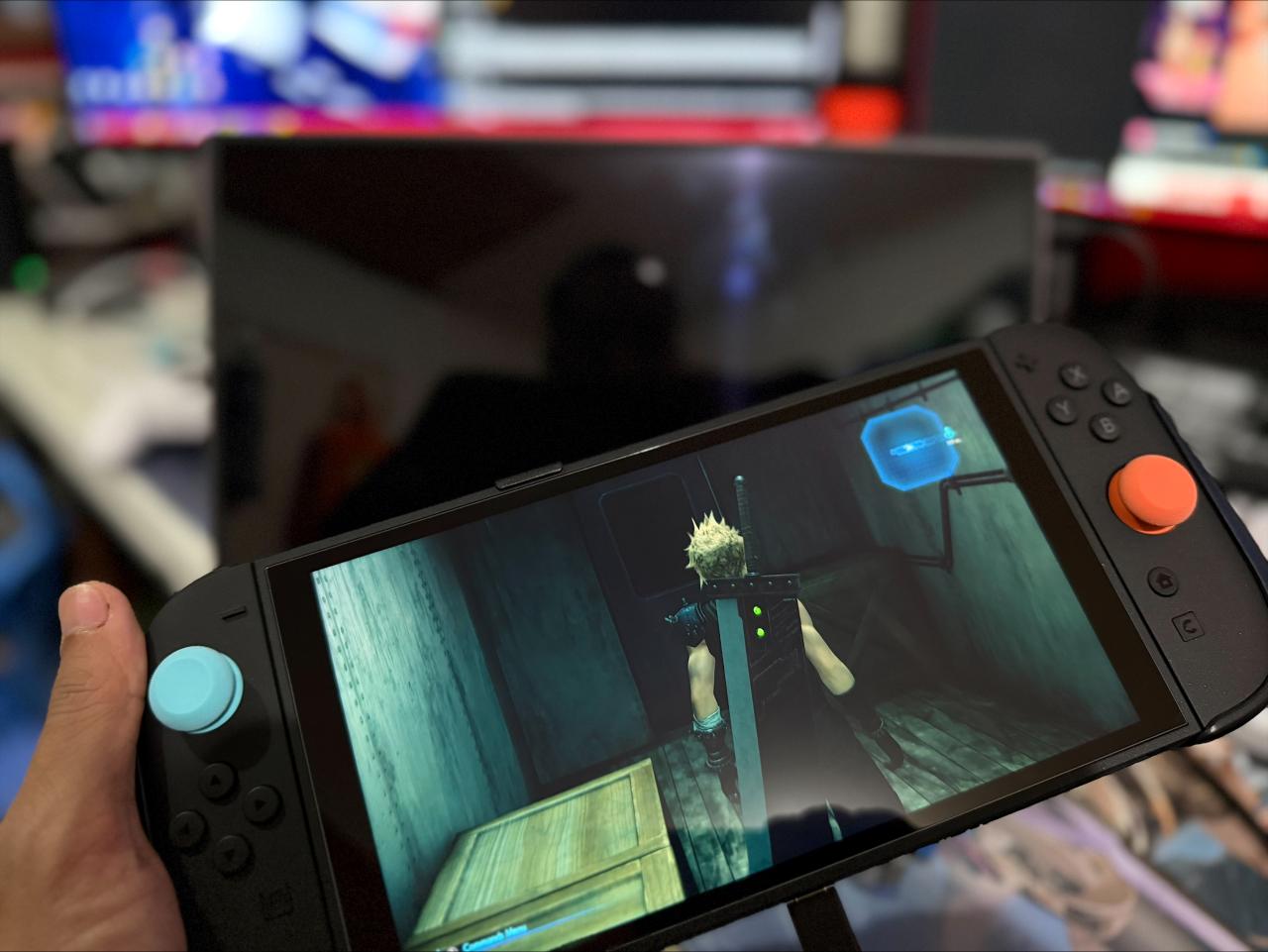
Additionally, you can connect it to your handheld devices like your Steam Deck and Xbox ROG Ally, allowing you to game on a bigger screen and see and enjoy more. Connecting your handhelds will automatically switch audio and display output to the external monitor, but since the ASUS ZenScreen OLED MQ16FC does not have speakers, having to reconfigure this is a tiny bit irritating.
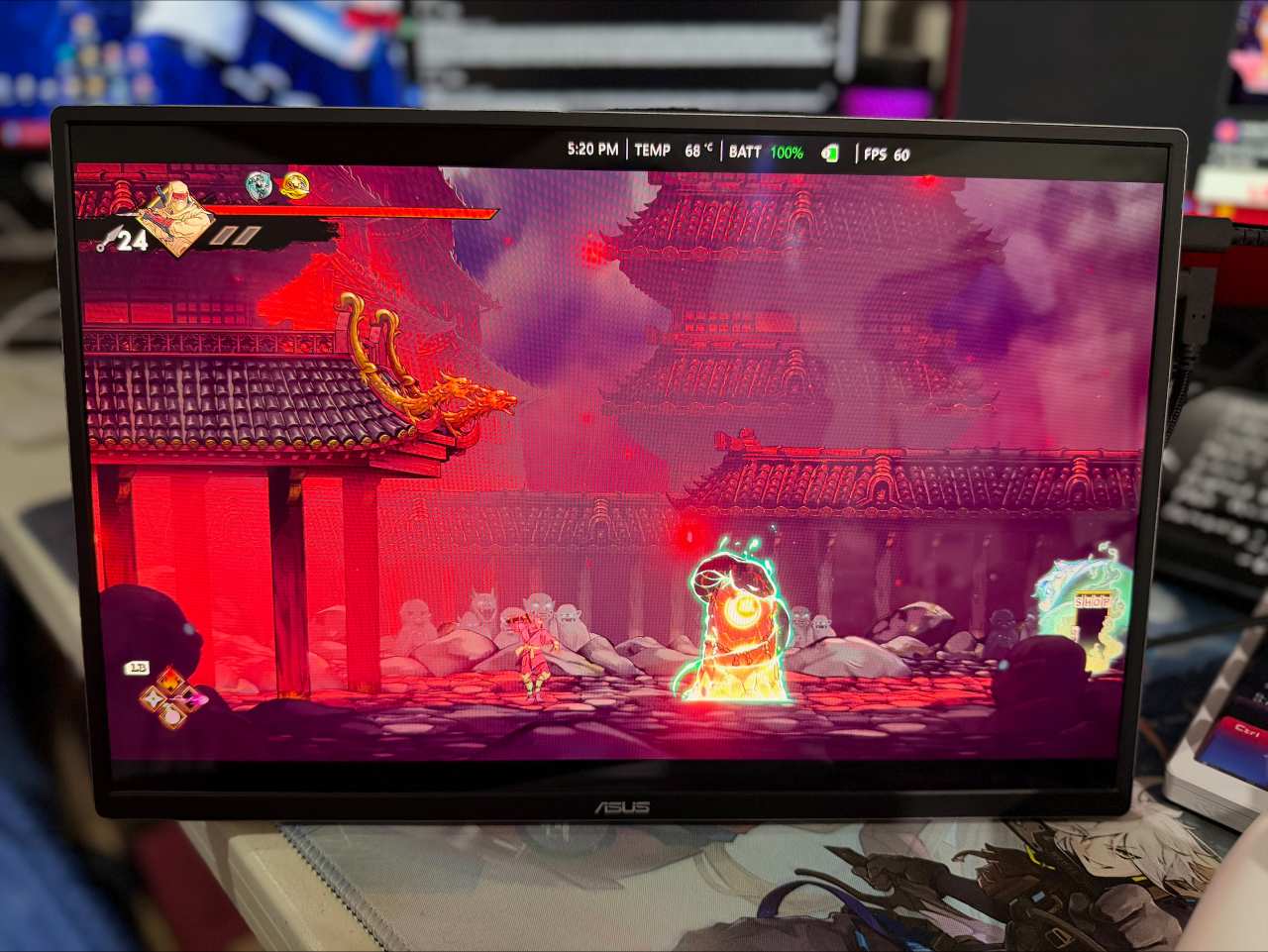
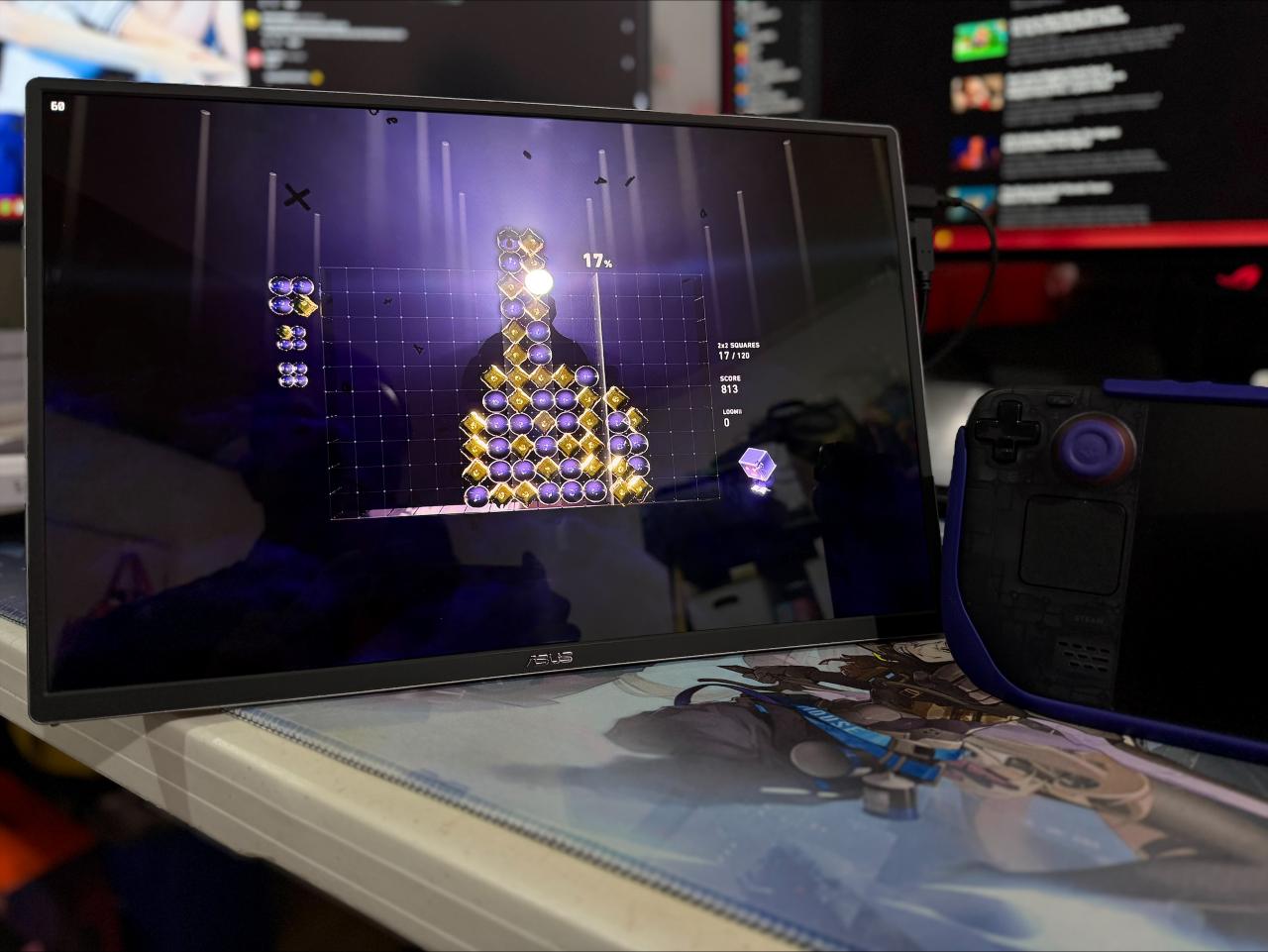
Sadly, you cannot connect a Nintendo Switch 2 to the ASUS ZenScreen OLED MQ16FC, but any other PC handheld would make for a great experience especially since it properly replicates the bright colors of titles like Shinobi: Art of Vengeance, Lumines Arise, and more.
Portable Problems
While users can enjoy all the perks that come with a portal external display, there are a few things to remember, and the biggest is that you’ll need to plug in the ASUS ZenScreen OLED MQ16FC because it does not have an internal battery. Either through a separate power source or by using the power from the device it’s plugged into, this is an obvious counterpoint to portability and something you’ll need to consider.
While it simplifies the design and keeps the monitor incredibly lightweight, it simultaneously drains your laptop battery. An OLED panel, even an efficient one, draws power, so if your laptop is not itself plugged into a wall outlet, its battery percentage will drop steadily. It also doesn’t have built-in speakers, so you’ll have to rely on your device to output audio.
OLED panels are also known to be quite slim, as is evident with the ASUS ZenScreen OLED MQ16FC, which means durability might be a looming concern whenever you bring it out for use. The panel feels quite delicate and isn’t something you’ll want to apply unwarranted pressure to. While it comes with a carrying case to prevent the occasional scratch, it does almost nothing when external pressure is applied.
The ASUS ZenScreen OLED MQ16FC is an intriguing device, and it handles its use cases quite well. It can display various media and videos in stunning vibrancy, perfect for high-color K-pop videos or games. Despite some quirks, advancements in these portable external monitors continue, and it would be quite interesting to see sturdier, more feature-packed options in the near future.
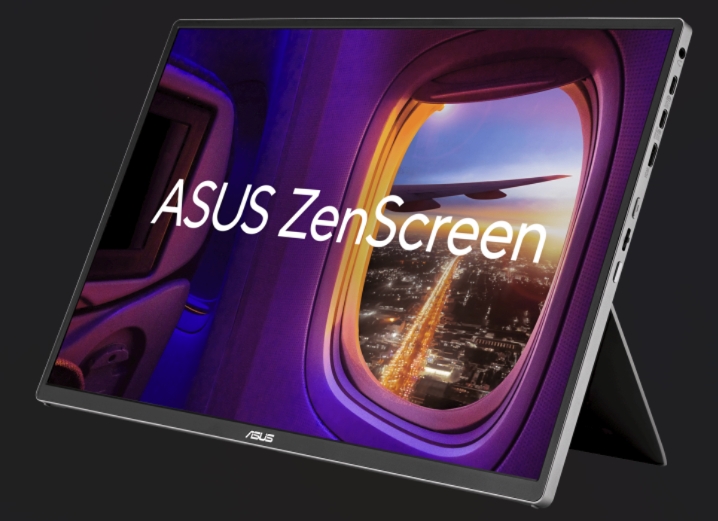
The ASUS ZenScreen OLED MQ16FC is coming in May 2026 and will retail for PHP18,500