

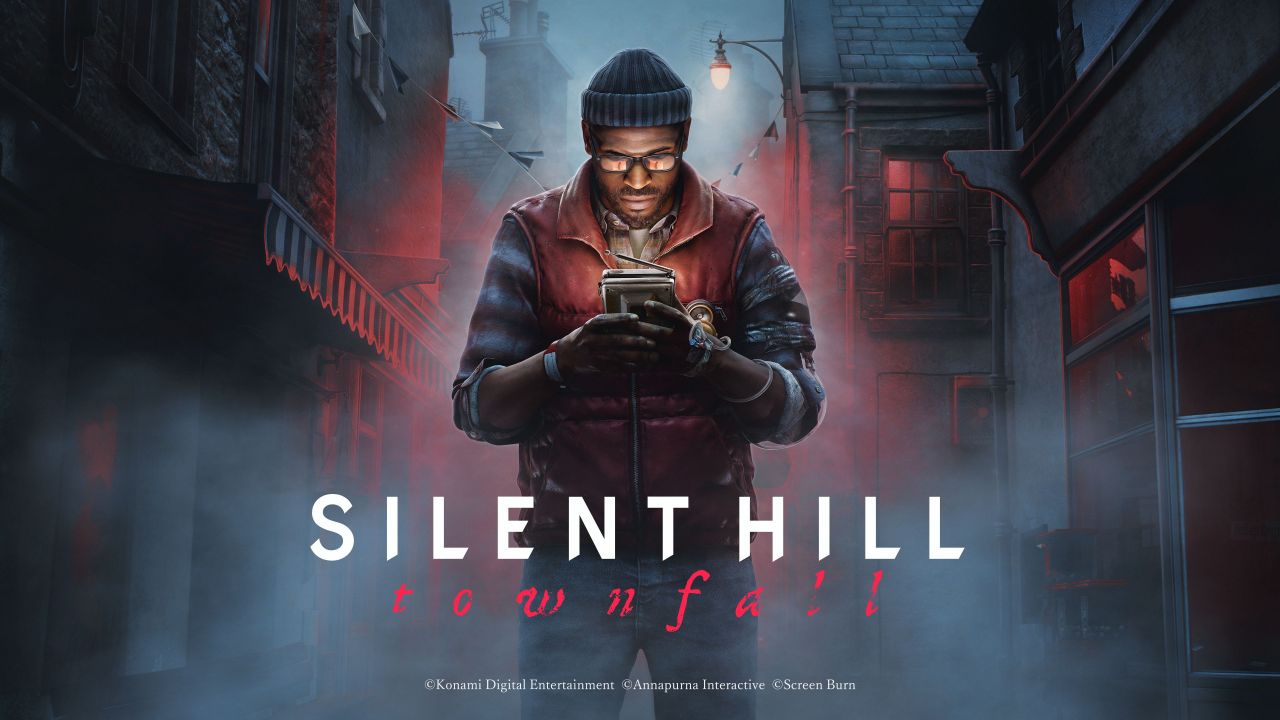
Silent Hill has been on a roll as of late. With the success of Silent Hill 2 Remake and Silent Hill f, it’s clear there is an appetite for good horror experiences. In a little over a month, Konami is set to launch another title that demands attention.
Ahead of its September 24 launch, we got the chance to play over 4 hours of an in-development (not final) build of Silent Hill: Townfall, the latest entry in the long-running series. While we already got a sneak peek at the game during Summer Game Fest, actually playing it proved to be surprising in many ways, and it’s highly possible that Konami could have another hit in its hands.
Silent Hill: Townfall Hands-on Preview
Our playthrough was divided into two sections of the game: first being the opening hours, which cover Simon’s journey into the town of St. Amelia and his search for a mysterious woman, and the second being a sequence later into the game consisting of a trek into finding a medical center amid terrors lurking about.
Silent Hill: Townfall wastes no time pulling players into its unsettling world. From the opening moments, a mysterious voice urges our new protagonist, Simon Ordell, to return to the deserted town of St. Amelia. What begins as a quiet, eerie walk through abandoned streets quickly shifts into a surreal nightmare, with muffled voices guiding Simon deeper into an alternate version of the town after stepping through a red fog.
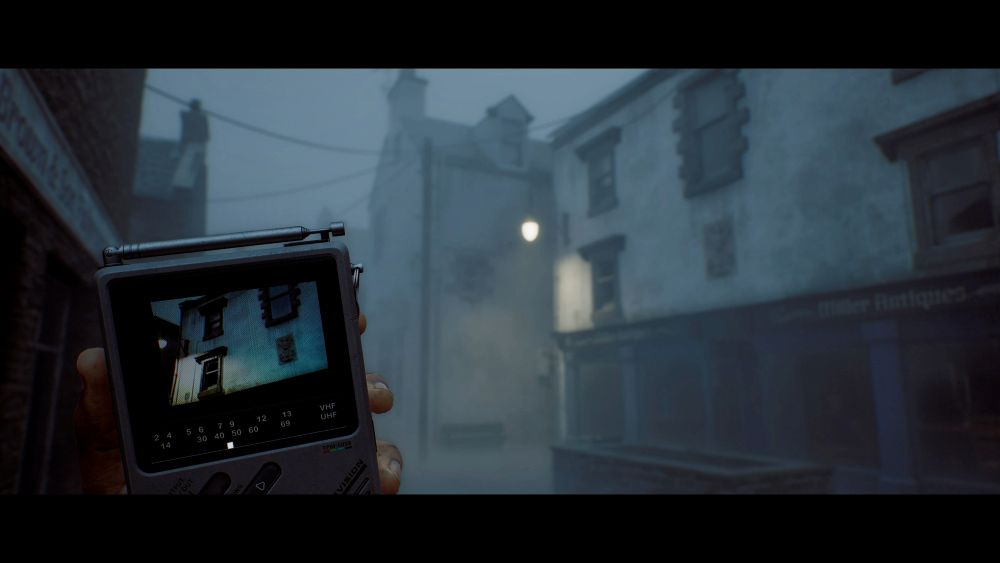
St. Amelia’s recreation, despite my not having any personal idea of the place, looks and feels accurate to the 1996 era it is set in. With stone houses lined up, street lamps, and cobbled roads, players get to explore this Scottish island in its 4K glory, architecturally accurate and authentic to what a coastal town would look like, just draped in a mysterious and unsettling fog.
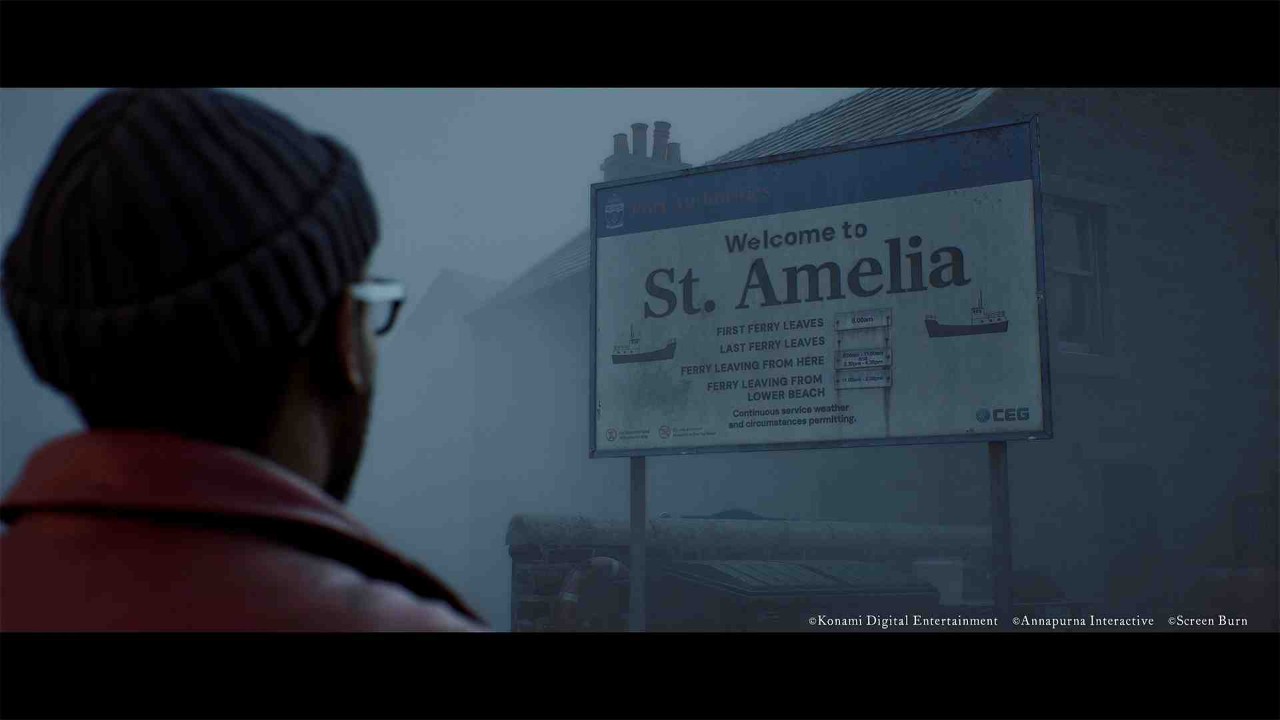
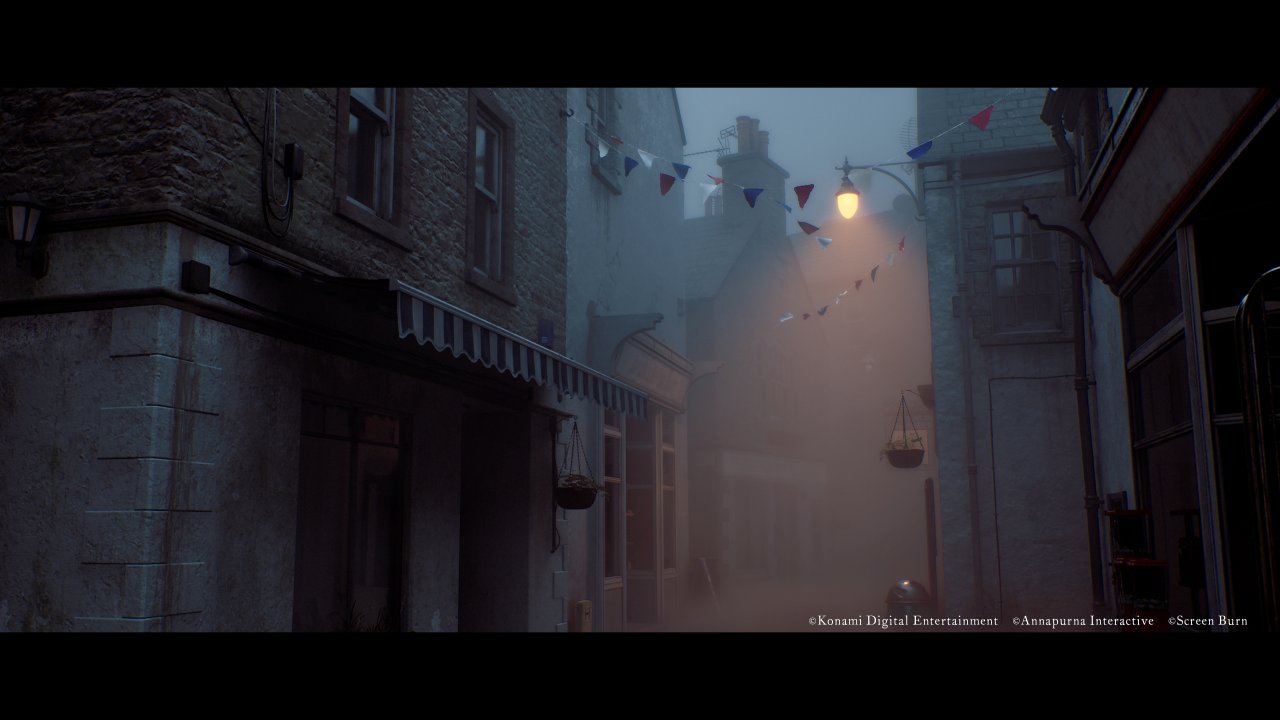
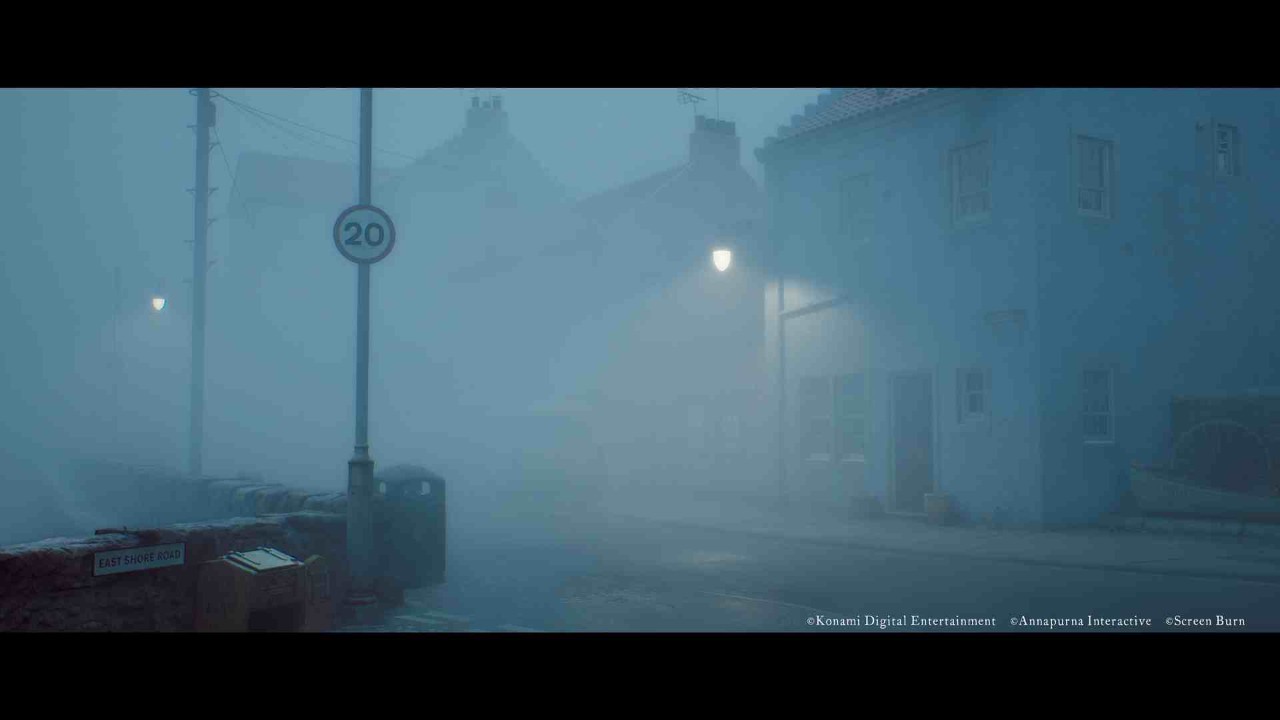
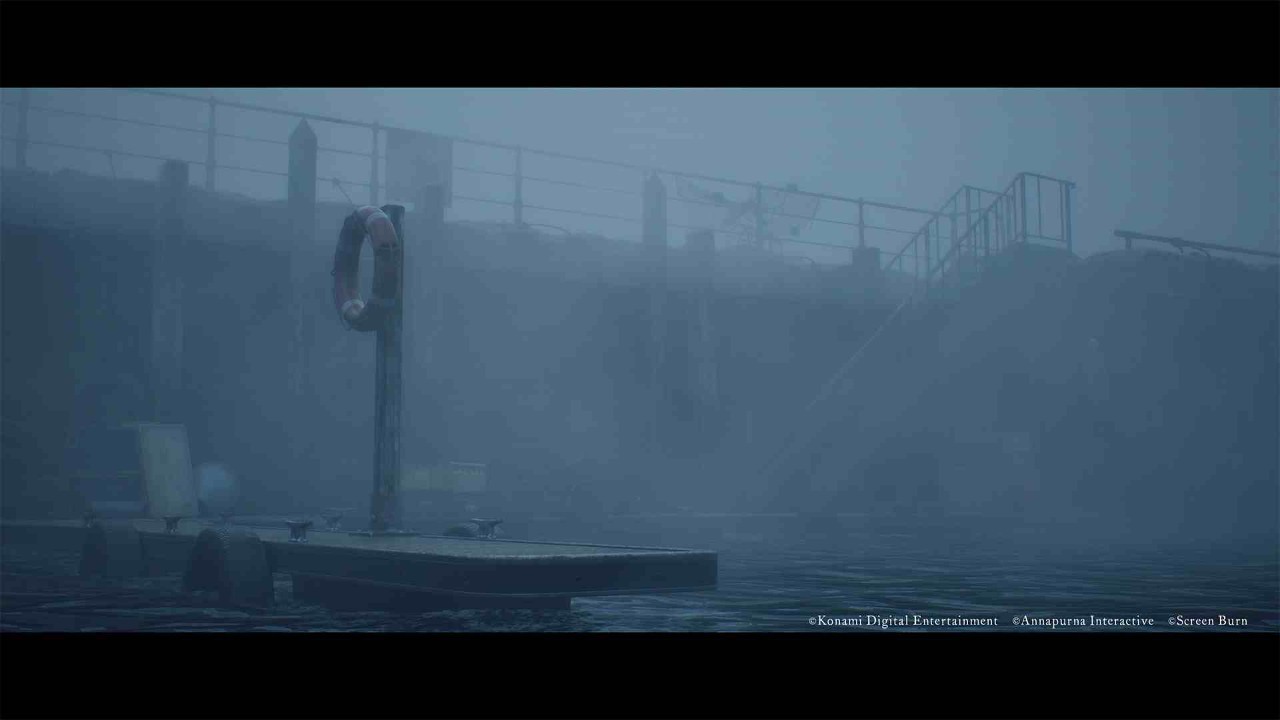
Silent Hill: Townfall takes a totally new direction by putting players in a first-person point of view. A decision by the devs from the start, first-person immerses players in ways third-person cannot, bringing them closer to the setting and the action and allowing them to see and notice details that are not normally visible from a different perspective. It works, and instantly elevates the scare factor when your view of your surroundings is limited.
Immediately, players will notice that the game’s audio design is superb, layering ambient creaks, directional noises, and unsettling silences to heighten tension. Audio is a Silent Hill killer feature, and the same can certainly be said for Silent Hill: Townfall. Authentic touches like the sound of dialing a phone booth or the nostalgic beeps of a ’90s modem add to the immersion. Screen Burn has done its research and recreated these as accurately as possible.
In fact, audio is such an important aspect of the game that even opening a metal door can attract nearby enemies, reinforcing how sound is both a tool and a threat. Save points are tied to phones, adding a classic survival horror touch, and you’ll constantly have to dial a specific number (100) to save your progress, which could get tedious as the game progresses.
Reminiscent of the aforementioned Silent Hill titles, Silent Hill: Townfall brings back the habit of checking the map repeatedly. Townfall’s map is quite smart, as it gradually fills with markings as Simon explores, guiding players through sewers, hotels, and back alleys. Locked doors will be marked, areas will show as explored, and there will be notes on where to go next. It slightly gives the impression that the game is guided to an extent, but we haven’t played enough of it to safely say that.
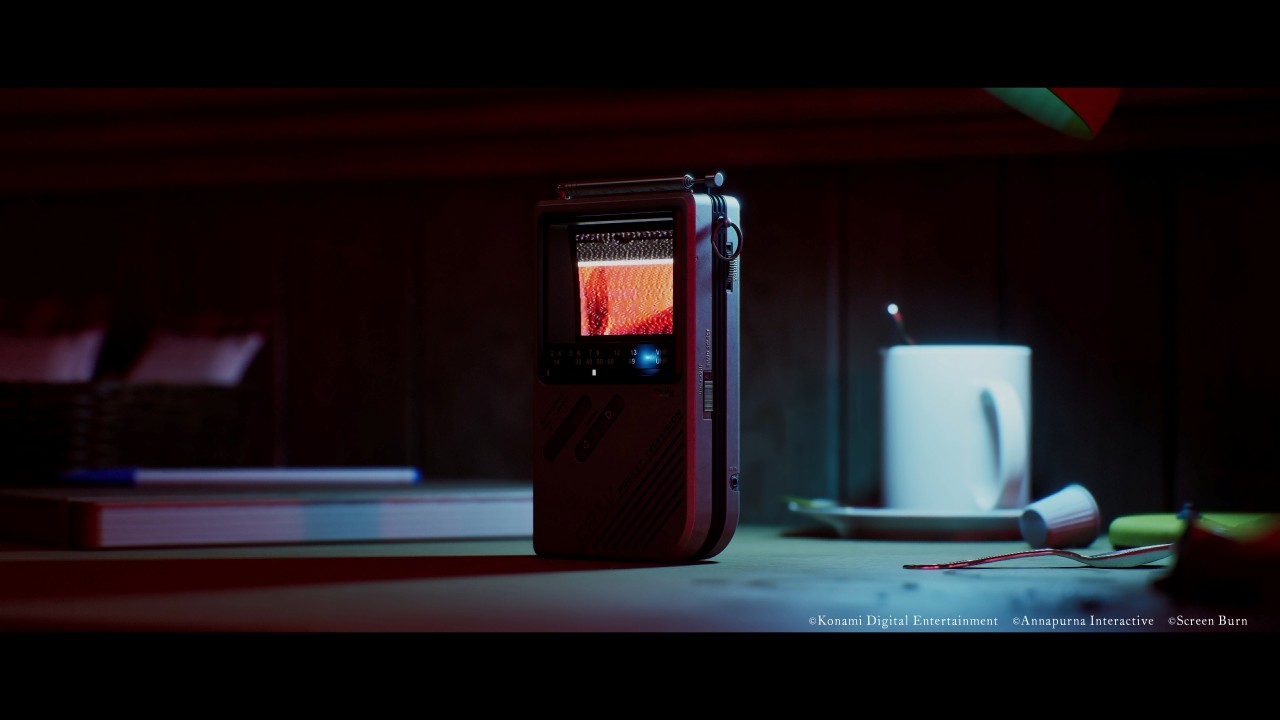
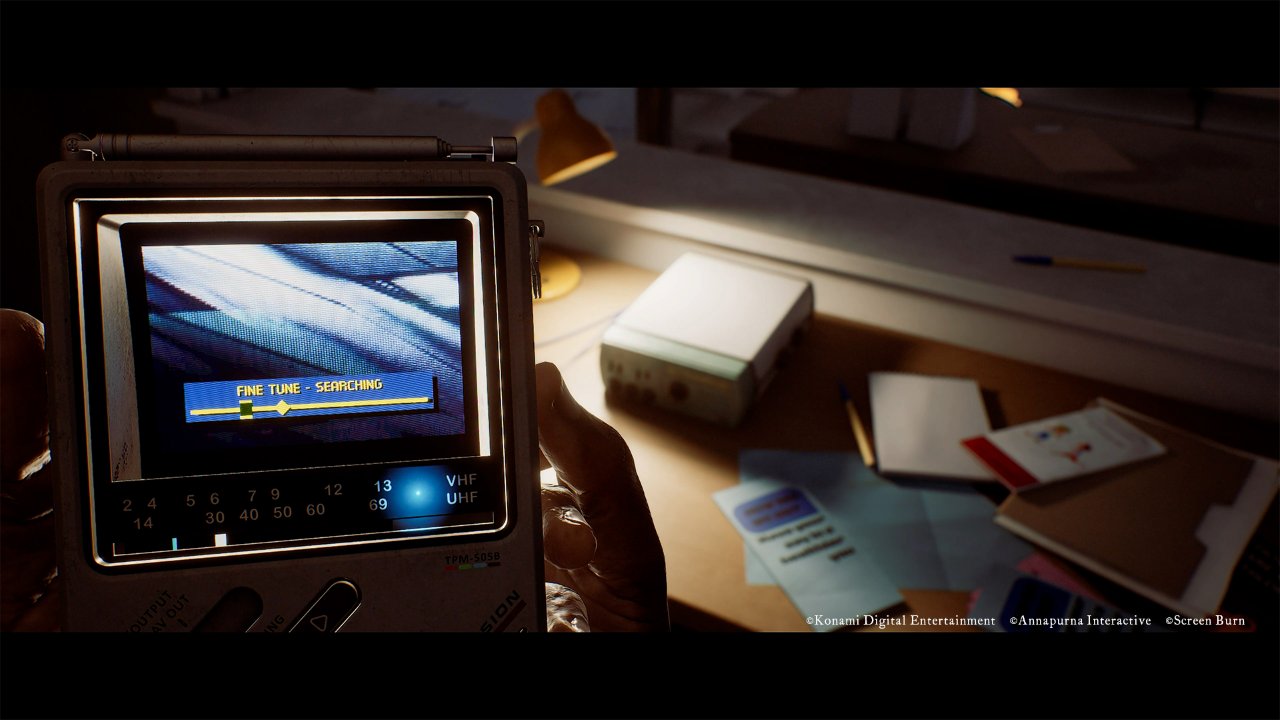
Central to Silent Hill: Townfall‘s gameplay is the CRTV, a device Simon uses to tune frequencies, uncover hidden messages, and store clues for later. This device also becomes a more active participant in Simon’s journey, as it doubles as a threat detector. When players pull up the CRTV, threats will appear as red lines in the frequency changer, and players will have to center in on those using the LR triggers to see where the enemies are located, revealing silhouettes of enemies through walls and allowing players to plan ahead and smartly scan the environment for hiding spots.
Locating threats using the CRTV is extremely useful in Silent Hill: Townfall, and it is arguable that it dilutes the suspense in a way because you already know what’s there, even walls away. Even if that were the case, the game maintained the suspense and tension all throughout thanks to its art and audio, which is a good sign.
Stealth is an integral element of Silent Hill: Townfall, and in many cases, it is the preferred way to progress. Simon is not a fighter, though he can defend himself in some ways, which we’ll get to later. Players can peek around corners using the LR buttons, which keeps them out of direct sight from the monsters. Levels are designed in such a way that you can either walk past these patrolling enemies using various obstacles in the path, or you can also have them chase you as you hide in one of the cabinets and closets scattered around.
Another reason stealth is crucial in Silent Hill: Townfall is that recovery items are limited in both number and effectiveness. In a few instances where we had to face off against a monster, it only took 4-5 hits at full health before we died, and the basic bandage would only heal around 20% or even less of your health. Thankfully, there is a crafting/combining element where you can pick up items that can improve the effectiveness of your healing item when combined, such as a bandage healing a moderate amount of health instead of a small amount when combined with alcohol.
In the unfortunate event that a monster overwhelms players, you will be revived once with limited health due to an IV bag attached to Simon. This is a new mechanic in the game, and you can pick up items that can be combined to refill the IV bag, technically giving you unlimited revives if you have enough items for it.
If stealth is not an option, Silent Hill: Townfall provides players with some way to fight back. Combat begins modestly with melee weapons like a wooden plank, which can block and strike but degrade with use. Blocking enemy attacks won’t damage Simon but will take its toll on the weapon’s durability. Striking back with R2 feels heavy due to the adaptive triggers, but is quite impactful. It took around 4 hits to down the basic enemy, and more on the more advanced variant.
Later, Simon acquires a pistol, though gunfire is noisy and risks drawing unwanted attention. Nearby enemies swarm quickly if gunfire is heard, and players will immediately be overwhelmed, so a tactical approach is recommended. Given the extremely scarce ammunition throughout our playthrough, which totaled to around just 10 or so bullets, this should be a last resort.
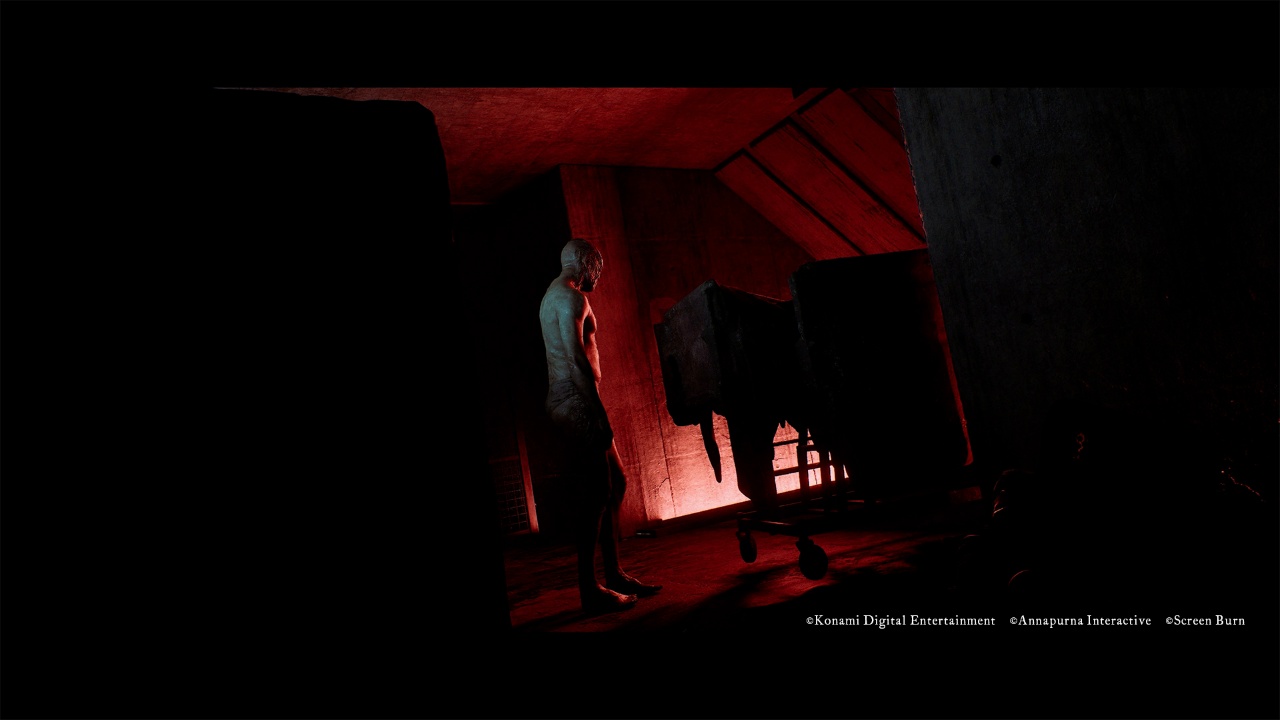
During the playthrough, we only encountered two types of enemies: one being the basic monster with what seems to be an axe-shaped head that patrols a certain area, and the other one that is normally asleep and is extremely sensitive to sound, so even the use of the melee weapon against another nearby monster will alert it. The mix of adaptive triggers, manual healing, and fragile weapon durability during combat ensures every encounter feels tense and costly, requiring players to choose their battles.
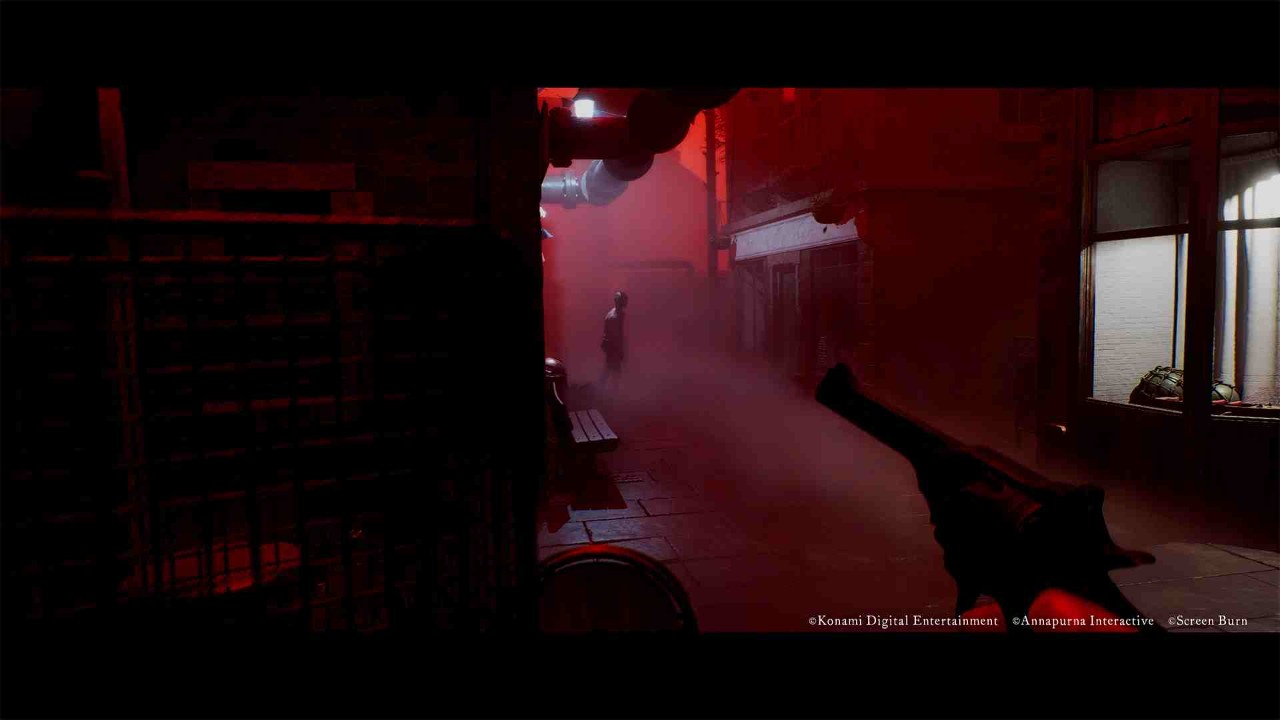
The series is also known for its puzzles, and Silent Hill: Townfall puzzles lean heavily on clue‑based logic, requiring players to piece together dates, codes, and items scattered across environments. One puzzle required a date input, and the answer could not be retrieved from a single clue or document, so players had to look around and piece the information together from certain objects.
Silent Hill: Townfall also has multi‑layered challenges, like powering up a house to retrieve an email that unlocks an organ transplant box, showcasing the game’s intricate design. The house doesn’t have electricity, and exploring the rooms provides a flashlight that lets players see a power switch missing the required item to turn on, which can be retrieved from a nearby building.
While the puzzles aren’t too mind-boggling, they do require a certain level of logic and attention to detail, which is par for the course for players expecting the same level of creativity from the series.
In some miscellaneous notes, Silent Hill: Townfall offers players difficulty options ranging from Story to Nightmare, while performance settings allow players to choose between 30fps quality mode or 60fps performance mode. The game performed well in performance mode, with hardly any frame dips to speak of, even in intense moments. There’s also an option to toggle letterbox mode on or off, offering a more cinematic feel if turned on.
Silent Hill: Townfall captures the essence of survival horror while introducing fresh mechanics. The CRTV stands out as a unique storytelling and gameplay device, blending analog horror with practical utility. The game is shaping up to be another hit and offers a different experience than Silent Hill f, feeling poised to deliver something fans can look forward to.
Silent Hill: Townfall launches on September 24, 2026, on PS5, Xbox Series X|S, and PC.
