

Final Fantasy VII Revelation – Closing the Trilogy with Heart and Vision
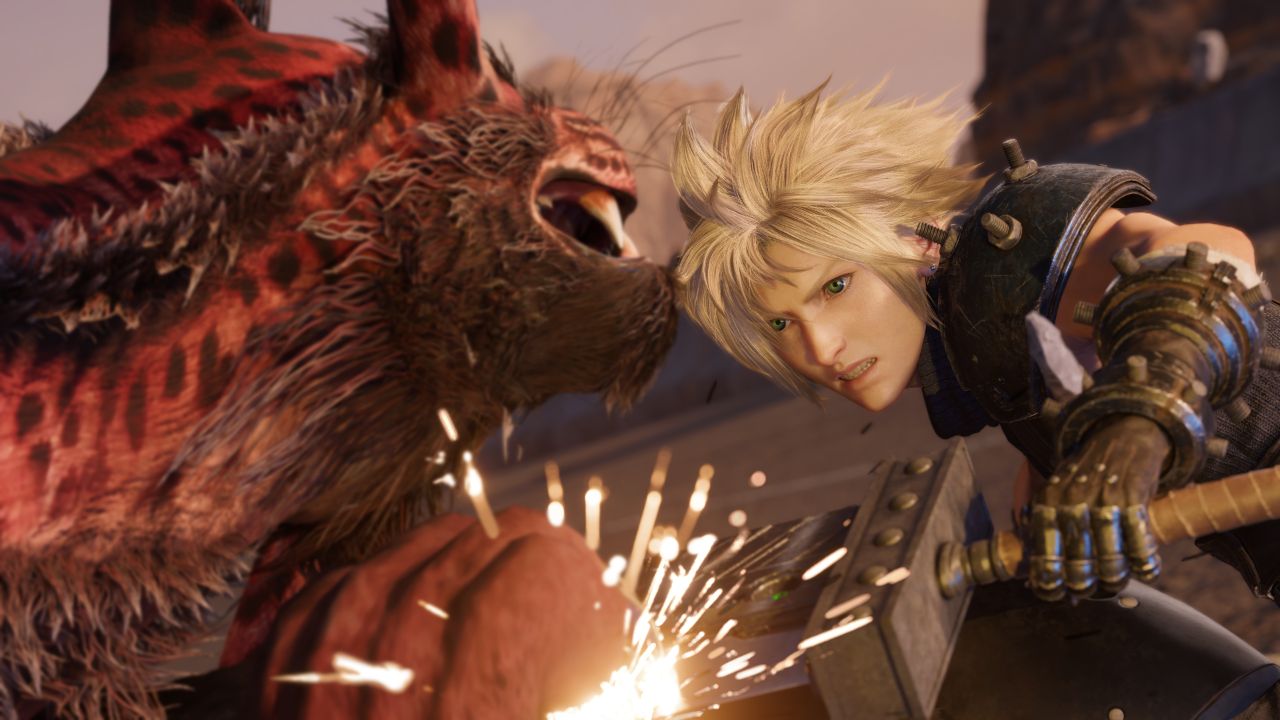
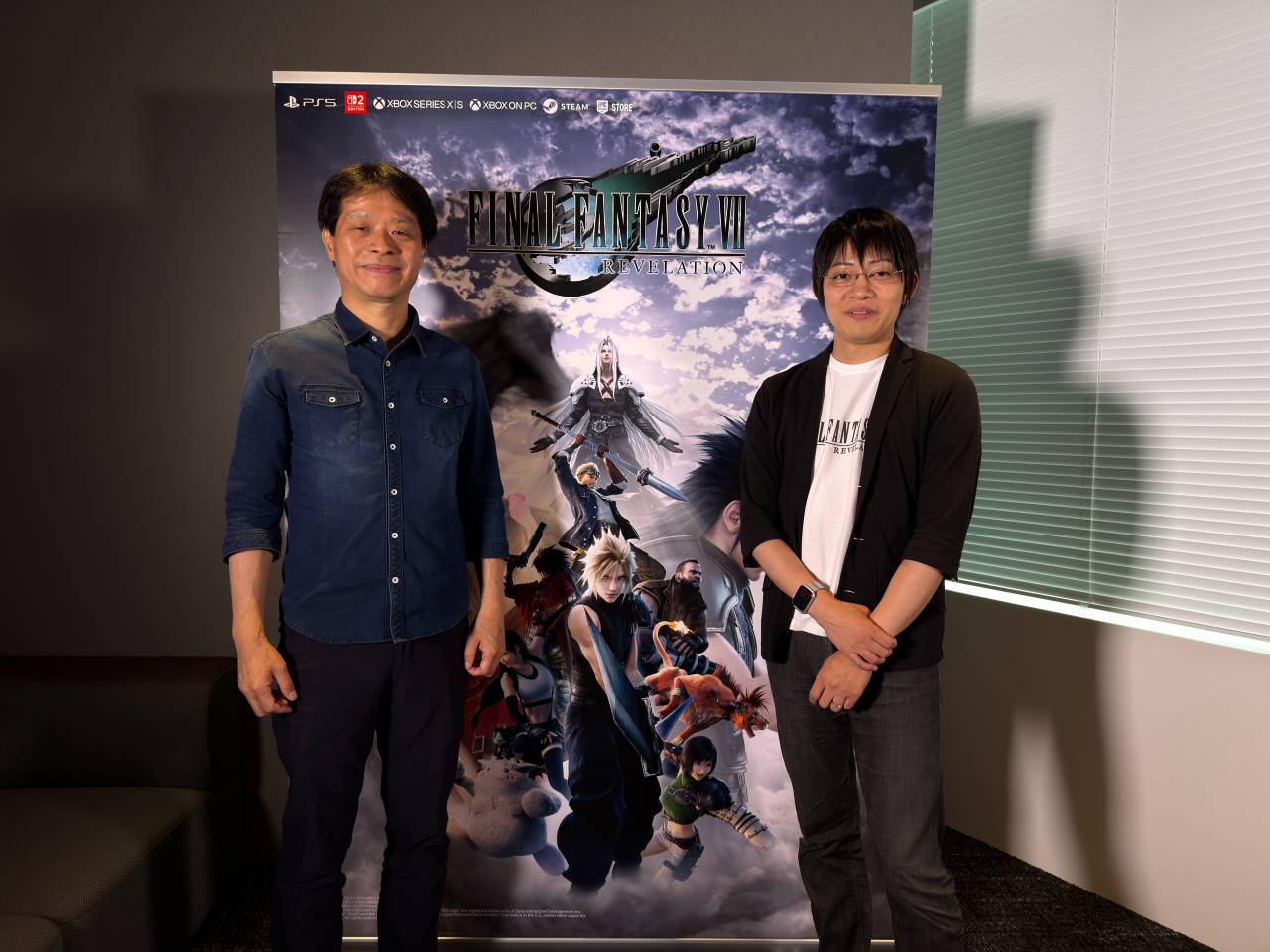
When Final Fantasy VII Revelation was unveiled, fans knew they were witnessing the culmination of a journey nearly a decade in the making. For Series Producer Yoshinori Kitase and Remake Director Naoki Hamaguchi, the project represents both a creative challenge and a heartfelt farewell to the remake trilogy.
Speaking about the game’s design, direction, and future during a recent Southeast Asian Media Session, the two shared their thought process with the FITS system, innovation, and fan expectations for Final Fantasy VII Revelation, as it gears up for its April 2027 launch.
Expanding the Cast Without Losing Identity – FITS Style
Introducing beloved characters like Cid and Vincent posed unique challenges, especially since both characters possess vastly different playstyles. The team wanted to preserve the signature combat system while ensuring each new addition felt distinct without having to fit them into specific roles.
“While there are a lot of characters in the game, it was really difficult to assign each of them roles in battle. They way the play is quite different in the sense that it’s not so much as a fighting game, but the combos that you have to create with these 2 characters and the timing of the button inputs are very important to them.”
“With Cid, we looked at Red XIII, who is mainly ground-based who can create a lot of different combo attacks. We reversed that idea with Cid, who is very airborne. He can create a lot of combo attacks in mid-air.”
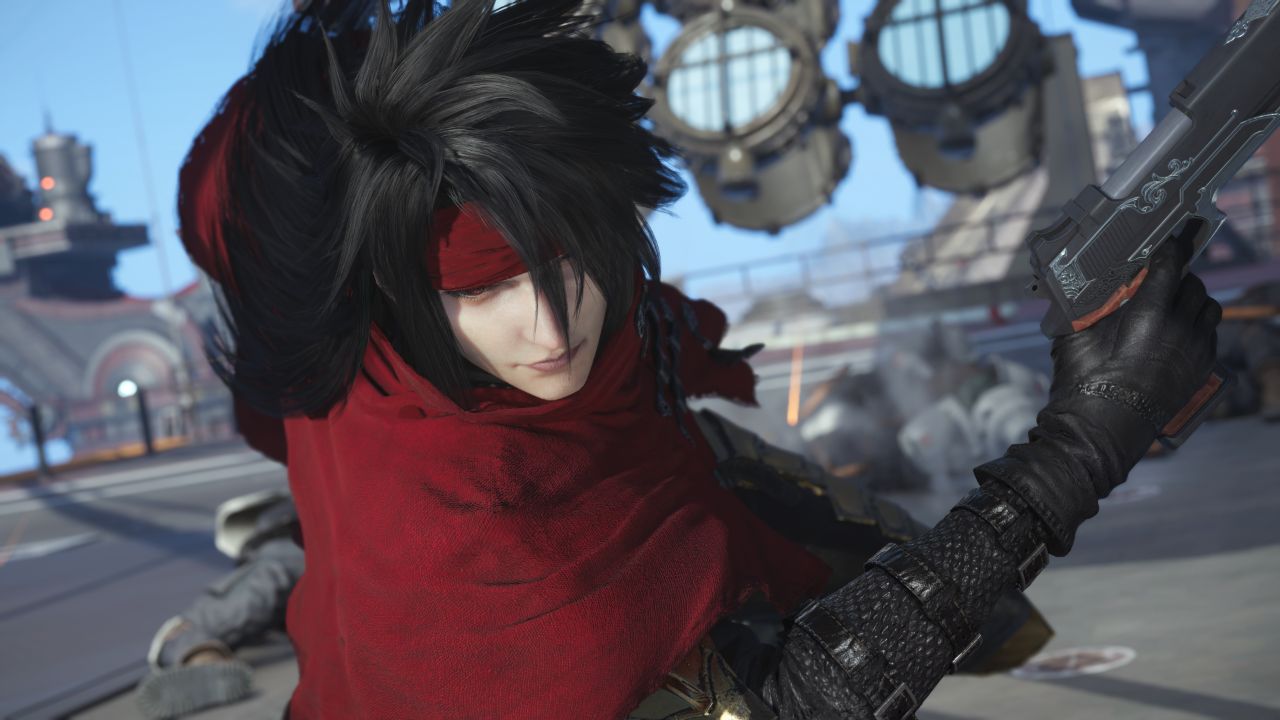
“The reason why we describe Vincent similar to Yuffie is because he is able to, with the touch of a button, become a very melee-focused fighter or pull back and use his guns to fight from a distance. Just like Yuffie when she can launch it at opponents and unleash magic attacks, or fight close range with the throwing star in her hand,” Hamaguchi explained.
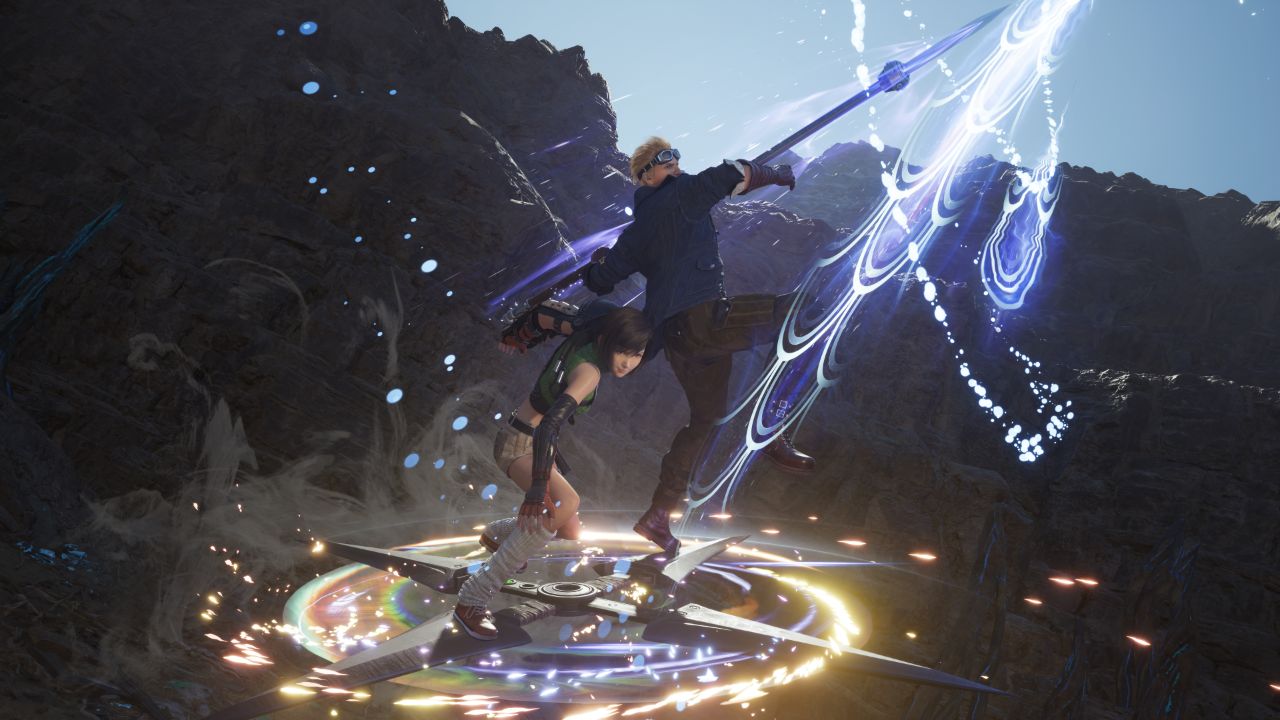
This philosophy of variety extended to the new “FITS” system, which allows players to experiment with roles and playstyles. From warrior fits that manipulate ATB to summoner fits that synergize with summons, the system encourages creativity while staying true to each character’s identity. When asked whether the battle system from Lightning Returns was an inspiration, especially since both Kitase and Hamaguchi worked on that title, they said that it wasn’t the case.
“Hamaguchi-san was also a part of that project in a major way,” Kitase mentioned.
With the Lightning Returns battle system, it’s really about adapting to situations on the fly. In that regard, we didn’t really take much inspiration from it. One of the real reasons we decided to implement this system is that there are so many characters that are very well-liked and very unique. We wanted to give players a chance to kind of experiment with how they arrange their teams and how they arrange their battle style with these very unique characters,” Hamaguchi explains.
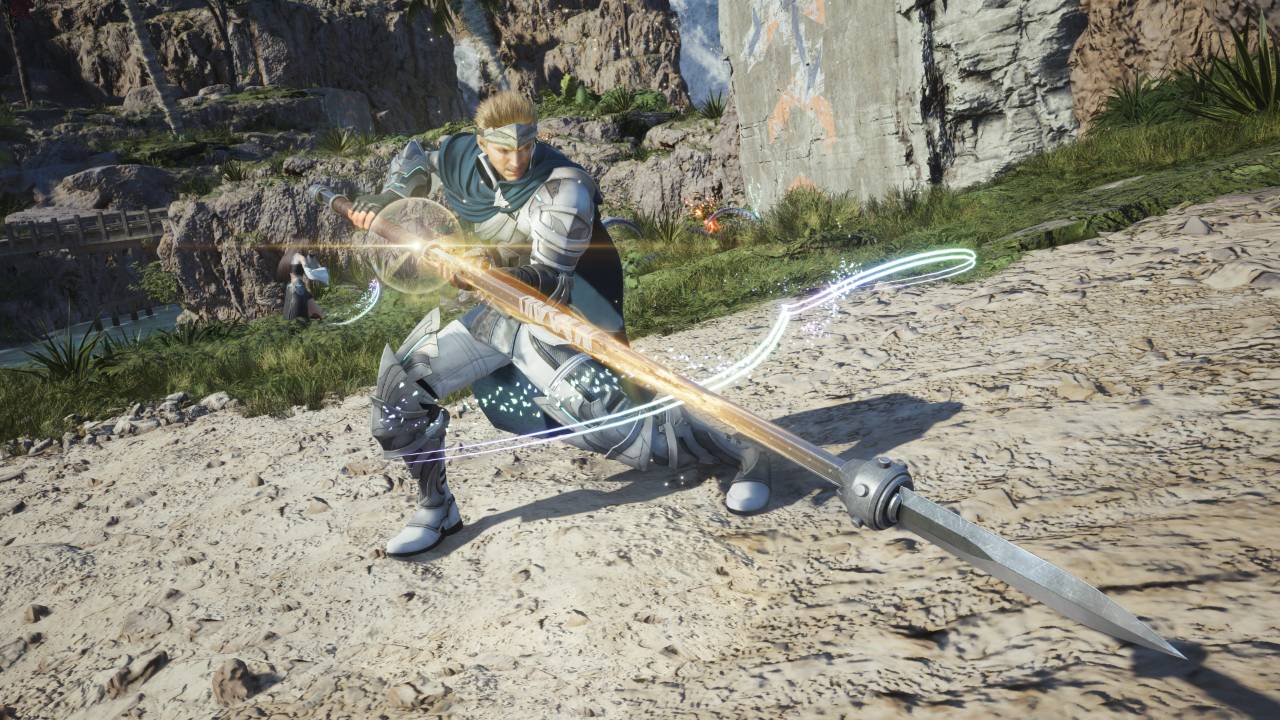
“When you have roles, each group is divided into a very specific role, you tend to lean on one team or one set of characters more than any other. So with Revelation, we really wanted to ensure that you were able to flesh out these roles a little more with the FITS system. Through any team combination, you can create your own playstyle.”
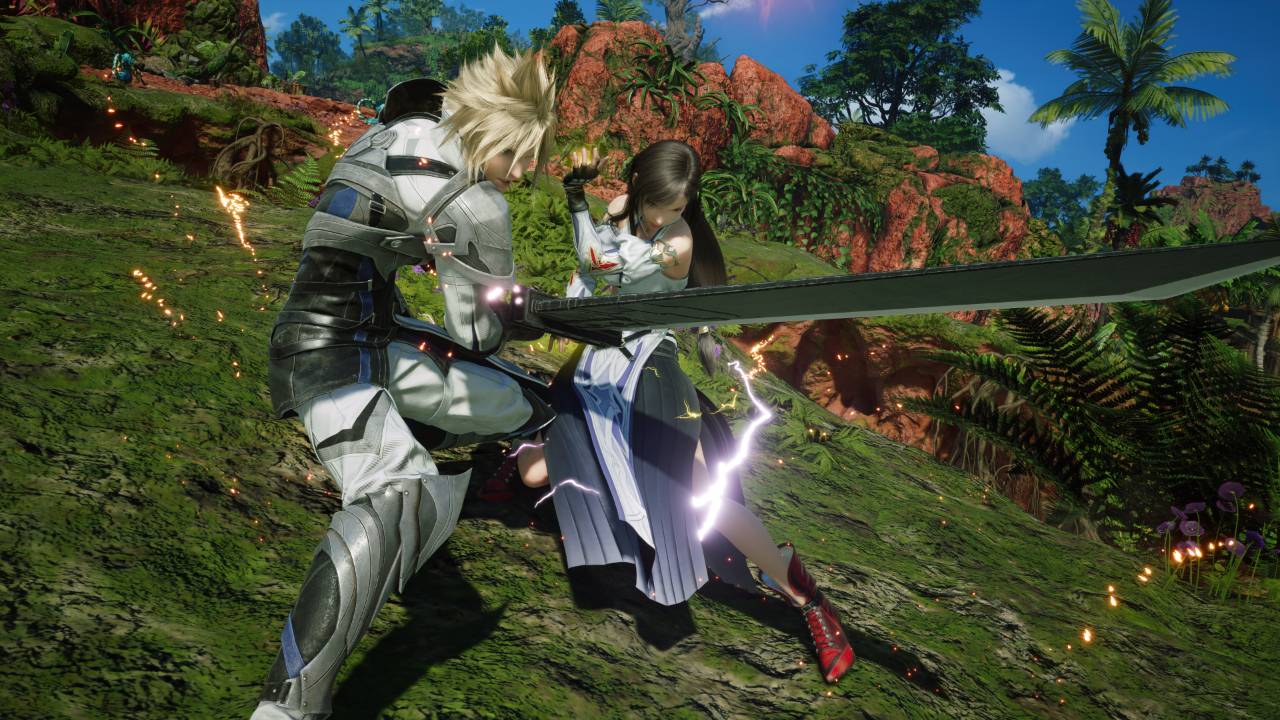
“For example, the Warrior FITS is able to use ATB commands without using the ATB gauge. The Black Mage FITS is focused on spells and your MP, and how they’re able to conserve their MP as well as pull off very powerful spells that are not available to those not wearing the Black Mage FITS. For Knights, they use their limit break gauge to support the defensive capabilities of the rest of the party. For the Summoner FITS, you’re able to team up with a summon, call them into battle, and fight right alongside them. You’re also able to perform synergy abilities with these summons.”
“When this FITS system opens up in the game, all of the characters are able to immediately use all 4 of these FITS.
Hamaguchi also explained a bit more about the FITS system, saying that while it would have been cheaper to give one look to all of the characters and just call it a day in terms of art design, they did not go that route, but instead created specific looks per character.
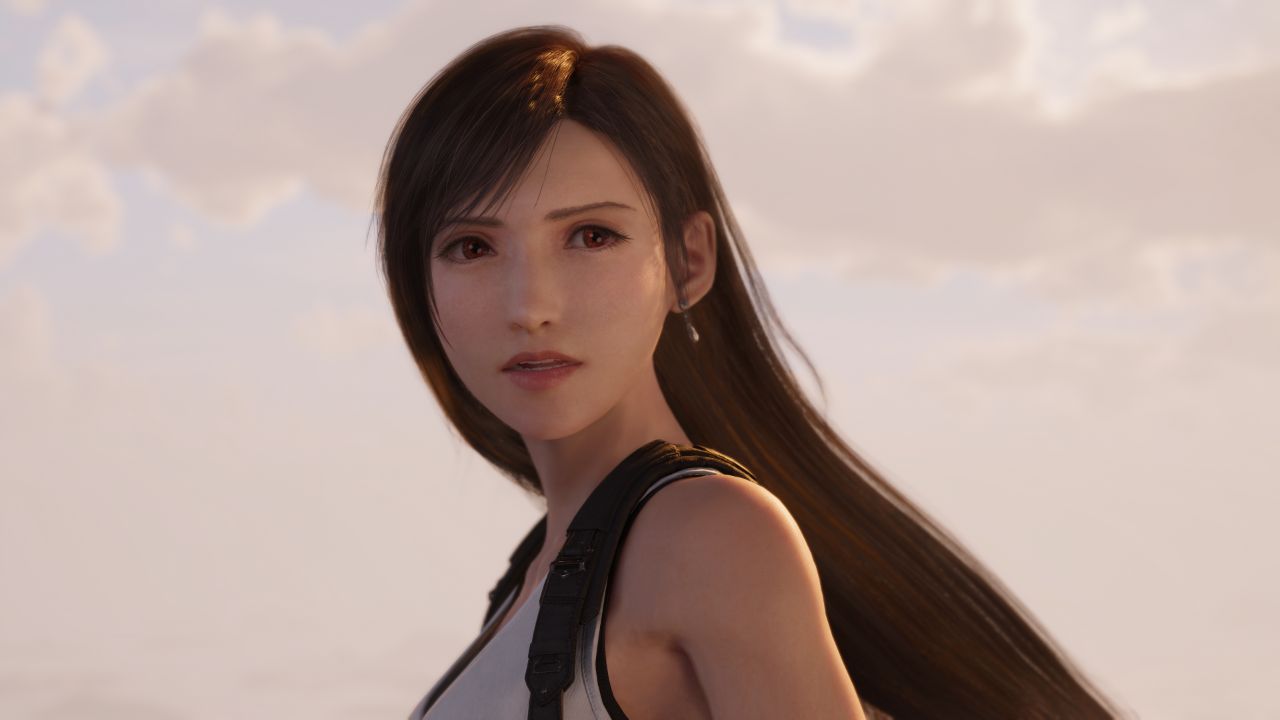
“We made sure that each FITS looks specific to the character and combines their unique qualities with the design aesthetic of the job. We recently showed off one of Tifa’s new FITS, and I see a very positive response from everyone. Also, we’re hoping that maybe people will want to cosplay her at some point.”
The Trilogy’s Grand Finale
When asked whether Final Fantasy VII Revelation was indeed going to be the end of the remake series, Kitase was clear about the intent: Revelation is the conclusion of the remake trilogy.
“For the remake series specifically, this is being designed as the finale of this trilogy. We really aren’t thinking in terms of what’s the “true ending.” We don’t have any plans like that. What we are making right now, from the start, is that this will be the finale. This is the ending of the game; this is the conclusion.”
Of course, at the time of this interview, neither Hamaguchi nor Kitase could speak to the existence of DLC, which was later confirmed during the recently concluded State of Play. They even said they received a lot of responses to the Yuffie DLC, and they do hear the fan requests, even ones about adding DLC for Rebirth.
While that was the case, Hamaguchi did say that the characters they were considering for the DLC, which was later confirmed to be Sephiroth and Vincent and the Turks, would make a lot of people happy.
“But the characters that we are considering, a lot of people will be very happy about.
Kitase added by saying that “In terms of the remake series, especially with this title, we really wanted to feel like we really have put so much work into this. We have done everything possibly can to make this title have the best quality that we can have.”
Kitase also acknowledged the unpredictable power of fan enthusiasm.
“When we created the original Final Fantasy 7, we really thought that “okay we’re done now, we can move on.” But the characters were so popular and so lasting that the fan reaction to these characters is what brought on the spin-off games as well, like Advent Children and Crisis Core, so while we’re putting our all into Revelation and making sure it’s the best quality, and we can confidently say it’s the end of the series, who knows what’s going to happen with the fan reaction and how people come to enjoy this series and this finale.”
The Highwind: More Than Just an Airship
In Final Fantasy VII Revelation, the Highwind serves as the player’s gateway to the world. Rather than being packed with mini-games, the airship evolves alongside the player’s journey.
Hamaguchi explained that “The Highwind really functions as the players’ portal of the world… the more you do on the ground, the more adventures you have, the more the Highwind will change. It comes to a point where you want to return to the airship to see how things have evolved as you play the game.” This dynamic progression ensures that returning to the ship feels meaningful, reflecting the impact of your actions across the map.
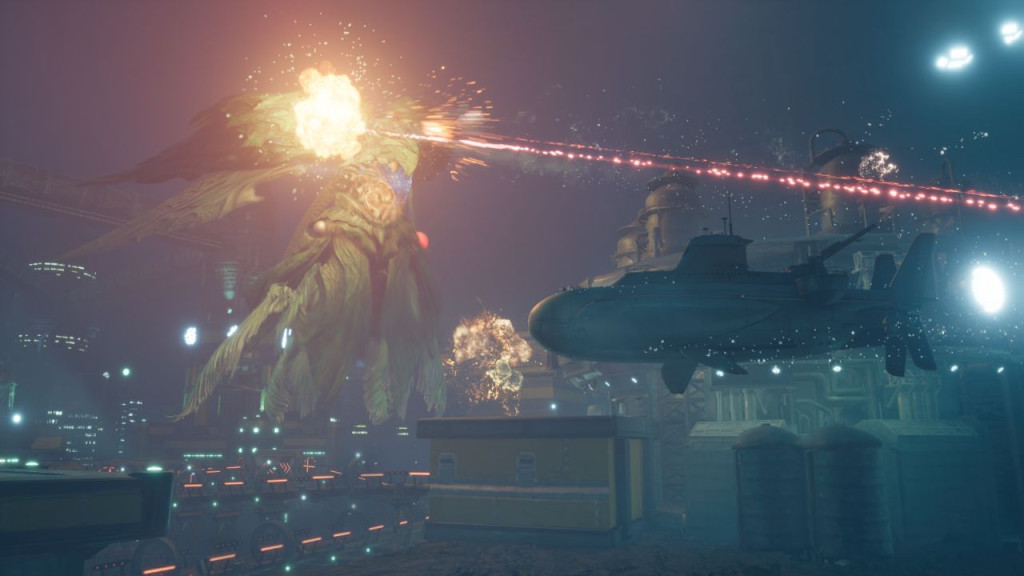
Fans who caught the trailer may have noticed hints of a dramatic encounter involving the Highwind and one of the series’ colossal weapons. While the developers remained coy, they teased that observant players “probably know what we’re talking about” and can expect something memorable.
“It was hinted at in the trailer that there may or may not be a sequence with the Highwind and one of the giant weapons… If you’ve seen the trailer, you probably know what we’re talking about. You can probably have a good guess.”
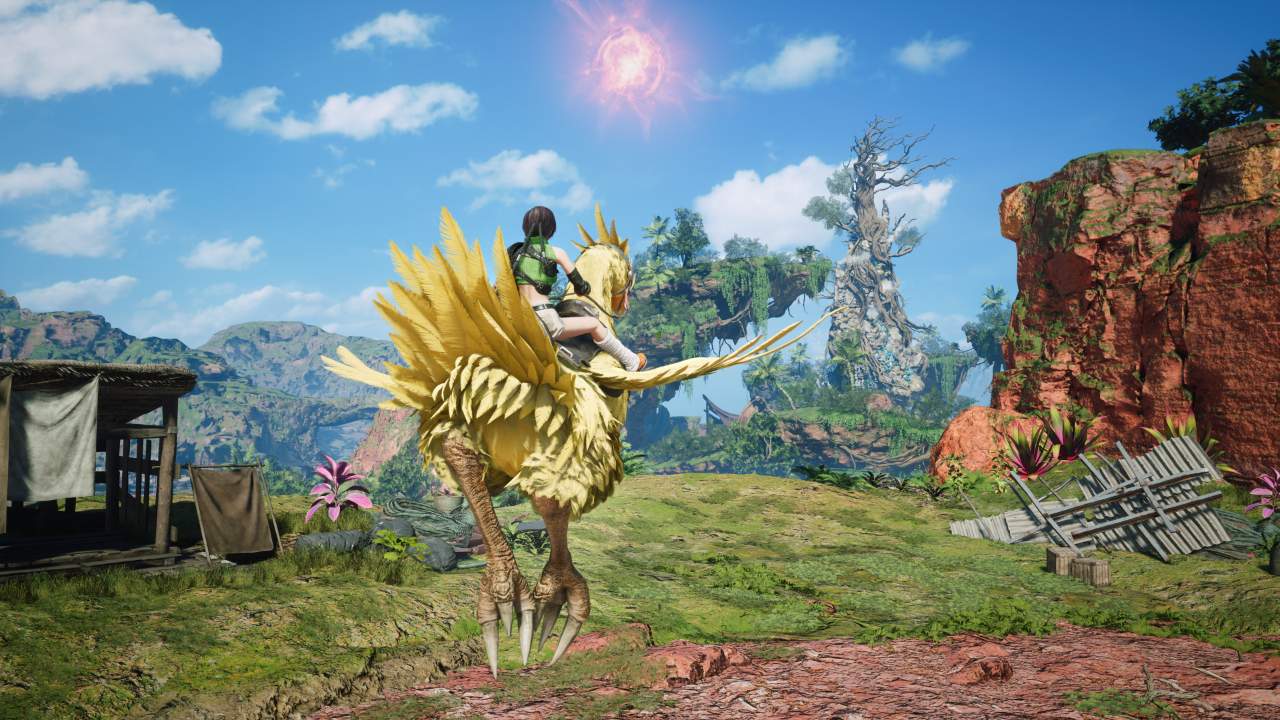
Traversal also receives a vertical twist through the parachuting system. In the build played by media, players could see icons on the ground while diving because they were a higher level than usual, but in the full release, this feature is tied to higher-level progression. As characters grow stronger, parachuting becomes more versatile, allowing players to skip parts of the dive sequence or even call upon their chocobo companion to join them upon landing. This mechanic adds layers of freedom and convenience, ensuring that exploration feels fresh and rewarding as the game unfolds.
“As you level up, the parachuting element becomes even more useful and convenient for players.”
Staying True to the Rating and Vision
Speculation about a Mature rating was quickly addressed when asked about the floating rumor on social media. Hamaguchi clarified that this was not the case at all.
“Just to state the facts here, we don’t have the intention of changing the rating of the game from Rebirth and Remake. We can’t say anything official right now as the ratings have not been accepted yet. We have done everything in our power to ensure that we retain the Teen rating, as with the other two titles.”
“We never went about thinking like we need to make this one more mature. That was never part of the play. We, as developers, try to operate within the framework of what we believe to be the Teen rating. No one has ever come to me and said we have to make this Mature because I wanted to do this scene, that’s not how we operate on the development side. At the end of the day, we’re still in the process of getting the ratings reviewed and processed. Maybe there’ll be something we find that doesn’t fit the parameters, but we always try and make sure that we are creating something that works within the framework of the Teen rating.”
If anything, one thing Hamaguchi and the team “changed” with Final Fantasy VII Revelation was the scale, saying everything was being scaled up.
“Everything was being scaled up from Remake to Rebirth and finally to Revelation, which is the biggest scale yet. Remake was really story-driven, and with Rebirth it was more of open-world free exploration. With Revelation, we wanted to make kind of self-contained zones where there was verticality to everything and not just expansive fields. One thing we really wanted to be able to focus on is how there is so much verticality to everything, not just jumping from the Highwind and parachuting down, but also in the way you traverse with your Chocobo.”
A Farewell Worth the Wait
After nearly ten years of development, both Kitase and Hamaguchi reflected on the journey, along with sharing a message to fans.
“As a team, we believe that we have created this game as the conclusion to the remake trilogy. We think that has a level of finality to it that fans would find very satisfying. This is a meaningful conclusion to the series. And we hope you’re looking forward to playing it very soon,” Kitase said.
Hamaguchi shares that “It’s been seven years since the launch of Final Fantasy VII Remake, and it’s pretty much been ten years since I’ve been working on this project. Joining everyone on this journey has been really special, and we’re really looking forward to everyone playing it simultaneously on all platforms on the day of release.”
Final Fantasy VII Revelation will release worldwide on April 8, 2027 for PS5, Xbox Series, PC, and Switch 2.
