When Atlus announced Persona 4 Revival, fans wondered how the studio would approach one of the most beloved JRPGs of all time. Remaking Persona 3 was already a monumental task, but Persona 4 carries a different kind of legacy due to a rural mystery, a cast adored for nearly two decades, and a tone that balances warmth, humor, and darkness in a way few games ever have.
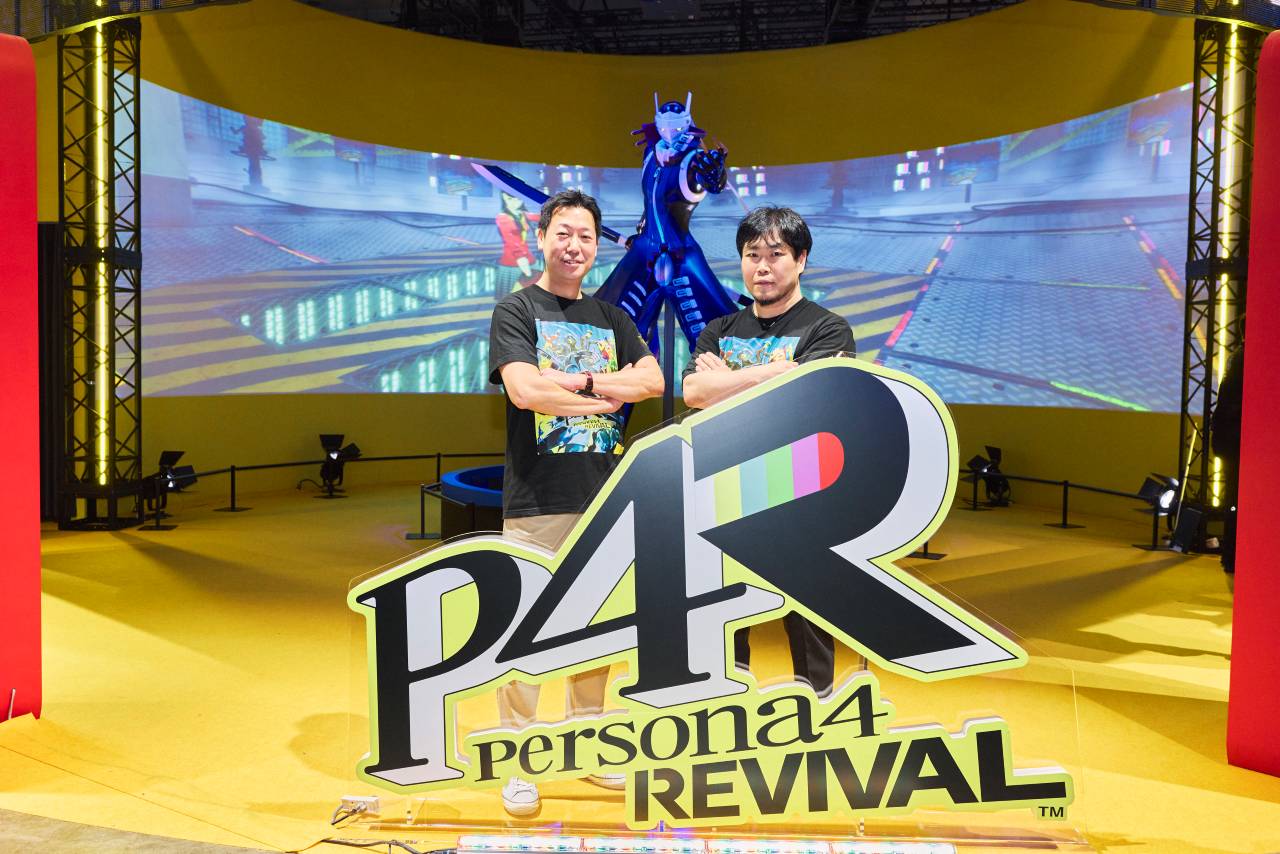
General Producer Kazuhisa Wada and Director Daisuke Yajima understand that deeply, and at Tokyo Game Show 2026, the pair walked us through the philosophy behind Persona 4 Revival and how they approached this release while still respecting what made the original beloved.
Persona 4 Revival is For the Fans
From the very beginning, Wada and Yajima approached the Persona 4 Revival project with longtime fans in mind. “We mainly actually thought about the fans that know Inaba dearly. We want them to be satisfied, and we believe that would translate into newer players.”
Their confidence comes from the strength of the original game itself, because as it was, Persona 4 was already phenomenal by most accounts. “The original Persona 4 is a very good game… a fantastic game. We want to brush it up into a better game to satisfy the older fans, the ‘longer’ fans, and we believe that would help new fans enjoy the game as well.”
“After we started with the Persona 3 Remake, I thought about remaking Persona 4 at around the same time, and so the development was overlapping. The reception of Persona 3 Reload was really nice, it was a very good reception, so that kind of made us more confident in our direction in the remakes, so we confidently went on in remaking Persona 4.”
“Persona 4 Revival will include new content from Golden, and so we can’t really get into details now, but please be excited. These new content will make fans enjoy the characters and setting a bit more, so please wait for the announcements.”
The Challenge of Modernizing a Giant
Persona 4 Golden is famously dense, packed with content, systems, and story beats. Remaking that sheer volume was one of the team’s biggest hurdles.
“When I first think about the difficulties of this project… so this project is based off of Persona 4 Golden, and that game is a very high volume, very high content game. So remaking the sheer volume was a difficulty in and of itself.”
Surprisingly, preserving the game’s identity wasn’t the hard part. “Keeping the Persona 4 essence… I wasn’t too concerned about that. We were just concerned about brushing up the entirety of the game.”
One area in Persona 4 Revival that proved unexpectedly challenging was the UI. Persona UIs are iconic, and each game has its own visual identity. “So, the user interface is a highly expected part of the game. So creating Persona 4’s specific UI was a little bit of a difficult task. And I think there’s certain pressure on the team as well, but I think we managed to make it really nice.”

A Story Untouched and Enhanced
When asked about how they decided what to modernize and what to protect as is for Persona 4 Revival, Wada and Yajima said that the team made one decision early: the narrative would remain exactly as fans remember it.
“In order to express the good parts of Persona 4, we think that the story of Persona 4 itself is a really good story, and so we decided to definitely not alter the narrative itself. We didn’t change the story. And also there’s the character element, each of the identities of the characters is really unique and very good identities, so we kept those intact.”
Instead, modernization in Persona 4 Revival comes through presentation. “The graphics, of course, improved. And the gameplay has also been improved and is much easier to control. So now those improvements allow players to immerse themselves more into the stories and the characters and go deeper inside of the world of Persona 4.”
This approach extends to Inaba itself. The town’s rural charm is a core part of Persona 4’s identity and something Wada refused to compromise. “One additional thing that I thought of is the rural atmosphere of Inaba. It’s a rural, small-town atmosphere. We cannot change that, and we wanted to make that even better and give that to the players.”
While there are no new areas in Persona 4 Revival, Inaba is now more seamless, more interactive, and filled with new objects and points of interest. “Regarding Inaba City, there wouldn’t be any more new areas. However, we kind of created a more seamless map of Inaba, and players can go through the map in a more easy manner, and we have included more objects and spots that players can discover. Depending on locations, there are a few new buildings and interaction points.”
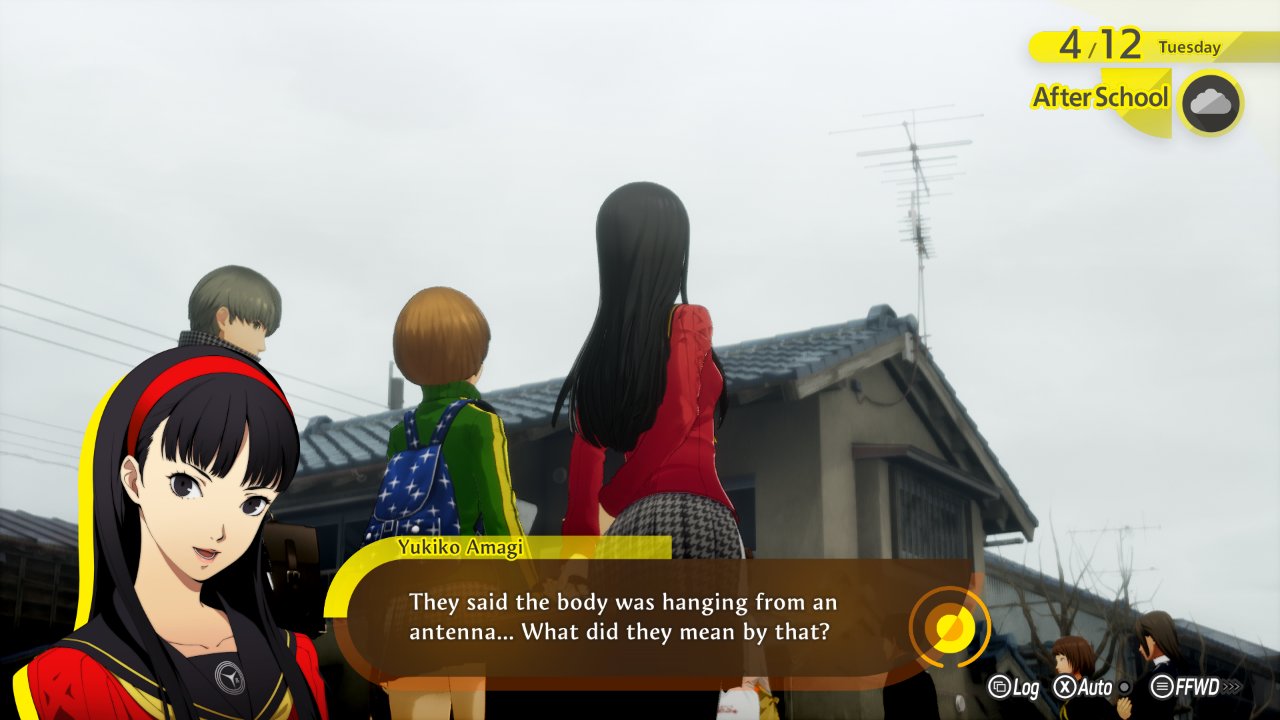
Additionally, this is what they had to say about Kanji and Naoto’s story in Persona 4 Revival.
“And so the stories about Kanji and Naoto can seemingly be a little bit sort of iffy at times, but if you kind of look at it a little bit more deeper, you’d understand that it’s a lot more sincere. It’s a very sincere story. And so even back then and now, we can send these stories out with confidence and I believe everyone will feel the same way when they play it.”
Persona 4 Revival’s Visual Identity
With Persona 5, and more recently, Persona 3 Reload, setting new graphical standards since the time that the original Persona 4 was released, the team felt that they had to push it even further for Persona 4 Revival.
“We wanted to make it even better than Persona 3 Reload and that’s how we went with Persona 4 Revival.”
Character models now strike a balance between stylization and realism. “And with that mind, we decided to make it into a more Persona 4 specific kind of style. Persona 3 Reload had the Persona 3 specific style and and now we improved the graphics in a more specific Persona 4 style. Persona 3 Reload development was a happening in parallel, so we were checking their graphics as well and we wanted this installment to be better because it’s a newer one to be released..”
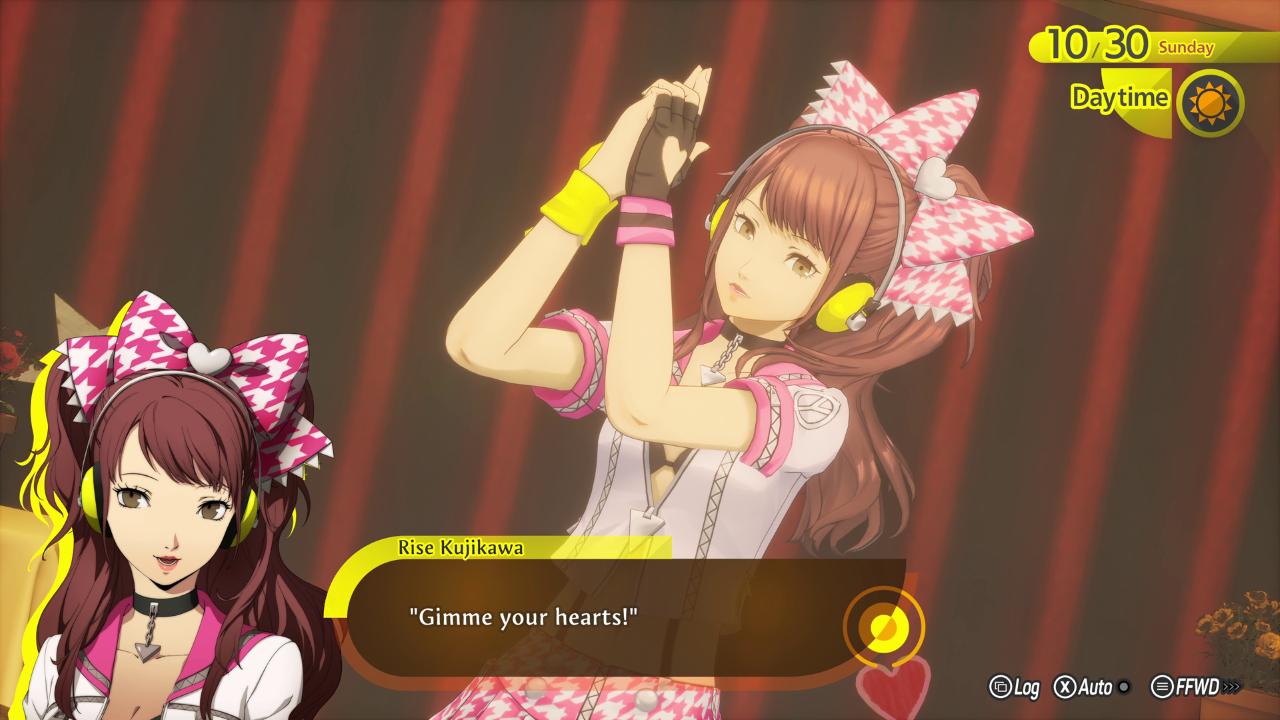
And with every Social Link now fully voiced in Persona 4 Revival, emotional scenes hit harder than ever, when viewed in tandem with the graphical upgrades. In particular, the pair recalled an instance that would be more emotional.
“With the addition of the voice and the improvement of the graphics, the Social Links events have been more impressionable events, I think people/players would a lot more moving scenes within these events. Me, personally, the events were Nanako and her father having a little fight against each other. That scene now is a lot more emotional now that it is voiced.”

Speaking of voices, when asked about the cast, this is what they had to say.
“So the English version had a major revamp of the cast, and we wanted the English voice actors to reflect the original Japanese voice actors and,we auditioned them with that in mind. And the English voices were recorded after we did Japanese, so the English actors had a Japanese reference, audio tracks as well as video tracks. So we wanted them to sort of keep it close to the Japanese.”
Combat Rebuilt From the Ground Up
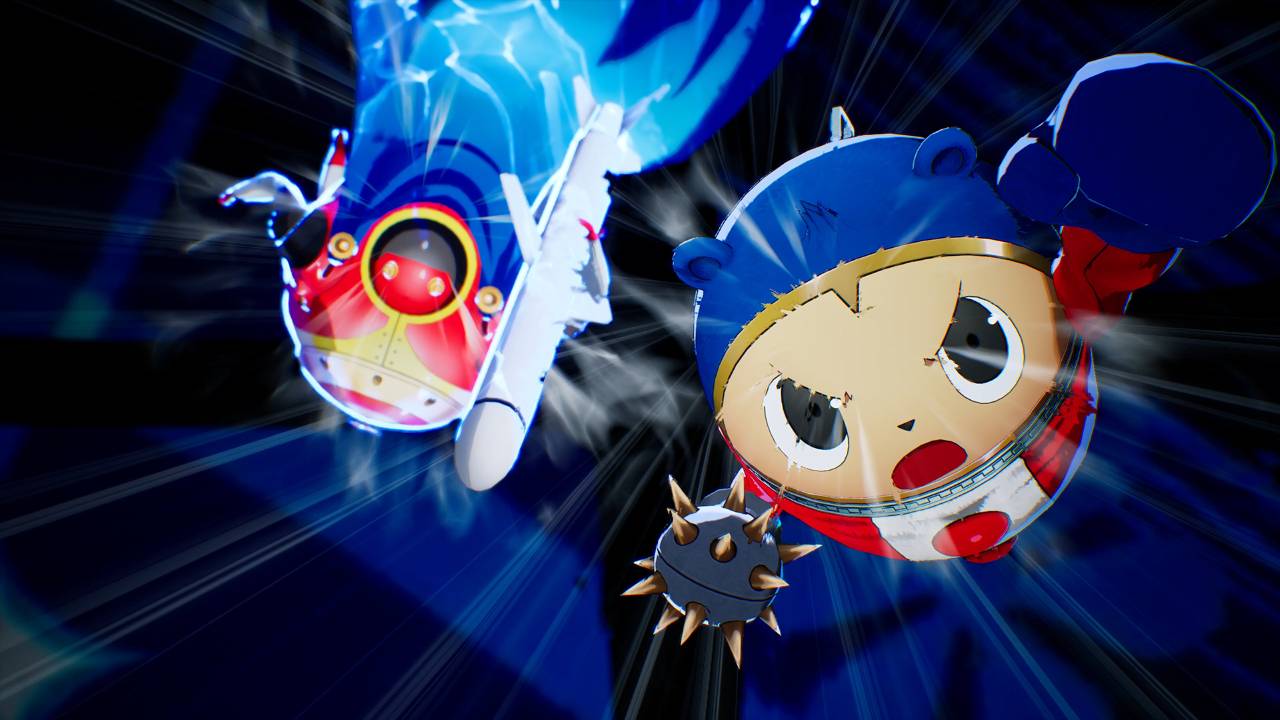
While the story remains untouched, combat has undergone major changes in Persona 4 Revival, especially with the inclusion of Send Flying and Prime Time. When asked whether the team just wanted to make battles more exciting or address specific weaknesses, this is what they had to say.
“Addressing the specific weakness identified in Persona 4 Golden, that’s pretty much the answer. That is the correct assumption.”
“Regarding “Send Flying”, this is a system where you inflict a bad status towards the enemy, this is a system not frequently used in the Persona series. We decided to balance that out a little bit more. That status and the normal attacks, those two were very infrequently used in the previous Persona 4. So I thought that was a waste, I wanted to combine those two together and make it a better system. That’s why we included Send Flying in this new installment.”
“The new Prime Time system, I noticed this in Persona 4 Golden, when you learn new skills, players would be hesitant to use those skills. Even when players learn these new skills, they will be hesitant to use it because it uses a certain amount of SP. During Prime Time, players can use whatever skills they like without having to spend any SP. It’s an incentive for players to use more of their skills. With this players can inflict negative status effects to the enemy during Prime Time, and then use Send Flying to inflict the bad status to other enemies, I feel like these two systems would be really enjoyable for the battles and the players. We want the players to use more of the battle skills and elements, it’s an incentivized system.“
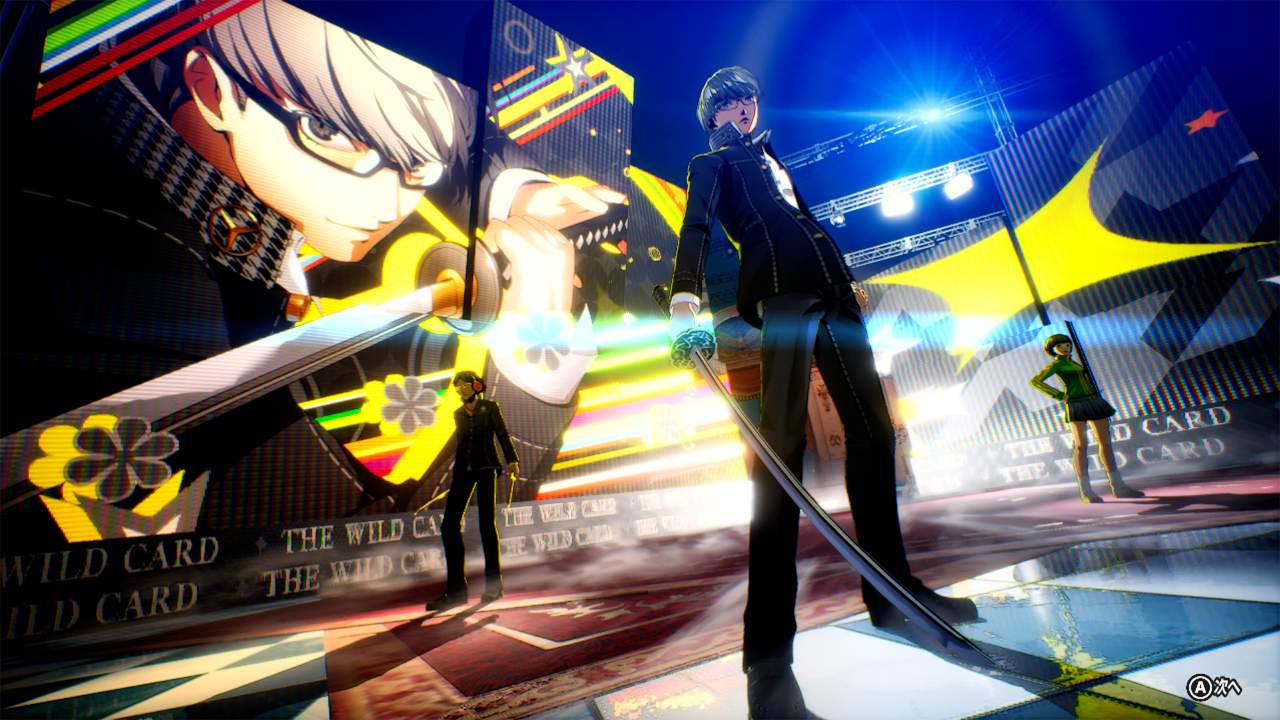
Social Links: More Accessible, More Connected
Maxing Social Links in Persona 4 Golden required careful planning. In the original Persona 4, the team really did not intend to have it so that players can max everything out in one run. “But when we made the Persona 4 original version, we were not intending the social links to be maxed out for every social link. And so when the users kind of found out a way to maximize every link, we were very surprised. And yeah, that kind of helped us as well.”
When asked if the team made any changes to the calendar or Social Link system to make it more achievable for players to max their Social Links without following a guide, Wada and Yajima had this to say.
“Maximizing the Social Links was a little bit difficult on Persona 4 Golden, but we rebalanced the Social Link points for Revival. If you want to max out the Social Link rank, it’ll be a little bit easier than Persona 4 Golden. We increased the frequency of meeting your Social Link members and team members around the towns, so you can improve the Social Link events more frequently. It’ll be easier to improve the Social Links.”
To help new players, Persona 4 Revival includes autosave and rollback features from Persona 3 Reload. “There’s also the auto-save feature as well as the rollback feature, which was included for Persona 3 Reload. If you think that you made the wrong decision, you can roll back your save.“
“Regarding Social Links, there are a few elements that you have to make irreversible decisions, you cannot go through every Social Link event on the first playthrough. If you’re really interested, please play another playthrough.“
Persona 4 Revival also introduces new ways to interact with characters, namely Phone invitations, New micro-events with Nanako, and Karaoke outings.
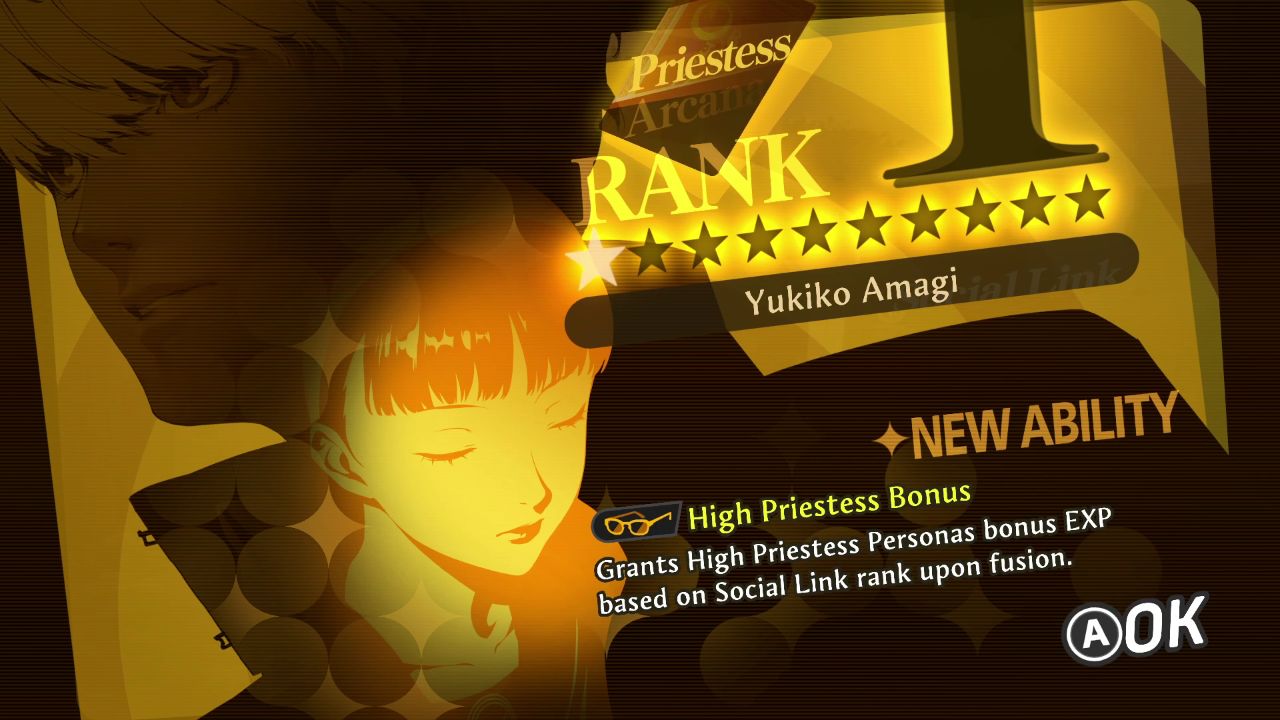
“With Persona 4 Revival, the Social Link abilities where each character, when you improve the Social Link status, you get new specific abilities, this is a system that was in Persona 5 originally. We included that into our games. I think this makes players want to improve certain Social Links. Every move and every interaction that the player makes ultimately connects to the battle element of the game. We wanted to make that a better experience in this game.”
“So with Persona 4 Revival, we included a new phone mail system. So this is a system that was included in Persona 3 Reload as well as Persona 5. So you get some invitations from your other character members and you can go meet up with them through this phone system, so that’s a new inclusion.”
Dungeons Will Have Familiar Structure and Modern Feel
Persona 4 Revival retains the original dungeon structure, but with major improvements, along with trying to reduce repetition by adding new gimmicks and interactive elements.
“So the original Persona 4, the dungeons were all procedural. Now they’re not procedural. However, they’re not as detailed as the Palaces in Persona 5, but we made the dungeons by hand. The floor numbers are equal. We heard that the dungeons were a little bit too same-y across the board in the previous series. We added a few more actions and gimmicks and destroyable objects. The dungeons are little bit more interactive this time around.“
The team also made adjustments so that players would not get lost in the dungeons in Persona 4 Revival, and instead, have more focus with progressing through the dungeons via combat.
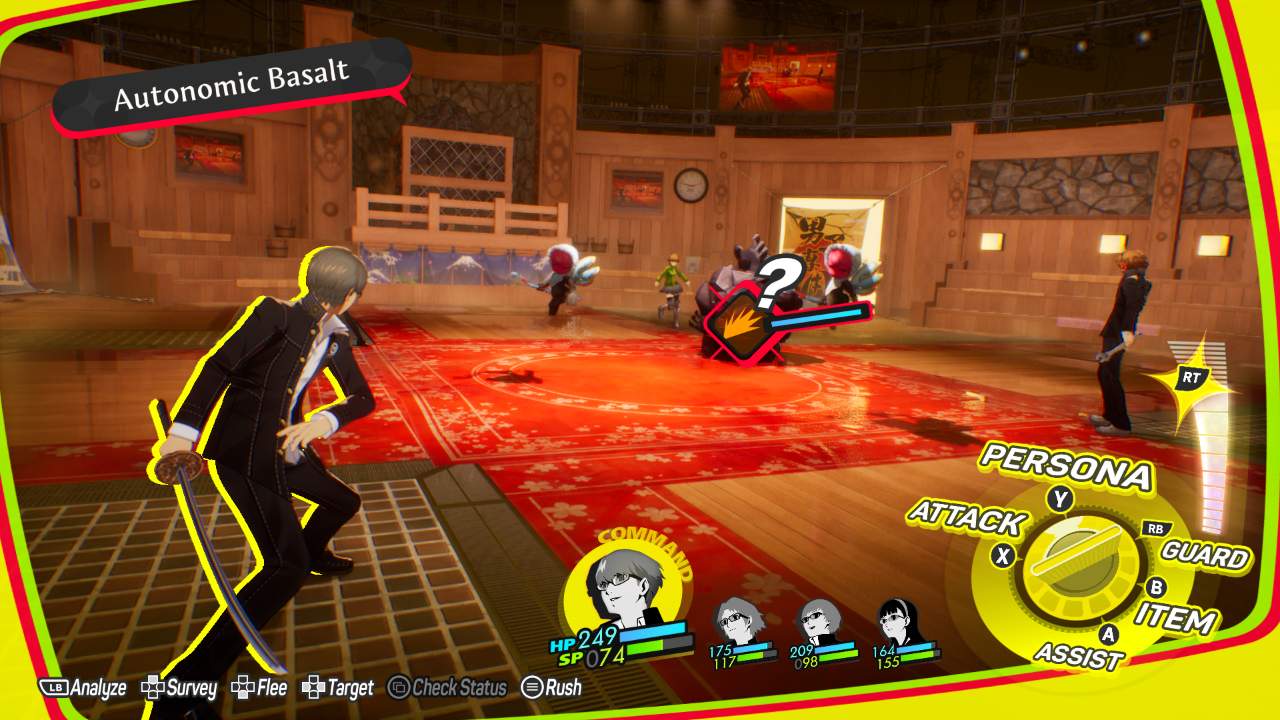
“So in terms of game design, we didn’t really want to players to sort of get lost in the dungeons. We didn’t think that’s the most enjoyable part of the dungeons. So we kind of decided to make it more of a battle oriented dungeon so that you can sort of immerse yourself in the battles with enemies.”
Enemy AI in Persona 4 Revival has also been rebuilt, but there are some weaknesses an unique properties that have remained the same. “Regarding Enemy AI and Enemy Behavior, we have readjusted every one of those, not just the specific design change. Every enemy AI and behavior has been changed. However, certain enemy weaknessess haven’t been changed. Certain enemies are known to do certain things, that has been kept the same as the original.”
The Philosophy of Persona Remakes
Working on both Persona 3 Reload and Persona 4 Revival hasn’t changed Atlus’ core philosophy about how they approach remakes, and it still really is about elevating the original experience.
“Honestly, the perspective of what Persona remakes should be hasn’t changed from the beginning. And so, we can’t really talk about 1 and 2 remakes now, of course. We want to remake this series in order to elevate the original’s strengths. And that hasn’t been changed.”
“Persona 1 and 2 are very different games. System-wise, from 3 and onwards, if we were to remake that, it would be a very challenging task and a very difficult one.”
Persona 4 Revival is launching on launching February 18, 2027.