

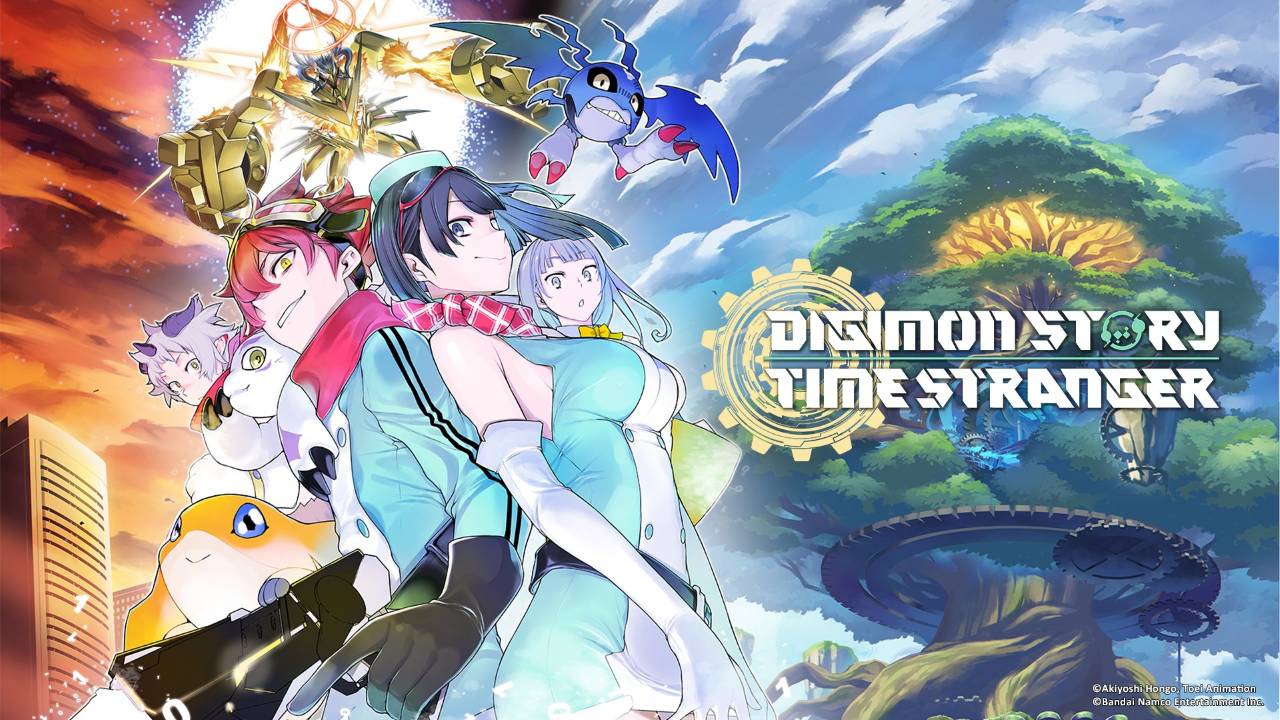
Digimon Story Time Stranger Review
Table of Contents
When it comes to monster-raising games, two iconic franchises immediately come to mind: Pokémon and Digimon. While Pokémon needs no introduction, having defined the genre and achieved global cultural status, Digimon has carved out its own legacy, offering a distinct identity and gameplay experience that continues to resonate with fans.
The Digimon universe spans multiple timelines and formats, each with its own lore and cast of characters. From the nostalgic adventures of Digimon Adventure to the gameplay variety across titles like Digimon World, Digimon Story, and Digimon Survive, the franchise has consistently evolved while staying true to its core themes.
After a long wait, fans are invited to once again explore a new entry in the Digimon Story series. Digimon Story Time Stranger is the latest installment that promises a fresh narrative, strategic gameplay, and a deeper dive into the digital realm, and it’s safe to say that this is one of the best Digimon games out there.
Fight for the Future
In Digimon Story Time Stranger, players take on the role of an elite agent from ADAMAS, a covert organization tasked with monitoring and investigating Phase Electron Lifeforms, or beings commonly known as Digimon. Operating in secrecy, ADAMAS ensures that the existence of Digimon remains hidden from the public eye, functioning much like a digital-age Men in Black.
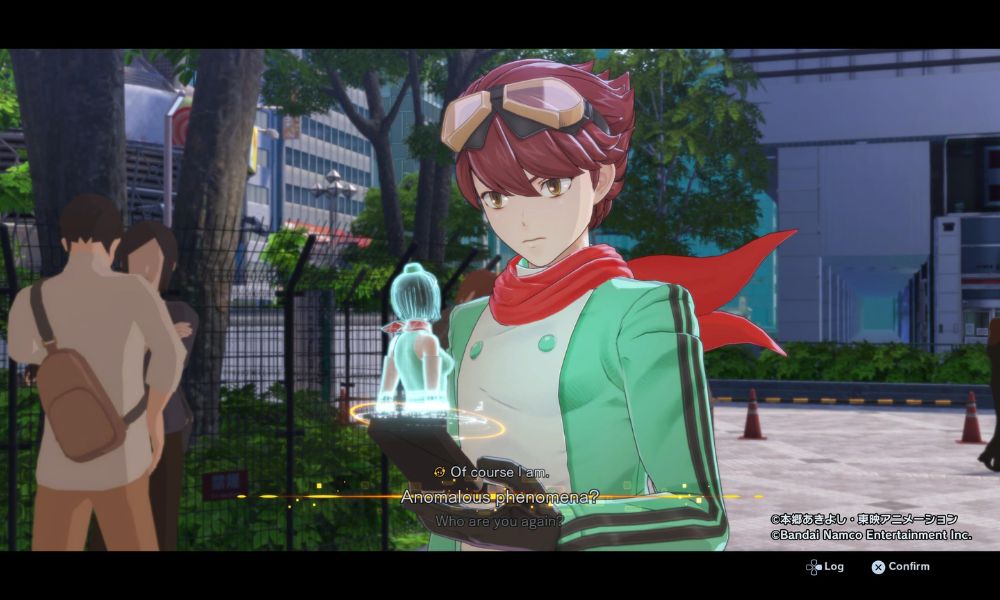
Following a mysterious incident, your agent avatar is thrust eight years into the past and tasked with an important mission to prevent a catastrophic global disaster that threatens the future. This time-travel premise gives weight to the title Time Stranger, setting the stage for a high-stakes narrative that blends sci-fi intrigue with classic JRPG storytelling.
The plot is engaging, especially for fans of time-travel themes. While the overarching “save the future” storyline may feel familiar, it’s executed well enough and with character-driven moments to keep players invested. Longtime Digimon fans will appreciate appearances from iconic creatures like Omnimon and Minervamon, while newcomers can dive in without prior knowledge of the franchise.

The Digimon Story Time Stranger cast features fresh faces, including Inori, a kind-hearted girl haunted by her past, and Hiroko, an aspiring content creator with a fascination for the occult to name a few. Their dynamic adds personality to the journey and helps ground the narrative in relatable motivations.
While the plot provides a solid foundation, the real draw of Digimon Story Time Stranger lies in its gameplay. As with previous entries in the Digimon Story series, players will spend the bulk of their time raising, training, and battling Digimon. The game’s monster-raising mechanics are deep and rewarding, offering a wide range of customization and strategic options.
Convert ’em all
Staying true to its roots, Digimon Story Time Stranger delivers a classic JRPG experience with turn-based battles, expansive zones to explore, and item shops to support your journey. The combat system features familiar mechanics such as Attack, Skill, Guard, and Item, making it instantly accessible to genre veterans.
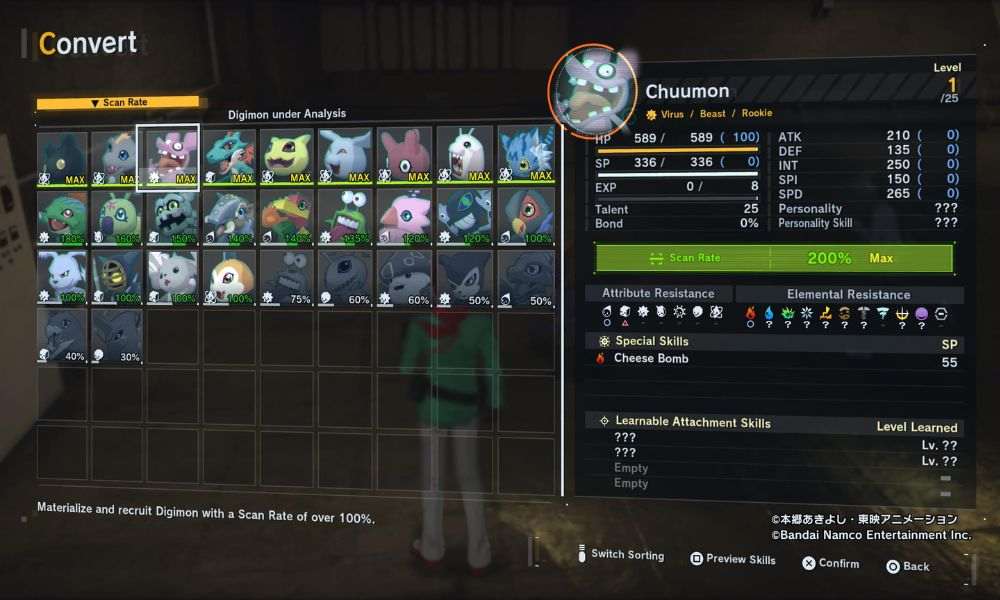
The heart of Digimon Story Time Stranger lies in its monster-raising mechanics. As an ADAMAS agent, you’ll assemble teams of Digimon to battle across various fields. With over 450 available, the game offers a robust collection system that rewards persistence and strategy.
Beating Digimon of a certain type on the field increases your scan rate of that Digimon, and once you reach 100%, you can convert said Digimon into one of your companions. There’s also a mechanic where if you max out the scan rate to 200%, you can convert said Digimon with a bonus skill and HP increase. While this system encourages grinding, the game introduces several quality-of-life features to streamline the process.
Outside of combat, simply standing still will put your Digimon in Regeneration Mode, restoring their HP/SP on the spot. And in combat, you even have the option to speed up the battle up to 5x. These enhancements keep players engaged and minimize repetitive delays, especially when farming scan rates or leveling up your team.

Another neat feature is the DigiAttack, which is not only needed to clear obstacles on the field, but also used to get the jump on enemy Digimon, giving you the first strike in battle. It definitely makes the grinding process less of a hassle.
Once certain Digimon are acquired, players can ride them across the field, automatically triggering DigiAttacks upon contact with enemies. This mechanic adds a layer of tactical mobility and makes grinding feel less tedious.
Build your winning team
Team-building in Digimon Story Time Stranger stands out as one of the game’s most rewarding yet complex features. At its core is a familiar rock-paper-scissors dynamic involving Vaccine, Virus, and Data Digimon types, with additional categories like Free and Variable. Layered on top of this is an elemental system that includes Fire, Water, Electric, and more, influencing Digimon’s strengths and vulnerabilities in battle. But wait, there’s more!
Every Digimon aligns with one of four personality quadrants: Philanthropy, Valor, Wisdom, or Amicability, with each further divided into 4 personalities each. These traits directly impact stat growth such as Valor boosting physical attacks, Amicability enhancing defense, Wisdom favoring magical abilities, and Philanthropy supporting healing and buffs. Players can influence these traits through talking with Digimon, raising certain traits depending on the interaction. What’s more, it’s possible to switch your Digimon’s personalities again depending on your answers.
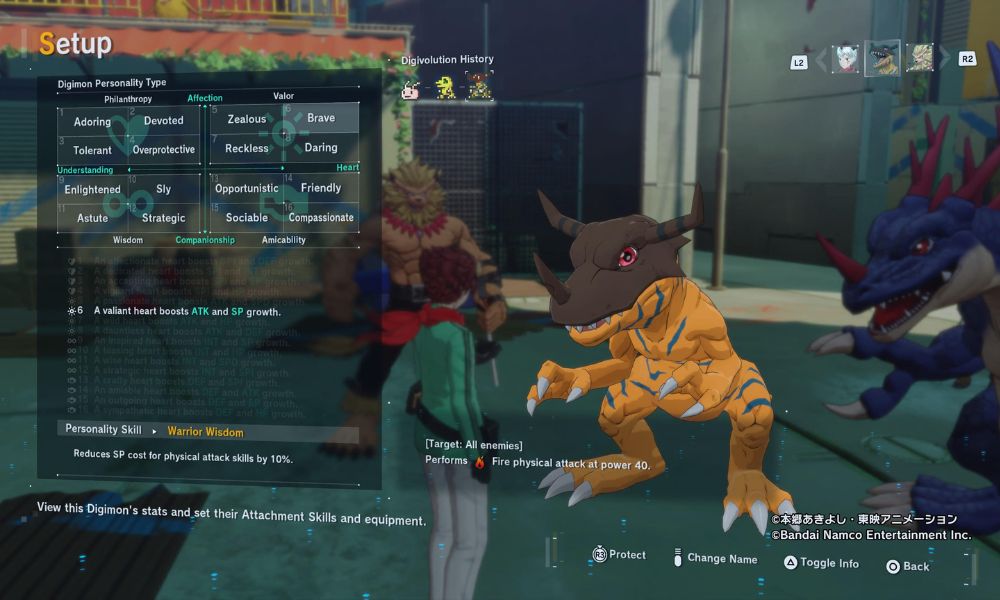
While this system may feel overwhelming at first, especially compared to the more straightforward mechanics in similar games, it ultimately offers a a rich layer of customization where the possibilities for team composition are vast. Fortunately, Digimon Story Time Stranger eases the grind by allowing non-active Digimon to share in experience gains, encouraging experimentation without penalizing players for rotating their roster.
Digivolution is a cornerstone of the Digimon Story Time Stranger experience, and no journey through the Digital World would be complete without it. As Digimon gain strength through battles, they can evolve into more powerful forms once specific conditions are met, such as your Agent reaching a designated rank or a key stat like HP hitting a certain limit.
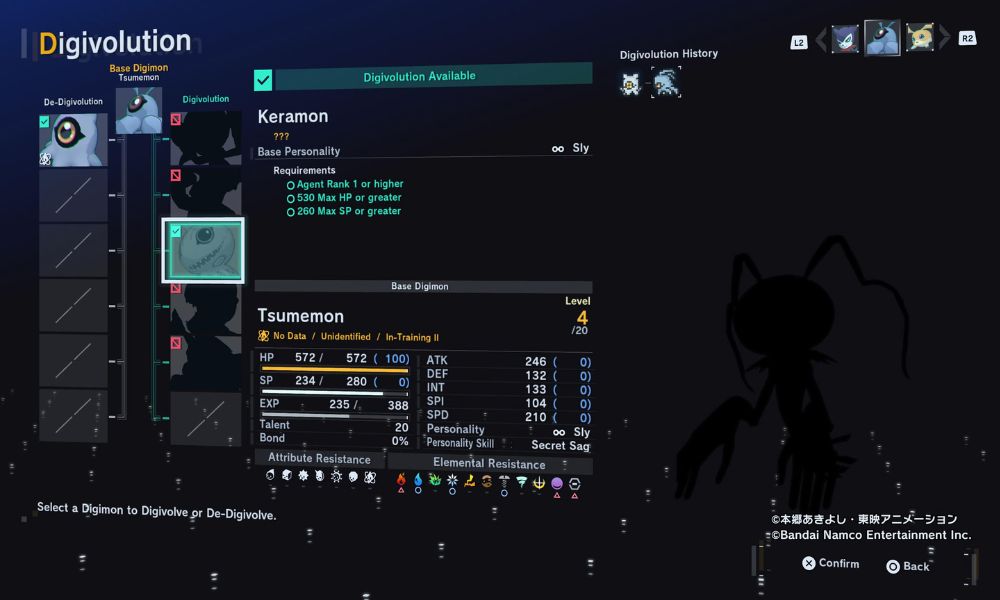
Integral to Digivolution is the bond system, which enhances the evolution process based on your relationship with each Digimon. The stronger the bond, the greater the bonuses upon Digivolution. Bonds can be nurtured through dialogue interactions or by spending time with your Digimon in the Digifarm, where training and care activities further deepen your connection.
For collectors and completionists, this mechanic is especially satisfying. As you progress through the story, you’ll encounter a wide variety of Digimon that can be scanned, converted, and eventually evolved. The Field Guide acts as a living checklist, tracking your acquisitions and offering a sense of discovery each time a Digimon is ready to transform into a new, unseen form.
Digivolution is free to perform, encouraging experimentation and exploration of different evolutionary paths, especially because the game also allows for de-digivolution, which is basically reverting a Digimon to a previous form to pursue alternate evolutions, though this comes at the cost of reduced stats.
Agent, I choose you!
In Digimon Story Time Stranger, your Agent avatar plays a far more dynamic role than simply issuing commands in battle. As you engage in combat, you accumulate Critical Points, which unlock the ability to perform powerful Cross Arts, which are special techniques that can boost your Digimon’s stats, inflict damage on enemies, or heal your entire party. These abilities are unlocked and enhanced through the collection of Anomaly Points, which is another core progression mechanic throughout the game.
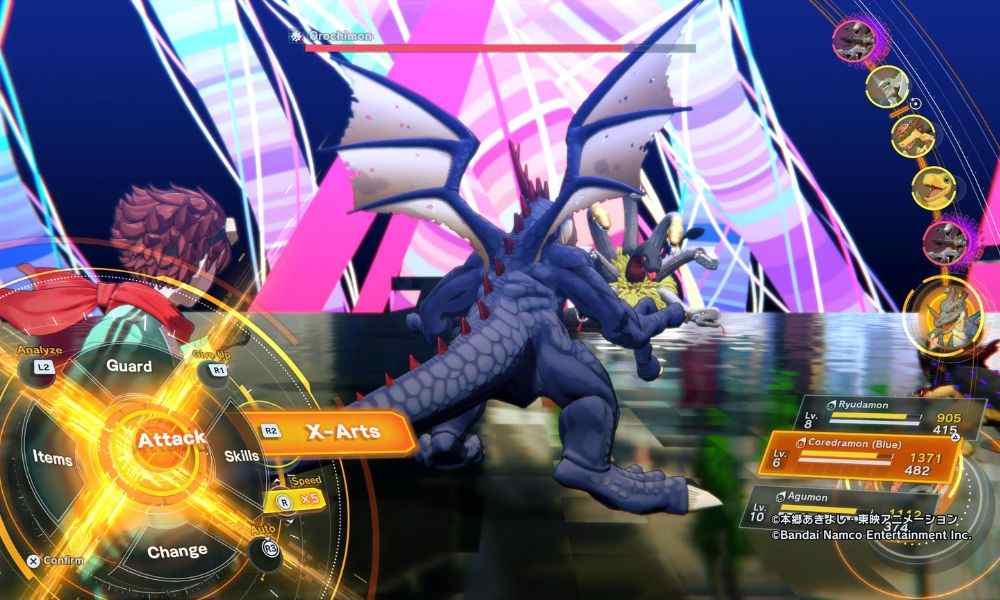
Anomaly Points serve as a customizable upgrade system for both your Agent and your Digimon. While one skill path focuses on unlocking and improving Cross Arts, others are tailored to the game’s Personality system. For instance, investing points into the Valor path enhances Digimon aligned with that trait, boosting their physical attack capabilities. This allows players to tailor their strategy based on preferred Digimon types and battle styles, offering meaningful choices that reflect individual play preferences.
To add a layer of personalization, Digimon Story Time Stranger also includes a variety of alternate costumes for your Agent. If the standard ADAMAS uniform starts to feel stale, you can switch up your look to better suit your style as you journey through the Digital World.
Digimon Story Time Stranger features a field structure typical of most JRPGs, with segmented zones rather than a fully open world. Players will spend time exploring the streets of Tokyo, including familiar districts like Akihabara, which evoke a strong Persona 5 vibe in both layout and atmosphere. While the exploration is limited to smaller, separated areas with a handful of interactive shops, the game compensates with alternate realms.
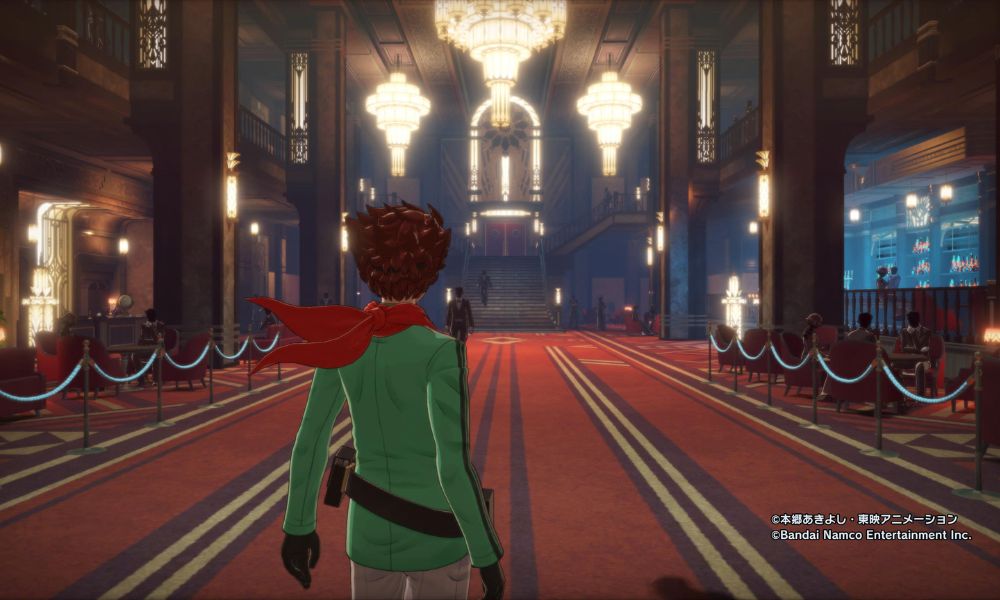
One such realm is the In-Between Theater, accessed through mysterious doors scattered across the field. This surreal space houses Outer Dungeons, which serve as optional trials offering valuable rewards. It also contains the Digifarm, a staple of the Digimon Story series.
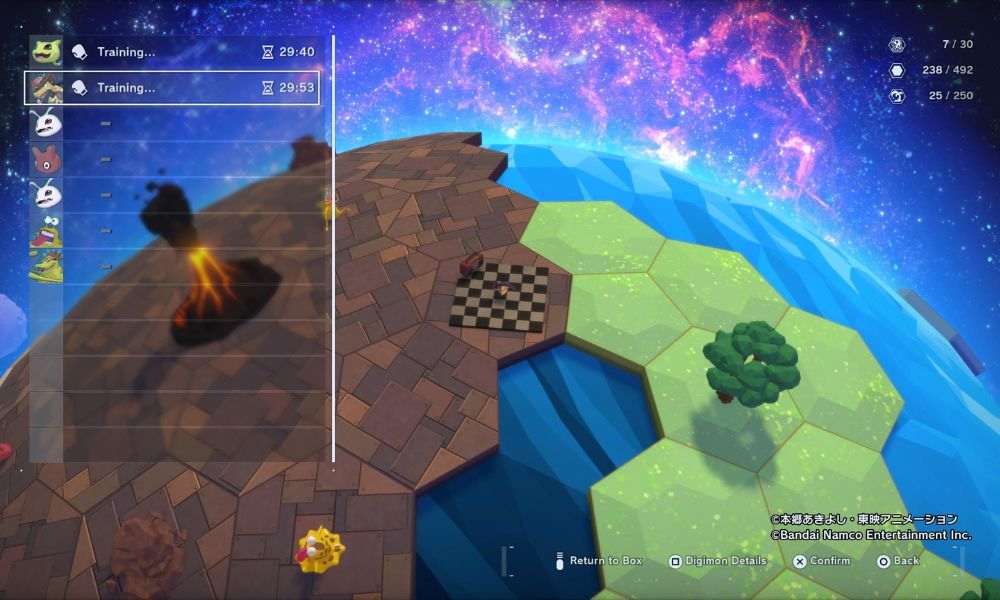
The Digifarm in Digimon Story Time Stranger allows players to raise and interact with their Digimon outside of combat. You can customize its terrain, feed Digifood, and initiate training sessions to boost stats and strengthen bonds. Even Digimon left idle in the farm continue to gain experience, making it a strategic hub for long-term development and ultimately is another aspect that sets it apart from other monster-raising titles.
To break up the main narrative, players can engage in side missions by speaking with NPCs. These quests are generally straightforward, often involving fetch tasks or combat, but they provide useful rewards and opportunities to level up.
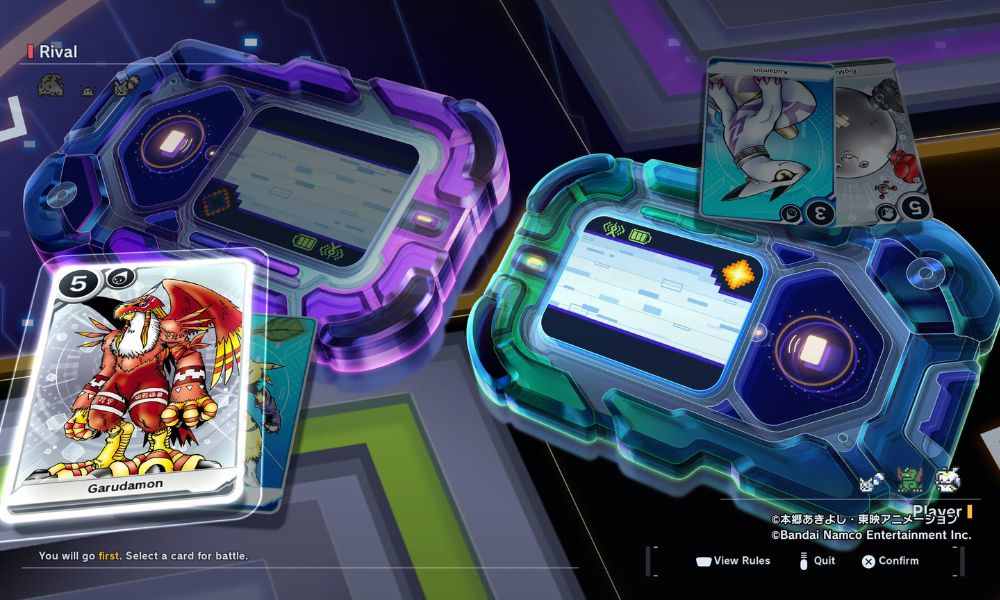
Additionally, Digimon Story Time Stranger introduces a mini-game called Jogmon Ultimate Card Battle, where players challenge NPCs in turn-based Digimon card duels. While the game considers Digimon types and strengths, an element of randomness allows weaker cards to occasionally defeat stronger ones. This reliance on luck may frustrate strategic players, but the mode still offers a fun diversion from the main game.
Battle in style
Visually, Digimon Story Time Stranger delivers a vibrant and dynamic presentation across its environments. The urban areas of Japan such as Akihabara and the subway stations are bustling with color and activity, while underground dungeons like sewers offer a stark contrast with their claustrophobic nature.
Although the dungeon designs can feel repetitive over time, the transition to the Digital World brings a fresh look. The Digital World looks fantastic, with a unique feel and inhabited by diverse Digimon, creating a lively and immersive setting that complements the game’s narrative themes.
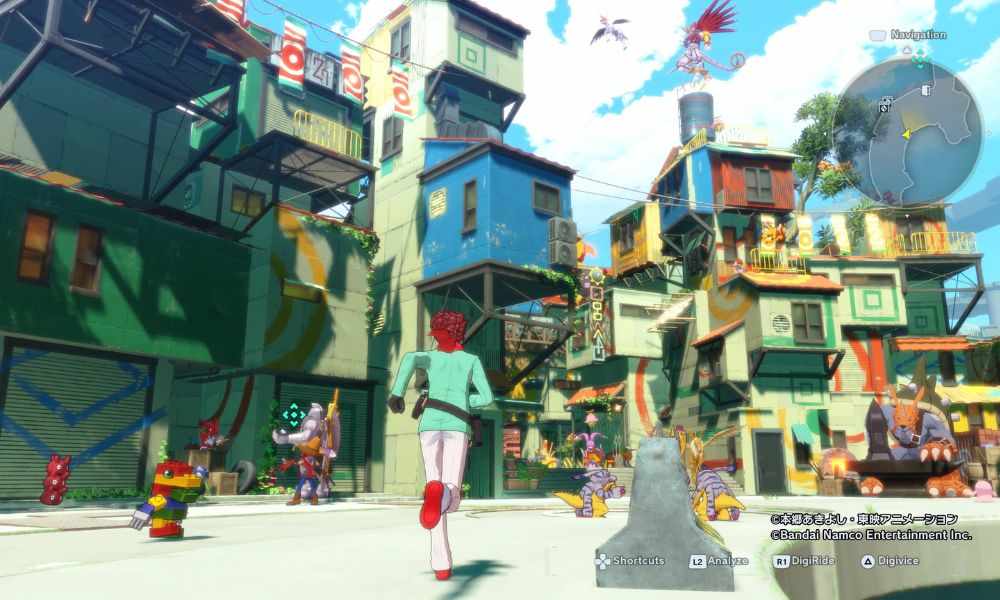
Character animations in Digimon Story Time Stranger are fluid and expressive, with facial reactions that reflect dialogue choices and emotional beats. Combat sequences are equally polished, featuring smooth and fast-paced Digimon battle animations that look really good in action. However, the audio presentation doesn’t quite match the visual fidelity.
The Digimon Story Time Stranger English voice cast performs adequately overall, though some characters, such as Minervamon, deliver lines with a noticeable lack of emotion, sounding more scripted than natural. The player avatar’s voice can also become grating over time, especially due to repetitive lines triggered by item pickups or entering Regeneration Mode.
English dialogue also feels awkward at times when certain lines are repeated. Don’t be surprised, for example to hear Inori comment on the agent’s cosplay-like outfit more than once or your Operator from the future saying multiple times that you need to gather intel to help prevent the disaster that will happen in your time. For a more consistent experience, switching to the Japanese voice track may be preferable.
The Digimon Story Time Stranger soundtrack is serviceable but lacks standout identity. While the Digital World theme, boss battle music, and main theme offer moments of excitement, the overall score doesn’t leave a lasting impression. Notably, additional soundtrack packs are available for purchase, including music from the Digimon Adventure anime, such as the beloved “Butter-Fly” theme, which adds nostalgic value, albeit at an extra cost.
Verdict: Buy it!

Digimon Story Time Stranger marks a strong addition to the franchise, offering an experience that welcomes both longtime fans and newcomers. With no prior knowledge required, players can dive straight into the Digital World and discover a vibrant cast of Digimon, each with unique traits and evolution paths. While the story itself may not break new ground, it serves its purpose well, providing a solid framework for the game’s true highlight: Digimon raising, collecting, and battling.
The depth of the monster-raising system in Digimon Story Time Stranger may initially feel daunting, but those who embrace its complexity will find a deeply rewarding experience. Building a team of your favorite Digimon, mastering their personalities, and exploring diverse evolution routes adds layers of strategy and satisfaction. And once you’ve conquered the challenges with one lineup, the game invites you to experiment with new combinations, keeping the experience fresh and engaging.
Digimon Story Time Stranger proves that Digimon continues to evolve and remain relevant. With its thoughtful mechanics and expansive roster, it’s a testament to the franchise’s enduring appeal and its ability to stand tall among its contemporaries.
*Digimon Story Time Stranger was reviewed on a PS5 with a review code provided by the publisher.
