Masaaki Hayasaka on Dragon Quest I & II HD-2D Remake: Balancing Nostalgia, Expansion, and Modern Play
Dragon Quest I & II HD-2D Remake reimagines two of the series’ earliest entries with a modern HD-2D presentation, larger scope, and updated playability. We spoke with producer Masaaki Hayasaka about the design priorities, narrative expansion, technical learnings from the DQ3 remake, and what returning players should expect.
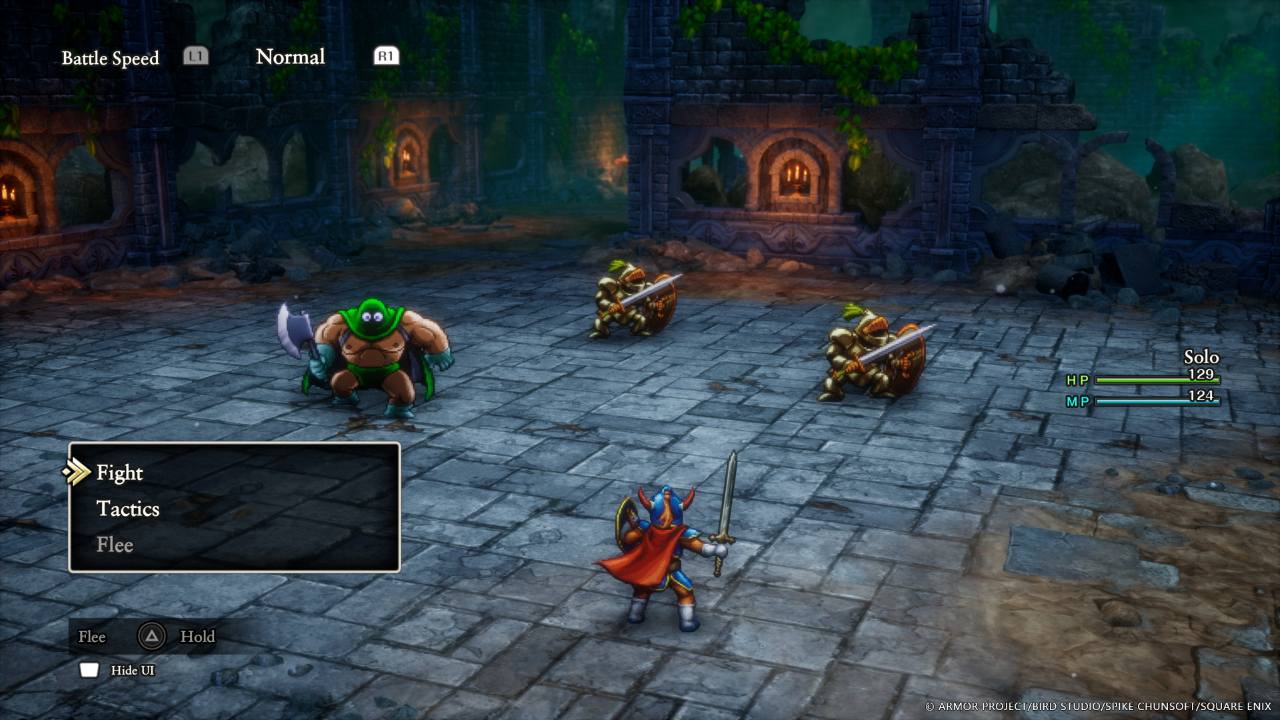
Dragon Quest I & II HD-2D Remake Interview
Balancing legacy and modernization
Hayasaka says the team’s core approach to Dragon Quest I & II HD-2D Remake was “to change in a bold way from the original game without altering its core.” Because the originals were “quite compressed in terms of content,” the team prioritized increasing the content volume so that the remake would “suffice as a modern game” for players accustomed to deeper experiences, while remaining faithful enough that longtime fans would still recognize the titles.
They intentionally focused on essential changes and greater volume while being “very much careful not to alter the core elements of the original too much lest it becomes entirely different.”
Narrative expansion and working with Yuji Horii
To strengthen storytelling without compromising the originals, Hayasaka framed Dragon Quest I & II HD-2D Remake within an overarching Erdric Trilogy timeline that ties DQ3, 1, and 2 together while keeping each entry playable independently. He recommends players start with DQ3 to best “feel those connections between the titles.”
Considering this remake expanded the script, the team proposed scenario plots to Horii-san, created early mock-ups, and repeatedly had Horii play and give feedback on “atmosphere and pacing,” iterating until there was “very much close alignment.” The goal was to flesh out characters and scenarios so returning players are “pleasantly surprised by the differences in this remake” while new players discover a deeper, cohesive narrative across the trilogy.
Visuals, technical carryovers, and what changed from DQ3
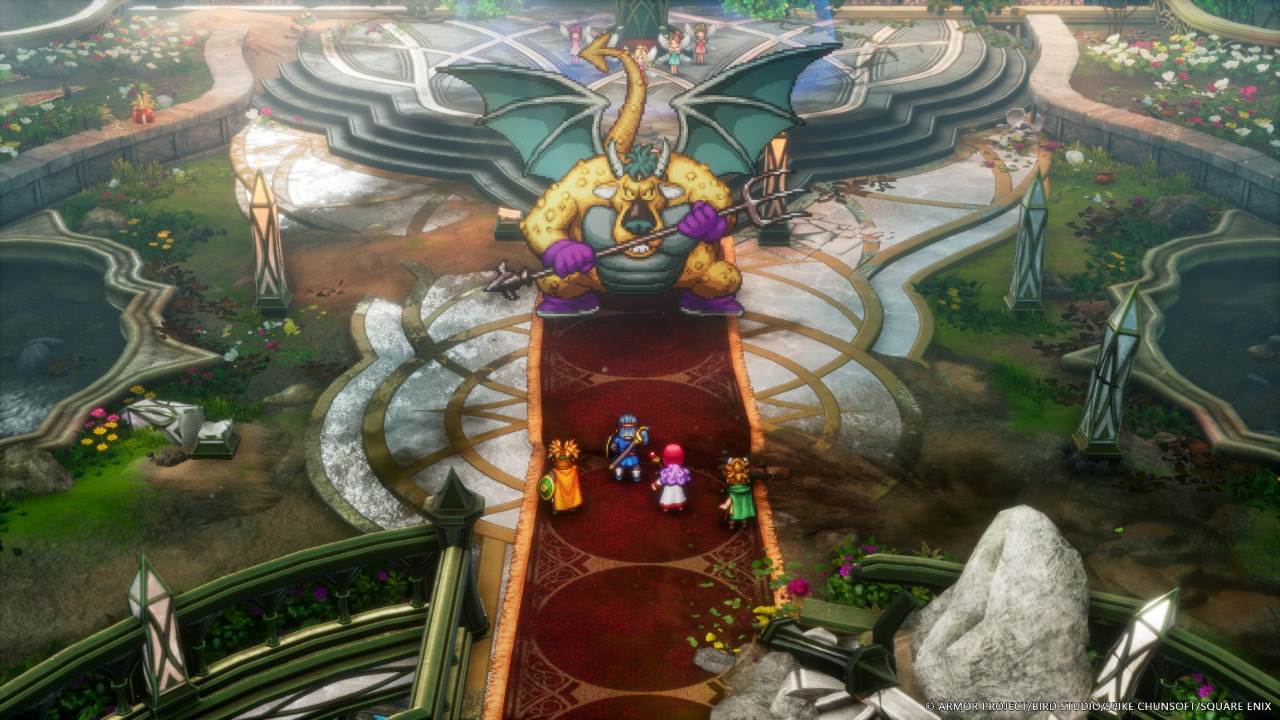
Hayasaka describes Dragon Quest I & II HD-2D Remake as building directly on the technical and artistic foundation of the DQ3 HD-2D remake rather than restarting from scratch. Key visual improvements include the addition of diagonal movement for pixel sprites, a feature the team “were unable to include” in DQ3 due to constraints, plus higher-quality backgrounds such as mirror-effect castle floors and refined lighting.
The team deliberately avoided a wholesale overhaul of the camera and lighting philosophy to preserve the advantages of retaining the same development team and to meet schedule targets. However, they utilized DQ3 learnings to enhance character movement, lighting, and background fidelity, ensuring that Dragon Quest I & II HD-2D Remake feels distinct while fitting within the established HD-2D style.
Systems, party design, and character depth
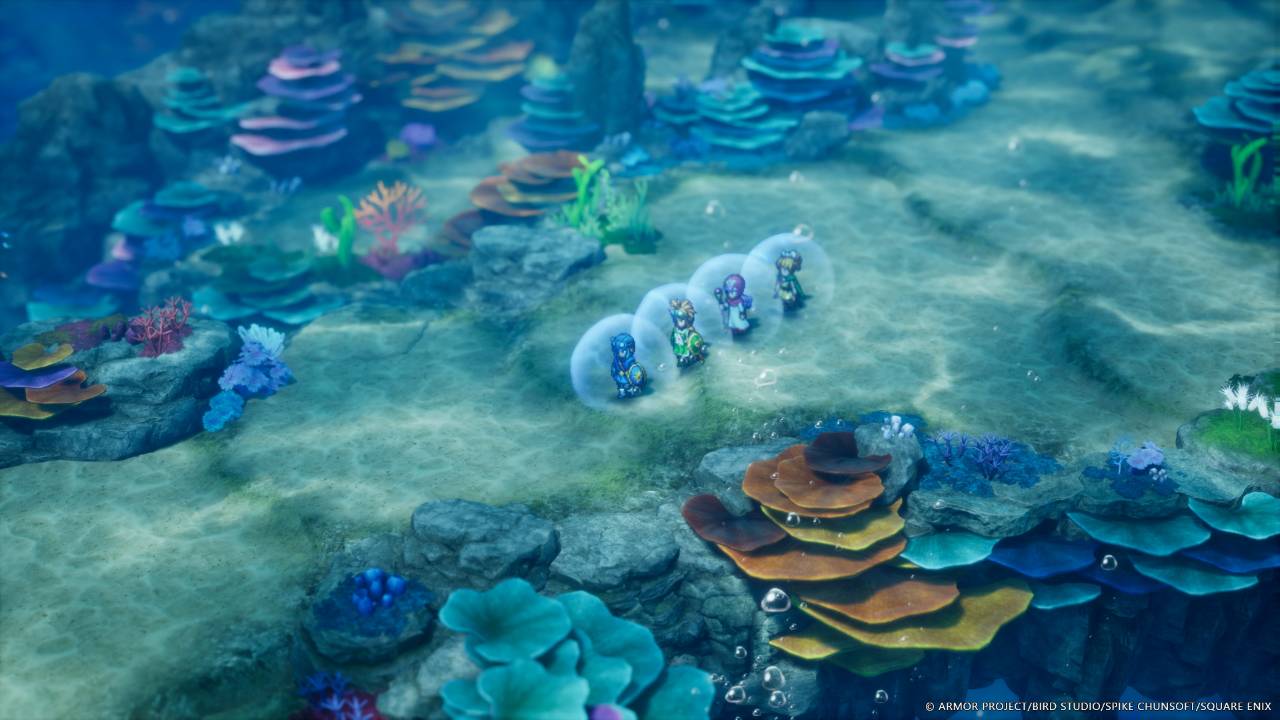
Technically, adapting the party system posed “no major technical challenges” because the team could extend systems already implemented in DQ3. The more challenging work was narrative: the remake expands dialogue so each character “speaks extensively this time,” enabling deeper character exploration.
Hayasaka stresses that player expectations vary widely and that the team chose solutions they believed would “bring out the most joy to our customers” while respecting time and technical constraints.
Quality of life, accessibility, and new playable content
Addressing accessibility and modern player expectations for Dragon Quest I & II HD-2D Remake, Hayasaka says the team “thoroughly adjusted the battle balance” and updated spells and equipment to reduce the original’s punishing difficulty. QoL features learned from DQ3 were included, such as toggles to display treasure chest locations and options to show enemy weaknesses, all intended to make the remake “a much more accessible and playable experience.”
Regarding new additions, the team intentionally introduced meaningful content rather than filler. After discussing with Horii-san, they added the Princess of Canoc as a playable character because she “is going to add a lot to the synopsis” while remaining unconnected to Erdric, thereby giving the remake’s narrative room to expand.

Looking ahead and final message
Hayasaka is evaluating future HD-2D Dragon Quest projects, noting that further remakes depend on the performance of DQ3 and the reception of Dragon Quest I & II HD-2D Remake. He believes HD-2D “really shines the more retro a game is,” which makes the style well-suited to older Dragon Quest entries; however, decisions ultimately rest with leadership and commercial results.
With the series approaching its 40th anniversary, Hayasaka welcomes Dragon Quest I & II HD-2D Remake as a potential fan gift: “If people can think of it that way as a gift, there’s nothing else that makes us truly happier.” He closes by reaffirming regional support, noting an Asia version is planned while reminding players that DQ3 is currently on sale ahead of the release of Dragon Quest I & II HD-2D Remake.
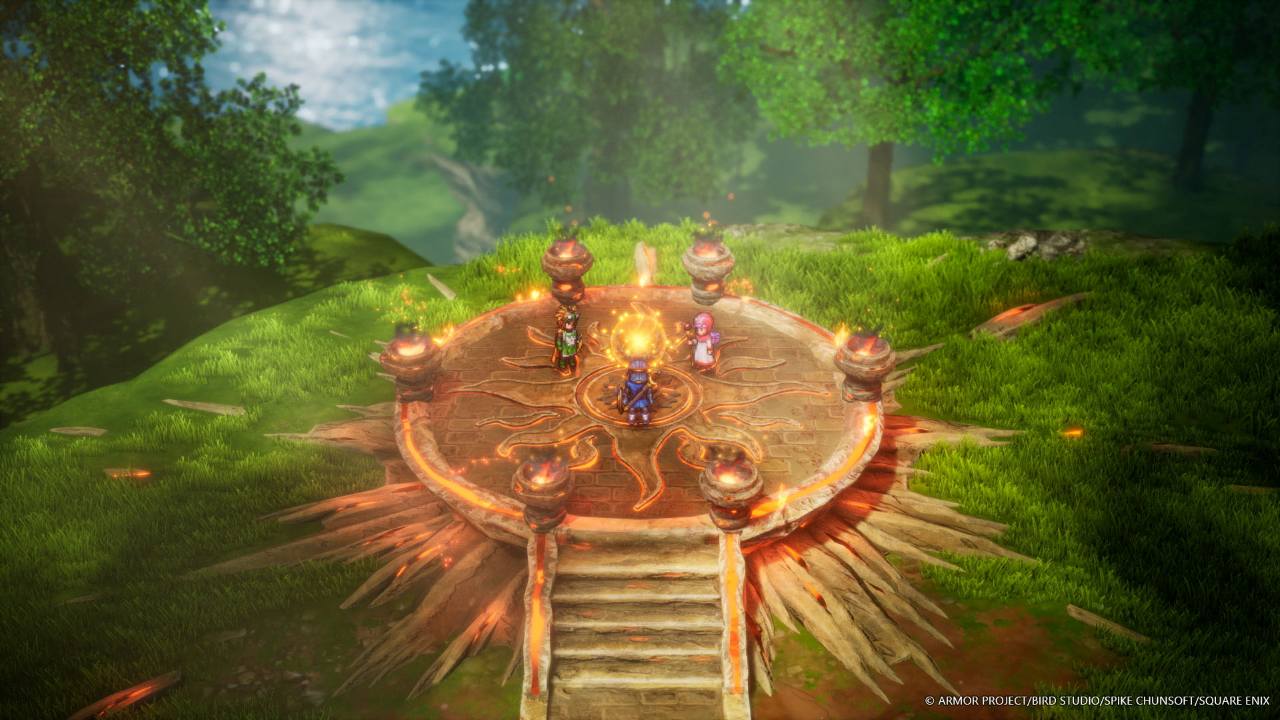
Dragon Quest I & II HD-2D Remake is launching on October 30, 2025, for the PS5, Xbox Series, Switch, Switch 2, and PC.