

Yuffie’s Rise in Final Fantasy VII Remake Intergrade and how her Versatility was a Result of Experimentation
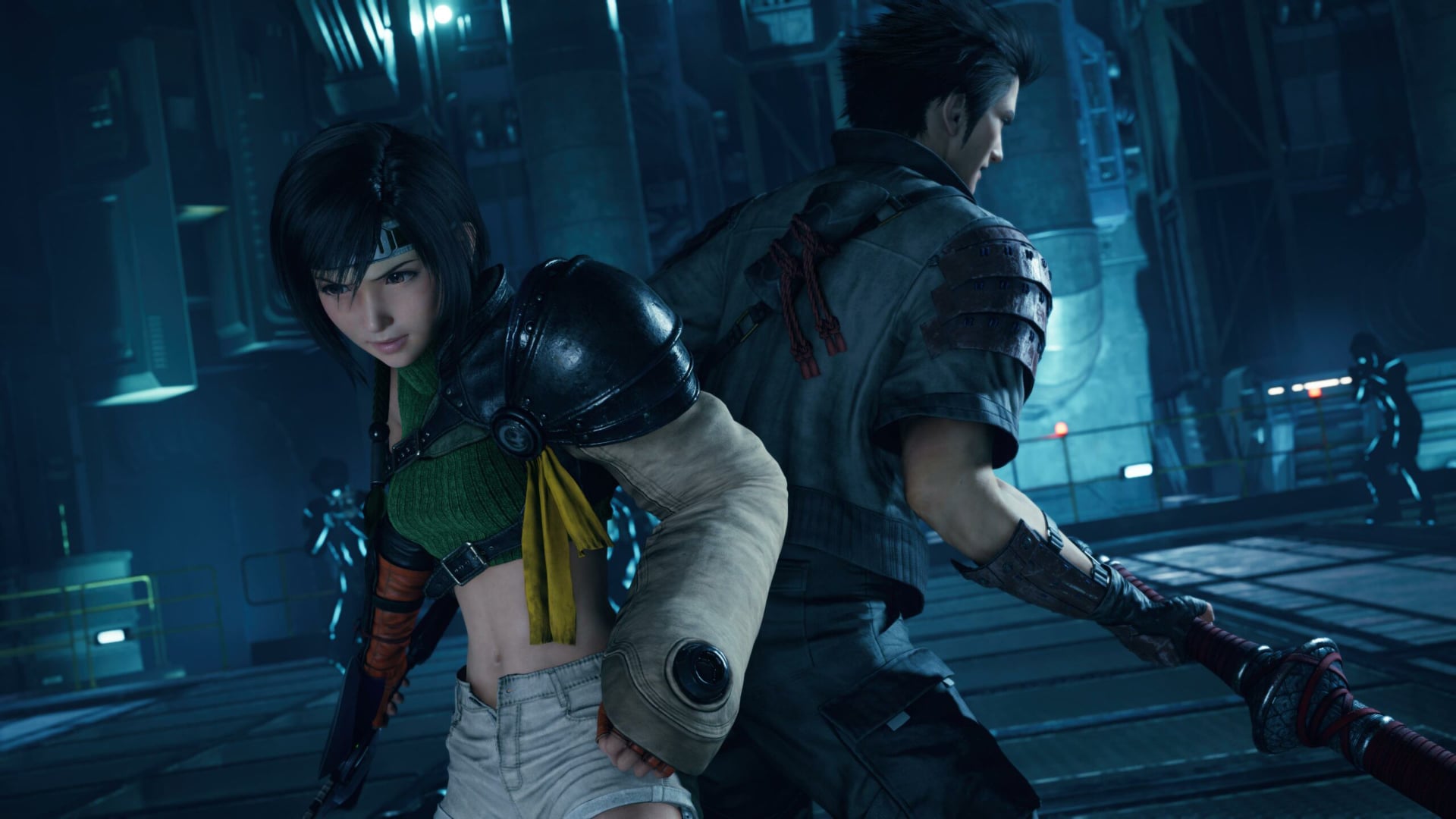
During Thailand Game Show 2025, Final Fantasy VII Remake Intergrade Combat Director Teruki Endo breaks down what the team learned and why that learning matters for the series’ next chapter, along with providing other interesting information regarding some of his favorite combat sequences, Yuffie being slightly overpowered, and more.
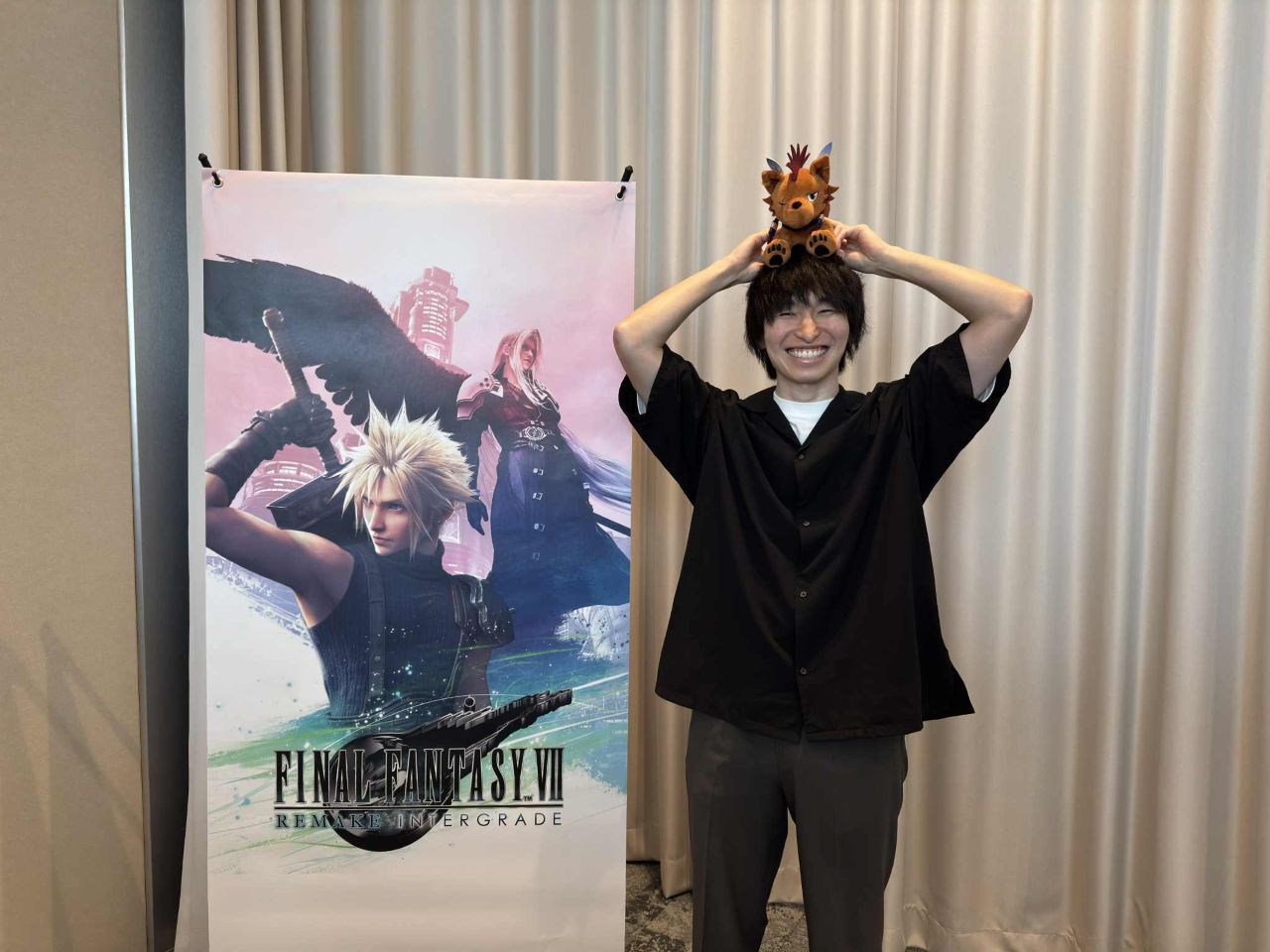
Final Fantasy VII Remake Intergrade Interview
Yuffie and Her Unexpected Strength
Adding a new playable hero to a tightly tuned combat system is always a gamble, and Yuffie’s Final Fantasy VII Remake Intergrade’s debut proved the point. Built for versatility and aerial combos, her kit highlighted a part of development that introduced a new style of play compared to the original cast from the base game.
“When we were developing Final Fantasy VIII Remake, we focused heavily on balancing action and command strategy,” shares Endo. “After the game was finished, we realized that there were a lot of ways we could have improved things, maybe pushing the action element further or expanding the range of strategic options in certain parts.”
When development for Final Fantasy VII Remake Intergrade Episode Intermission and Yuffie began, it prompted the team to take a chance with some of the learnings from the base game. The team never intended to change the core principle of the battle system, but indeed experimented with various approaches.
Yuffie landed a little stronger than intended, Endo admits, but that imbalance was manageable because the wider Rebirth tuning pass was already underway. The goal for Intermission, he says, was simple: make the experience fun.
“As a result, Yuffie ended up being slightly stronger in terms of performance compared to the main characters from Final Fantasy VII Remake. But, since we were already planning to bring the other characters up to measure in Final Fantasy VII Rebirth, we didn’t worry about that and instead focused on making Episode Intermission a fun experience for players.”

From Pure Action to Tactical Hybrids
Endo’s background is rooted in action titles, and that pedigree shaped the Final Fantasy VII Remake project’s biggest gamble: converting a turn‑based classic into an action-focused hybrid. “Most of my experience has been as a designer for action games, so that background was essential for the Final Fantasy VII Remake project,” he explains. That, despite a lack of experience in command-style titles, gave him the confidence to take on the challenge.
“Being able to experiment with a slightly different form of action-based system in this project was both fortunate and exciting.”
Endo continued to say that while he cannot talk about details about the upcoming title and what to expect from its combat system, he hopes that players look forward to it.
“I hope to make it so that even players who have played the first and second titles can also enjoy the next one with a great sense of excitement.”
Remake to Rebirth as an Evolution
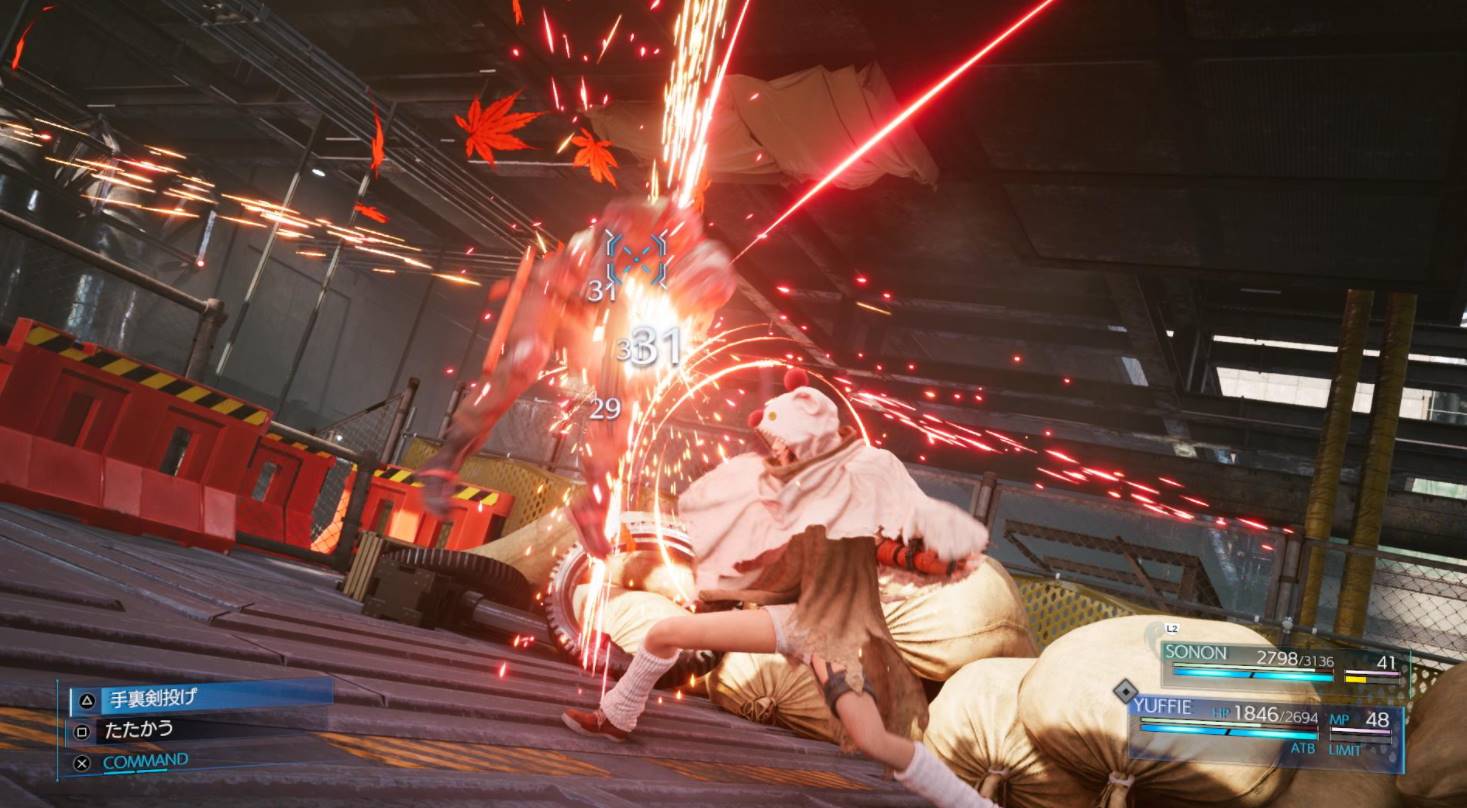
Endo admits that in Final Fantasy VII Remake, they had to limit certain elements to maintain balance, but also evolved the system much like how the story and cast have also evolved from the first to the second game.
“In Final Fantasy VII Remake, we had to limit certain elements to maintain the core balance of the battle design, which means we couldn’t offer a very wide range of customization. In Rebirth, we put a lot of effort into expanding customization as a result,” Endo explains. “Much like how the story continues and evolves in the sequels, the range of customization has grown with each installment.”
“I feel a real sense of accomplishment in how that’s shaping up.”

The Art and Science of Balance
As with any game with a deep combat system and multiple characters, striking the right balance remains one of the biggest challenges, and that’s also true with Final Fantasy VII Remake Intergrade. Endo points to the concept of the characters as a key part in the process.
“The most important part is designing the concept of what makes these characters shine in ways that others can’t. If the concept is well defined, then we can fine-tune the numbers to balance each character’s strengths without diminishing that individuality.”
“If the initial concept is vague and unclear, adjustment can easily result in simply becoming a stronger version of another, and some characters are unable to shine at all. Proper balance is very difficult to achieve.”
Memorable Fights and Combat Sequences
Asked about standout encounters in Final Fantasy VII Remake, Endo points to character duels and set pieces that blurred action and strategy. Reno’s evasiveness and Rude’s defense provided phases that felt like cinematic action choreography.
“Reno is defined by his evasive moves, and Rude relies on guarding, and I like how the battles allow for both solo encounters with each of them, along with a combined fight,” Endo says. “They move a lot during the battle, so the fight unfolds and changes dynamically, almost like an action sequence.
“I really enjoyed the process of planning how to approach each phase.”
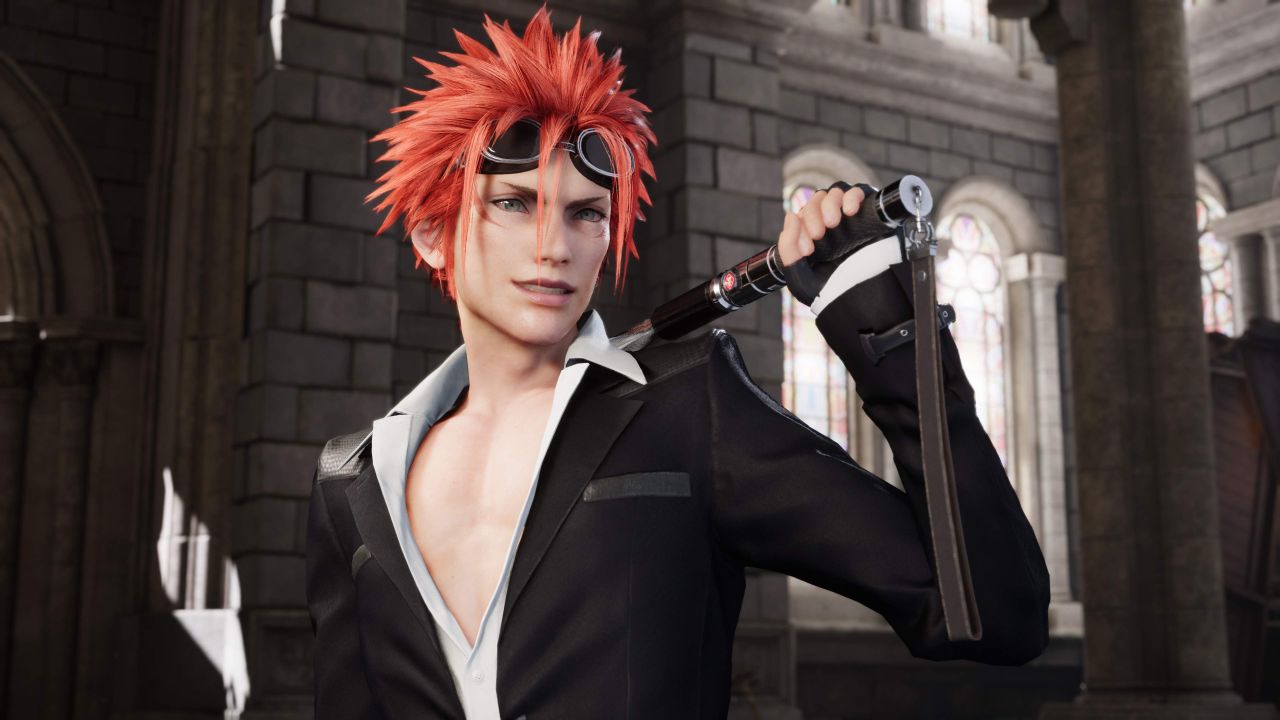
He’s also fond of the Airbuster battle, which splits the party and reunites it in a T‑shaped corridor, culminating in a dramatic strategic shift that delivered a strong sense of satisfaction in playtest.
“In the final phase, the Airbuster takes flight, moving closer and firing away, which forces you to rethink your strategy on the spot. The dramatic shifts in the situation tie in well with the battle strategy, making it a really enjoyable encounter. I remember feeling a real sense of satisfaction during the playtest while we were developing it.”
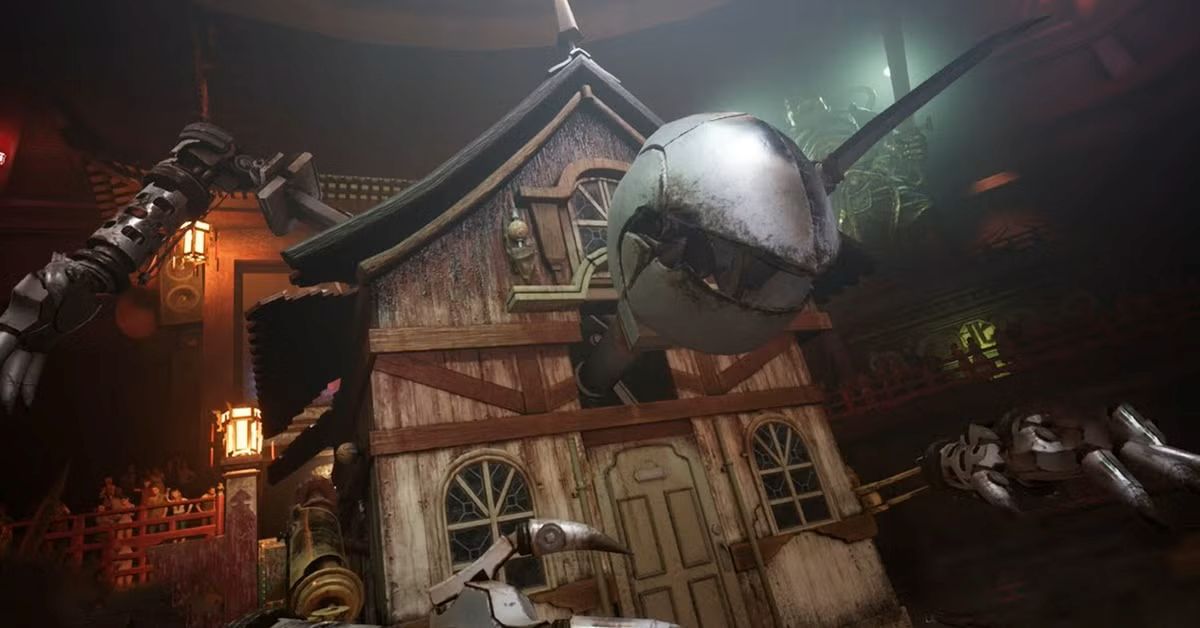
Endo also laughed when asked about the Hell House encounter, as the team received feedback that it was quite the hellish encounter.
“We got feedback that Hell House was extremely difficult,” Endo explains, and apologized for it, as we all nodded in agreement about how it was such a tough battle.
“Sorry, sorry. Maybe we did it too much.”
Platform Choices and the Switch 2 Challenge
Endo also touched on some details about the upcoming Switch 2 port of Final Fantasy VII Remake Intergrade, such as not implementing platform‑specific gimmicks, such as gyro or touch controls, but instead making it a top priority to emphasize playability and a smooth experience.
“We wanted to hit a stable 30fps first and foremost,” Endo says.
The engineers had to optimize various items, from background asset processing to widening the dynamic resolution scaling, along with utilizing DLSS, to keep the frame rates stable at 30fps.
While character models and shaders remained uncompromised, the dual‑mode nature of Switch 2 required extra work to ensure handheld and TV modes performed accordingly.
Looking Forward
Endo also touched on how he felt about the future of the genre, especially now that turn-based and action are almost two sides of the same coin.
“Speaking just for myself, I don’t really see games through the lens of turn-based or action-based. For me, when a new game comes out, the system is simply a result of pursuing what makes that particular project fun or challenging.”
“I personally love both turn-based and also enjoy action battles, and even as a developer, I don’t feel tied down by the genre. I would like to keep creating fun experiences based on the ideas and direction that best suit each title.”
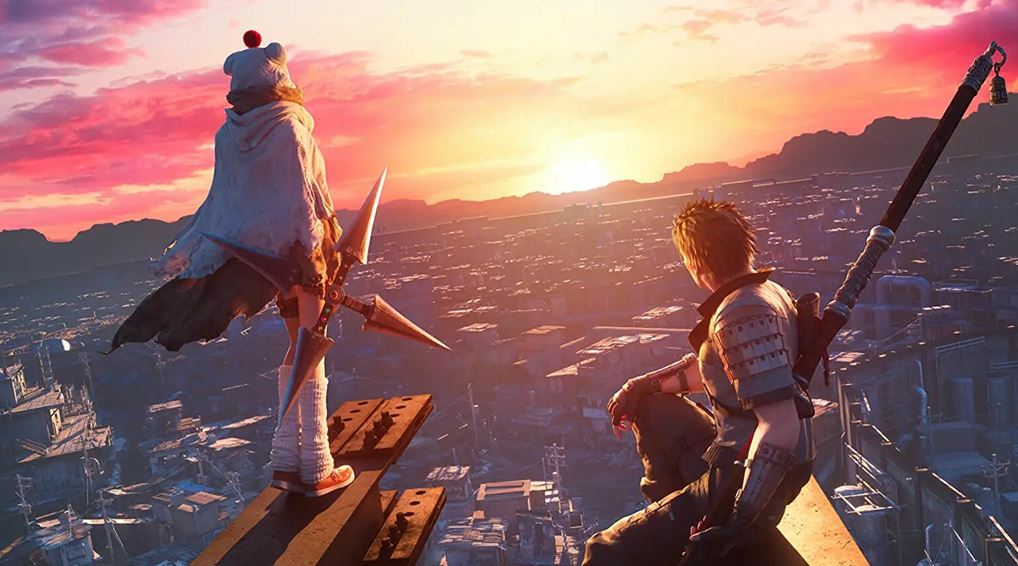
Final Fantasy VII Remake Intergrade is coming to Xbox Series and Switch 2 on January 22, 2026.
