Death Stranding 2: On the Beach PC Review
Death Stranding 2: On the Beach PC Review
Table of Contents
Hideo Kojima’s Death Stranding 2: On the Beach launched last year to rave reviews, earning itself a spot as one of the best games of 2025. While it carried the weight of expectation and familiarity, the overall experience still delivered something ambitious and memorable, as only Kojima could. The sequel continues Sam Porter Bridges’ journey, now set in Australia, where he must once again connect the region while facing rogue factions, spectral BTs, and the enigmatic Higgs.
Fast forward to today, and the Australian adventure arrives on PC, bringing exclusive features such as uncapped frame rates, ultrawide support, DLSS, and more. It is arguably the definitive way to play the game, provided your hardware can support it, as the Chiral Network expands once again to welcome more porters to the fold.
Death (Stranding) Can be Beautiful
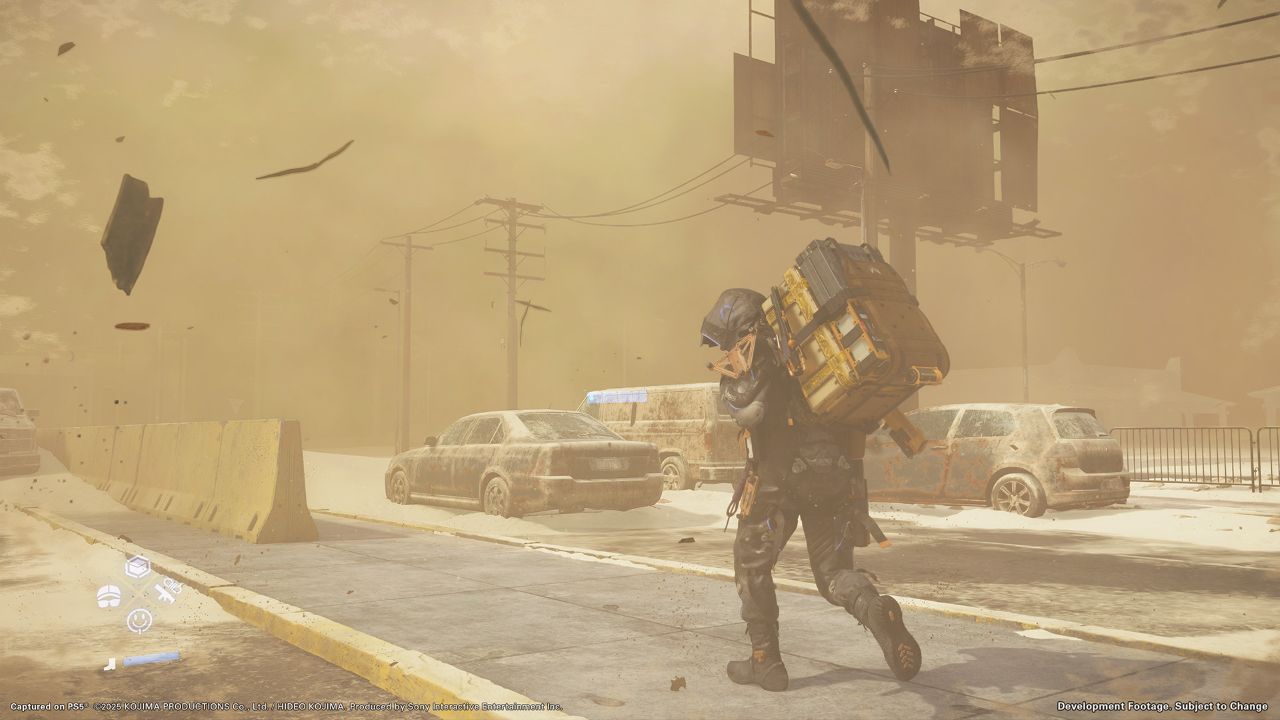
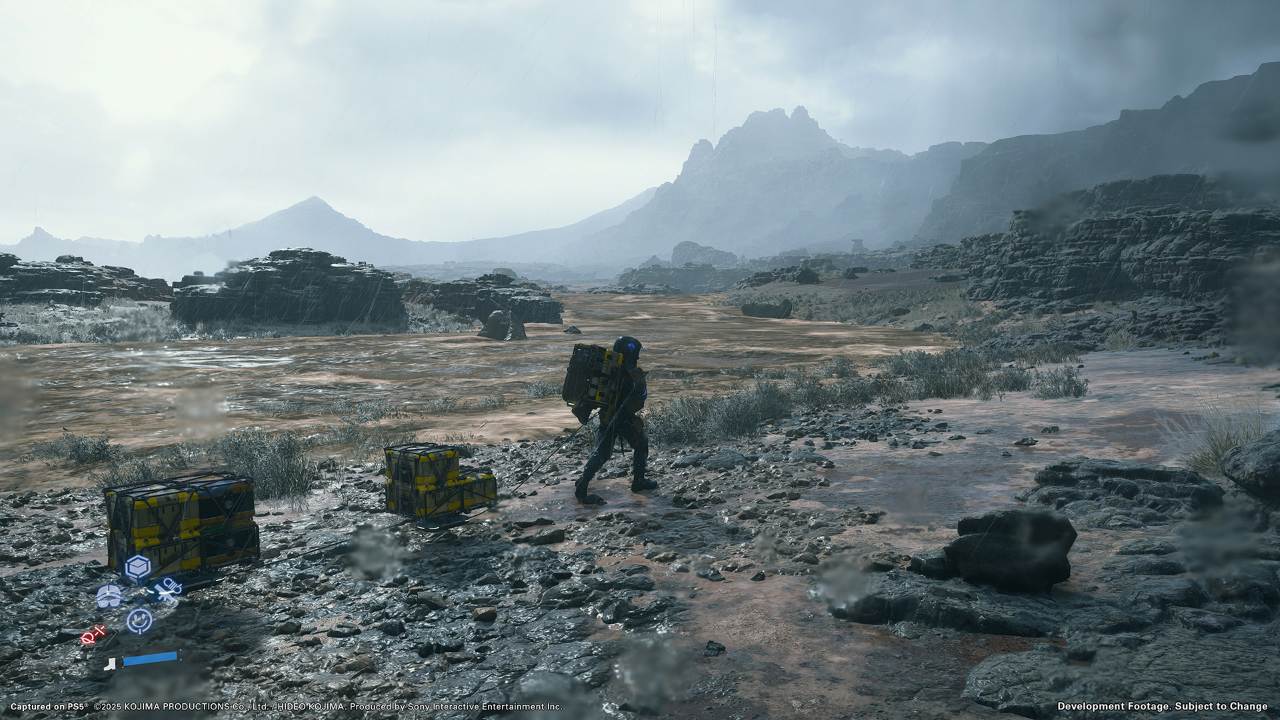
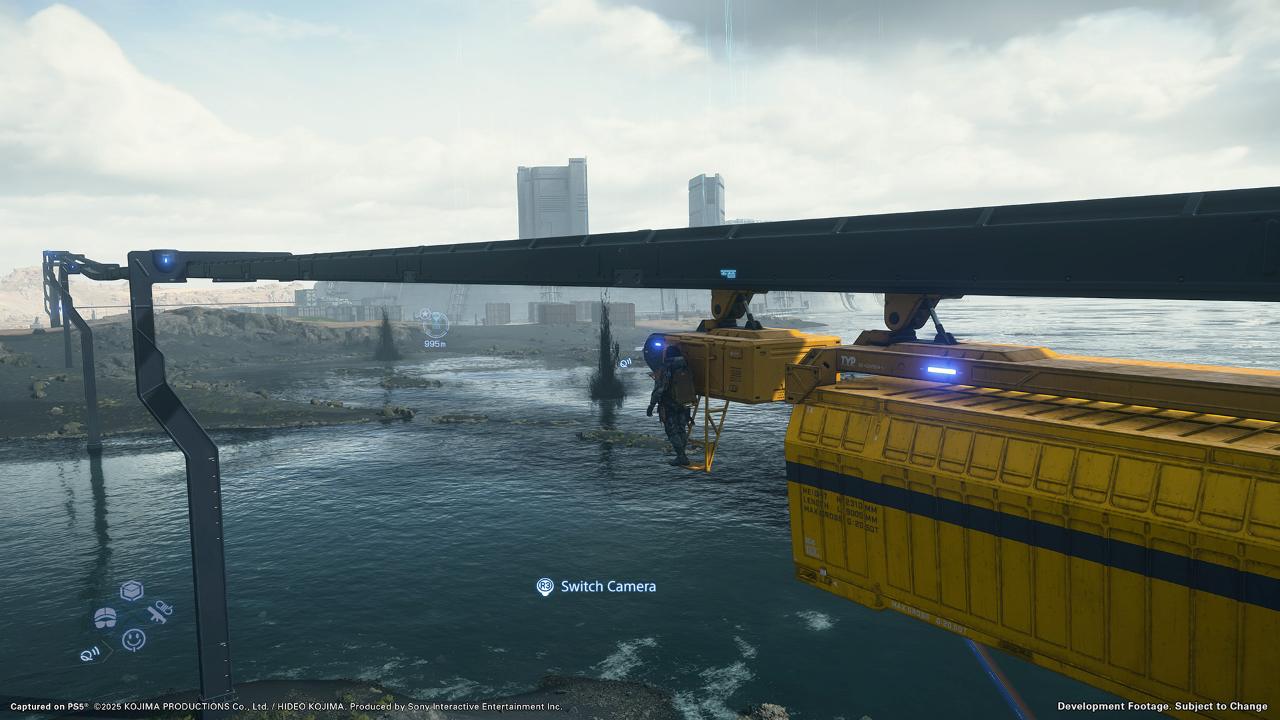
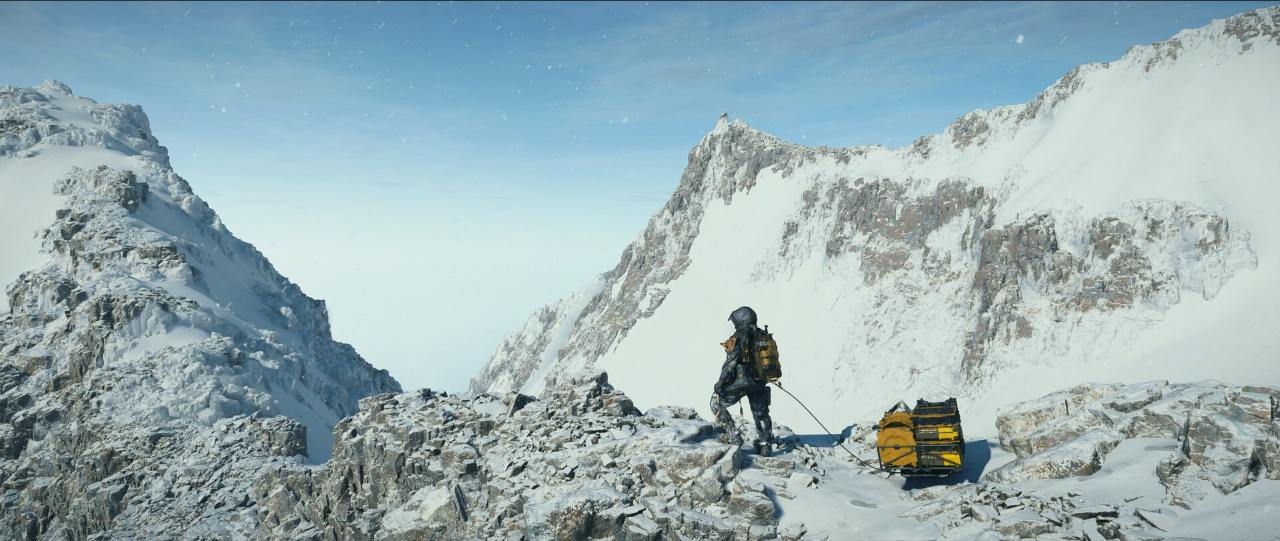
Visually, Death Stranding 2 is one of the most beautiful games out in the market today. Powered by the Decima Engine, you might mistake the opening sequence for a nature documentary due to its photorealism. Both its cutscenes and gameplay are extremely comparable, showcasing sweeping vistas, barren wasteland, snowcapped mountains, and almost everything in between.
Death Stranding 2 doesn’t reinvent the first game, but it refines it to an extreme level of polish. Traversal remains central to the gameplay loop as Sam returns to continue his deliveries and connect the region to the Chiral Network. This time around, though, the terrain design is more player-conscious, with obstacles framed as puzzles to solve rather than as sources of frustration.
The world is made more dynamic, with weather and natural events adding unpredictability that can have a concrete effect on your journey. Rainfall can overflow rivers, while earthquakes trigger landslides that may require a detour. Tools and vehicles make the trek familiar, with new tech such as a way to connect two ladders, giving Sam more ways to reach his destination with less tedium. In fact, a few hours into the game, players will even be able to unlock conveniences like fast travel, which is a godsend for repeat deliveries.
Side missions with Preppers enrich the journey, offering schematics and equipment that meaningfully impact gameplay. These diversions often lead to quirky, Kojima-esque encounters, such as a surreal bike race tied to a ghostly legend, or even the appearance of a well-known Japanese VTuber. Combined with the haunting soundtrack from Low Roar, Woodkid, and others, exploration in Death Stranding 2 retains its meditative charm.
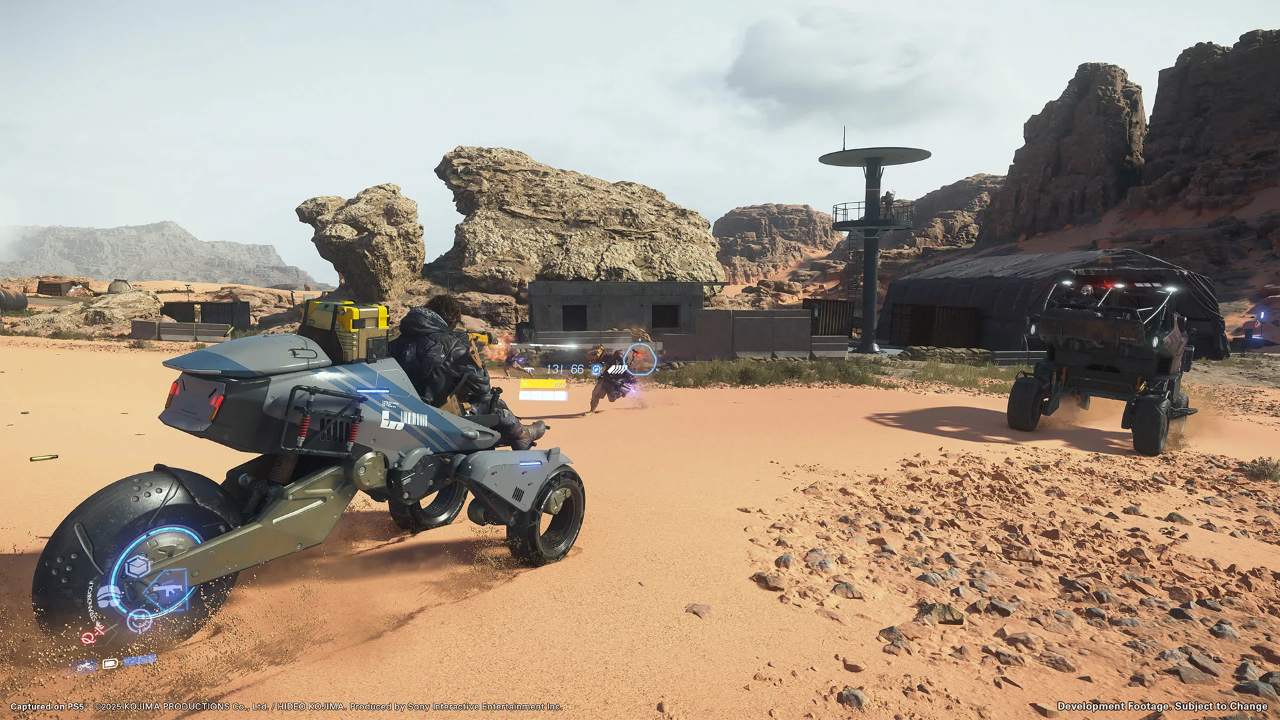
Combat in Death Stranding 2 sees the most dramatic evolution. Borrowing from Metal Gear Solid V, extermination quests allow for stealth or direct assaults, giving players full control in how to approach encounters, with each being a viable path. Sam is combat-ready, and controlling him through combat feels good, making him capable when going head-to-head is the only way forward.
Skill progression ties into player actions: you can improve things like carrying capacity simply by advancing the game and making deliveries, emphasizing how Sam improves his craft through them. Ghost mechs and other new threats add thrilling encounters, while new weapons like MP rounds and EX Capture Grenades expand the options at which players can deal with the dangers.
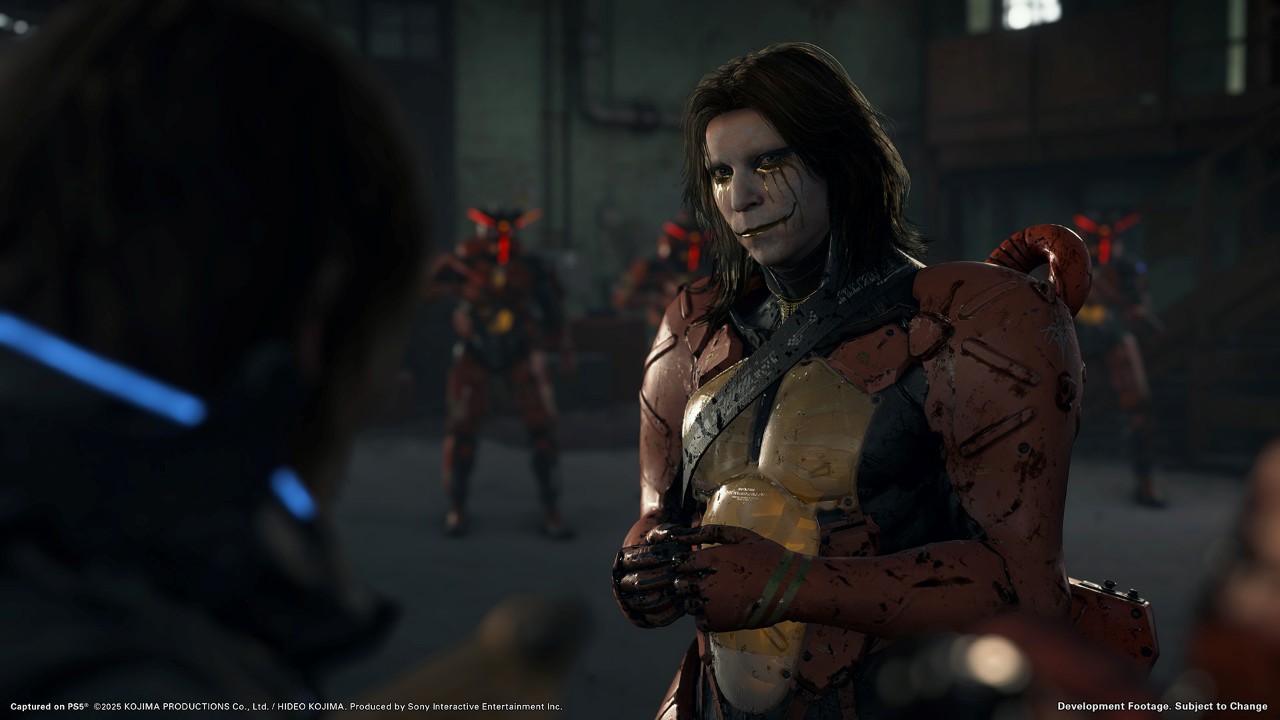
Narratively, the sequel justifies itself by exploring themes of persistence and meaning beyond survival. Sam’s resilience contrasts with Higgs’ chaotic energy, while Fragile’s lighter tone reflects her growth throughout the series. New characters like Tomorrow and Rainy add philosophical depth, and returning oddballs like Heartman and Deadman inject humor.
Standout sequences, including surreal flashbacks tied to Neil Vana, showcase Kojima’s flair for blending absurdity with emotional resonance, culminating in a finale that echoes the grandeur of Metal Gear Solid 4.

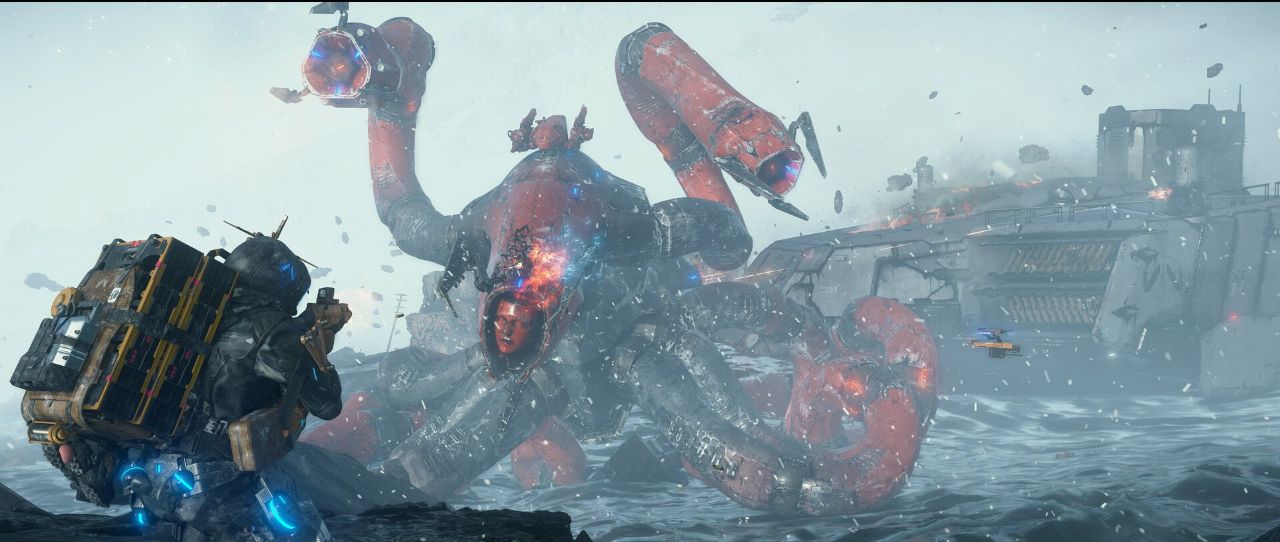
Despite all the improvements, minor pacing issues still linger in Death Stranding 2. The early hours drag with familiar infrastructure rebuilding, and some improvements feel less impactful given their presence in Death Stranding Director’s Cut. Still, this does not diminish the validity of the sequel, and Death Stranding 2 remains a phenomenal experience from start to finish.
PC Performance
Here’s what we used to play Death Stranding 2: On the Beach:
- Ryzen 5 5600x, 16 GB DDR4 3600 RAM, NVIDIA 4070 Super, 1TB NVMe SSD
- ROG Xbox Ally
- Steam Deck
- ROG Strix OLED XG32UCWG
And here are the System Requirements for Death Stranding 2: On the Beach:
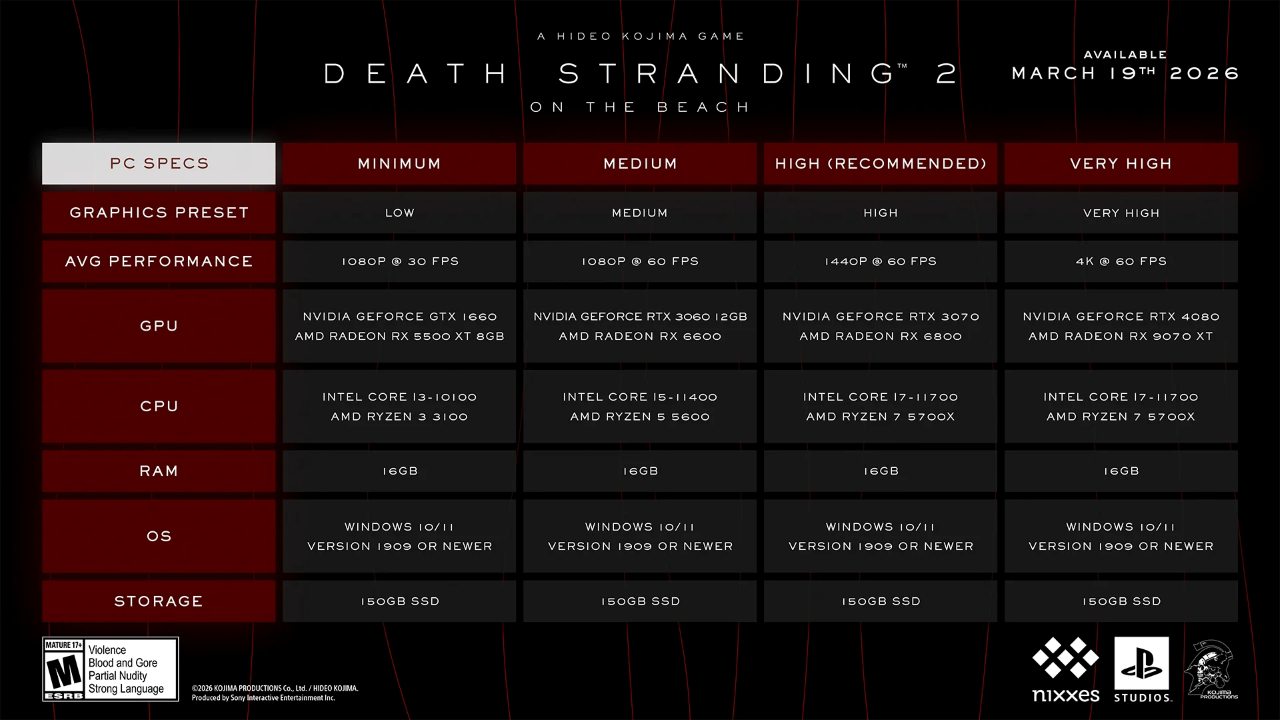
Here’s a look at the graphics settings you can tweak in the game:
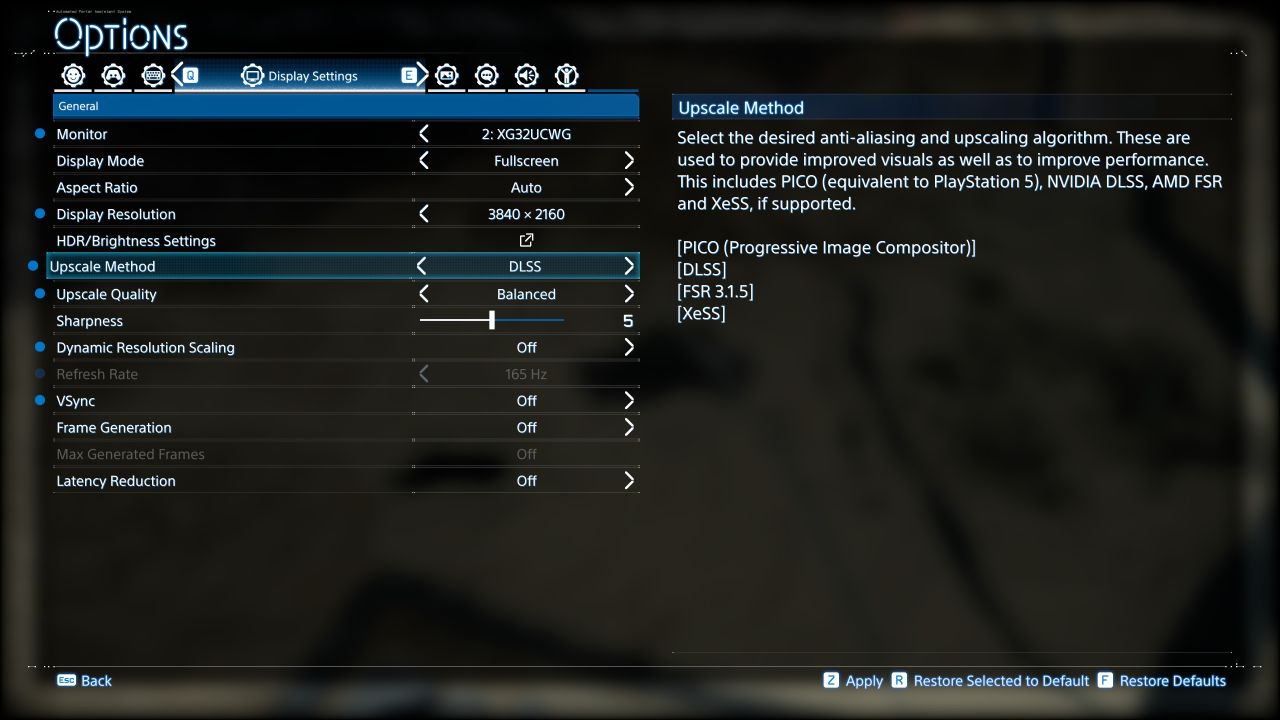
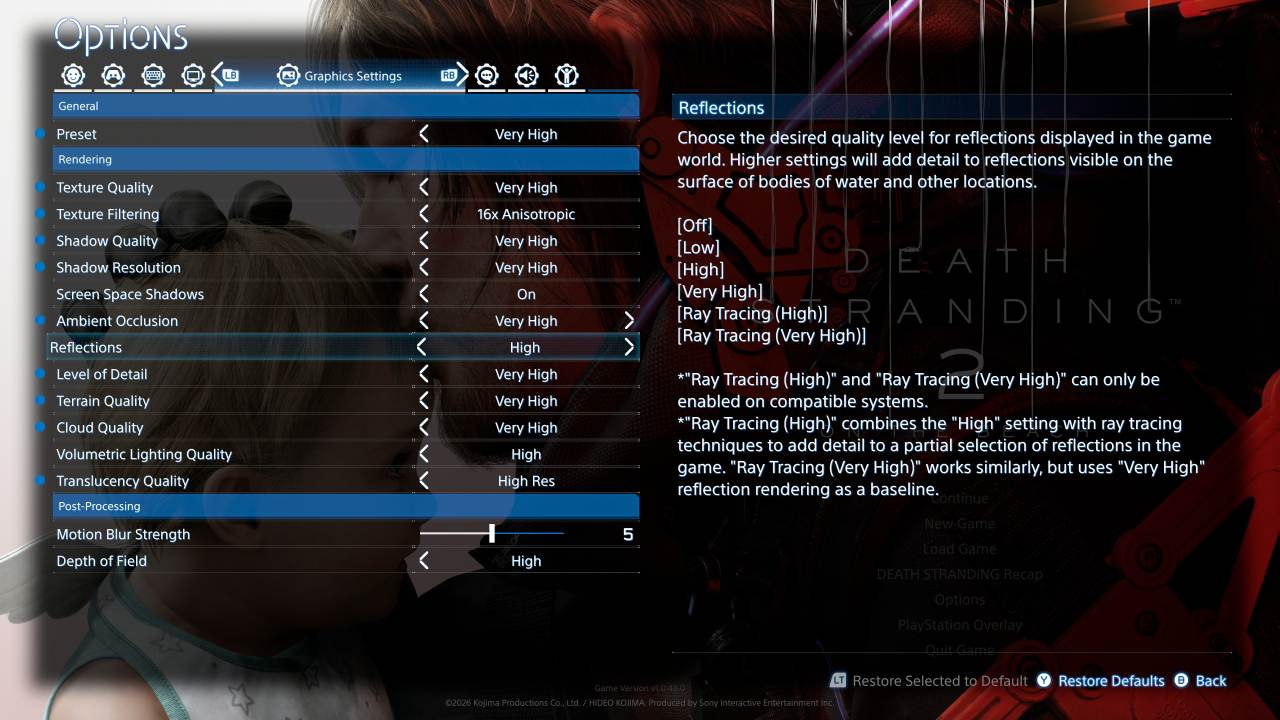
With Nixxes Software providing its technical expertise for this PC port, it is no surprise that Death Stranding 2 is an extremely capable and polished release that works well across a range of devices. While it says that 4K60 is achievable with an RTX 4080, we played the game on our rig at 4K with DLSS set to balanced and got a mostly stable 60-70fps throughout, even with frame generation turned off. Turning on frame generation would boost us to 110+ fps, but some stuttering was noticeable here and there.
Sadly, we were not able to test out the ultrawide settings due to the lack of hardware, but it is easy to imagine how good the environment would look with a 21:9 aspect ratio. What we did get to test, however, was the game on a 32″ OLED display, and boy, was it a beauty. The colors were vibrant, and the scenery across the various biomes was extremely crisp, making for a rather relaxing trek, especially when the Woodkid tracks started playing.
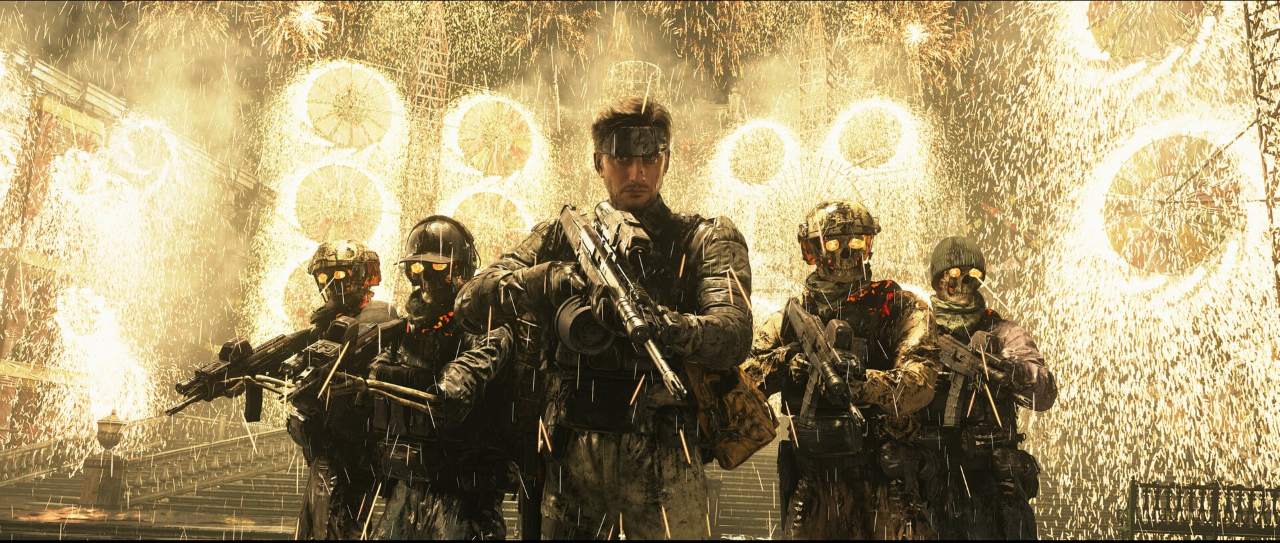
Surprisingly, Death Stranding 2 has a “portable” graphics preset in which most sliders are set to low, and some, like ambient occlusion and reflections, are turned off. When tested on the Steam Deck and ROG Xbox Ally, the game was a bit sluggish, with frames dropping below 20 fps, especially during combat. Some smaller, less busy areas would see the frames hit the high-20s, even breaching 30-35 fps at times, but with so much of the visual quality diminished, it’s hard to recommend playing the game this way.
Frankly, it’s even a miracle that the game is even playable on the Steam Deck and ROG Xbox Ally, but we’re certain that it would fare leagues better with the Z2 Extreme devices like the ROG Xbox Ally X or the Legion Go 2. It certainly isn’t the ideal way to play this visual spectacle of a game, but it’s still good to know that there’s a choice to go portable; just keep your expectations in check.
Verdict: Buy it!

Death Stranding 2: On the Beach is a refinement of the original to an extreme degree, polishing away any remaining edges and elevating the overall experience while retaining the eccentricity the series is known for. It’s a visually arresting, emotionally resonant journey that reaffirms Kojima’s uncanny ability to craft unforgettable experiences.
For returning players, Death Stranding 2 is a must-play, and for skeptics of the first game, it may not change minds, but it undeniably cements Kojima’s magic once again.
*Death Stranding 2: On the Beach was reviewed on a PC with a review code provided by the publisher.
Death Stranding 2: On the Beach Review
For returning players, Death Stranding 2 is a must-play, and for skeptics of the first game, it may not change minds, but it undeniably cements Kojima’s magic once again.
PROS
- Stunning Visuals and Superb Audio Design
- Refined Combat System that Allows Multiple Ways to Approach Encounters
- Riveting Storytelling That Keeps You Invested
CONS
- Some pacing issues at the start
- Portable graphics settings still not enough to provide a sufficient on-the-go experience