

There’s a particular kind of magic that happens when a Final Fantasy game confidently embraces its roots while pushing the series forward in meaningful, modern ways. Final Fantasy Resonance is one such title, being the first HD-2D title in the Final Fantasy series, and its debut could not be any more spectacular.
After spending around an hour and a half with Final Fantasy Resonance across its opening chapter and a boss dungeon, that magic is unmistakably present. Resonance is shaping up to be a game that blends strategic combat, gorgeous HD‑2D visuals, and a thunderous soundtrack.
Final Fantasy Resonance Hands-on Preview
Our preview begins at the very start of the game, covering the opening movie, introductory sections that teach basic controls, worldbuilding, and the core mechanics that define Final Fantasy Resonance. Within the opening cinematic alone, our hype levels were through the roof.
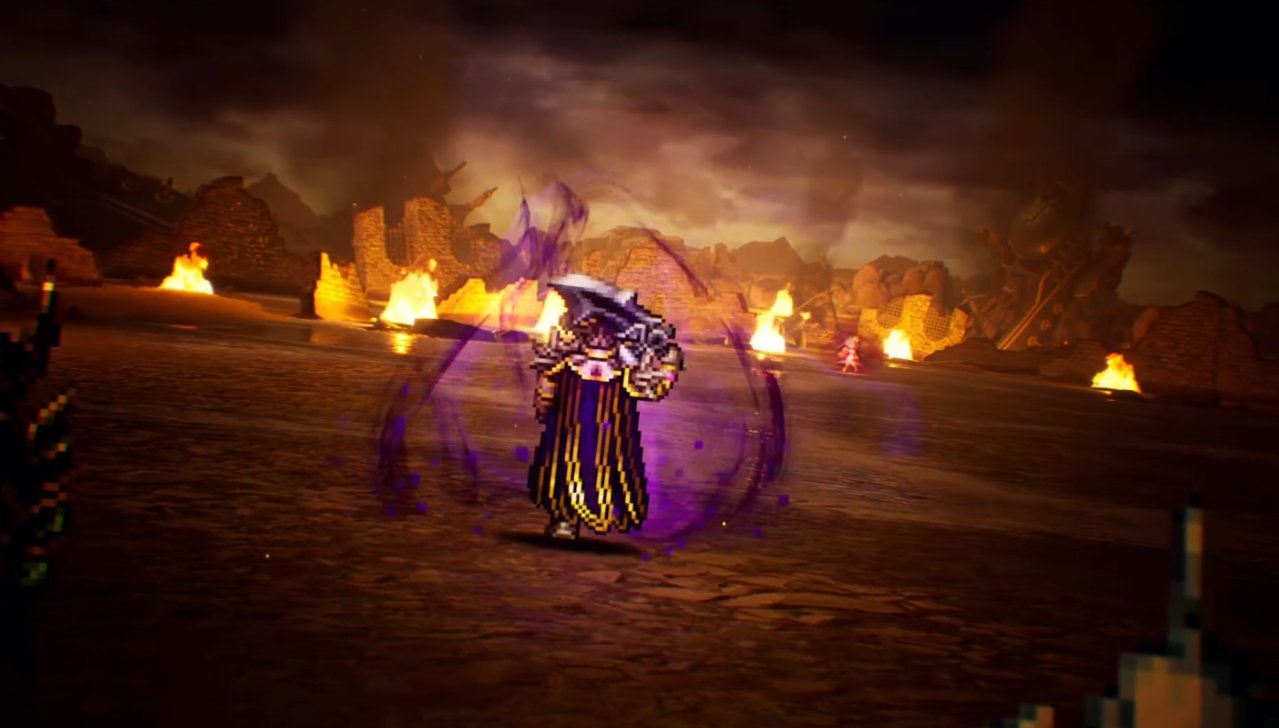
The opening sequence takes us through a war between machines and magic that ravaged the land, with the Archwitch turning the tide of battle in favor of the forces of magic. As she mows down enemy forces, she comes face to face with the Umbra, who seems to be the leader of a group of extremely powerful beings. Both sides clash, resulting in a catastrophic event that halts the war.
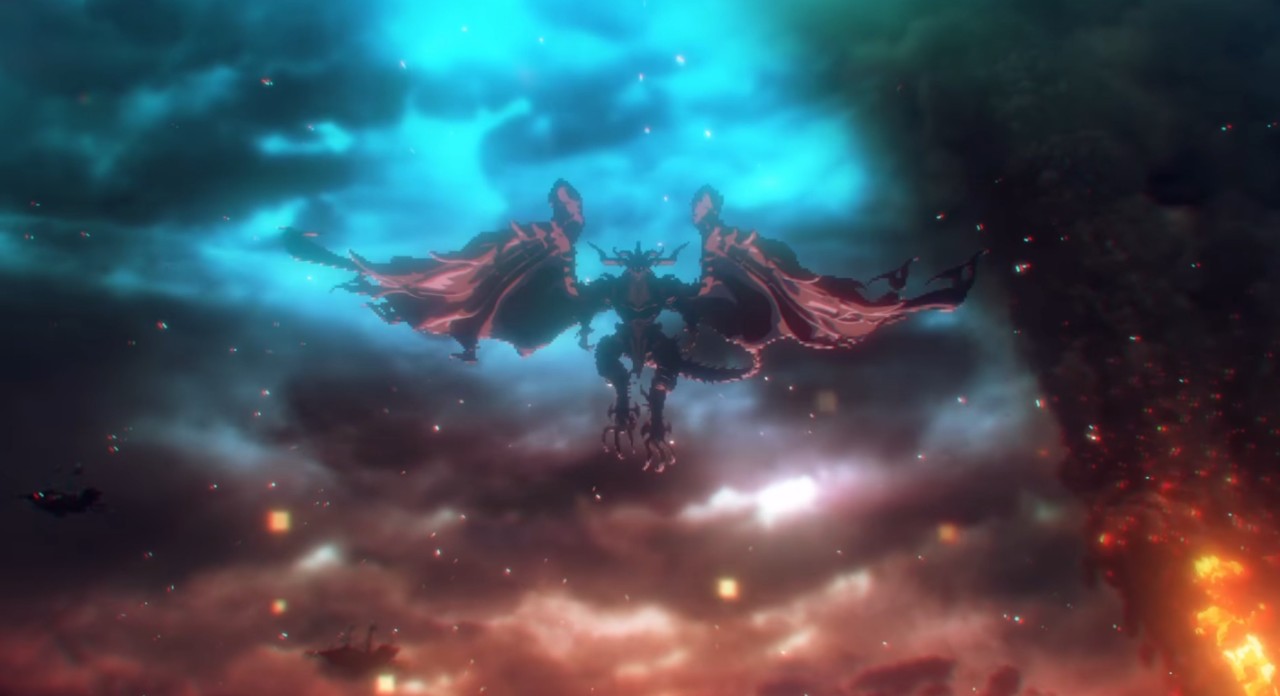
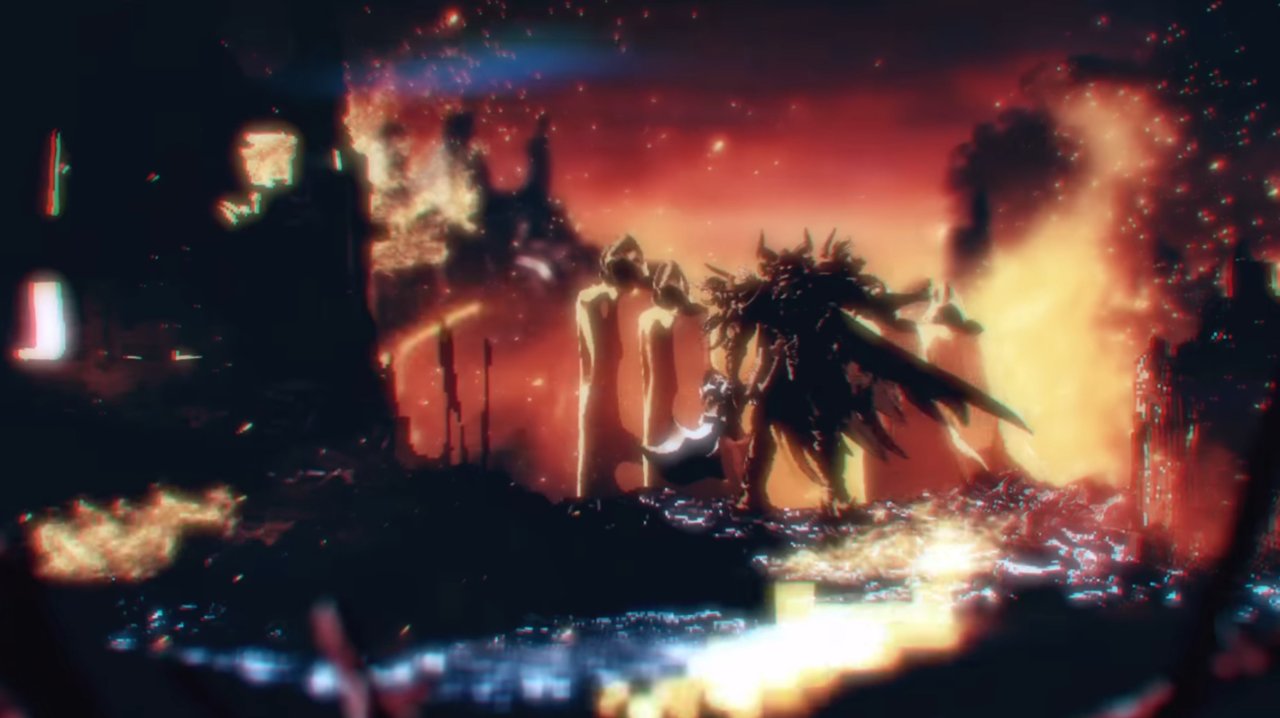
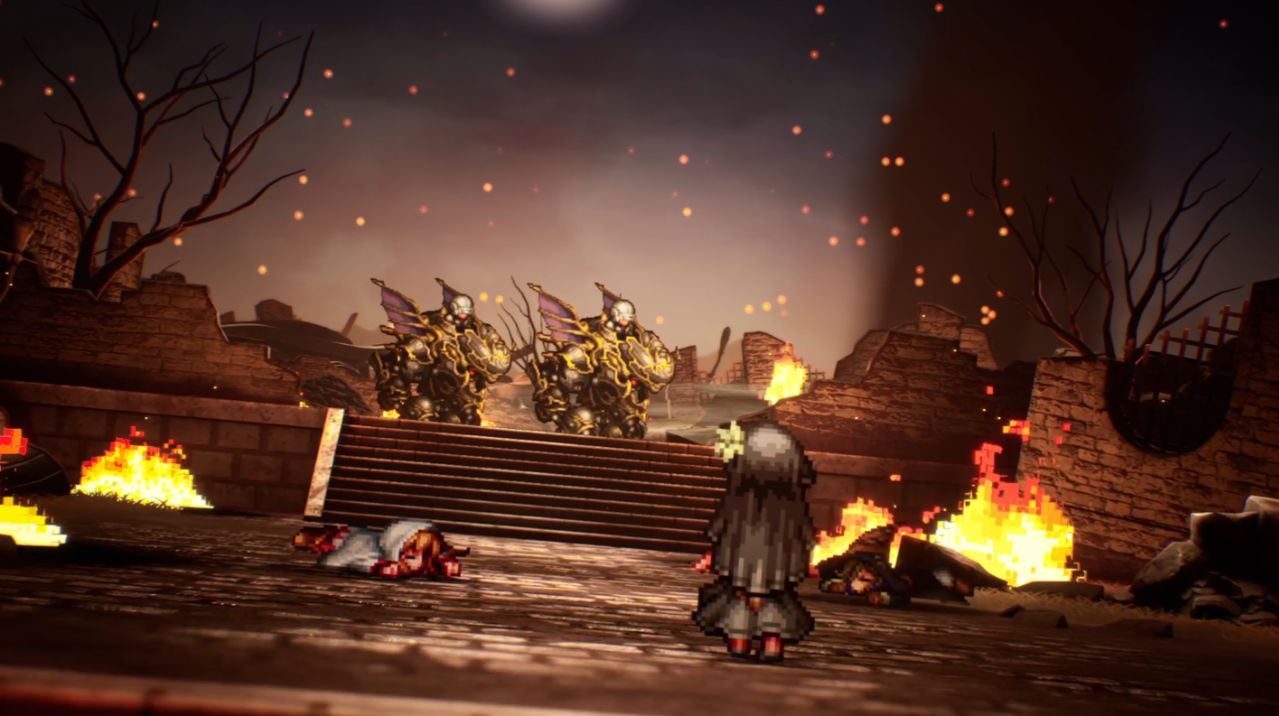
Fast forward, and we take control of Airship Squadron Commander Rain, who has been tasked by the King of Grandshelt to investigate a mysterious occurrence at the Earth Crystal as its magic barrier seems to have been compromised. Together with Lasswell, they investigate.
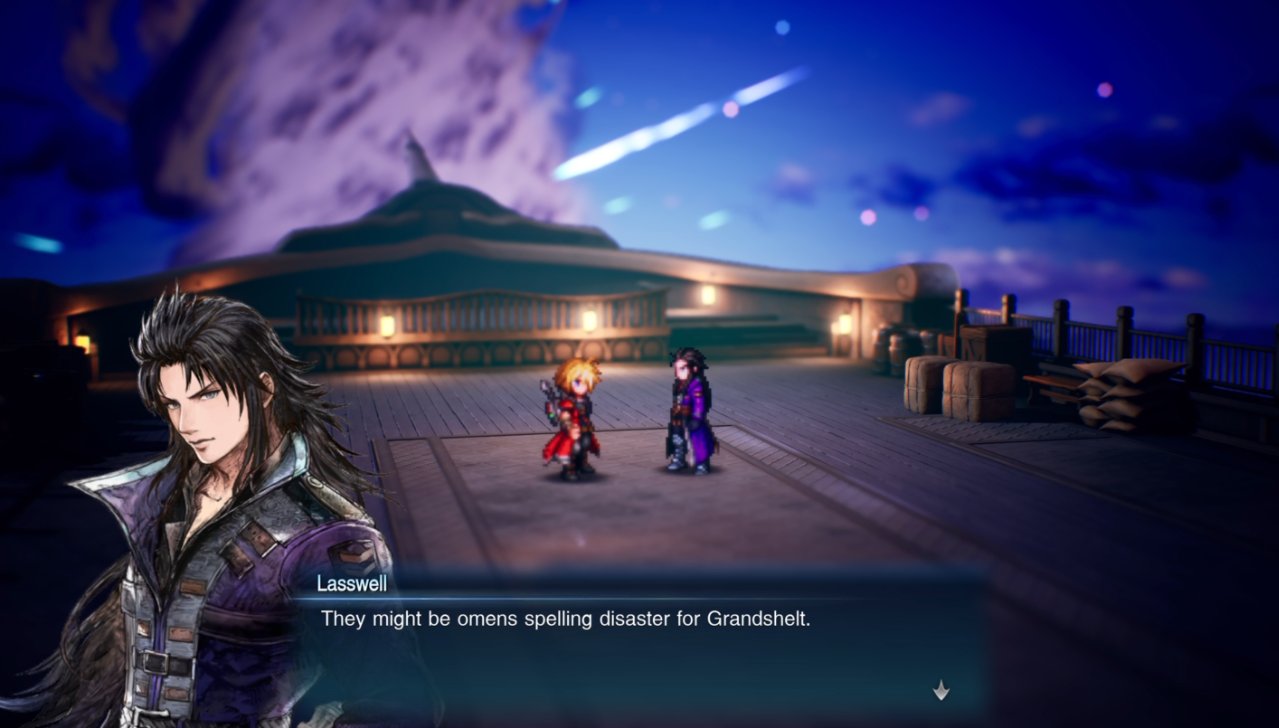
The first thing that hits you is the visual presentation. Final Fantasy Resonance uses an HD‑2D style reminiscent of titles like Bravely Default and Octopath Traveler, but with a more cinematic flair. Direction is more dramatic, particle effects are more vibrant, and cutscenes feel more dynamic than anything the style has attempted before. Spell animations explode with color, and the camera frequently shifts to highlight key moments, giving battles a sense of spectacle.
While it is true that the HD-2D style may look similar to previous titles, there’s a big difference in seeing iconic Final Fantasy characters take the stage. The most recent Final Fantasy titles have mostly been big-budget productions with a more realistic look, so seeing the franchise go back to its pixel roots is a sight to behold.
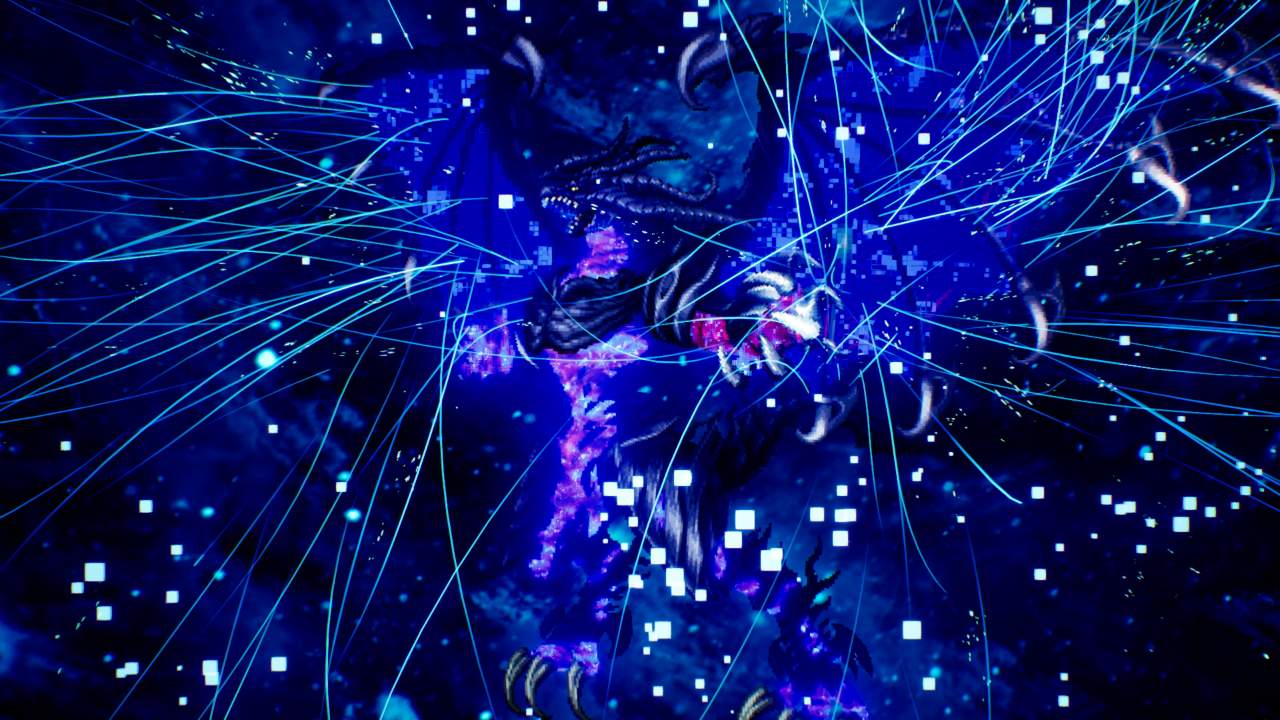
The second thing that you’ll notice is the soundtrack, which blends orchestral arrangements with rock elements like heavy guitar riffs, creating a soundscape that feels energetic and modern while still unmistakably Final Fantasy. Battle themes hit extremely hard, exploration tracks are atmospheric, and major encounters are backed by swelling arrangements that amplify the tension and elevate the experience. It is a definite highlight, and not too far to say that it could be a great overall soundtrack.
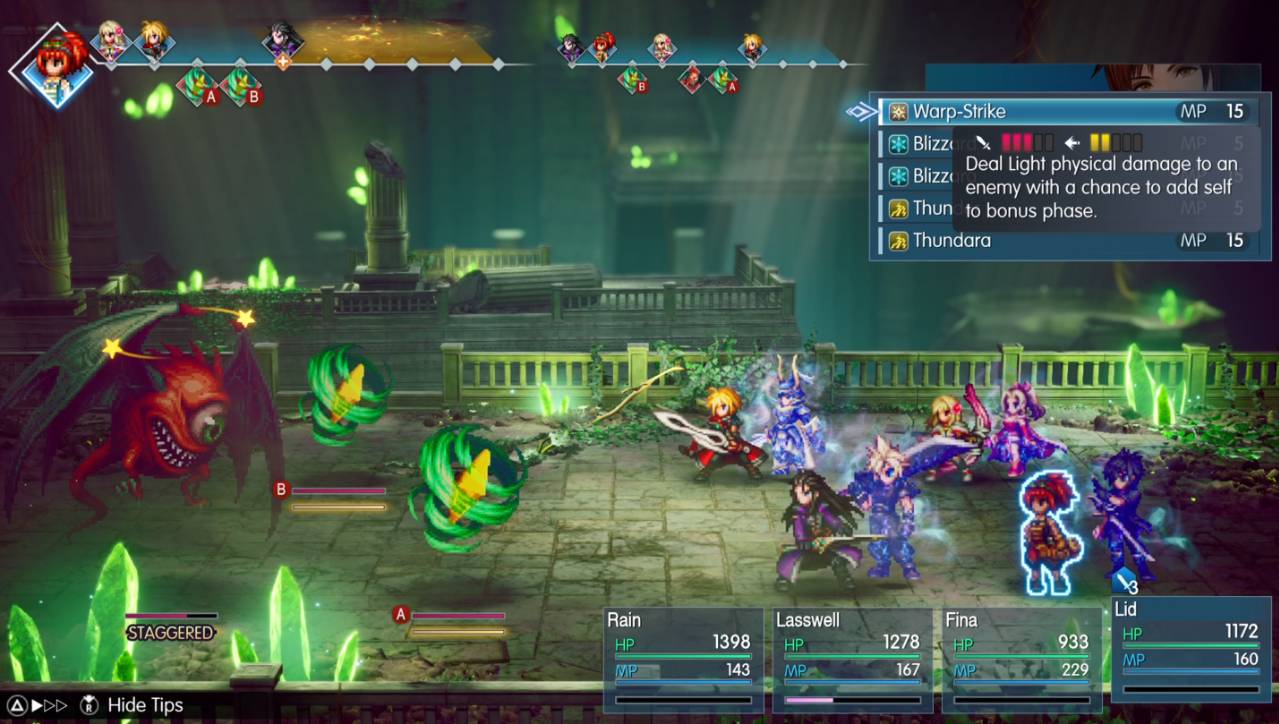
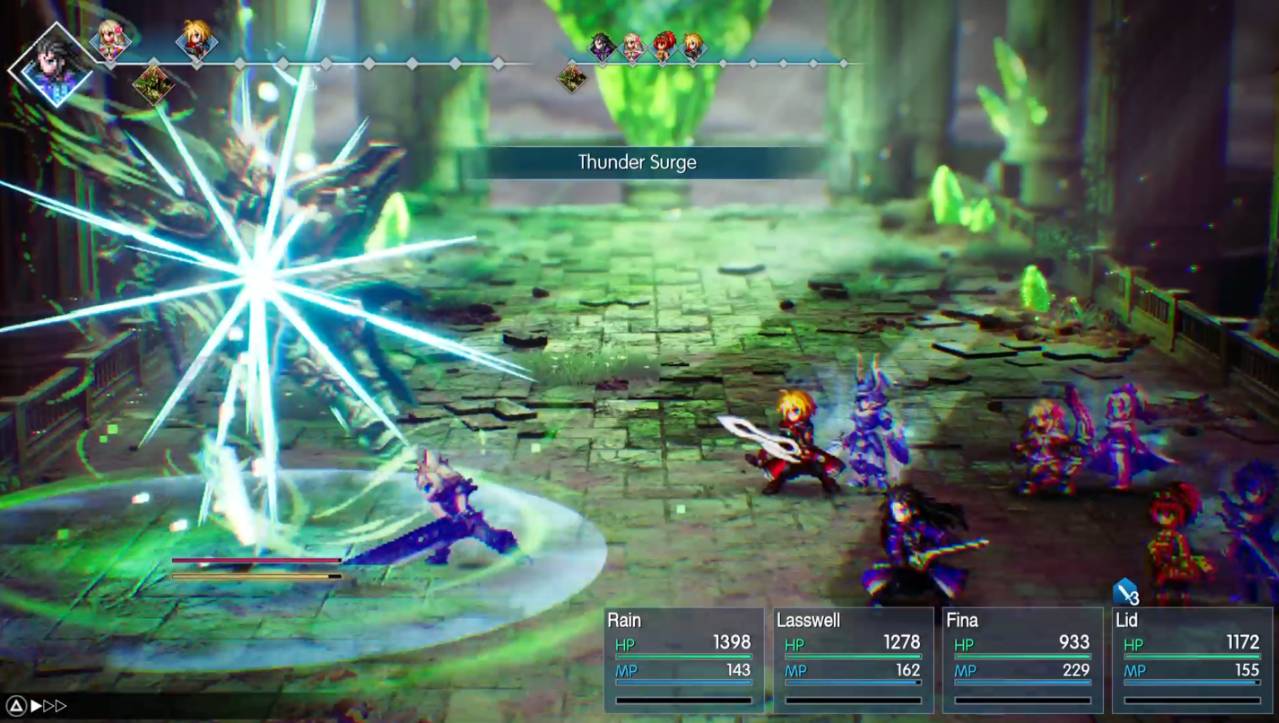
Combat in Final Fantasy Resonance is classic turn-based Final Fantasy with several modern twists taken from similar HD-2D titles. We took control of four characters during our preview: Rain and Lasswell for the intro, and the addition of Lid and Fina during the dungeon run. Each character can equip a Vision, which is an echo of iconic Final Fantasy protagonists that can aid in battle. Each Vision has its own skill set: Cloud brings Braver and Thunder Surge, Noctis offers Warp Strike and Blizzard, and so on. Visions can level up, learn new abilities, and dramatically influence your combat strategy as you create party synergies.
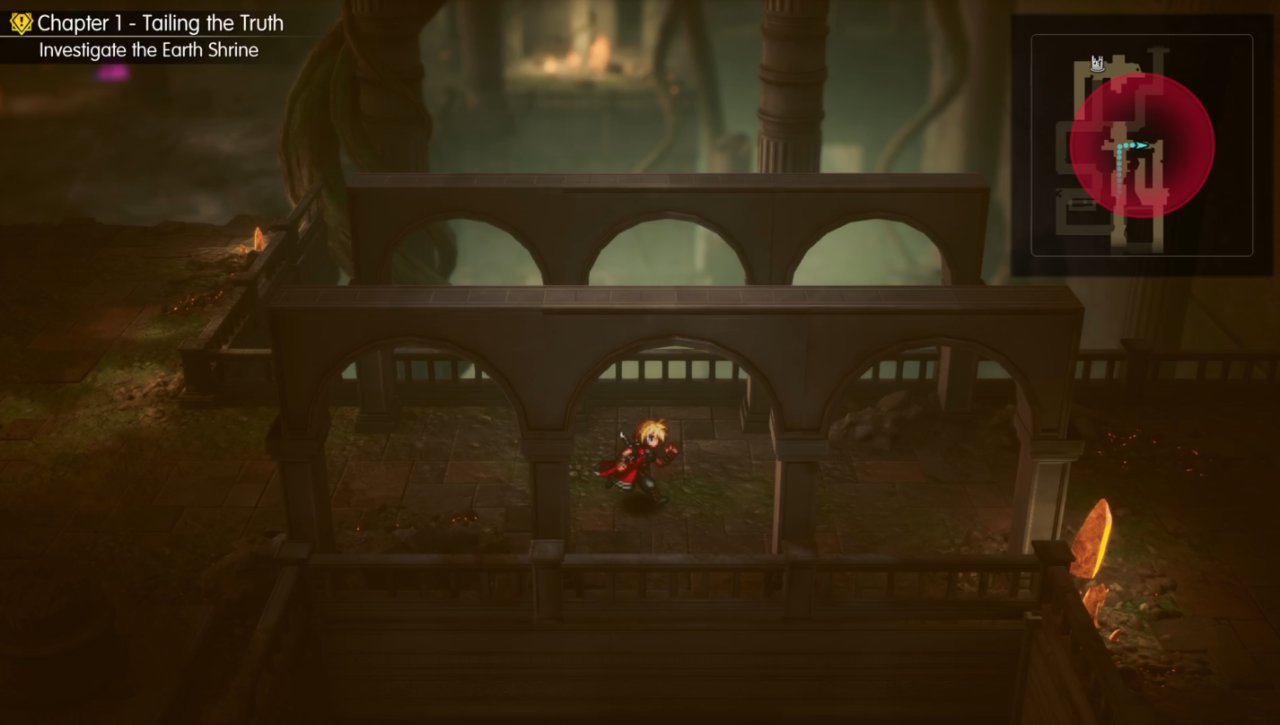
Final Fantasy Resonance employs a random encounter system that’s slightly modified. While exploring, you’ll notice your minimap pulse green when you are safe, yellow when an encounter is approaching, and red when a random battle is imminent. Enemies are not visible on-screen, so this is your indicator that a battle will happen soon, which gives players an opportunity to heal up as needed.
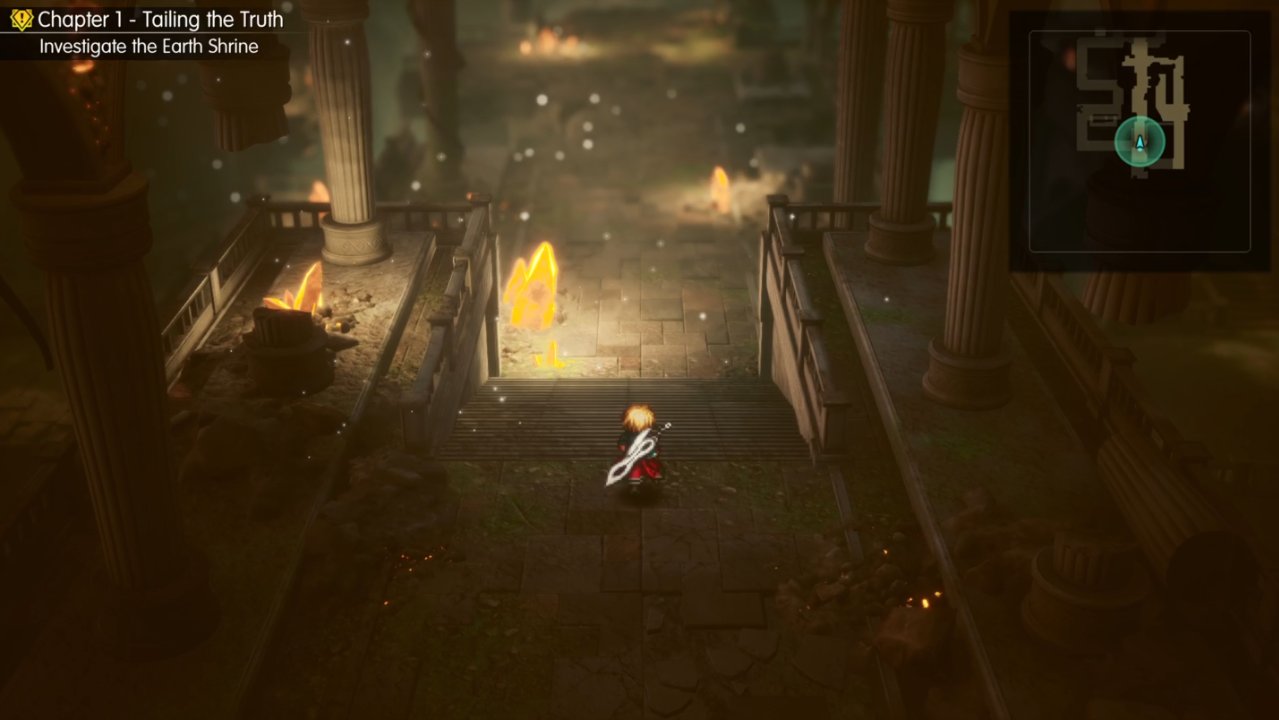
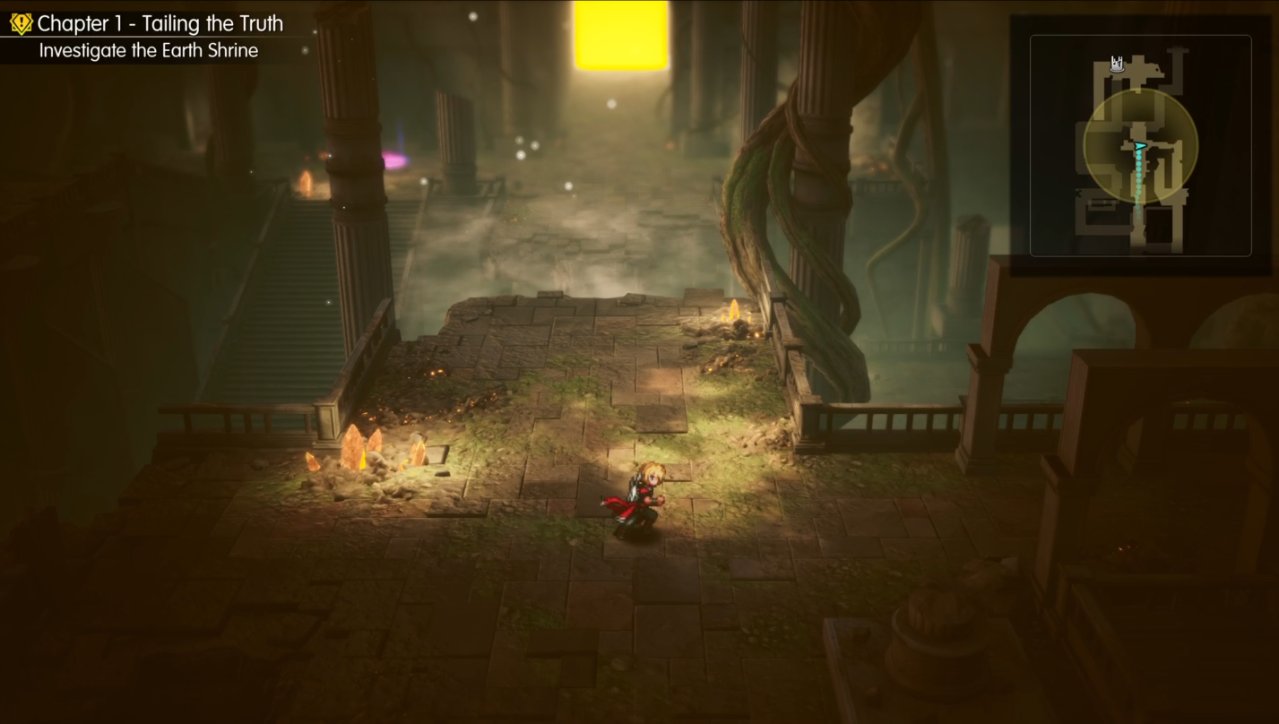
Characters learn skills at specific levels: Rain learns Fire at level 1, Tackle at 3, Provoke at 6, Protect at 9, while Lasswell unlocks Dawn Frost at 3, Hone Senses at 5, and Tranquility at 9. It’s a simple but satisfying progression track, and when layered with the other mechanics, it offers a competent combat system.
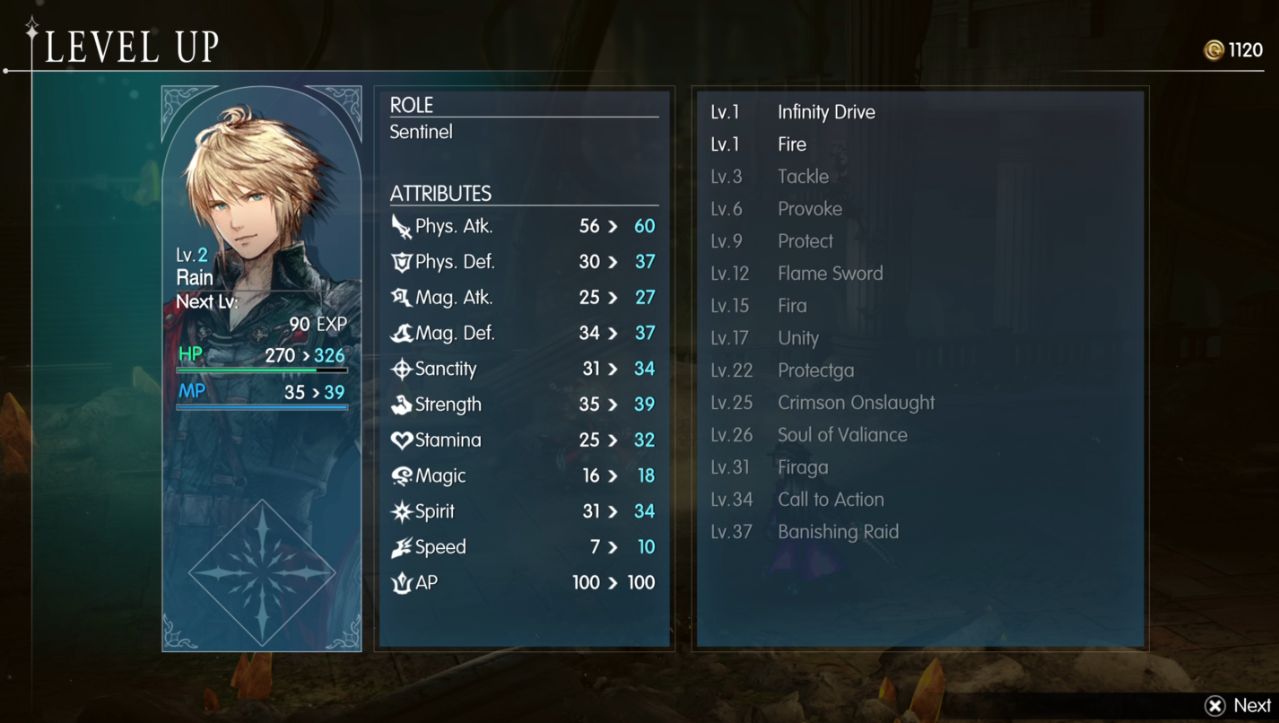
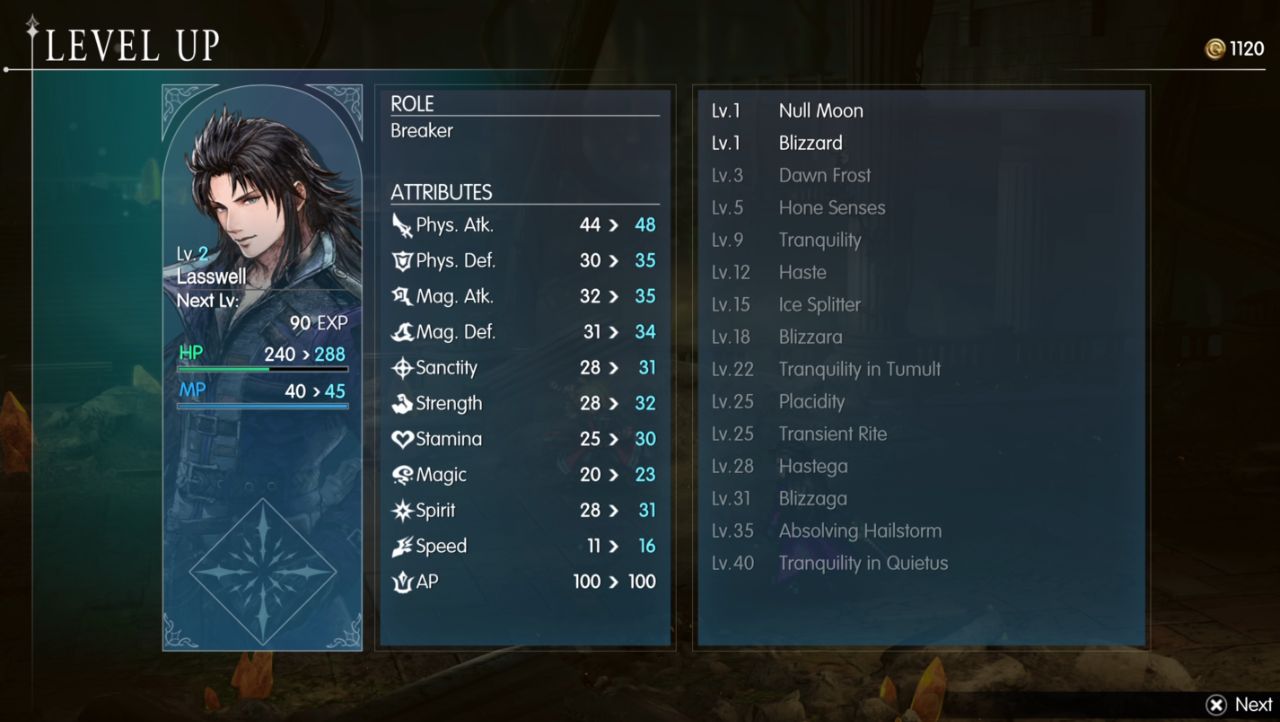
Damaging an enemy enough will fill up your gauge and will result in your characters being able to deploy Limit Bursts, powerful attacks that you can perform to deal big damage. Each character will have their unique Limit Bursts, and it’ll do well to activate these as often as you can.
There’s a visible turn order where you or your Vision will perform a move, and hidden enemy weaknesses that only reveal themselves once struck, leading to staggering them, which is a returning mechanic from other HD-2D titles. The slight difference is that any character who triggers a stagger earns an extra action at the end of the round, and if you manage to stagger all enemies in a single turn, you activate a Sweeping Stagger, granting bonus actions to the entire party.
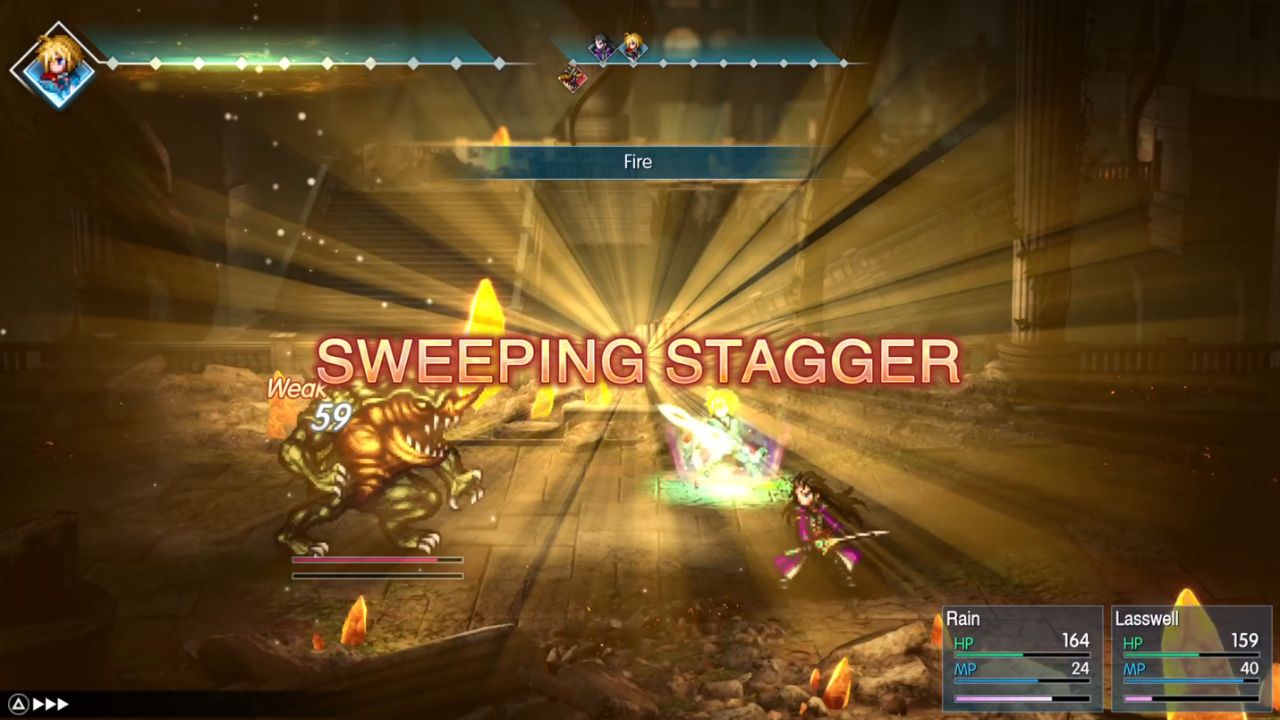
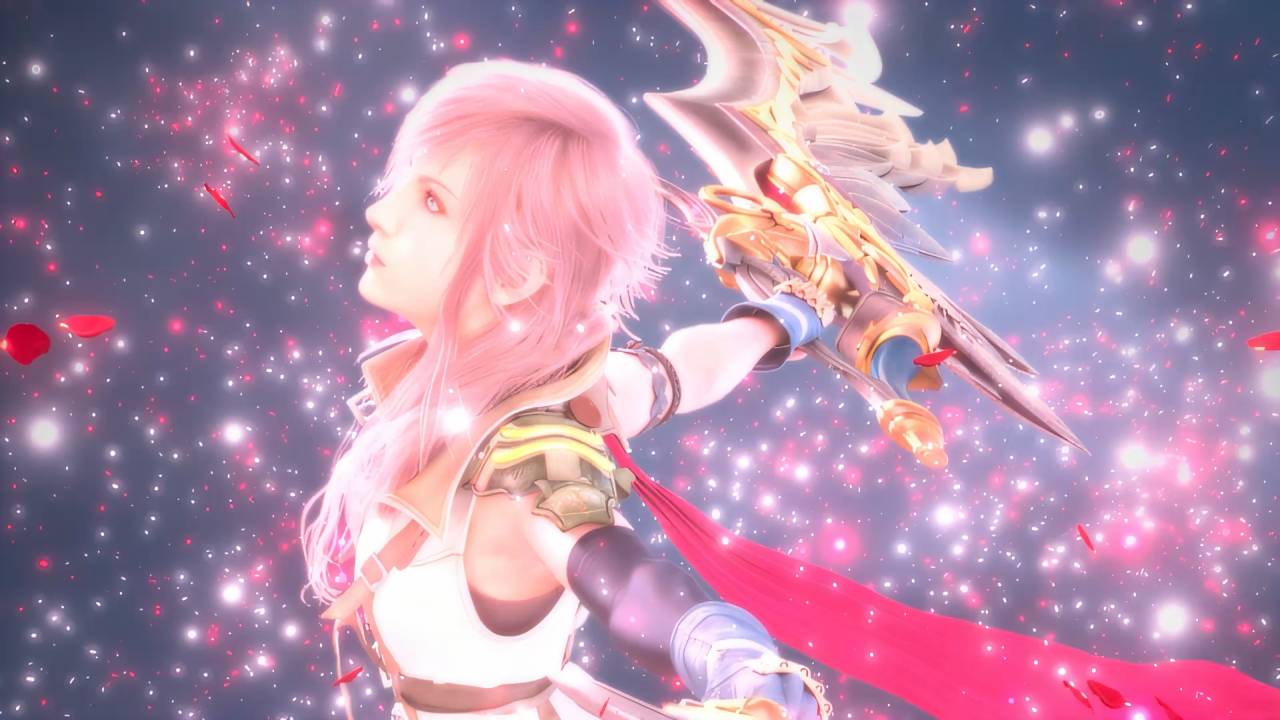
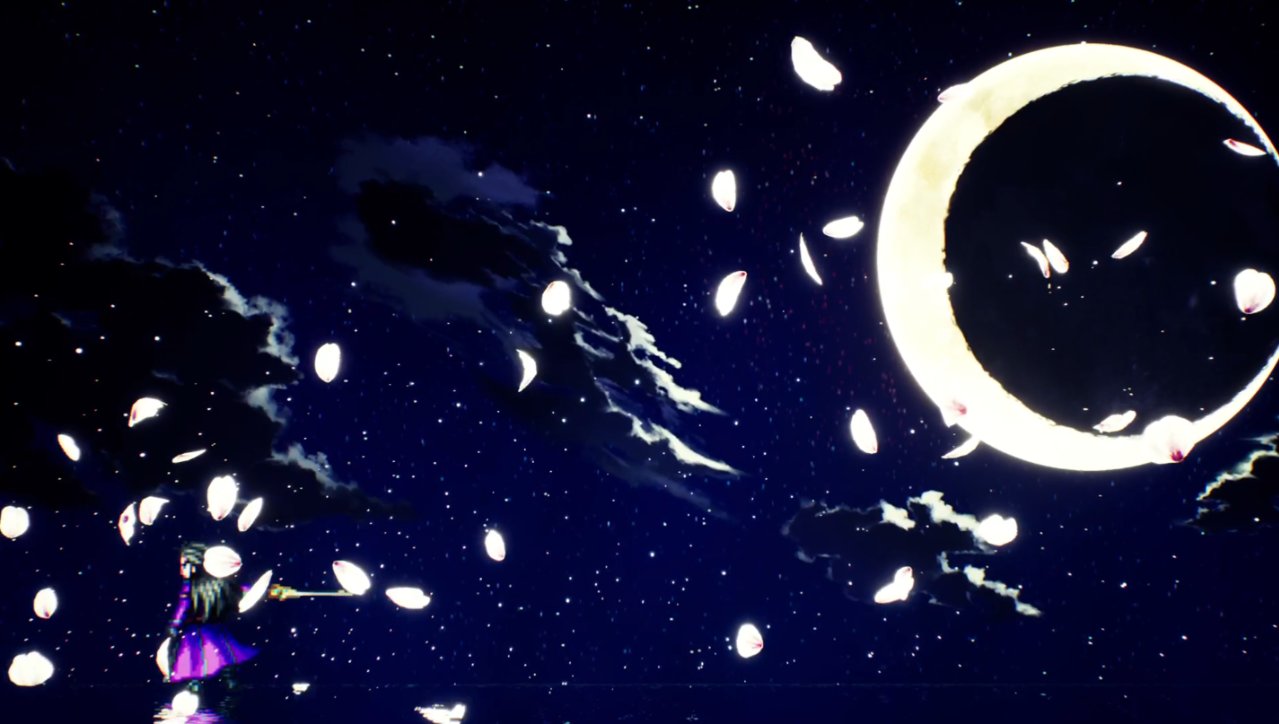
Triggering a Sweeping Stagger has its obvious benefits, but one of the big reasons to aim for this is to unleash a Resonance Attack, which is a vision-based attack that deals massive damage. You can choose which Resonance Attack to use depending on your equipped Visions, and during our playthrough, we got to see Resonance Attacks from Cloud, Clive, Terra, and Lightning; all are flashy, satisfying, and often turn the tide of battle because of their effects, whether it be a purely damaging attack or one that can provide support. These attacks come complete with a cinematic cutscene of the chosen vision, which is a nice touch.
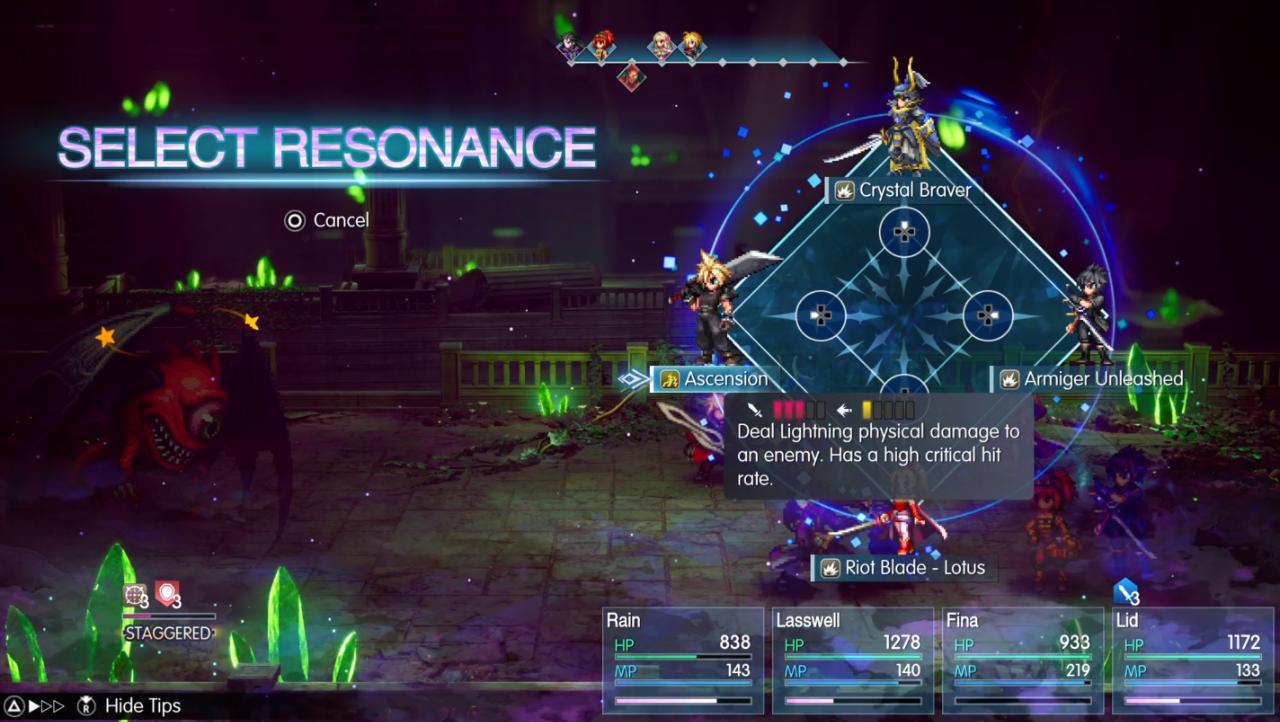
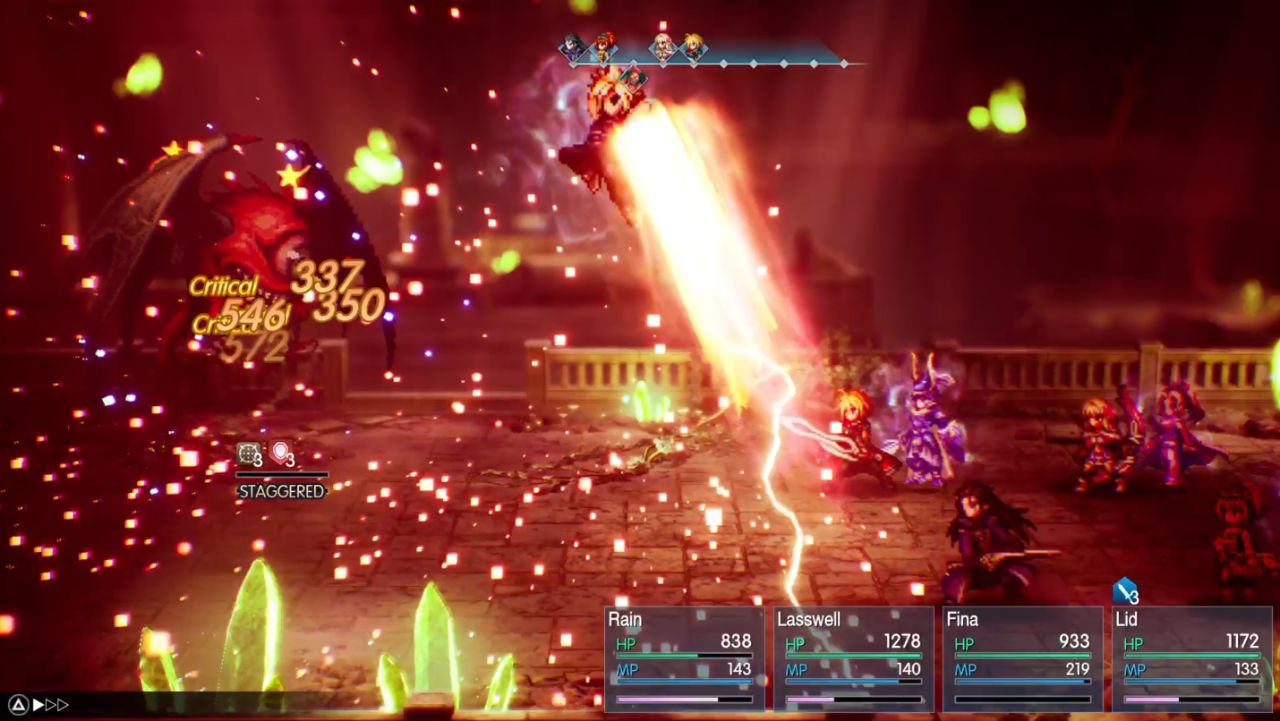
On top of Visions, players can also employ Summons in Final Fantasy Resonance, which behave like temporary party members who act independently for a set number of turns. For example, Bahamut stays for three turns, attacking on his own before unleashing Megaflare, a massive finisher. Other espers follow similar patterns, and their presence adds both power and tactical depth to combat.
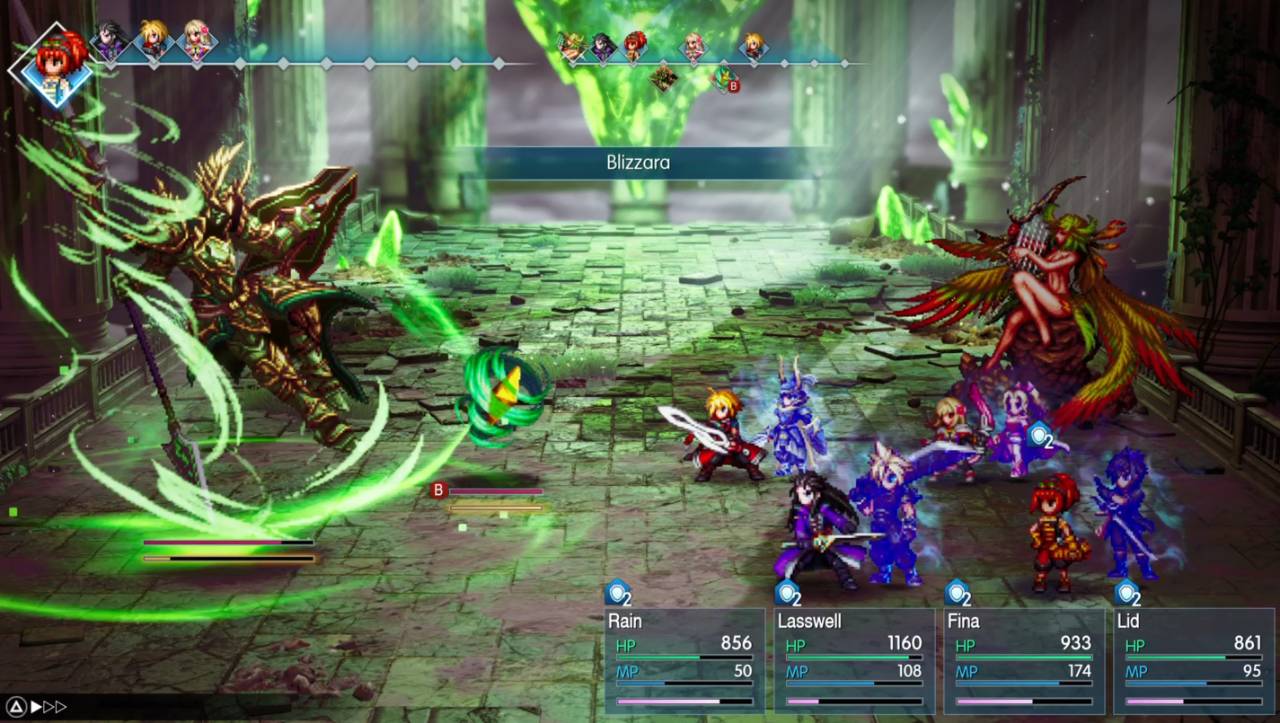
Modern quality-of-life touches also make it to Final Fantasy Resonance, such as a 3x battle speed modifier, fast travel between save points in a dungeon, and more. The game also embraces classic Final Fantasy features like resting at save points using a tent, familiar items like Phoenix Downs, and more, to bring a touch of familiarity.
Our hands-on session with Final Fantasy Resonance continued with a sneak peek at content beyond the game’s introduction, which is a dungeon culminating in a major boss fight against Aether, one of the game’s early antagonists. The dungeon itself is simple, with players navigating platforms that transport them from one area to the other when switches are triggered. We did notice a lack of branching dungeon paths, which made Final Fantasy Resonance feel quite straightforward when it comes to exploration, but of course, it’s still too early to tell if this will persist throughout the game.
The boss fight against Aether is where the dungeon truly shines. Without spoiling specifics, Aether’s attacks hit hard, and he can summon support troops that players will need to deal with to make the battle more manageable. The encounter demands smart use of the Stagger system, Visions, and party synergy because it is a pretty tough one. Much like other HD-2D titles, smart use of buffs and debuffs is also key during boss battles, as brute force is a tactic that will often fail.
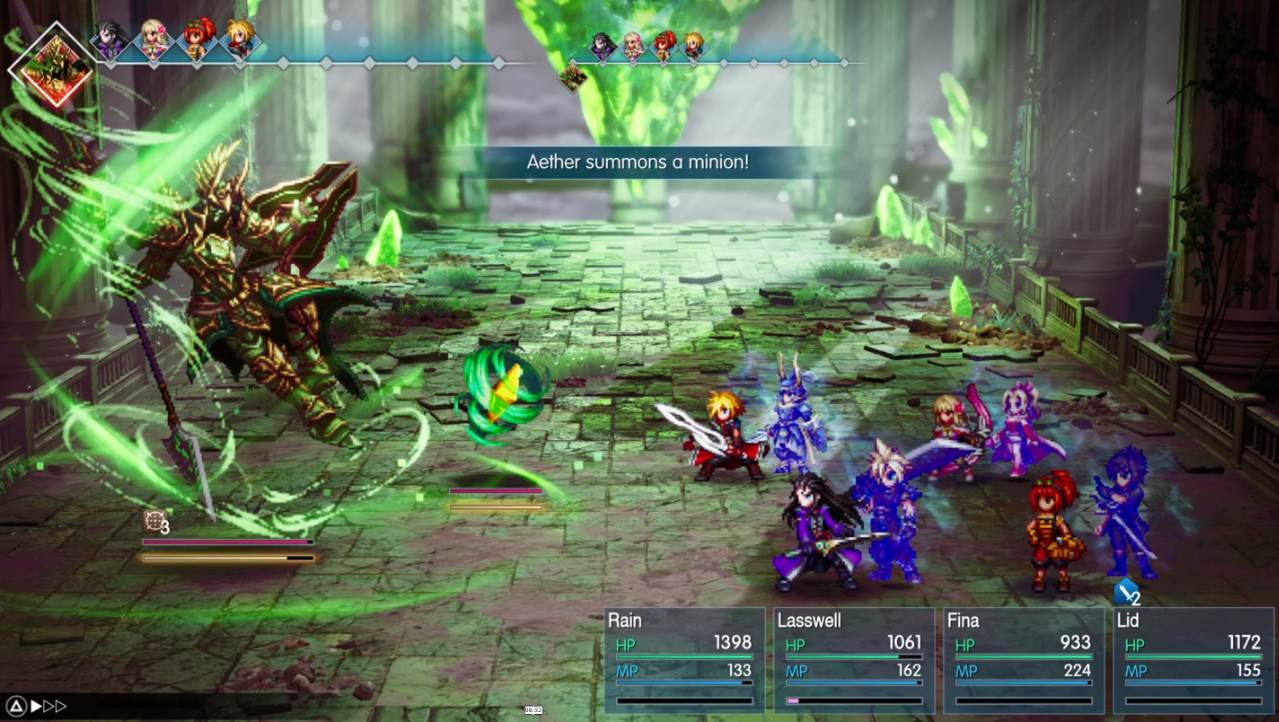
After spending time with Final Fantasy Resonance, its potential is through the roof to be a standout entry in the franchise that blends nostalgia with innovation, spectacle with strategy, and style with substance. The HD‑2D visuals are stunning, the soundtrack is electric, the cutscenes are cinematic, and the Visions system ties everything together into a combat experience that feels like a winner.
Final Fantasy Resonance is scheduled to launch on October 22 for PS5, Xbox Series, Switch 2, and PC.
