

Final Fantasy Resonance Review
Table of Contents
Final Fantasy Resonance is the latest entry in Square Enix’s iconic RPG franchise. Inspired by the story and characters of the mobile title Final Fantasy: Brave Exvius, this reimagined adaptation has been rebuilt specifically for consoles, shedding its gacha mechanics in favor of a more traditional, story-driven RPG experience.
Final Fantasy Resonance’s narrative unfolds in the aftermath of a legendary conflict between the Archwitch and the Veritas, a war that culminated in the Archwitch’s banishment from the world. Seven centuries later, a mysterious disturbance threatens the kingdom of Grandshelt, prompting its young knights, Rain and Laswell, to embark on an investigation. Their mission quickly takes a devastating turn when they are overwhelmed by the enigmatic Veritas. Rescued by an unknown force, the two heroes awaken the power of Visions, setting them on a journey to uncover the truth behind the growing darkness and confront the threat looming over the realm.
As secrets surrounding the world’s crystals begin to unravel, Rain and Laswell must face powerful adversaries, forge unexpected alliances, and confront mysteries that could determine the fate of their world.
Powered by Visions
Final Fantasy Resonance distinguishes itself from Brave Exvius by taking a familiar Final Fantasy premise, gathering legendary crystals and fighting to save a kingdom on the brink of collapse, and elevating it through its execution. While the overarching narrative follows themes longtime fans will recognize, the game delivers them with confidence through memorable storytelling, strong voice performances, and a well-crafted musical score that amplifies its most emotional and impactful moments.
Central to both the narrative and gameplay is the Vision system, which serves as one of Final Fantasy Resonance’s defining mechanics. Visions are manifestations of legendary heroes from across the Final Fantasy universe, granting Rain and Laswell access to powers far beyond their natural abilities. More than a simple gameplay feature, Visions play a pivotal role in the story, driving key plot developments while providing players with a meaningful connection to the franchise’s storied legacy.
Early in the adventure, players gain access to Visions based on iconic characters such as the Warrior of Light from Final Fantasy I, Terra from Final Fantasy VI, and Cloud Strife from Final Fantasy VII. Alongside signature abilities such as Cloud’s iconic Braver, each Vision grants unique active and passive skills that can be unlocked through the Mastery Rank system. This progression mechanic encourages experimentation and rewards players who invest time in developing their chosen Visions.
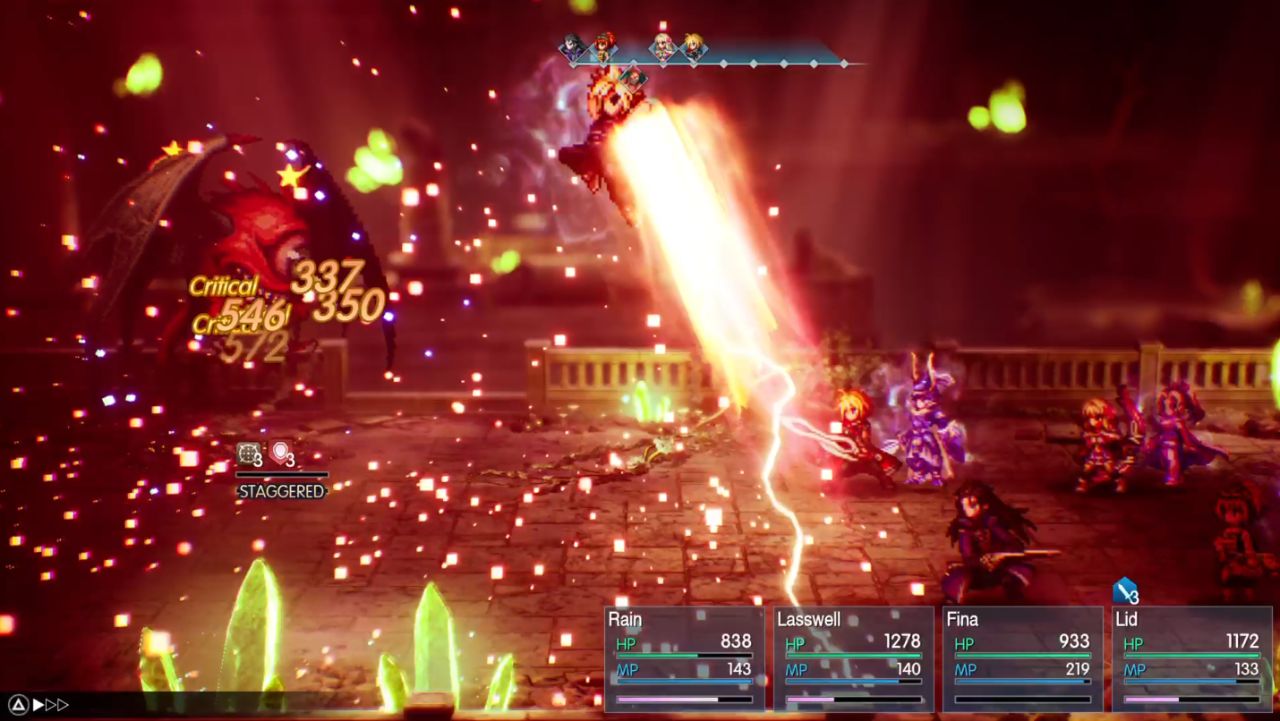
The system becomes even more engaging through its flexibility. Visions can be freely assigned between party members, allowing players to customize their builds and tailor characters to specific combat situations. Laswell’s naturally agile and offensive playstyle, for example, can benefit from the Warrior of Light’s defensive capabilities, providing greater survivability in battle. Conversely, Rain’s strength as a hard-hitting front-line fighter can be enhanced further through Cloud’s offensive-oriented abilities, pushing his damage output to even greater heights.
Apart from character customization, Visions are deeply integrated into the combat system through Final Fantasy Resonance’s Stagger Battle System. Whether through devastating offensive attacks such as Cloud’s Ascension Limit Break or powerful support abilities like White Mage Leah’s Healing Wind, these actions can dramatically shift the flow of battle. The mechanic adds another layer of strategy to encounters, rewarding players who effectively manage stagger opportunities and party composition.
Visions can also be enhanced through the use of Magicite Shards, which are found throughout the world. Accumulating and upgrading these materials allows players to promote Visions up to three-star rarity, strengthening their abilities and improving their Limit Break techniques. Additional Visions can be discovered within sanctums scattered across the continent, encouraging exploration while steadily expanding the player’s strategic options.
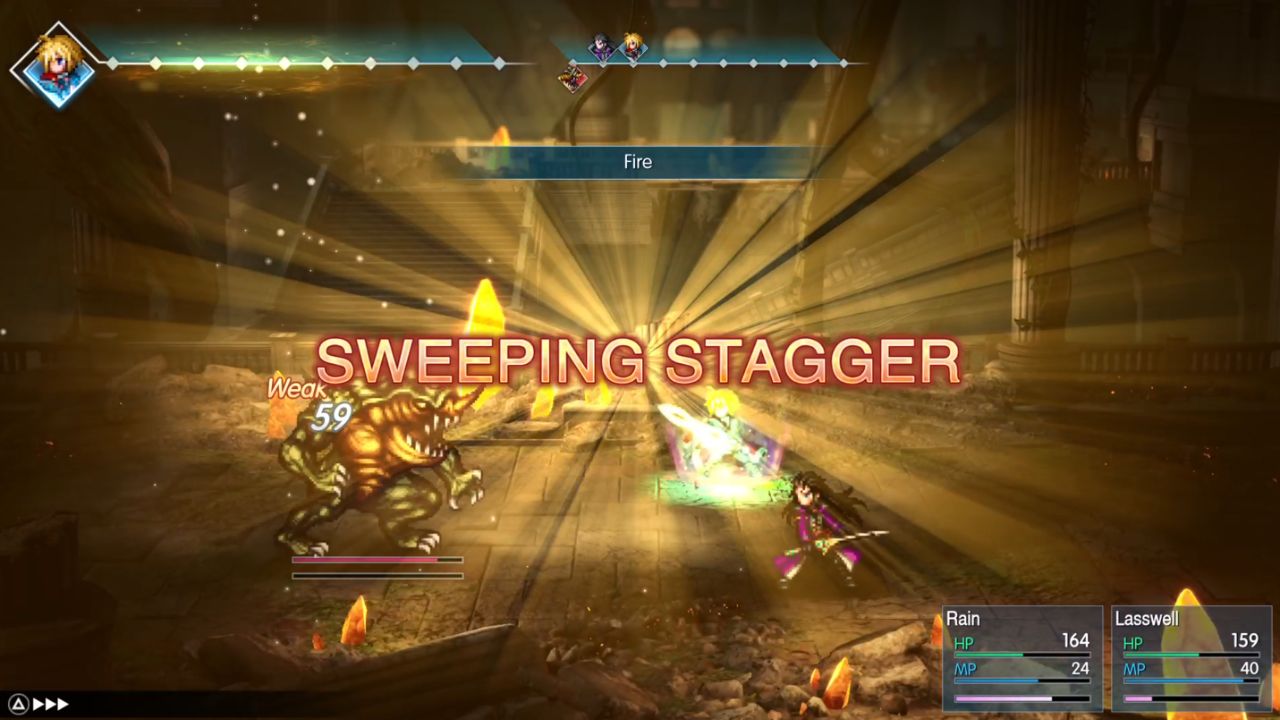
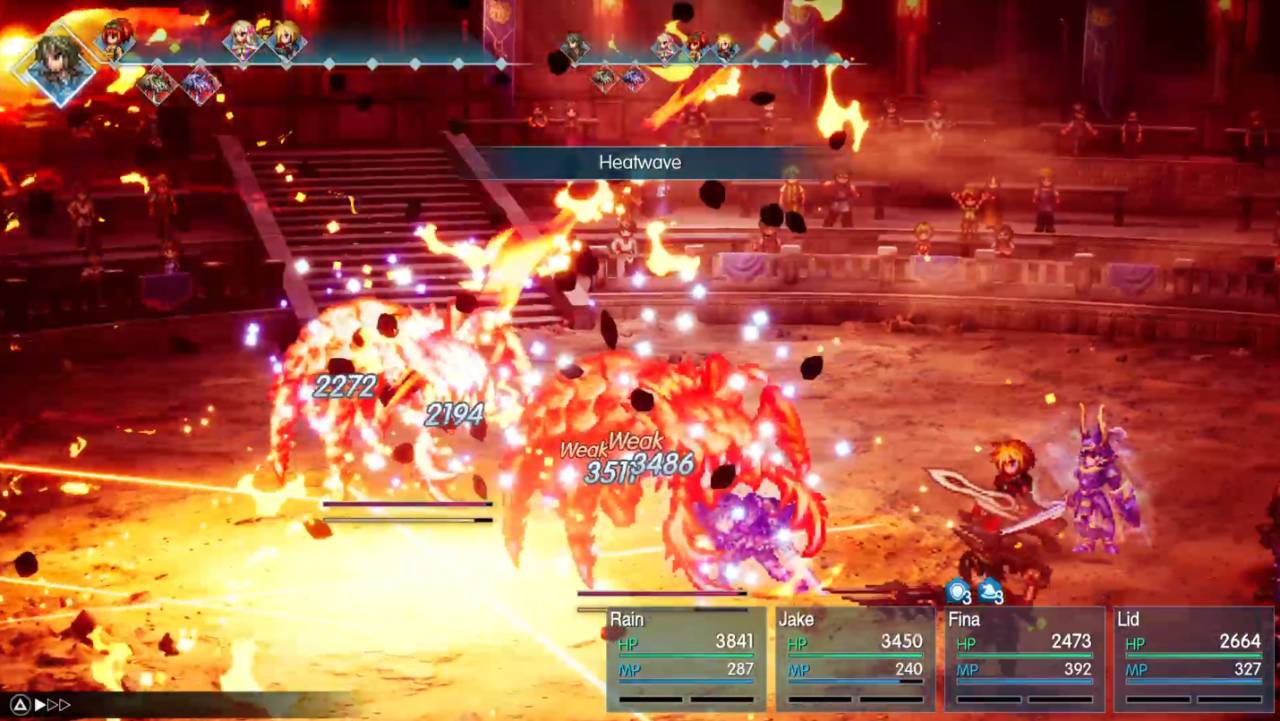
Players familiar with titles such as Octopath Traveler 0 will quickly recognize the fundamentals of Final Fantasy Resonance’s combat system. While it forgoes the Brave mechanic popularized by some contemporary turn-based RPGs, it adopts a stagger-focused approach more reminiscent of modern Final Fantasy entries such as Final Fantasy VII Rebirth. By dealing sustained damage and exploiting elemental weaknesses, players can build stagger gauges and leave enemies vulnerable to devastating follow-up attacks.
Party composition revolves around a four-character battle system. Each party member fulfills a distinct role within combat. Rain excels as a powerful frontline fighter capable of delivering heavy physical damage while supplementing his attacks with basic magic. Laswell, meanwhile, is a versatile battlemage whose speed and magical aptitude allow him to adapt effectively to a wide variety of combat situations. While Fina can provide support with her magic and bow. However, as the game progresses and you collect more powerful Visions, roles can be variable which can either complement or contrast from each character’s initial build.
Battles follow a traditional turn-based structure in which actions are determined by a character’s Speed attribute. Initiative plays an important role, particularly during encounters that begin with a preemptive strike or a surprise attack, as these situations grant one side an immediate advantage. Understanding turn order and targeting priorities becomes essential, encouraging players to carefully consider which enemies should be staggered, disabled, or eliminated first.
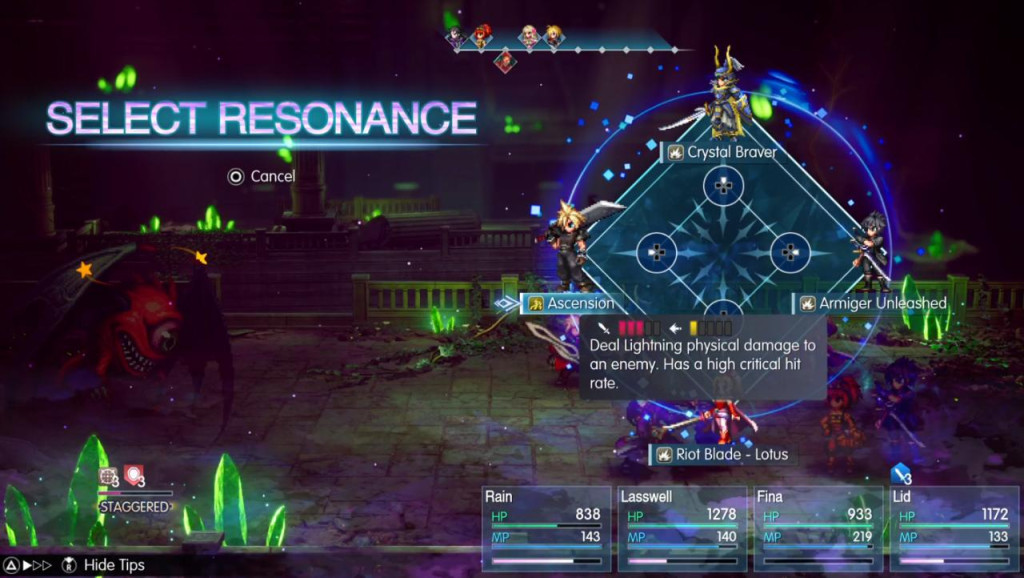
What truly sets Final Fantasy Resonance apart is its Sweeping Stagger mechanic. By successfully staggering all enemies within a single turn, players trigger the Sweeping Stagger state, which activates Resonance, unlocking the ability to harness the full power of their equipped Visions. Characters who inflict stagger can also generate bonus turns, creating opportunities to chain attacks together and maximize damage output. During these additional actions, players can build toward Overkill bonuses, rewarding efficient and aggressive play.
Combat performance is further incentivized through the game’s post-battle reward system. Encounters completed without taking damage, achieving an Overkill, or ending with enemies in a staggered state grant bonus rewards, including increased experience points, additional Gil, and extra Mastery Rank Points. These bonuses accelerate character progression, Vision development, and equipment acquisition, providing meaningful incentives for mastering the game’s combat mechanics rather than simply winning battles.
While the overall battle system feels polished and engaging, particularly for fans of traditional RPGs, a few mechanics feel somewhat dated by modern standards. The most notable example is the handling of enemy weaknesses. Rather than displaying them automatically after an encounter begins, players must first cast Libra to reveal elemental vulnerabilities and other combat information. Although this approach remains consistent with classic Final Fantasy design philosophies, it can feel cumbersome compared to more contemporary RPGs that provide this information upfront as a quality-of-life feature.
Protect The Crystals!
Final Fantasy Resonance embraces one of the franchise’s most beloved traditions with the return of a fully explorable world map. Upon leaving towns and dungeons, players are free to traverse sprawling continents on foot, ride Chocobos across the landscape, or eventually take to the skies aboard an airship. Much like classic Final Fantasy adventures, players can save their progress on the overworld, pitch a tent to recover their party, and encounter roaming threats throughout their journey.
Exploration incorporates several modern conveniences while preserving the spirit of its predecessors. Similar to Octopath Traveler, the game provides recommended level indicators for specific regions and dungeons, helping players gauge whether they are adequately prepared for upcoming challenges. Treasure is also scattered throughout the world, often marked by subtle visual cues that encourage careful exploration. Additionally, an extensive fast travel system allows players to revisit discovered points of interest with ease, reducing unnecessary backtracking without diminishing the sense of adventure.
While random encounters remain a core component of exploration, Final Fantasy Resonance introduces several quality-of-life features that make them less intrusive. A radar indicator on the minimap warns players when an encounter is imminent, providing valuable notice before combat begins. Interestingly, sprinting across the world map accelerates the encounter rate, creating a risk-reward dynamic where faster travel comes at the cost of more frequent battles.
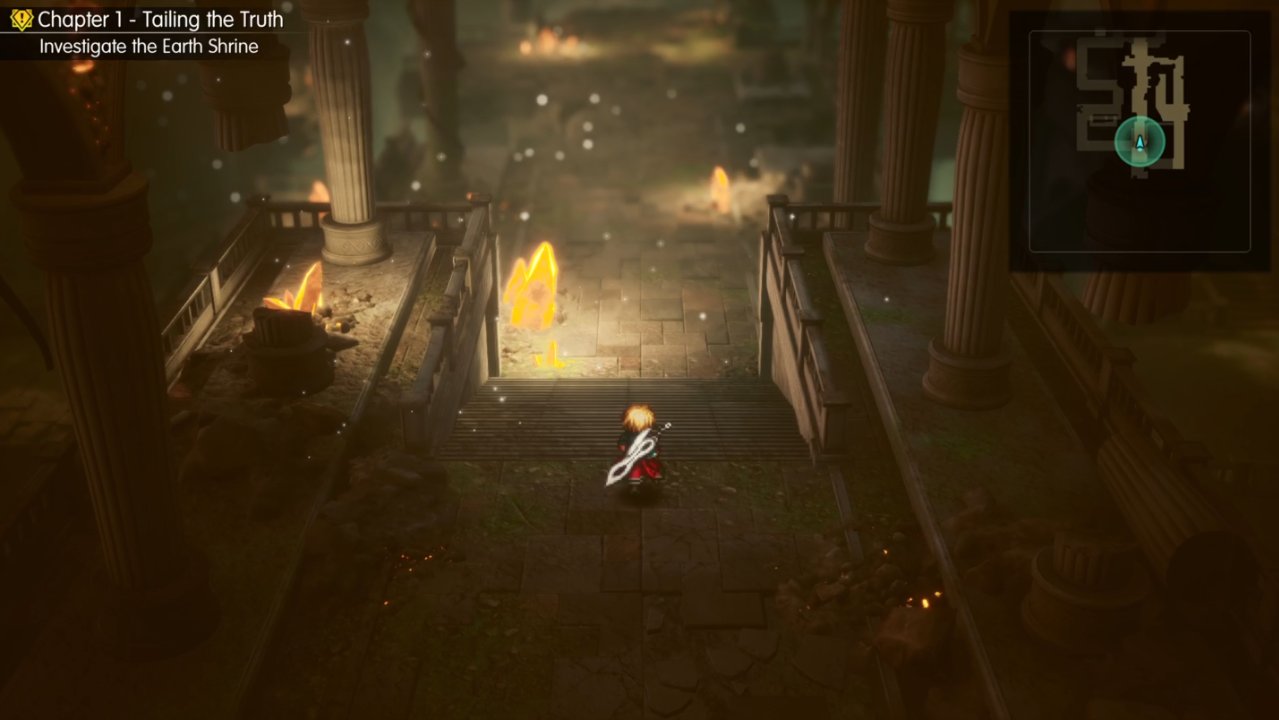
Throughout its design, Final Fantasy Resonance seeks to capture the feel of classic Final Fantasy titles while making the experience more approachable for modern audiences. Save points found within towns and dungeons serve as traditional checkpoints, but they also double as fast-travel nodes, allowing players to quickly move between previously discovered locations. This not only streamlines navigation but also reduces reliance on consumable escape items and minimizes repetitive dungeon traversal.
Exploration remains rewarding thanks to the abundance of hidden treasures scattered throughout both towns and dungeons. Players who take the time to thoroughly investigate their surroundings will often uncover valuable equipment upgrades, rare items, and useful consumables that can significantly strengthen their party. Numerous shops are available across the world as well, offering weapons, armor, and specialized services. Among the most notable is the Moogle Shop, where players can further enhance and develop their Visions.
Towns also serve as important hubs for gathering information. Speaking with NPCs can reveal the locations of hidden dungeons, powerful Espers, and additional Visions that might otherwise go undiscovered. Many residents offer optional side quests as well, providing deeper insight into the world’s lore and its inhabitants. While not required to complete the main story, these quests often reward players with powerful equipment and valuable resources, making them a worthwhile diversion for completionists and RPG enthusiasts alike.
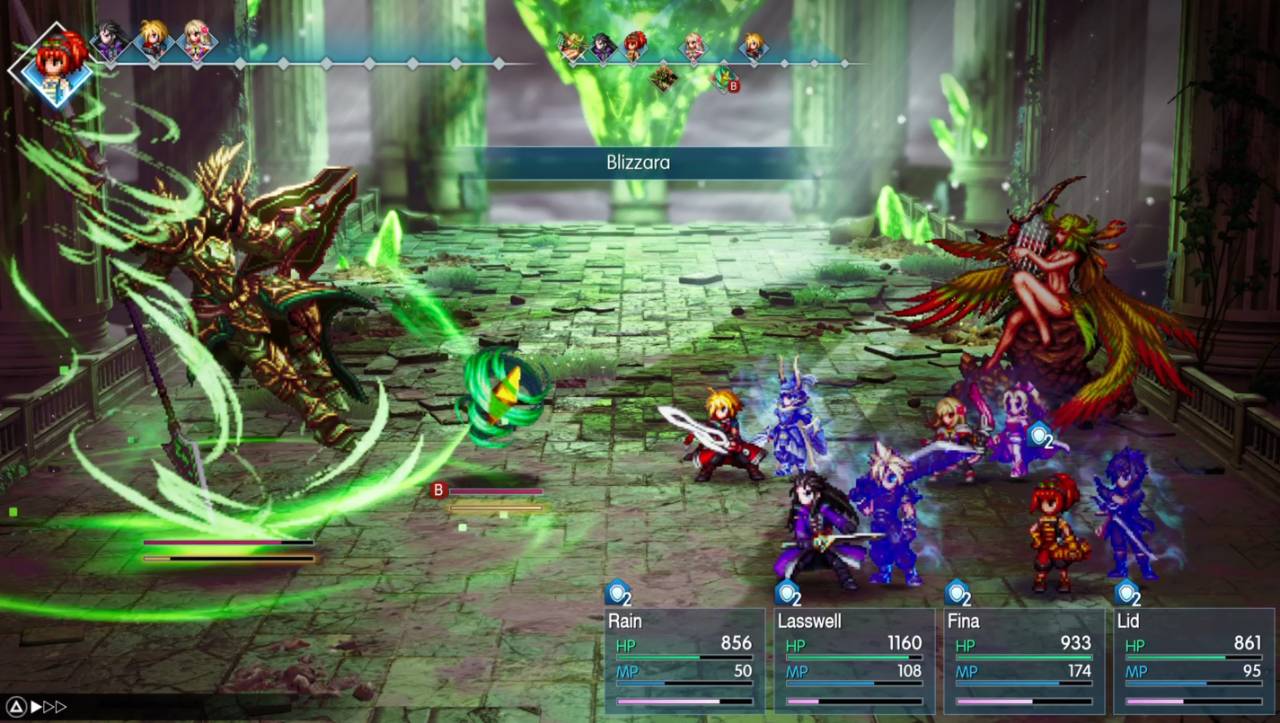
As players continue to expand their exploration of the world, they will eventually encounter one of Final Fantasy Resonance’s most exciting optional systems: Espers. These legendary beings are hidden within special sanctums scattered across the continent. After locating and unsealing these sanctuaries, players can challenge the Esper residing within. Defeating them in battle grants the ability to summon them during combat, unlocking powerful abilities that can turn the tide of even the most difficult encounters.
Apart from the main story, Final Fantasy Resonance features a wealth of optional content that rewards players willing to venture off the beaten path. One of the most notable destinations is the Oblivion Palace, where players can collect Tablets that gradually unlock access to increasingly powerful equipment. Those seeking a greater challenge can test their skills in the Colosseum, battling formidable opponents in exchange for rare and valuable rewards.
Final Fantasy Resonance also offers a substantial amount of endgame content. Special monster hunts hidden within remote caves reward players with Magicite, an essential resource for strengthening Visions. Meanwhile, the Hall of Arms serves as one of the game’s ultimate challenges, tasking players with defeating powerful superbosses to obtain some of the strongest weapons available. These activities provide meaningful goals beyond the main campaign and ensure that progression continues long after the credits roll.
Narratively, Final Fantasy Resonance follows a familiar Final Fantasy framework while incorporating storytelling elements reminiscent of Octopath Traveler. Although it diverges significantly from the original Brave Exvius storyline, its standalone narrative can occasionally feel predictable, particularly for players who are already well acquainted with Square Enix’s RPG catalog. Many of its major twists and story beats are easy to anticipate, drawing from themes and tropes that have long been staples of the genre.
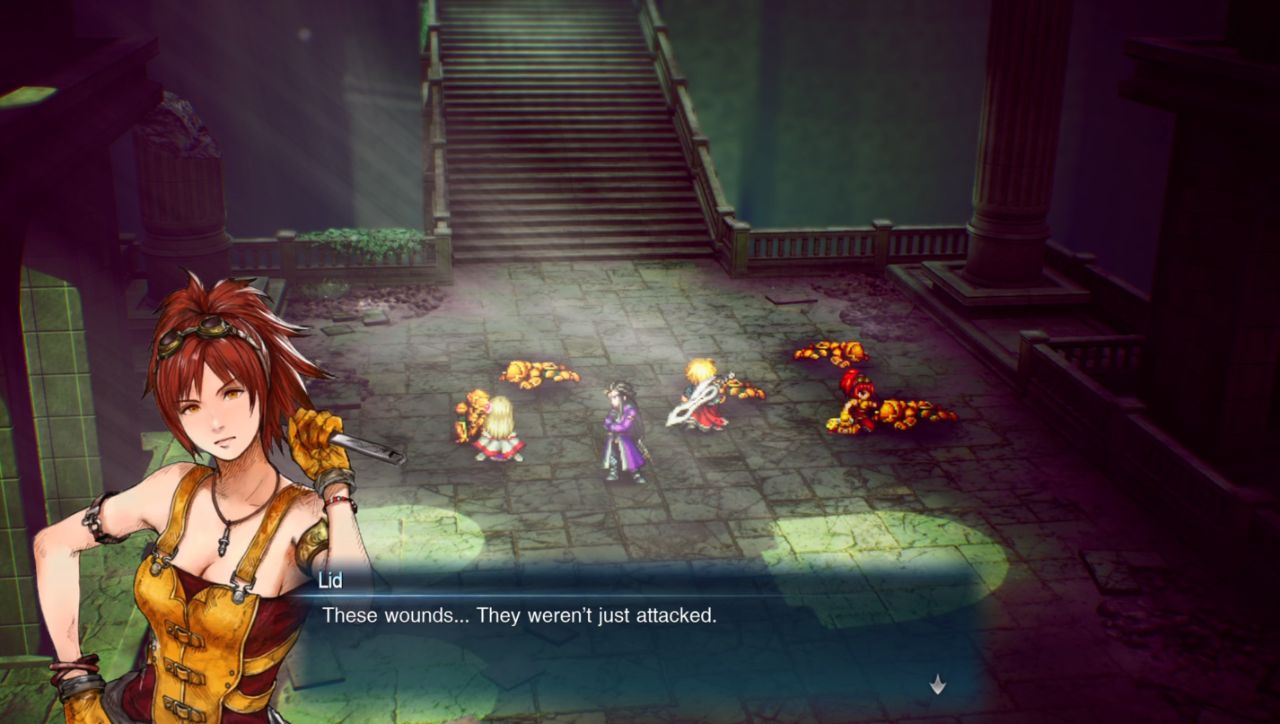
What ultimately elevates the story, however, is its cast of characters. Through optional quests, party interactions, and the game’s travel conversations, players gain deeper insight into the personalities, motivations, and relationships of the main party. These moments add welcome depth to the narrative and help the world feel more lived-in, making it easier to become invested in Rain, Laswell, and their companions as the adventure unfolds. By the latter half of the game, the strength of these character-driven moments becomes one of the campaign’s greatest assets.
In terms of pacing, Final Fantasy Resonance adheres to a fairly structured progression loop. Each chapter typically introduces a new region to explore, expands the roster of obtainable Visions, presents a major story objective, and culminates in a climactic boss encounter before opening up a new set of side quests. While this formula consistently provides a satisfying sense of progression, it can also become somewhat predictable, particularly during the middle portions of the campaign where the rhythm rarely deviates from its established pattern.
Fortunately, the strength of Final Fantasy Resonance’s combat, exploration, and progression systems helps offset this repetition. Even when the overall structure becomes familiar, the constant acquisition of new Visions, equipment, and party-building options keeps the experience engaging. Players who take the time to explore optional content between major story beats will likely find the pacing more enjoyable, allowing the adventure’s many strengths to shine through.
In terms of sheer content volume, Final Fantasy Resonance is remarkably expansive, offering anywhere between 40 to 70 hours of gameplay depending on a player’s completionist tendencies. Rebuilt from the ground up for consoles, the game significantly enhances the presentation of its mobile origins. Returning Brave Exvius players will recognize several CGI sequences adapted from major story events, but these moments have been integrated seamlessly into the experience and serve as a welcome addition for newcomers discovering the narrative for the first time.
Visually, Final Fantasy Resonance stands among the most impressive examples of the HD-2D style to date. The game’s detailed environments, expressive sprite work, and dynamic visual effects create a presentation that consistently feels modern while retaining the charm of classic RPGs. Its animation work is particularly noteworthy, allowing story scenes and character interactions to convey a level of emotion and spectacle rarely seen within the genre. Even without relying heavily on pre-rendered cinematics, the game delivers memorable dramatic moments through careful direction, visual storytelling, and strong artistic execution.

Equally deserving of praise is Final Fantasy Resonance’s soundtrack. From grand orchestral themes that accompany pivotal story moments to quieter tracks that enhance exploration and reflection, the musical score consistently elevates the experience. Whether underscoring emotional character scenes or amplifying the intensity of major boss encounters, the soundtrack plays a crucial role in bringing the world of Final Fantasy Resonance to life.
Accessibility is another area where Final Fantasy Resonance excels. Players of all skill levels can tailor the experience to their preferences through multiple difficulty options. Casual Mode provides a more welcoming entry point for newcomers and those primarily interested in the story, while Normal Mode offers a balanced challenge that encourages players to engage with mechanics such as Stagger and Resonance strategically. For veterans seeking a more demanding experience, Expert Mode significantly increases the difficulty and requires a deep understanding of the game’s combat systems, making it a true test of mastery.
Of course, one of the most prominent aspects of Final Fantasy Resonance is its heavy reliance on Final Fantasy nostalgia. From recognizable cities and story motifs to the Vision system itself, much of the game’s appeal is rooted in celebrating the franchise’s storied history. Legendary heroes, iconic abilities, and familiar callbacks are woven throughout the adventure, creating countless moments of recognition for longtime fans.

Fortunately, these nostalgic elements feel integrated into Final Fantasy Resonance’s core design rather than existing solely as fan service. The Visions, in particular, play a meaningful role within both the narrative and gameplay systems, making their inclusion feel purposeful rather than merely referential. While some players will inevitably connect more strongly with certain characters, games, or eras of the franchise than others, the references generally contribute to the broader themes of legacy and heroism that define the experience.
Verdict: Buy It!

What we liked:
- Beautifully rendered HD-2D title with the Final Fantasy brand
- Dynamic Sweeping Stagger system that adapts the Brave Exvius format into a single player title
- Sweeping soundtrack that carries you forward
What we didn't like
- Random encounters may be a dated mechanic for modern players.
- Story is standard fare.
- Mid-game pacing becomes predictable.
Final Fantasy Resonance builds on the foundation of Final Fantasy: Brave Exvius, transforming its source material into a fully realized console RPG while adding enough new ideas to stand on its own. The Vision system and Stagger Battle System add meaningful depth to both combat and progression, strengthening the connection between the game’s narrative themes and its gameplay mechanics.
Despite its modern refinements, Final Fantasy Resonance remains true to the core principles that have defined Final Fantasy for generations. Longtime fans will appreciate the numerous callbacks to beloved characters, iconic abilities, and familiar themes, while newcomers will find an engaging story, an expansive world, and accessible systems that make jumping into the experience easy. Complementing this is an exceptional presentation, highlighted by what is arguably one of the finest examples of HD-2D artistry to date. From its detailed environments to its striking visual effects and expressive character animations, the game demonstrates how effectively the timeless aesthetic can be adapted for modern audiences.
Ultimately, Final Fantasy Resonance is both a celebration of Final Fantasy’s storied legacy and a compelling RPG in its own right. With its engaging combat, expansive world, memorable cast, and stunning presentation, it delivers an adventure that feels both nostalgic and refreshingly modern.
*Final Fantasy Resonance was reviewed on a PS5 with a review code provided by the publisher.
