

Echoes of Aincrad Review
Table of Contents
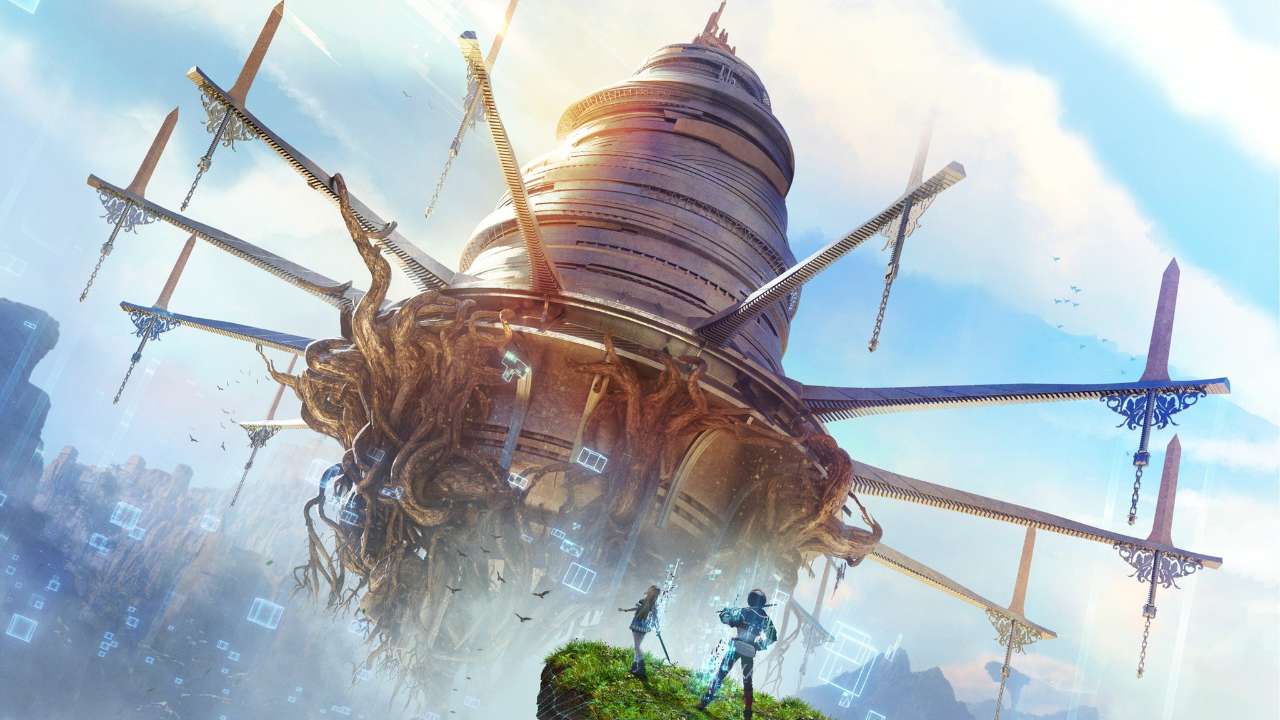
Echoes of Aincrad is the latest action RPG from Bandai Namco Entertainment and Game Studio Inc., inspired by the iconic anime Sword Art Online. Set once again within the legendary floating castle of Aincrad, the game introduces an all‑new cast of heroes while legacy figures such as Kirito, Asuna, and Kayaba Akihiko remain with influence to the world’s lore.
Revisiting the unforgettable first arc of Sword Art Online, players are thrust into a deadly VRMMORPG where 10,000 individuals are trapped, and where death in‑game means death in reality. Despite this danger, a new group of adventurers is tasked with the mission of defeating the God of Death or risk the collapse of Aincrad itself, along with the lives of every remaining player.
Will you risk your life to take up the challenge? Reminisce with us as we return to Aincrad in Echoes of Aincrad!
Return to the Death Game
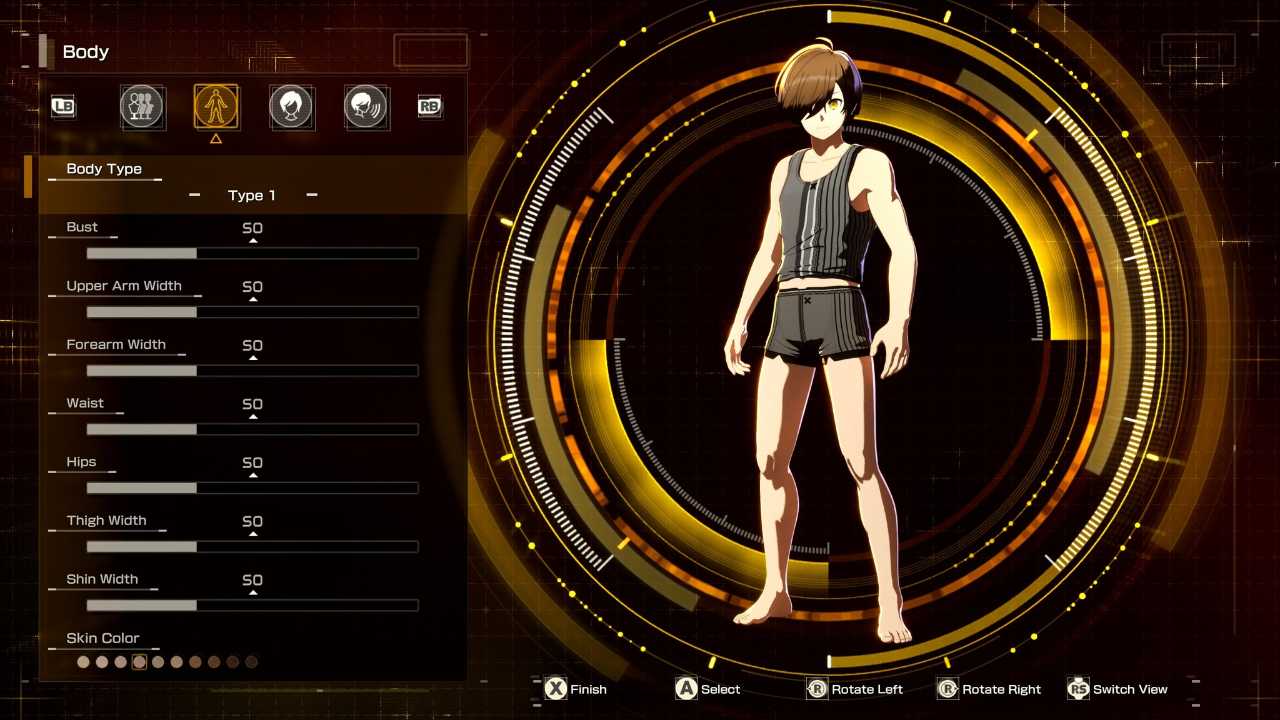
The premise of Echoes of Aincrad is a captivating one, particularly for fans of the Sword Art Online anime and light novel series. Rather than revisiting the familiar journeys of legacy characters, the game allows players to experience iconic arcs from a fresh perspective through their own custom‑created avatar. The adventure begins with a lengthy prologue set during the final days of the playable beta, serving as both narrative setup and tutorial.
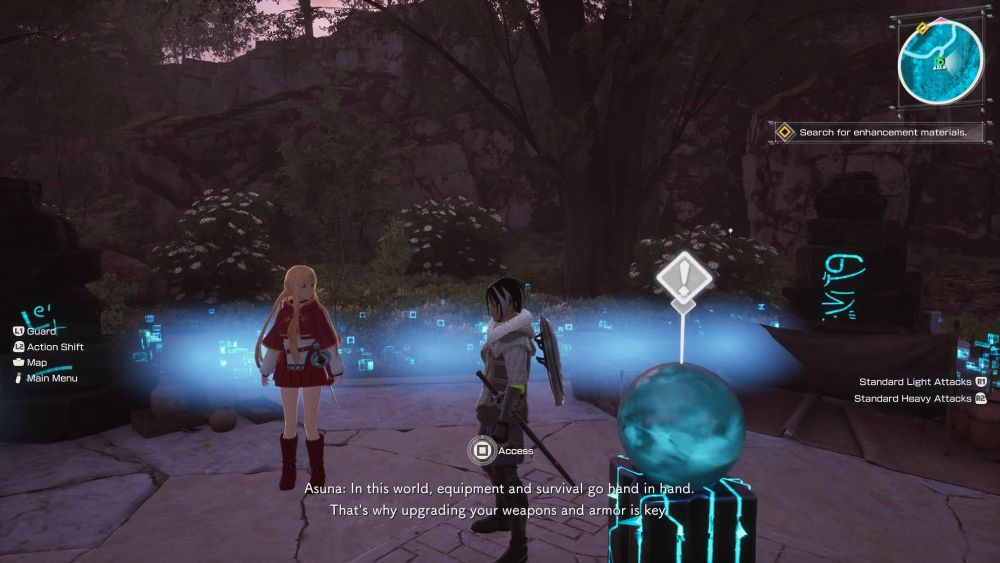
This prologue walks players through the fundamentals, such as accepting quests, navigating areas with a partner, defeating bosses, and returning to town with loot and experience. The loop mirrors the structure of traditional MMORPGs, and while initially forgivable as a tutorial, it is extremely drawn out and quickly becomes tiresome. Characters are introduced with little fanfare, and the story takes its time to build momentum.
Unfortunately, this slow burn really undermines Echoes of Aincrad’s opening hours. The first dozen hours are plagued by repetitive fetch quests and monster hunts, leaving little room for dramatic tension or the build up that allows the premise to shine. For veterans familiar with Sword Art Online, the plot feels predictable, while newcomers may find the repetition uninspired compared to other action RPGs.
The world itself is divided into towns, overworld zones, and dungeons. The overworld resembles a typical MMO landscape but lacks freedom of exploration, offering only treasure chests, mini‑bosses, and codex entries that unlock side quests. Much of the terrain feels empty, with combat encounters quickly blending into monotony. Mapping these areas is tedious, requiring activation of “safety zones” for fast travel, and uniform backdrops often lead to frustrating backtracking.
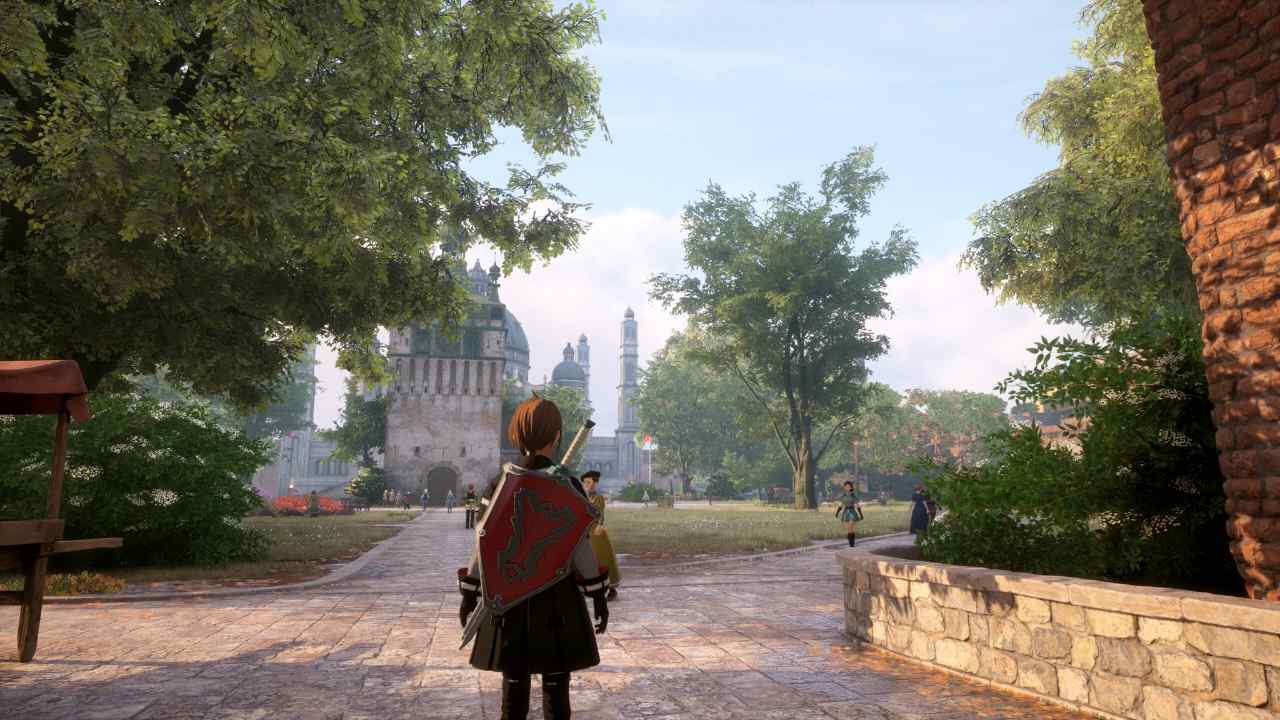
Dungeons in Echoes of Aincrad fare a little better. Though marketed as randomly generated, their layouts feel basic, with exits predictably located in the northern section of the map. Repeated runs quickly devolve into a slog, especially since the level design is fairly generic.
Towns, meanwhile, are bare‑bones hubs with only four points of interests such as the smithy, item shop, inn, and mission teleporter, offering minimal activities beyond side quests and story progression.
Side quests themselves rarely deviate from the formula, resulting in more fetch‑and‑fight tasks that reward players with schematics or crafting materials. While convenient teleportation streamlines completion, the lack of variety makes them feel like extensions of the main loop rather than meaningful diversions.
Fight to Survive!
Combat forms the core of Echoes of Aincrad, with a majority of the gameplay dedicated to traversal and battle. True to the Sword Art Online setting, magic is absent, and encounters rely entirely on melee combat. Players can choose from six weapon types, such as one‑handed swords, rapiers, bludgeons, daggers, two‑handed swords, and two‑handed bludgeons, each scaling with either dexterity or strength. Progression allows stat distribution across offense, vitality, and reflexes, shaping your build as you advance.
You begin with a one‑handed sword, but unlike Kirito, dual‑wielding is not available. Shields and armor provide players with defensive options, along with blocking, parrying, and dodging being essential for survival. Combat itself is straightforward as playes will simply revolve around the loop of engage, attack, defend, and loot.
Enemy tiers in Echoes of Aincrad range from basic mobs to elites, mid‑bosses, and multi‑phase bosses. While standard foes behave predictably, bosses introduce more complexity, shifting attack patterns and requiring limb‑breaking mechanics to progress through phases.
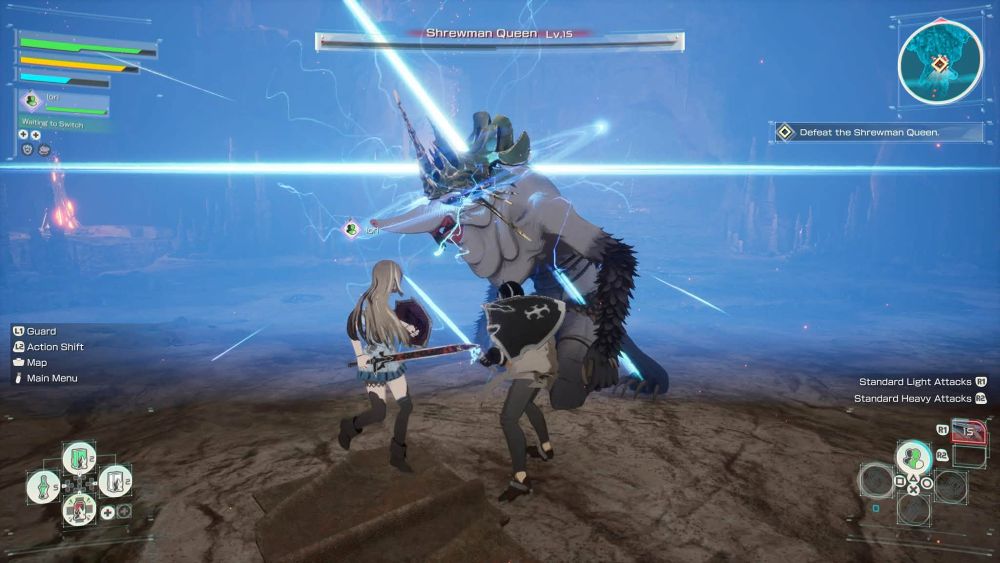
Status effects are a pretty nice touch in Echoes of Aincrad, as blindness obscures vision, paralysis halts movement, and poison or burn steadily drain HP. Sword skills, usable across weapon types, consume SP and stamina but deliver powerful strikes, with upgrades enhancing their potency up to level five. Partner mechanics also play a role: companions can be equipped, leveled, and contribute support or combination skills, from healing to devastating joint attacks.
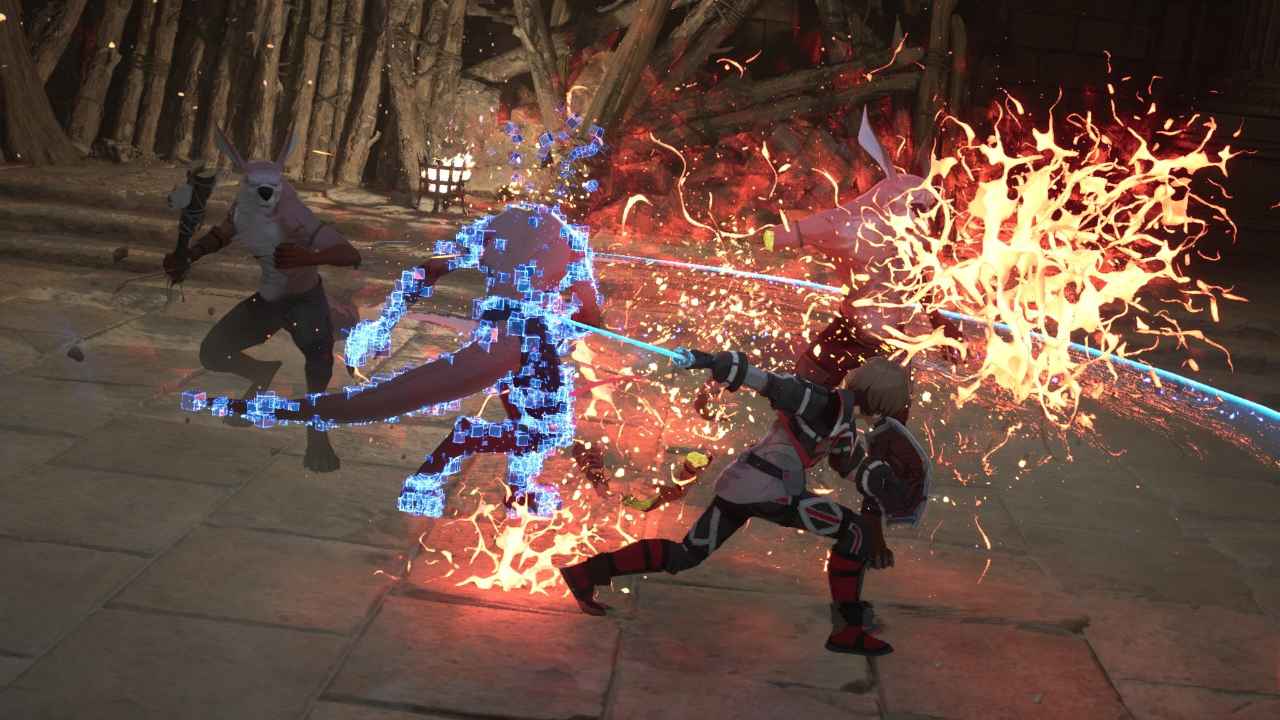
Despite these systems, combat often feels repetitive in Echoes of Aincrad. The lack of variation, coupled with extended traversal and fetch‑quest design, makes early missions drag. Enemy AI and partner AI are rigid and predictable, sometimes hindering progress by locking you into prolonged engagements. The experience eventually improves as more options unlock, but it takes 8–12 hours before the pace meaningfully picks up, which is almost never a good sign.
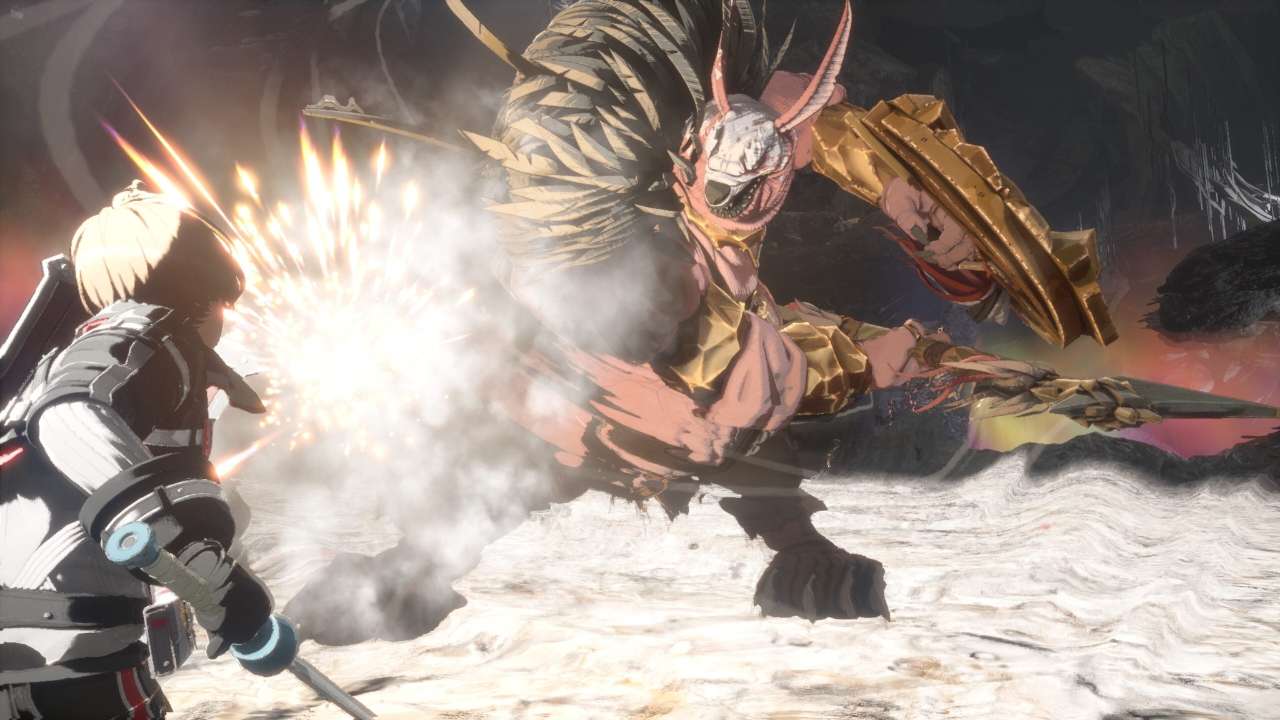
The Way Out
The pacing in Echoes of Aincrad improves around the halfway mark, when the story finally gains momentum and gameplay systems begin to shine. Higher‑rarity loot becomes available, crafting takes on greater importance, and EX‑Mods or stat bonuses can be carried over to upgraded weapons. Advancing your cardinal class unlocks further enhancements, while legendary weapons introduce powerful effects such as HP or SP restoration on strikes or kills.
Oddly, armor cannot be looted and must be crafted, though doing so expands defensive options and grants protection against status ailments. Cosmetic customization is also present, allowing players to transmog gear and retain preferred costumes, which is a very welcome touch of personalization.
However, many mechanics are gated behind side quests, including sword skill upgrades and costume changes, which feels unnecessarily restrictive. Companion affinity is underdeveloped, with no dedicated quests to deepen relationships or expand partner abilities. Other design choices add to the frustration, as towns cannot be exited without an active mission, fall damage teleports you back to your previous position regardless of height, and item‑based traversal abilities (like air dashes or bombs) are tied to consumables rather than permanent unlocks. Even basic functions such as stat upgrades and equipment management are confined to the inn, slowing down progression.
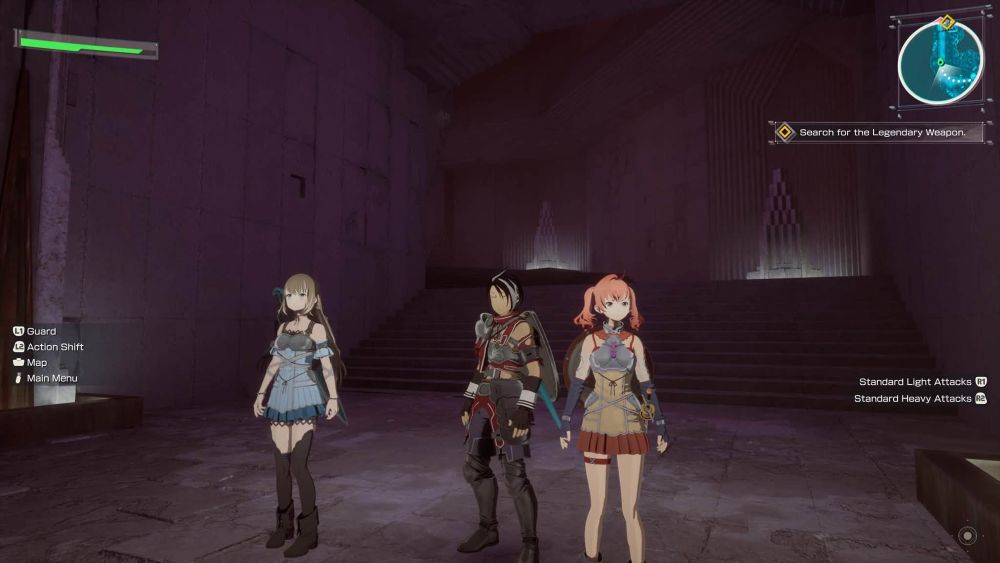
While these decisions aim to preserve the authenticity of the Sword Art Online experience, they often make the game feel unwieldy. Just when you think you’ve got good momentum building up, these restrictive systems pull it back, leaving players with a bad taste.
Narratively, the story does improve later on, introducing legacy characters such as Kirito, Asuna, and Silica as optional partners. The plot grows stronger toward the finale, though it remains overshadowed by the original Sword Art Online storyline.
The main campaign runs 24–30 hours, with additional post‑credits content including high‑level quests, stronger EX‑Mods, and a super boss that completes the overarching narrative. While this late‑game material is appreciated, much of it could have been introduced earlier to sustain engagement.
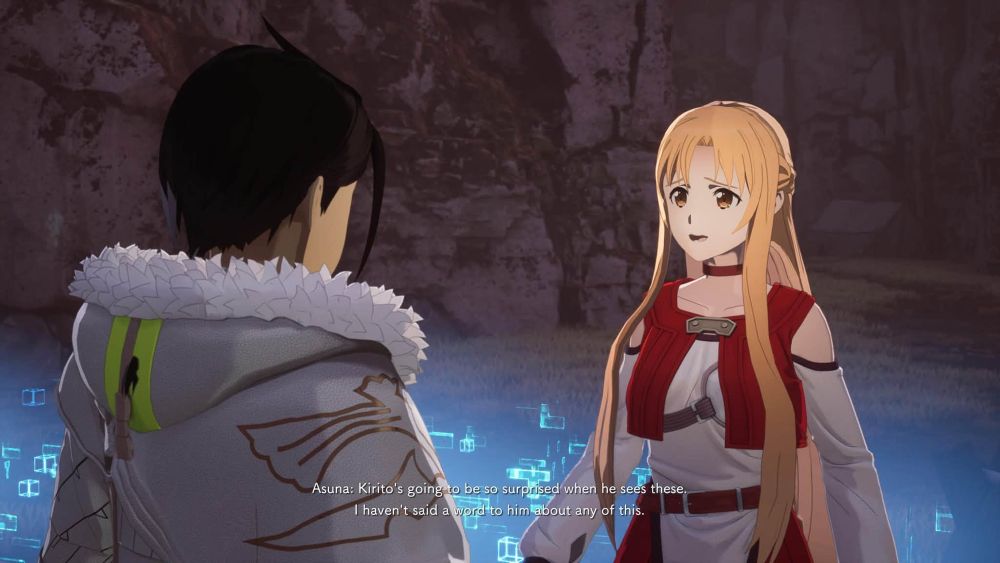
Technical issues further dampen the experience in Echoes of Aincrad. Frame rate drops during heavy action, clipping, and graphical glitches are common, leaving the game feeling like a release from the 2010’s than a modern RPG. With so many contemporary titles having already solved these problems, it’s quite baffling that Echoes of Aincrad struggles to move past.
Ultimately, while the game shows flashes of promise in its later stages, its uneven pacing, restrictive design, and technical shortcomings make it a frustrating experience.
Verdict: Wait For It…

What we liked:
- Original story set in the Sword Art Online world.
- Addition of familiar characters from the series.
What we didn't like:
- Sluggish pacing.
- Tedious gameplay.
- Questionable and dated design choices.
- Leans too heavily on the Sword Art Online name to carry the game.
Echoes of Aincrad is a mixed bag, with a strong concept undermined by incomplete and dated execution. The idea of experiencing Aincrad through a custom character, representing one of the 10,000 trapped players, is compelling. Yet the game leans too heavily on the Sword Art Online legacy to carry its weight.
At its best, the title offers glimpses of originality, which is an alternate storyline within the familiar universe, flashes of engaging combat, and interactions with beloved SAO characters. Unfortunately, these moments are overshadowed by sluggish pacing, repetitive gameplay, and questionable design choices that dilute the experience.
For dedicated fans, Echoes of Aincrad may still hold appeal, but patience, and perhaps waiting for a discount, is advised. Despite my hopes, the game rarely delivers on its promise. Much like the stranded players of Sword Art Online awaiting Kirito’s intervention, the breakthrough moment never truly arrives.
*Echoes of Aincrad has been reviewed on a PS5 with a review code provided by the publisher.
