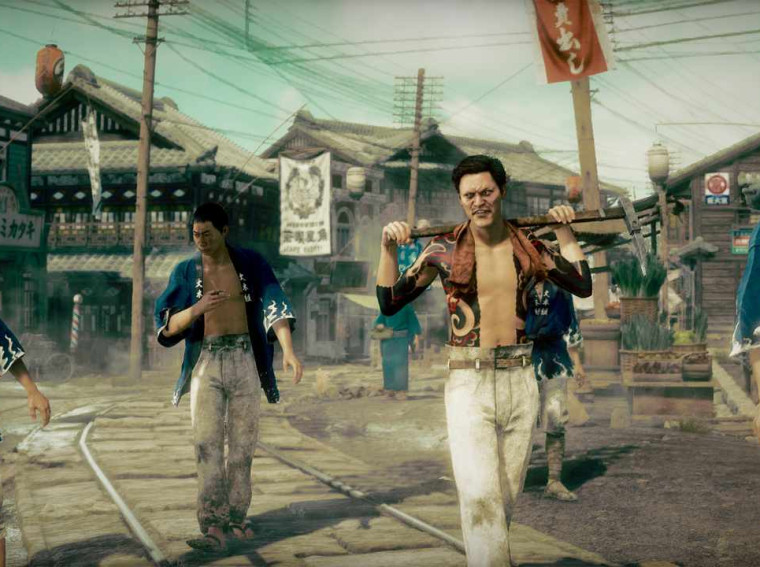
When RGG Studio first unveiled Stranger Than Heaven, fans immediately noticed how different it felt from the studio’s previous work. Set across five eras and spanning half a century, the game follows protagonist Makoto Daito, a Japanese-American outsider whose personal journey unfolds alongside the origins of one of gaming’s most iconic criminal organizations.
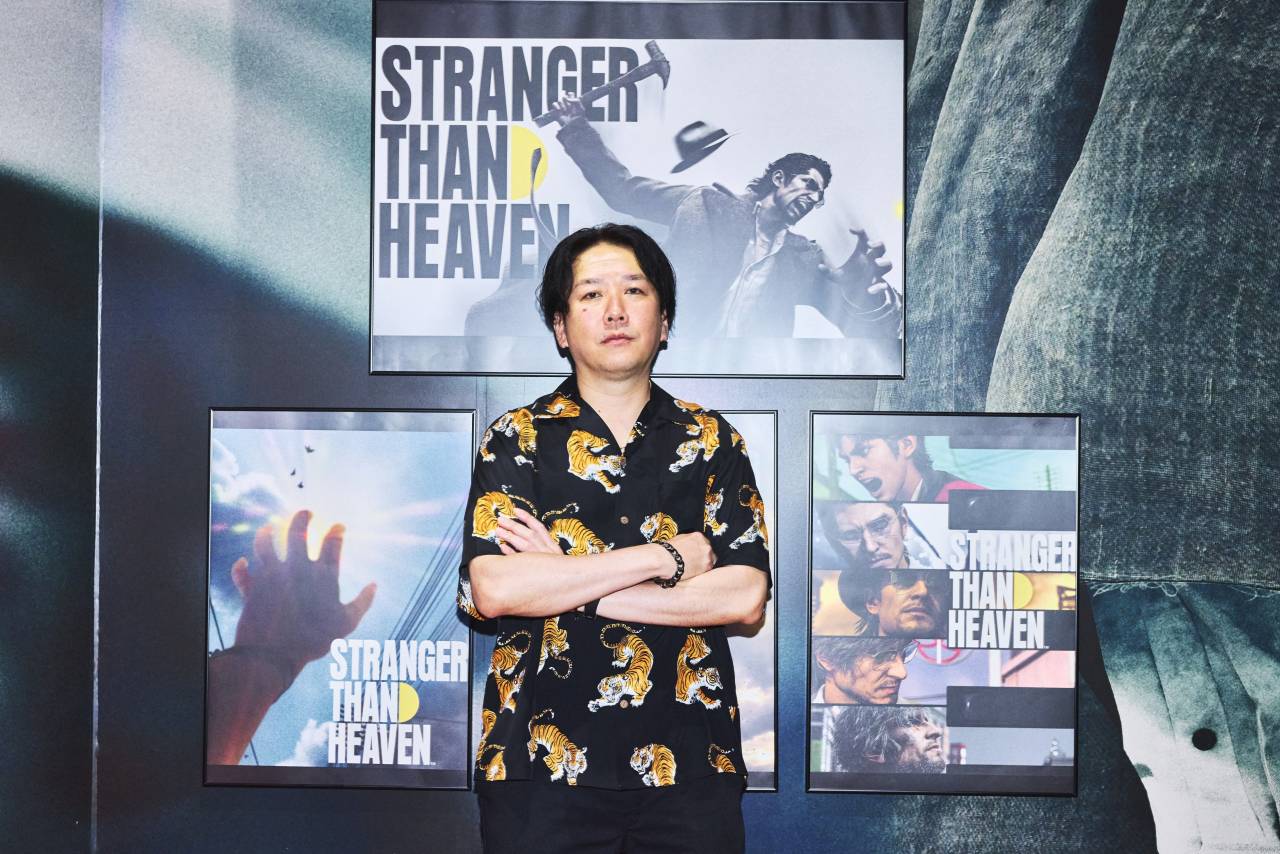
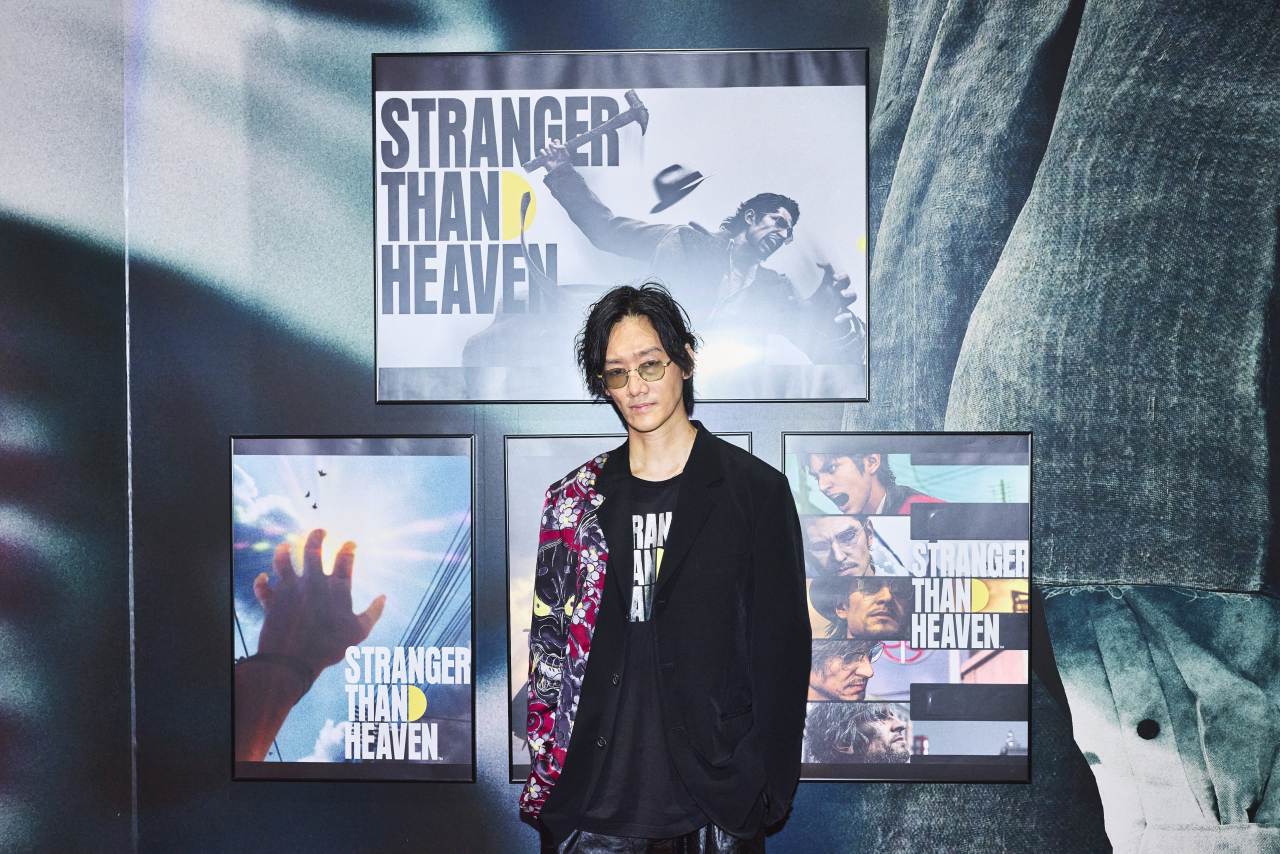
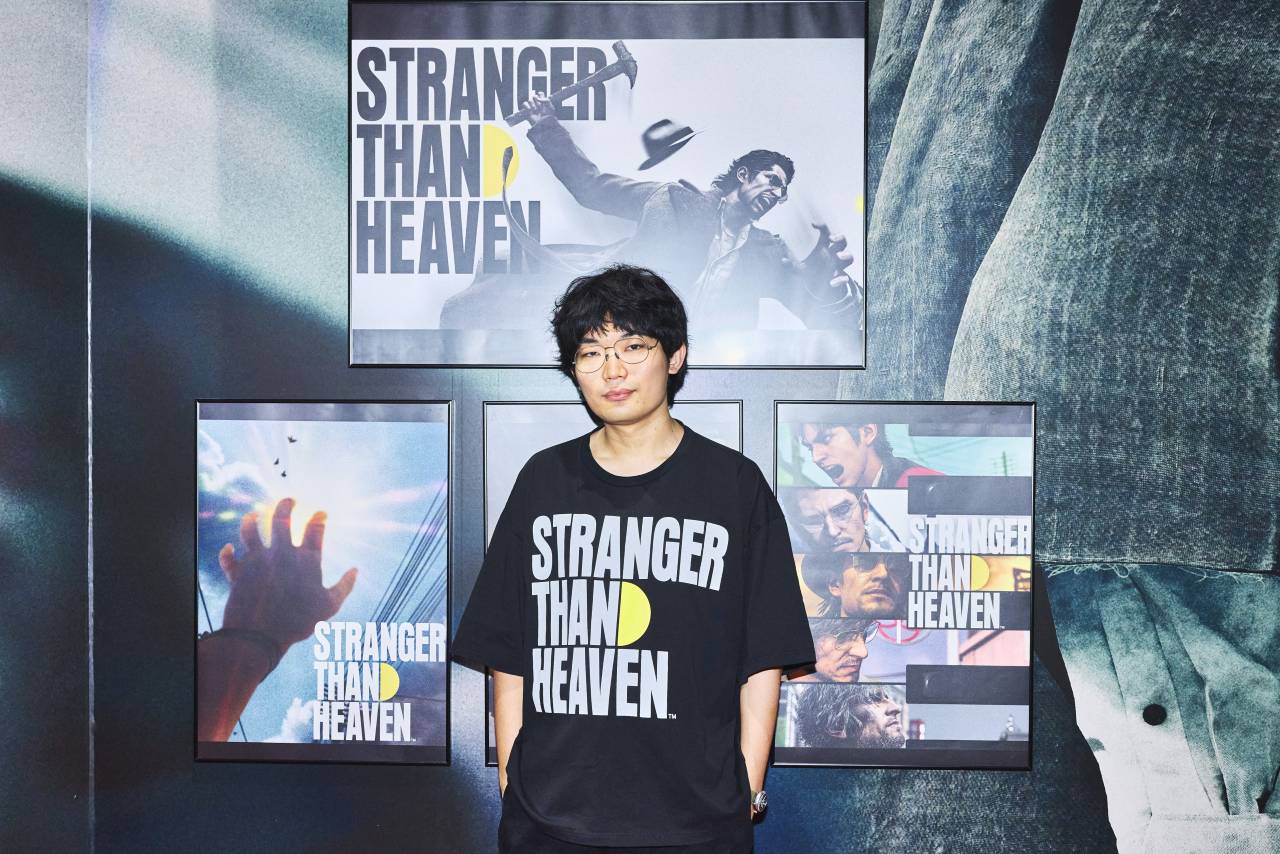
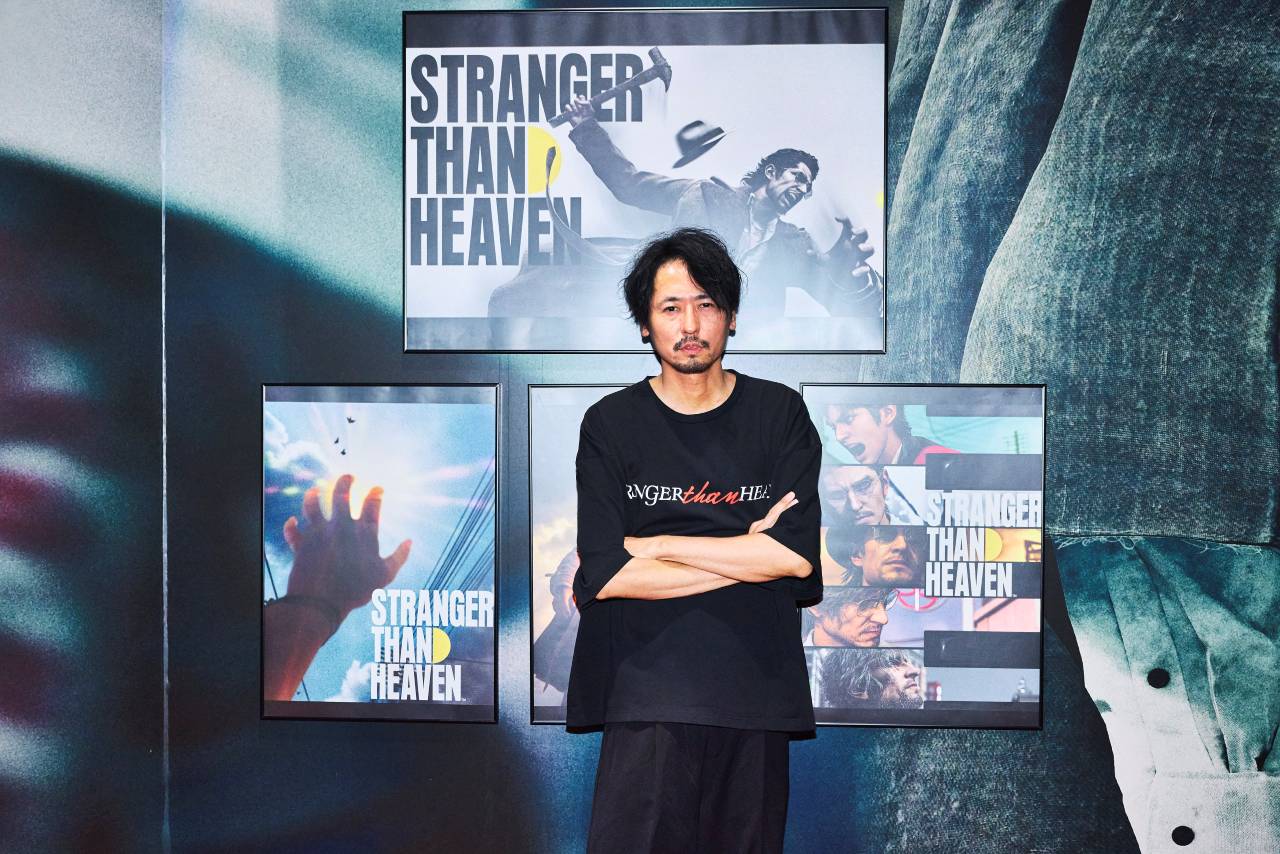
During a recent media roundtable at Tokyo Game Show, Producer Hiroyuki Sakamoto, Chief Director Ryosuke Horii, Director Motonobu Abe, and Art Director Taishi Kanaya shared new details about the game’s themes, combat, music systems, art direction, and why RGG Studio felt that a story this ambitious could only be told across 50 years.
A Story About Identity
While Stranger Than Heaven will naturally attract attention for exploring the roots of the Tojo Clan, Sakamoto stressed that the game is ultimately much more personal.
“This time, y’know, it’s not really fully surrounding one family.” While the team wanted to explore “how the Tojo Clan was made” and the history behind it, the real challenge was creating a believable protagonist capable of carrying such a sweeping narrative.
That challenge came in the form of Makoto Daito, a character of mixed Japanese and American heritage.
One of the most difficult aspects of development was ensuring that Daito’s bilingual background felt natural throughout the story. The team paid close attention to how he would interact with the people around him, as well as how his experiences with hardship, discrimination, friendship, and belonging would shape him over time.
“The hardest part is making sure they teach the language part because he’s bilingual. How he interacted with people surrounding him, how to carefully put that and make it natural. It was something that’s pretty difficult.
“When writing this, it’s about a man trying to find his own place. Of course, it’s gonna be that he felt hardships and discrimination, but also how he meets some of his friends or some of his allies, and making sure that’s dramatic. It’s making sure it’s ‘RGG-style’ but making sure that it is carefully and correctly put in place.”
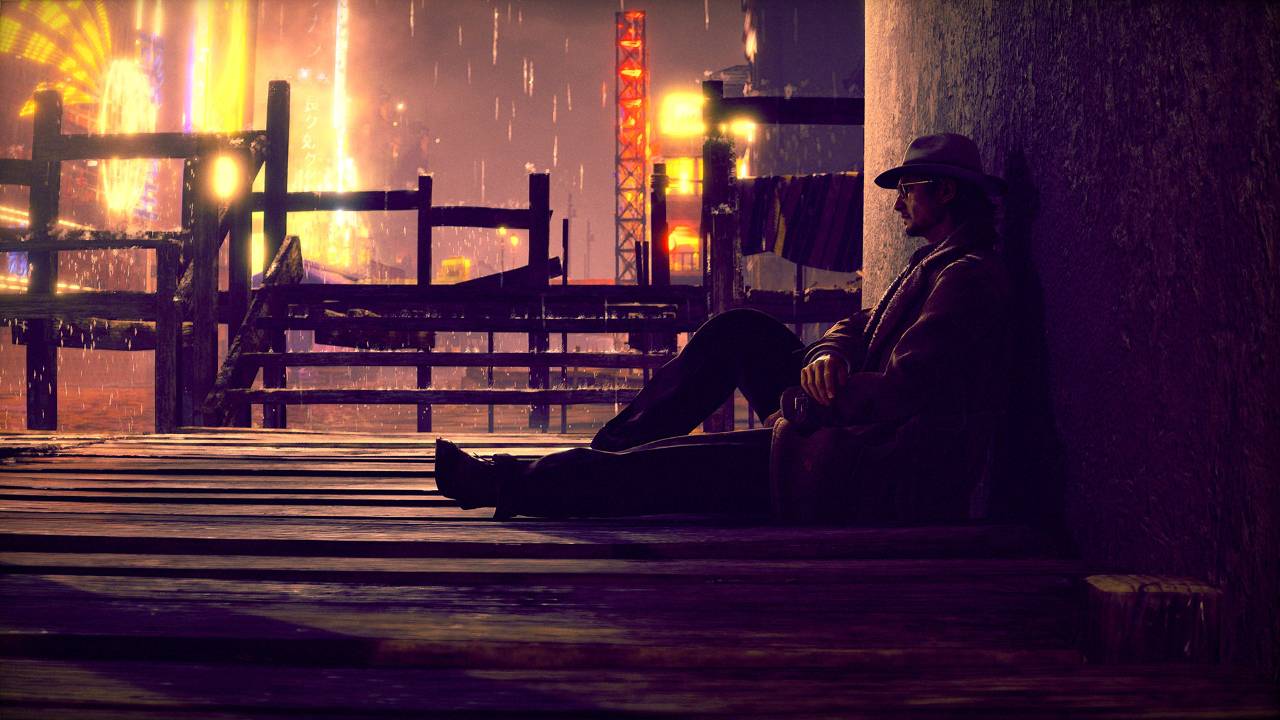
The team also explained why only one main language option is in Stranger Than Heaven.
“Makoto, the main character, comes from America and ends up in Japan. English is his first language. Japanese is his second language. With that character setting in place, dubbing wasn’t really going to work if you have a person that’s trying to pick up a new language and trying to dub that with a perfect Japanese actor. That really doesn’t match, so that’s why it’s not an option. The game was mixed with one voice selection. Japanese and English isn’t the only language that will be localized. We’ll have it all in subtitles.”
The scale of the narrative also introduced challenges the studio had never faced before.
“This is a story about one person’s 50 years of life,” Sakamoto said. “If I’m 50 years older, my personality is gonna change. The world has changed, the technology, the era, the culture, what is acceptable and what’s not.”
“So in trying to put that into one game of this scale of 50 years, we were really trying to make sure it felt right and in place for each of the eras. That was one of the most difficult parts when they were making this game.”
Because the game follows Daito through five decades, the team needed to ensure every era felt authentic, not just visually but emotionally. The result is the longest-spanning story RGG Studio has attempted.
Interestingly, the developers didn’t begin development with the goal of telling a 50-year story.
“We didn’t even start by ‘let’s make this 50 years,'” Sakamoto revealed. “We’re like, ‘we need to do 50 years of his life in order to really capture everything and bring that to life.'”
The Search for Belonging Drives Everything
If there’s one recurring theme that emerged throughout the discussion, it’s that Stranger Than Heaven is fundamentally about identity, and the entire experience is like a reflection on life itself.
“What is life? Life is a mixture of happiness, sadness, struggle, but ultimately life is finding your place. Where you belong. Your position,” Horii says.
Because Daito exists between two cultures, his struggle is one of constant alienation. He begins his story as an outsider, never fully fitting into any group, and the game explores how that feeling evolves throughout his life.
“What do you feel when you’re struggling a lot, what is important to you, after all this struggle what sticks with you? It’s basically trying to capture that, and that’s why the storyline is 50 years long. It’s also that the different eras place different challenges for him, how he struggles with that, and how what he finds happiness.”
The directors repeatedly emphasized that Daito’s search for a home, both physically and emotionally, forms the foundation of the entire narrative.
“The theme is about his identity and finding a home or his own place because he’s going through life and struggles. The whole core part of the storyline is how he faces that. How he finds his identity is definitely the core theme of the game itself. “
The team added that Daito’s growth isn’t defined solely by hardship. Throughout the game, he encounters people living vastly different lives, and seeing their experiences inevitably shapes his own worldview.
“He also meets many people with very good backgrounds, they are happy with their life. That leaves a mark on him, “that’s a different lifestyle that they’re having.” It formulates what he also desires. That’s also part of seeing different relationships and lifestyles that are completely different from Daito’s, that also changes his views about life. It’s not only struggle, but he’s also seeing that different side, and that also makes him mature.”
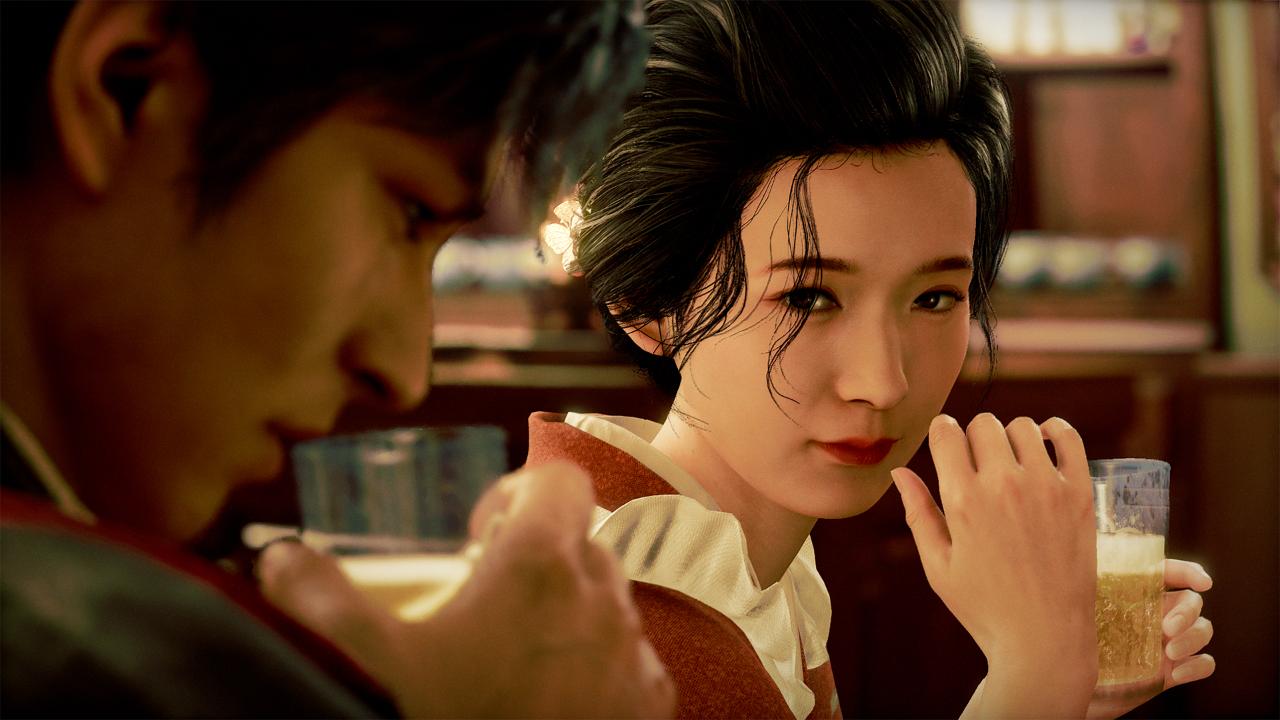
Music Becomes the Universal Language
One of Stranger Than Heaven’s biggest surprises is the prominence of music and entertainment.
Players will be able to collect sounds from the world, create music, recruit performers, and produce shows, systems that might initially seem unusual for a story centered around organized crime and personal struggle, but it turns out to be the perfect thematic fit.
“The reason why we used music is because it’s a non-verbal language in a sense. It goes over language and it moves people.”
Because Daito arrives in Japan as an English speaker struggling to find acceptance, music becomes a bridge that allows him to connect with others despite cultural and linguistic barriers.
“Music was the key part of him trying to basically engage with or being part or getting himself known in the new place that is Japan.”
In many ways, music becomes Daito’s first true identity in Japan.
“He was coming from the outside, he’s out of his comfort zone, but music was his kind of core that got him accepted in Japan. That’s why music is very important.”
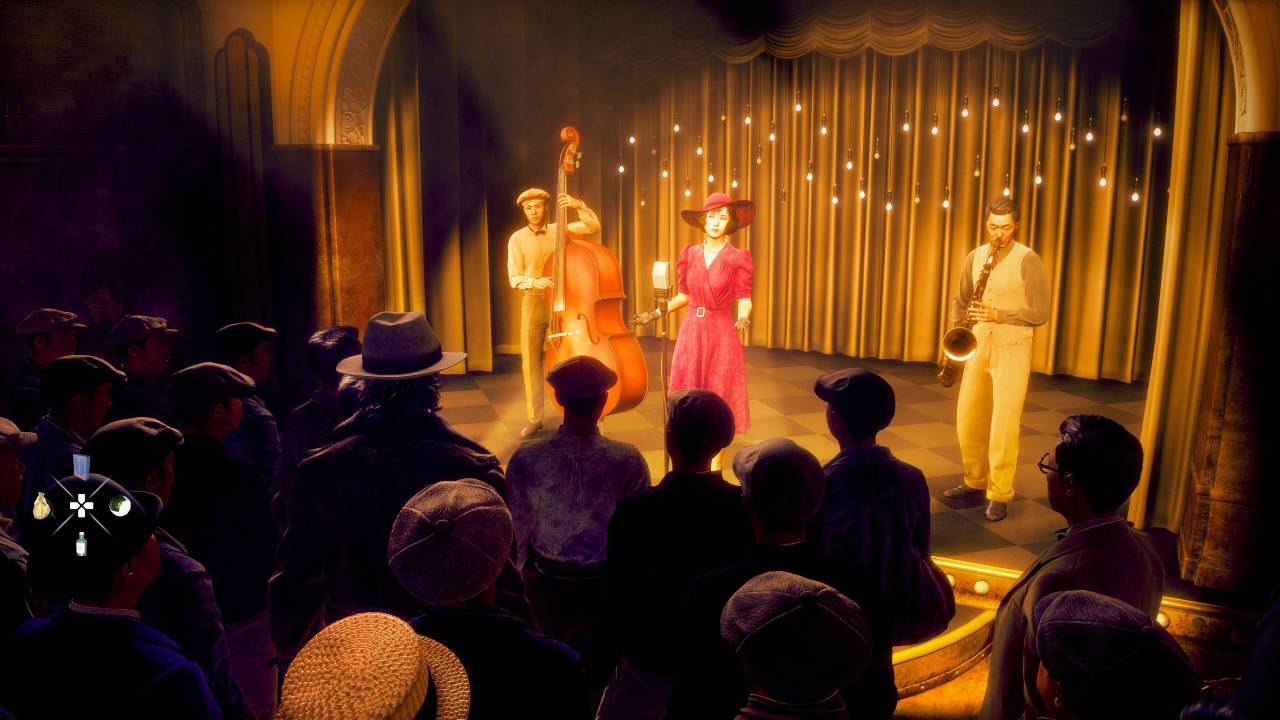
The theme extends beyond the narrative. Musical motifs can be found throughout the game’s presentation, from UI design elements to health bars shaped like vinyl records, reinforcing the importance of music throughout the entire experience.
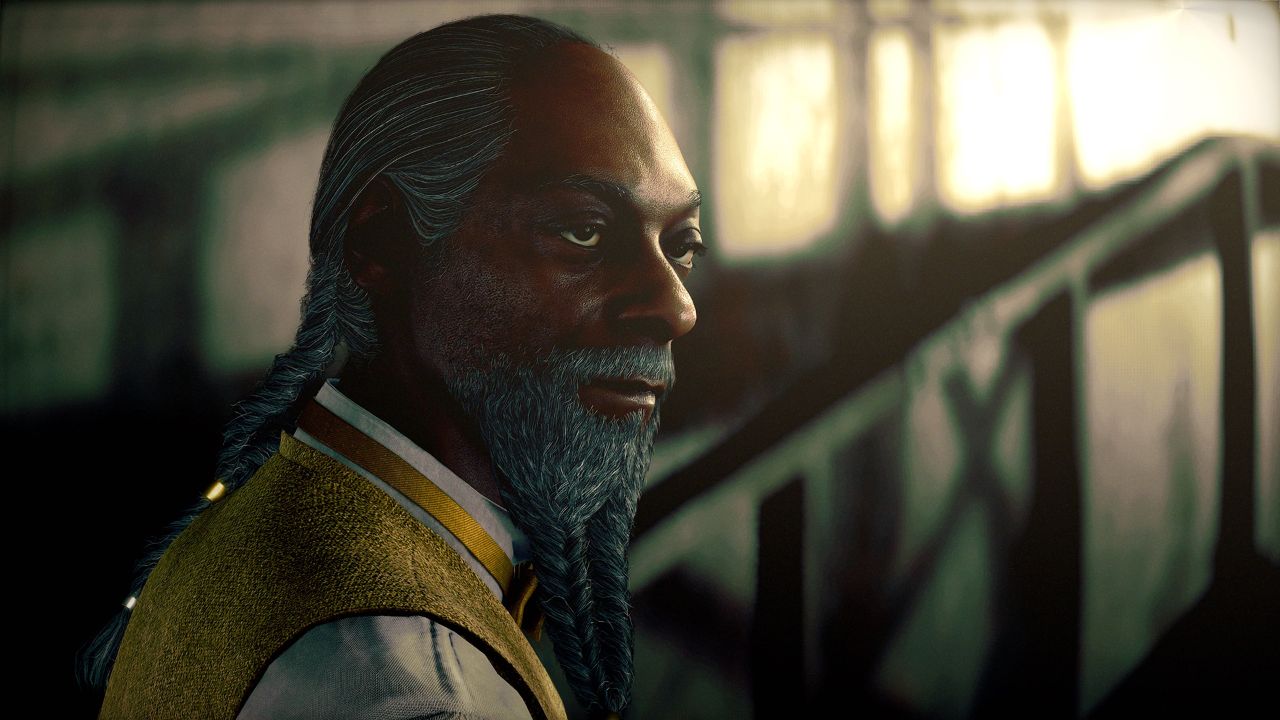
The show’s focus on performance also influenced casting decisions, helping explain how the team ultimately assembled an impressive lineup that includes Snoop Dogg, Tori Kelly, Ado, and Cordell Broadus.
“The showbiz, the singing is very important in this game. We needed cast members that were as good as artists. They could sing. They also have to act.”
After extensive discussions and negotiations with each performer, the studio successfully brought them on board.
“We were careful. We explained what role they would be playing, what emotional aspect we were looking for, not just as artists, but as persons in the game. We were able to get everyone on board, and we all still think this is a miracle that it happened.
Five Cities, Five Eras, One Distinct Visual Identity
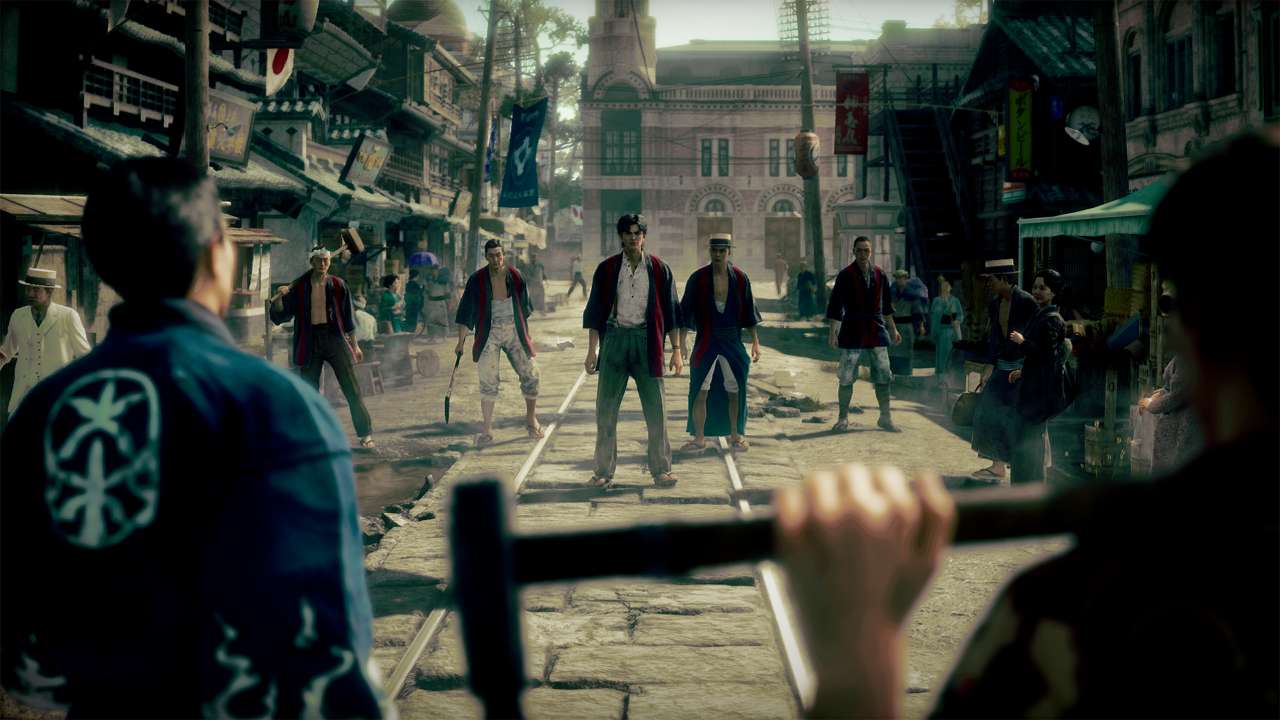
Creating five different Japanese cities across five eras was another major undertaking for the team.
Art Director Taishi Kanaya explained that the primary goal was ensuring each location felt completely unique.
“When we started building, we were trying to make it so each of these cities are completely distinctinve enough that you would have a completely different feel from each of the cities.”
Achieving that required extensive research trips and historical reference gathering. However, simply recreating real-life locations wasn’t enough because, in a game design aspect, recreating an actual map is not as fun.
“We had to tweak certain aspects to make it fun, sometimes bend a little bit of the truth of what happened in the city itself,” Kanaya said.
The challenge became finding the balance between authenticity and enjoyable game design while still respecting each city’s identity.
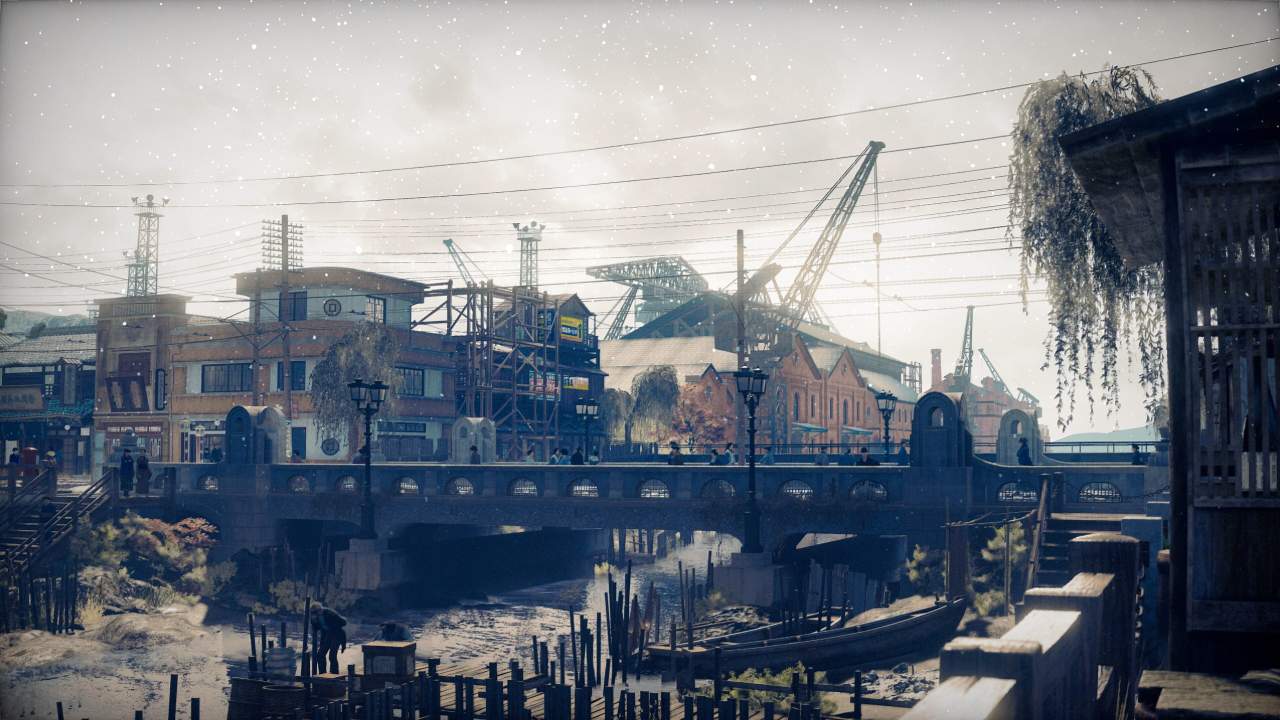
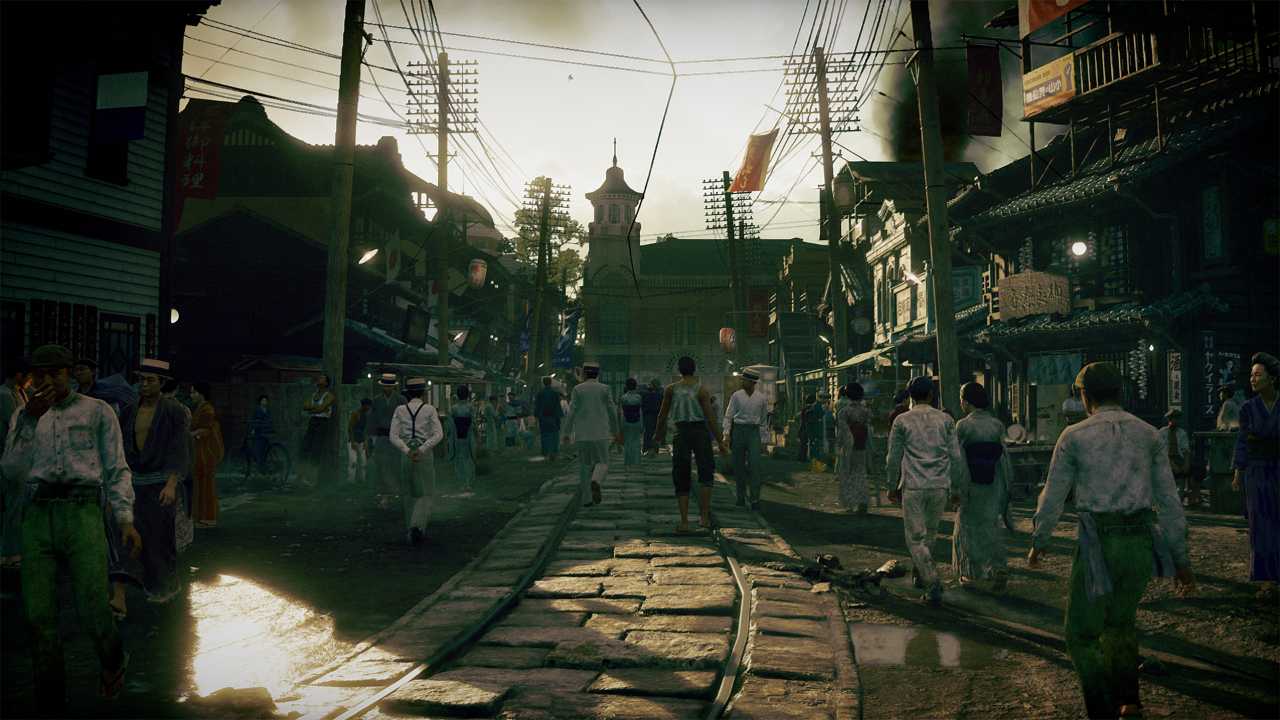
The game’s overall visual aesthetic also represents a departure from the photorealistic approach fans may associate with previous RGG Studio projects.
Sakamoto cited Japanese artists from each represented era as major influences, particularly their treatment of lighting and atmosphere.
“It’s not really the most photorealistic side of things,” he explained. “It’s more of an artsy style that’s taken into this game.”
That shift wasn’t easy given the team’s reliance on the Dragon Engine, which traditionally powered the studio’s previous titles. This style wasn’t something they had done before, so working with the programmers and designers was key to capturing the correct visual aesthetic.
In one of the interview’s more amusing revelations, Kanaya shared that some of the game’s visual identity originated from a development bug.
“There was a bug that was happening on the game screen where it’s very bright green-ish… it was buggy” he recalled.
Yokoyama’s response? “That’s kinda new, kinda interesting, kinda cool.”
“Maybe this is the inspiration that we were going for,” Kanaya said.
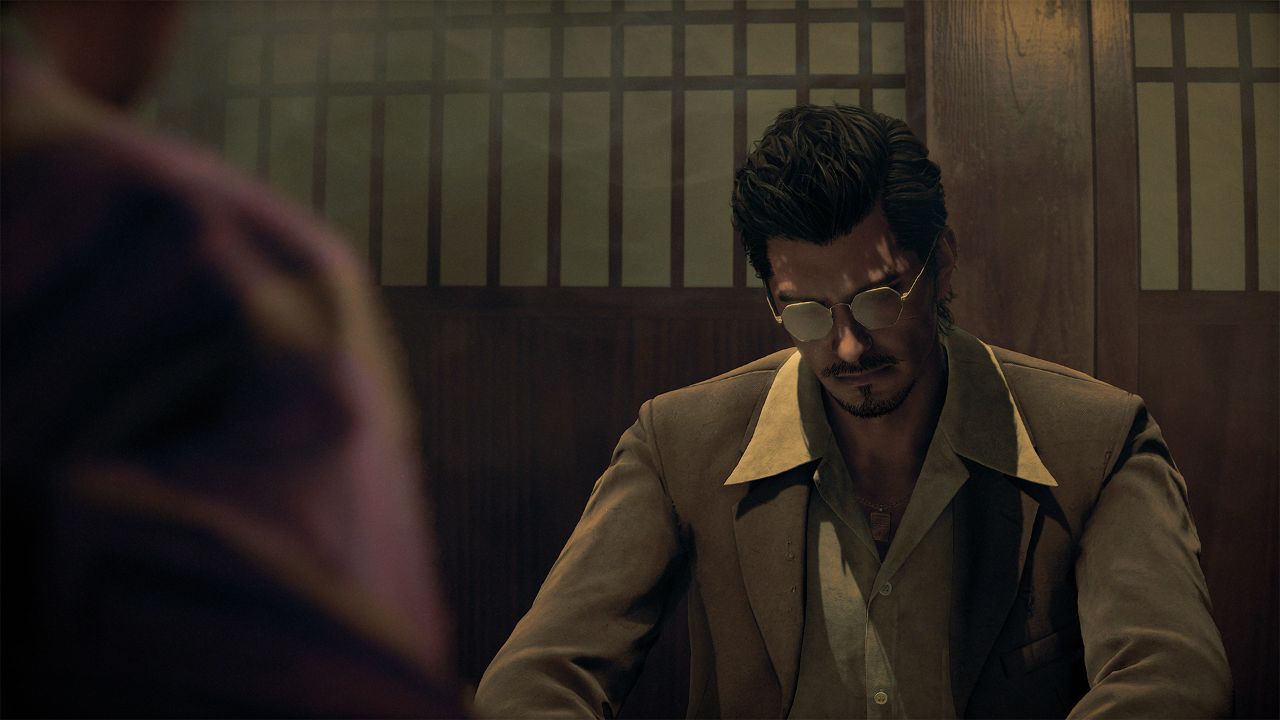
Combat That Feels Dangerous, Brutal, and Grounded
RGG Studio has never shied away from dramatic action, but Stranger Than Heaven appears to push combat in a more grounded direction. Much of that philosophy came from studying yakuza movies from the 1960s.
“There was more pressure, it was a kill or be killed kind of vibe.”
Rather than creating flashy, exaggerated encounters, the team wanted combat to feel dangerous and uncomfortable.
“In some of these battle sequences or combat scenes, it was very grotesque or brutal. We were trying to make it feel real.”
RGG Studio, in fact, deliberately scaled back some of the more over-the-top combat elements found in previous Yakuza titles.
“We really put away the supernatural aspects compared to the other Yakuza franchise series. It was over-the-top. We cut all of that.”
Instead, every impact is intended to feel weighty and painful.
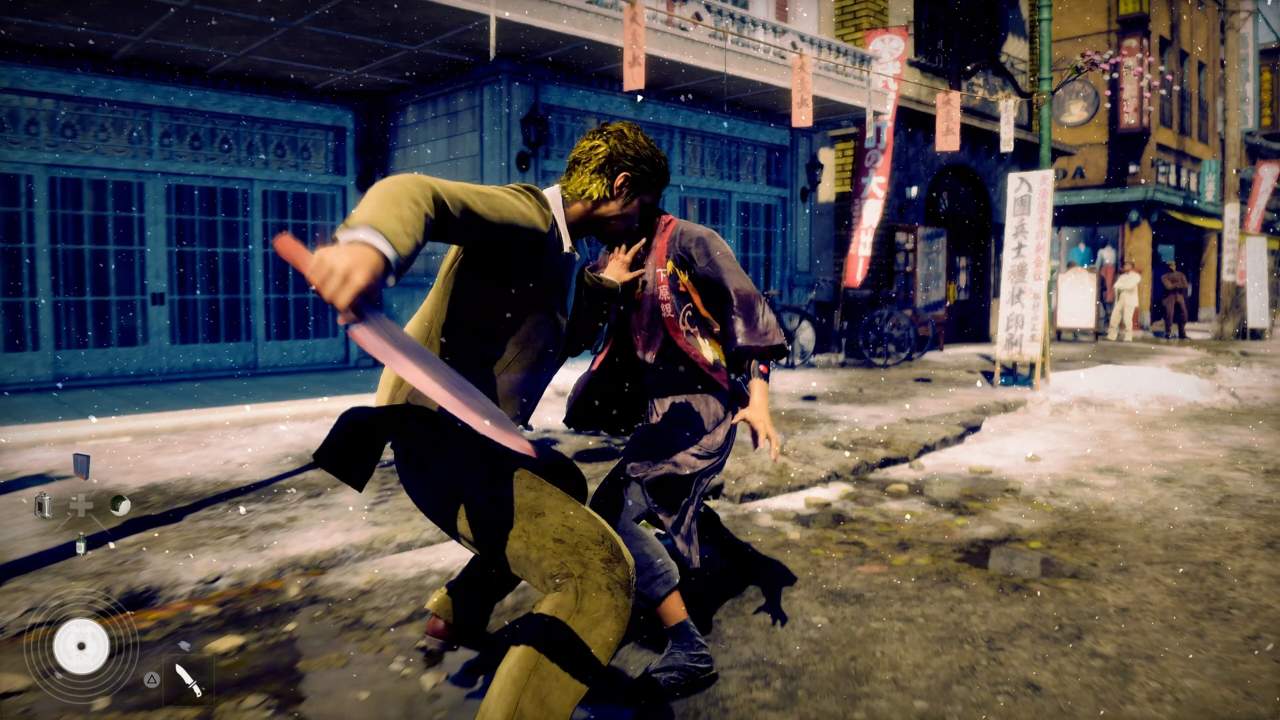
“There’s something heavy in this game. It feels heavy. It looks like it’s going to hurt.” Abe also explained that they really wanted it to feel like knife is hitting the bone.
The realism also extends directly to Daito’s personal growth. Unlike some action heroes, he isn’t immediately capable of dominating every encounter.
“Daito, when he first starts out, he’s still new at fighting. He can’t really fight. He’s not like a superman from Day 1, he’s trying to learn how to fight.”
Players will witness his development as both a fighter and a person simultaneously, with new techniques, weapon mastery, and combat options emerging as the decades pass.
Crafting Your Own Version of Makoto Daito
That progression system ties directly into player freedom.
Abe revealed that players can choose from twelve weapon types plus unarmed combat and can either switch constantly or remain loyal to a single weapon throughout Daito’s entire journey.
“You could make it so Daito starts with one weapon and in 50 years, he’s still using the same weapons.”
Horii explained that the team specifically designed the game to discourage reliance on a single strategy while still rewarding specialization.
“We’re trying to make a game balance so a single player will not stick to a single tactic.”
Weapons evolve alongside the changing eras, benefiting from technological advancements and unlocking deeper customization options over time.
For players who remain committed to a particular weapon type, additional skills can be unlocked based on long-term usage.
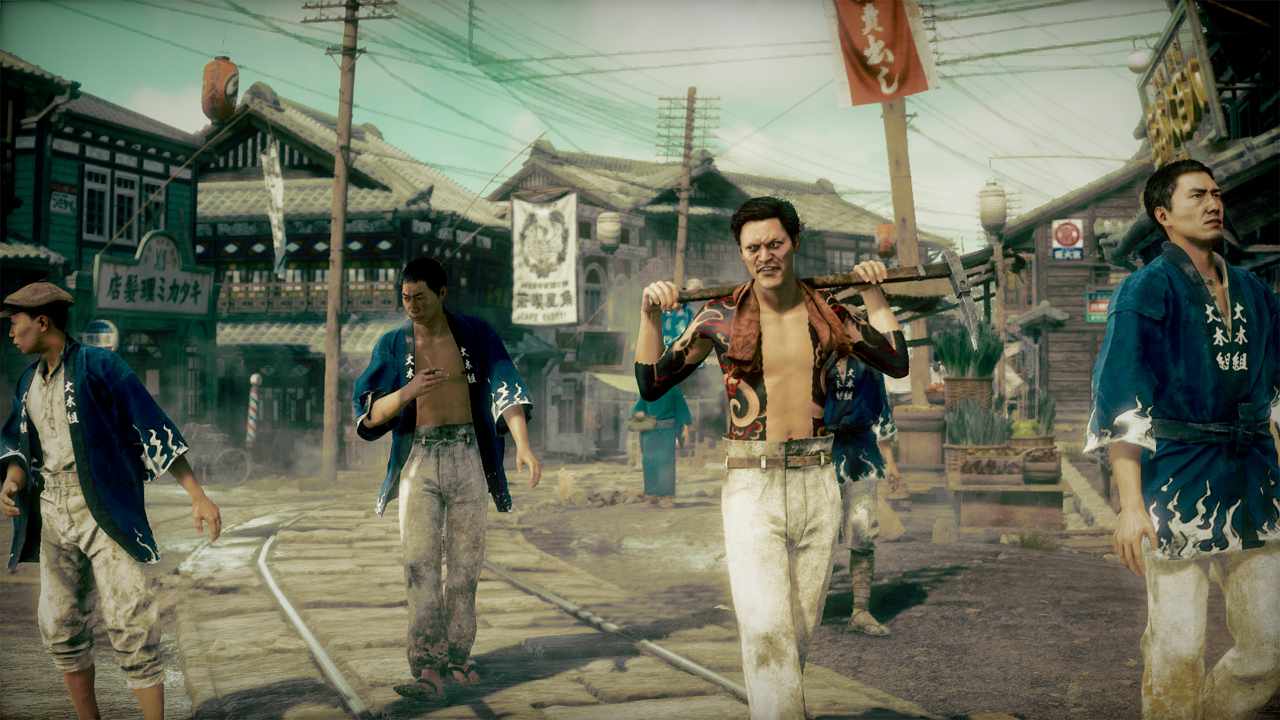
Stranger Than Heaven launches on January 15, 2027 for PS5, Xbox, and PC.